Choosing where to stay in Amsterdam can make or break your trip. The city packs an extraordinary amount of character into a relatively compact area, but each neighborhood offers a fundamentally different experience. Stay in the wrong part of town and you might spend your holiday fighting through tourist crowds or stuck far from the things you actually want to see. Stay in the right spot and Amsterdam reveals itself as one of the most walkable, welcoming, and endlessly fascinating cities in Europe.
This is the definitive guide to where to stay in Amsterdam, written from extensive on-the-ground research across every major neighborhood. We cover eight distinct areas, break down what each one offers, suggest specific accommodation types for every budget, and provide the practical pricing and booking intelligence you need to make the right choice. Whether you are visiting Amsterdam for the first time or returning for your fifth trip, this guide will help you find the perfect base.
Amsterdam has around 55,000 hotel rooms spread across the city, but demand consistently outstrips supply — especially from April through October. The city’s strict short-term rental laws mean the Airbnb market is far smaller than in most European capitals, making hotel selection even more important. Prices have risen significantly since 2023, and the introduction of the tourist tax (currently 12.5% of the room rate) adds a meaningful surcharge to every booking.
Centrum and the Canal Belt: The Historic Heart
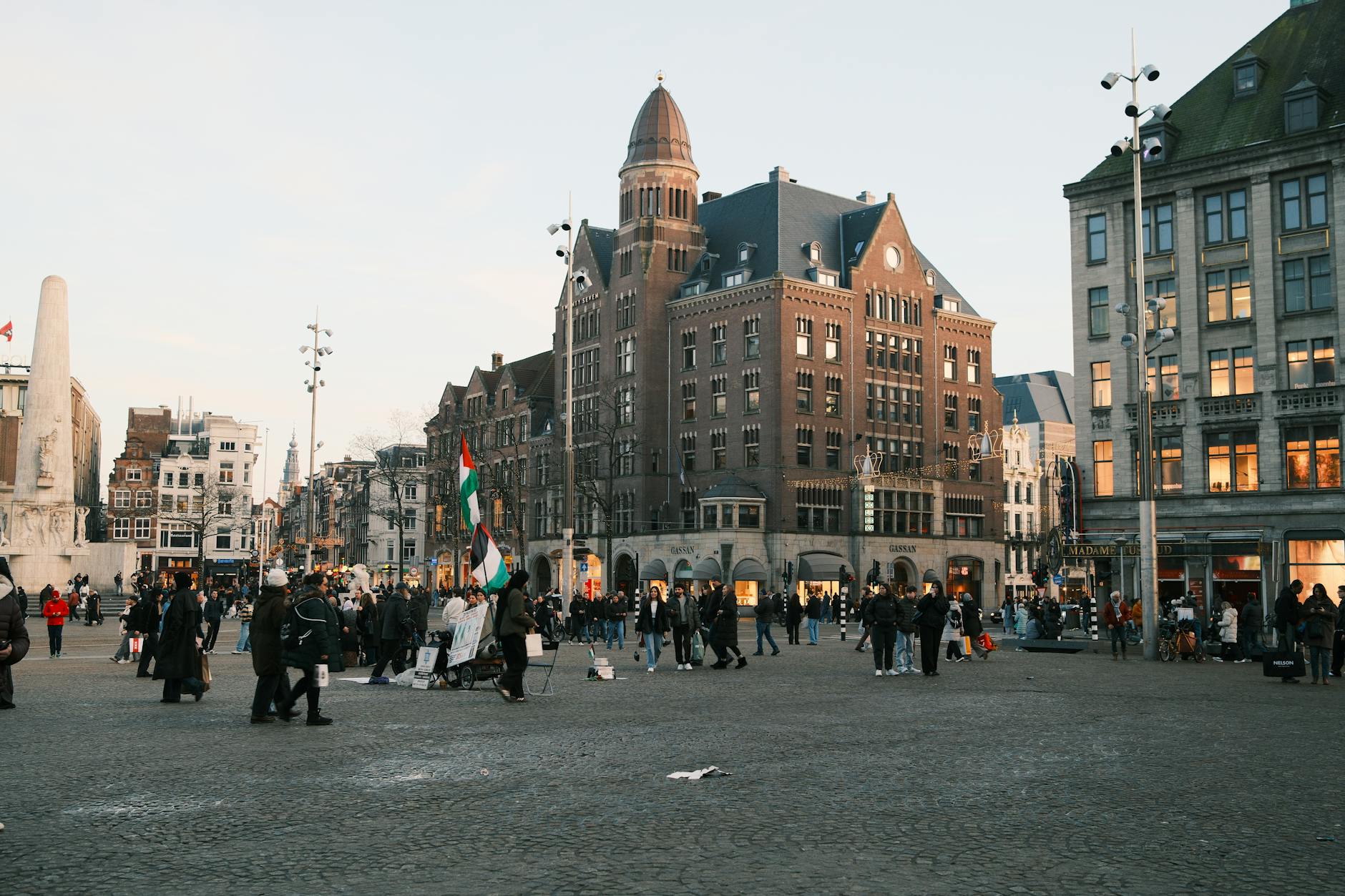
If you want to be in the absolute center of everything, Centrum is where to stay in Amsterdam. This is the oldest part of the city, encompassing Dam Square, the Royal Palace, the main shopping streets of Kalverstraat and Nieuwendijk, and the northern end of the famous Canal Belt (Grachtengordel). Amsterdam Centraal Station sits at the top of this district, making it the arrival point for most visitors.
The Canal Belt itself — the concentric rings of Herengracht, Keizersgracht, and Prinsengracht — is a UNESCO World Heritage Site and arguably the most beautiful urban landscape in Europe. Hotels along these canals occupy converted 17th-century merchant houses with impossibly steep staircases, exposed wooden beams, and windows overlooking the water. The Nine Streets (De Negen Straatjes) area, where small cross-streets connect the main canals, is particularly charming and central.
The drawback of Centrum is that parts of it, particularly around Damrak and the Red Light District, can feel overwhelmingly touristy. The area immediately surrounding Centraal Station is noisy and congested. But move a few blocks south or west into the Canal Belt proper and the atmosphere transforms into something quieter and far more elegant.
Best For
First-time visitors who want to walk everywhere, sightseeing-focused trips, couples seeking romantic canal-side settings, and anyone who values being within a ten-minute walk of major attractions including the Anne Frank House, Dam Square, and the flower market.
Typical Pricing
Budget hotels and hostels in Centrum start around €90–130 per night. Mid-range canal-side hotels run €180–300. Luxury properties like the Hotel De L’Europe and Waldorf Astoria Amsterdam command €400–800 per night. The tourist tax of 12.5% applies on top of all rates.
Jordaan: Amsterdam’s Most Charming Neighborhood
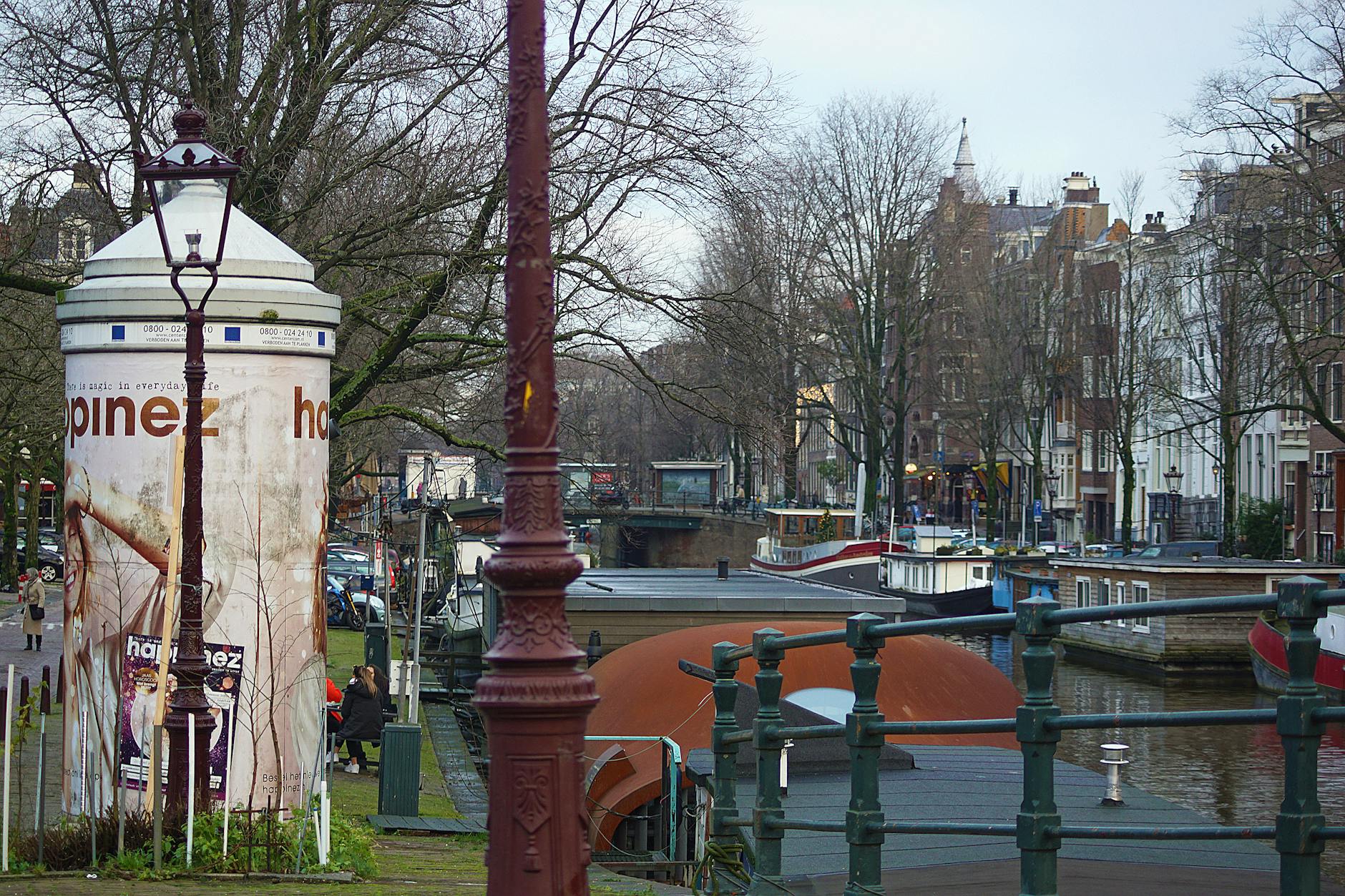
The Jordaan is consistently rated as the best neighborhood in Amsterdam for visitors who want authentic local atmosphere without sacrificing a central location. Situated just west of the Canal Belt, this former working-class district has transformed into one of Amsterdam’s most desirable areas, filled with independent boutiques, cozy brown cafés (bruine kroegen), art galleries, and some of the city’s best restaurants.
What makes the Jordaan special is its intimate, village-like feel. The streets are narrower than in Centrum, the canals are quieter, and locals outnumber tourists on most blocks. Saturday mornings bring the bustling Lindengracht Market, and the Noordermarkt hosts both a farmers’ market and a flea market on Saturdays and Mondays respectively. The Anne Frank House sits on the Jordaan’s eastern edge, and you can walk to Centrum in under ten minutes.
The trade-off for all this charm is limited hotel supply. The Jordaan is primarily residential, and because it is a protected heritage area, new hotel construction is virtually impossible. The hotels that do exist here tend to be small boutique properties in converted canal houses, and they book up months in advance during peak season. If you are wondering where to stay in Amsterdam for a second or third visit, the Jordaan should be at the top of your list.
Best For
Repeat visitors, couples, food lovers, boutique hotel enthusiasts, and anyone who prioritizes neighborhood character and a local feel over proximity to major tourist sights.
Typical Pricing
The Jordaan has relatively few budget options. Small boutique hotels start around €150–200 per night. Well-regarded properties like The Hoxton and Mr. Jordaan run €200–350. Premium canal-house hotels can reach €400+. Book three to four months ahead for spring and summer stays.
Oud-Zuid and the Museum Quarter: Culture and Elegance
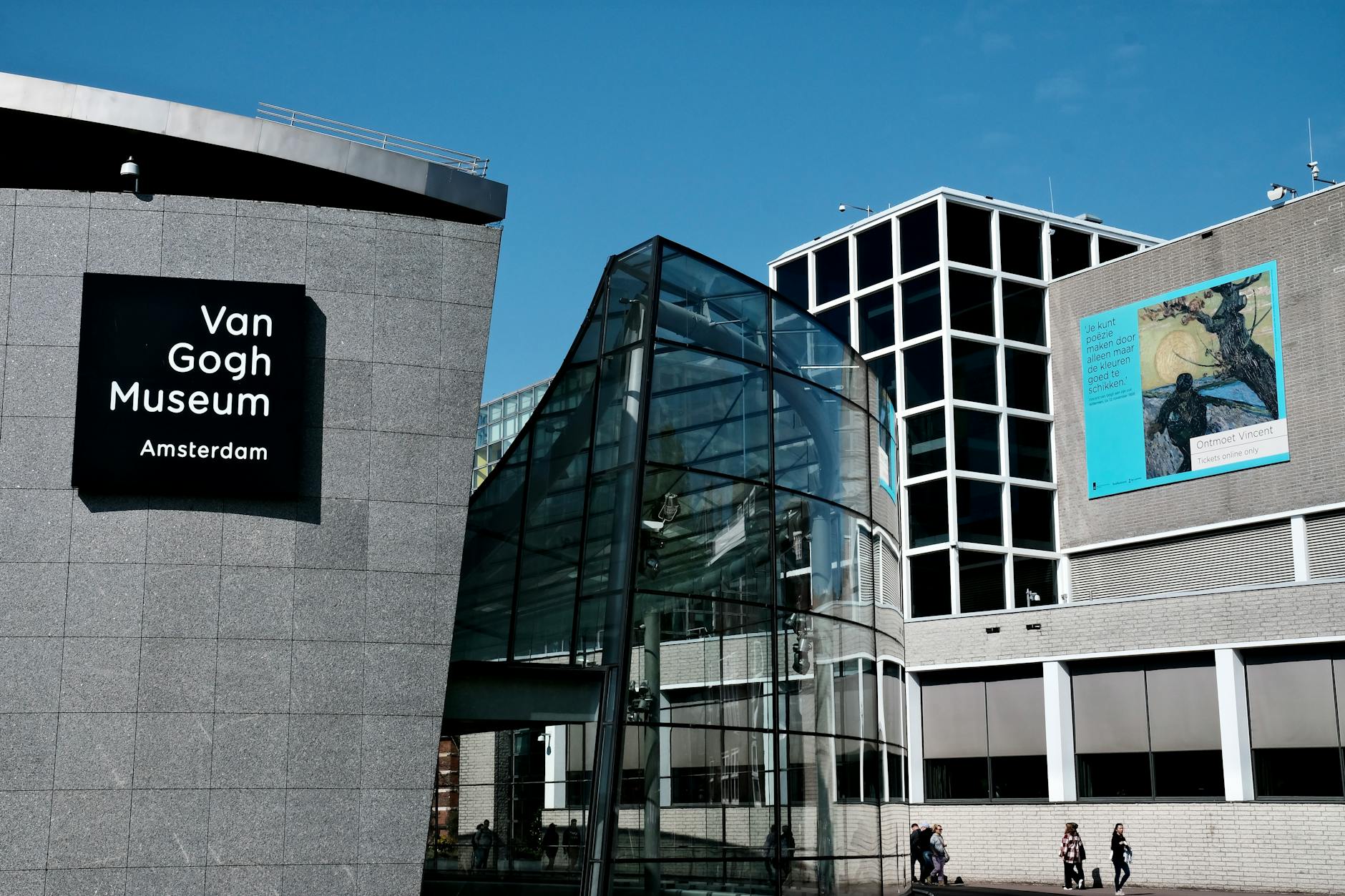
Oud-Zuid (Old South) encompasses the Museum Quarter — home to the Rijksmuseum, Van Gogh Museum, and Stedelijk Museum — along with the luxury shopping street P.C. Hooftstraat and the green expanse of Vondelpark. This is Amsterdam’s most upscale residential neighborhood and one of the best places to stay in Amsterdam for those who want a refined, slightly quieter base with world-class cultural attractions on the doorstep.
The Museumplein area itself is lively but not chaotic. Street musicians perform on the square, the I Amsterdam letters (now relocated) once drew crowds, and the Concertgebouw — one of the world’s finest concert halls — anchors the southern end. Vondelpark, Amsterdam’s beloved 47-hectare green space, is ideal for morning runs, afternoon picnics, and people-watching, and several hotels sit directly on its perimeter.
Oud-Zuid is also well connected. Tram lines 2, 5, and 12 run along the main thoroughfares into Centrum, and cycling to Dam Square takes about 12 minutes. The neighborhood has excellent restaurants along Cornelis Schuytstraat and Van Baerlestraat, though the dining scene leans more upscale than casual compared to areas like De Pijp.
Best For
Culture enthusiasts, luxury travelers, families (Vondelpark is great for children), and visitors who want elegant surroundings without the noise of Centrum. This is also an excellent choice if you are deciding where to stay in Amsterdam near the museums.
Typical Pricing
Oud-Zuid hotels skew toward the higher end. Budget options are scarce — expect €120–170 for basic accommodations. Mid-range hotels run €200–350. Luxury flagships like the Conservatorium Hotel, Waldorf Astoria, and College Hotel start at €350 and can exceed €700 during peak season.
De Pijp: The Vibrant Local Favorite
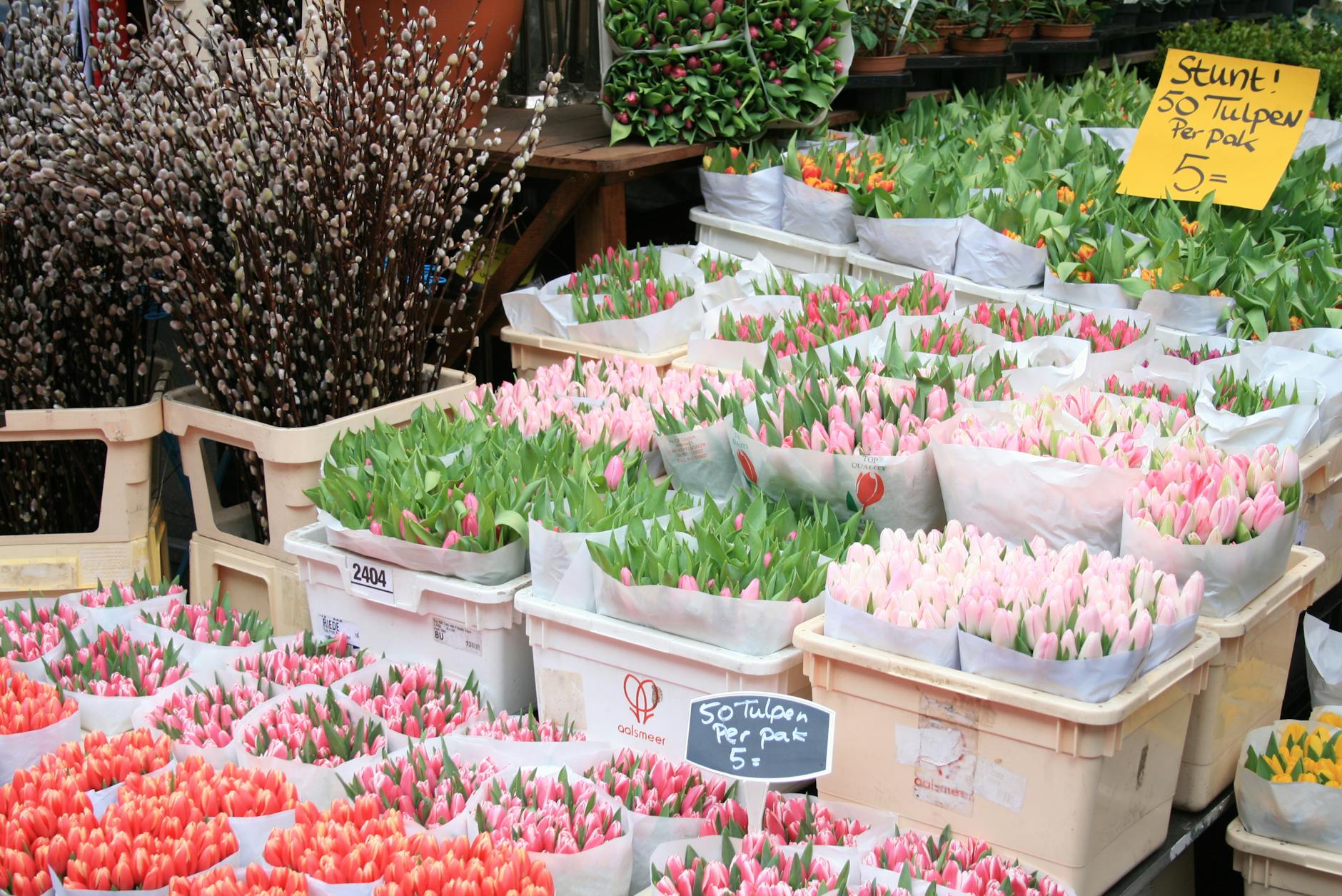
De Pijp is where Amsterdam’s creative, multicultural energy is most palpable. This neighborhood, directly south of the Canal Belt and adjacent to the Museum Quarter, has evolved from a 19th-century working-class district into one of the city’s most dynamic areas. The Albert Cuyp Market — Amsterdam’s largest and most famous street market, stretching over 260 stalls — is the beating heart of De Pijp and operates daily except Sundays.
What sets De Pijp apart is its diversity. You will find Surinamese roti shops next to craft cocktail bars, Turkish bakeries beside natural wine cafés, and vintage clothing stores across from specialty coffee roasters. Gerard Doustraat and the streets around Sarphatipark are particularly rewarding for restaurant exploration. The neighborhood attracts a younger, more international crowd than the Jordaan, and prices at restaurants and bars tend to be more accessible.
For visitors considering where to stay in Amsterdam on a moderate budget, De Pijp offers the best value-for-character ratio in the city. Hotel options have expanded in recent years, and the neighborhood is well served by the Noord-Zuid metro line (Station De Pijp) and multiple tram routes. You can walk to the Rijksmuseum in about eight minutes and to Centrum in twenty.
Best For
Foodies, budget-conscious travelers, younger visitors, digital nomads, anyone staying longer than a weekend, and travelers who want a neighborhood that feels lived-in rather than preserved for tourists.
Typical Pricing
De Pijp has some of the best value accommodation in central Amsterdam. Hostels and budget hotels start around €80–120 per night. Comfortable mid-range options run €140–220. The Sir Albert Hotel and Hotel V Nesplein (nearby) represent the upper end at €220–350.
Oud-West: The Trendy Up-and-Comer
Oud-West sits between the Jordaan and Vondelpark, making it one of the most conveniently located yet under-touristed neighborhoods in Amsterdam. The area centers around Kinkerstraat and the wildly popular De Hallen — a former tram depot converted into a food hall, cinema, library, and creative workspace that has become one of Amsterdam’s most vibrant social hubs.
The neighborhood has a distinctly local, lived-in feel. Residents cycle to work along leafy streets, grab coffee at independent roasters, and shop at the Ten Katemarkt — a daily outdoor market that is far less touristy than Albert Cuyp. Oud-West’s restaurant scene has exploded in recent years, with excellent options spanning Indonesian, Middle Eastern, Italian, and modern Dutch cuisines along Kinkerstraat and Overtoom.
If you are looking for where to stay in Amsterdam that offers genuine neighborhood atmosphere with excellent transport links, Oud-West deserves serious consideration. Tram lines 7 and 17 connect directly to Centrum, and Vondelpark is a five-minute walk from almost anywhere in the district.
Best For
Repeat visitors, food lovers, travelers seeking a local vibe with less tourist presence, and anyone who wants quick access to both the Museum Quarter and Centrum without staying in either.
Typical Pricing
Oud-West offers good mid-range value. Budget options start at €90–130 per night. The neighborhood’s growing selection of boutique hotels runs €150–250. Conscious Hotel Vondelpark and Hotel & Bar & Kitchen near Leidseplein sit at the upper end around €200–300.
Amsterdam Noord: The Creative Frontier
Amsterdam Noord (North), across the IJ river from Centraal Station, has undergone the most dramatic transformation of any Amsterdam neighborhood in the past decade. What was once a working-class shipyard area now hosts the EYE Film Museum, A’DAM Lookout tower, the NDSM Wharf creative community, and a burgeoning restaurant and nightlife scene. A free 24-hour ferry from Centraal Station makes the crossing in just five minutes.
Noord’s appeal is its raw, creative energy. The NDSM Wharf, a former shipyard turned art community, hosts street art, pop-up restaurants, festivals, and creative workshops in converted industrial warehouses. Café de Ceuvel, built on a decontaminated former shipyard with houseboats as offices, exemplifies the area’s innovative spirit. The monthly IJ-Hallen flea market at NDSM is Europe’s largest, attracting 750 vendors and thousands of bargain hunters.
The main drawback of staying in Noord is that you will always need to cross the water to reach the city center. While the ferry is frequent and free, it adds a logistical step that some visitors find inconvenient, especially late at night. However, for travelers who value atmosphere over convenience, Noord offers something no other Amsterdam neighborhood can match.
Best For
Young travelers, creatives, nightlife enthusiasts, budget travelers seeking unique stays, and anyone who wants to experience the cutting edge of Amsterdam’s cultural evolution.
Typical Pricing
Noord is generally more affordable than the city center. Budget-friendly hostels and hotels start around €70–110. The standout Sir Adam Hotel (atop the A’DAM Tower) runs €180–350 and offers panoramic city views. Houseboat and apartment rentals in Noord provide some of the best value in all of Amsterdam.
Amsterdam Oost: Parks, Diversity, and Authentic Local Life
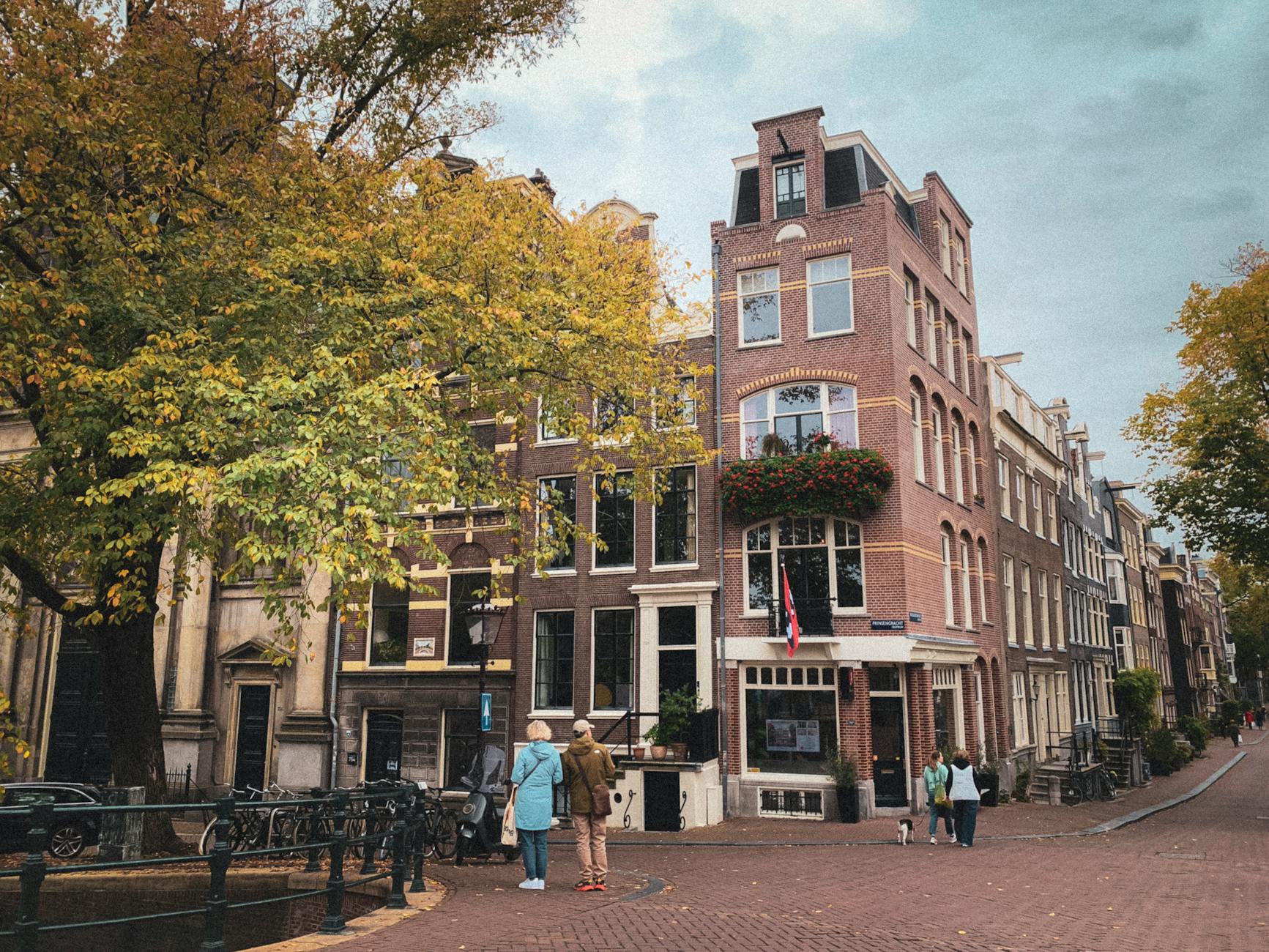
Amsterdam Oost (East) is one of the city’s most diverse and rapidly improving neighborhoods, centered around the Oosterpark and the Tropenmuseum (Museum of the Tropics). The area stretching from Weesperbuurt to the Dappermarkt — voted the best street market in the Netherlands — offers a genuine multicultural Amsterdam experience with Moroccan, Turkish, Surinamese, and Indonesian communities contributing to an outstanding food scene.
The Plantage sub-neighborhood, between the canals and Oosterpark, adds a different dimension entirely. This green, elegant area is home to Artis Zoo (the oldest zoo in the Netherlands), the Hortus Botanicus, the National Holocaust Museum, and the Hermitage Amsterdam. It feels distinctly residential and peaceful, a world away from the tourist activity of Centrum despite being only a fifteen-minute walk from Dam Square.
For those evaluating where to stay in Amsterdam on a tighter budget, Oost provides genuinely affordable accommodation with excellent public transit connections. The Wibautstraat and Javastraat corridors have seen significant investment, bringing hip restaurants, specialty coffee shops, and craft beer bars to what was once a purely residential area.
Best For
Budget travelers, families (Artis Zoo and parks are a draw), food adventurers seeking multicultural cuisine, longer-stay visitors, and those who want to experience Amsterdam beyond the tourist center.
Typical Pricing
Oost offers some of the lowest hotel prices in Amsterdam proper. Budget hotels and hostels run €65–110 per night. Comfortable mid-range options like the Lancaster Hotel start at €120–180. The area is also excellent for apartment-style accommodations at €100–160 per night.
Amsterdam Accommodation Types Explained
Canal House Hotels
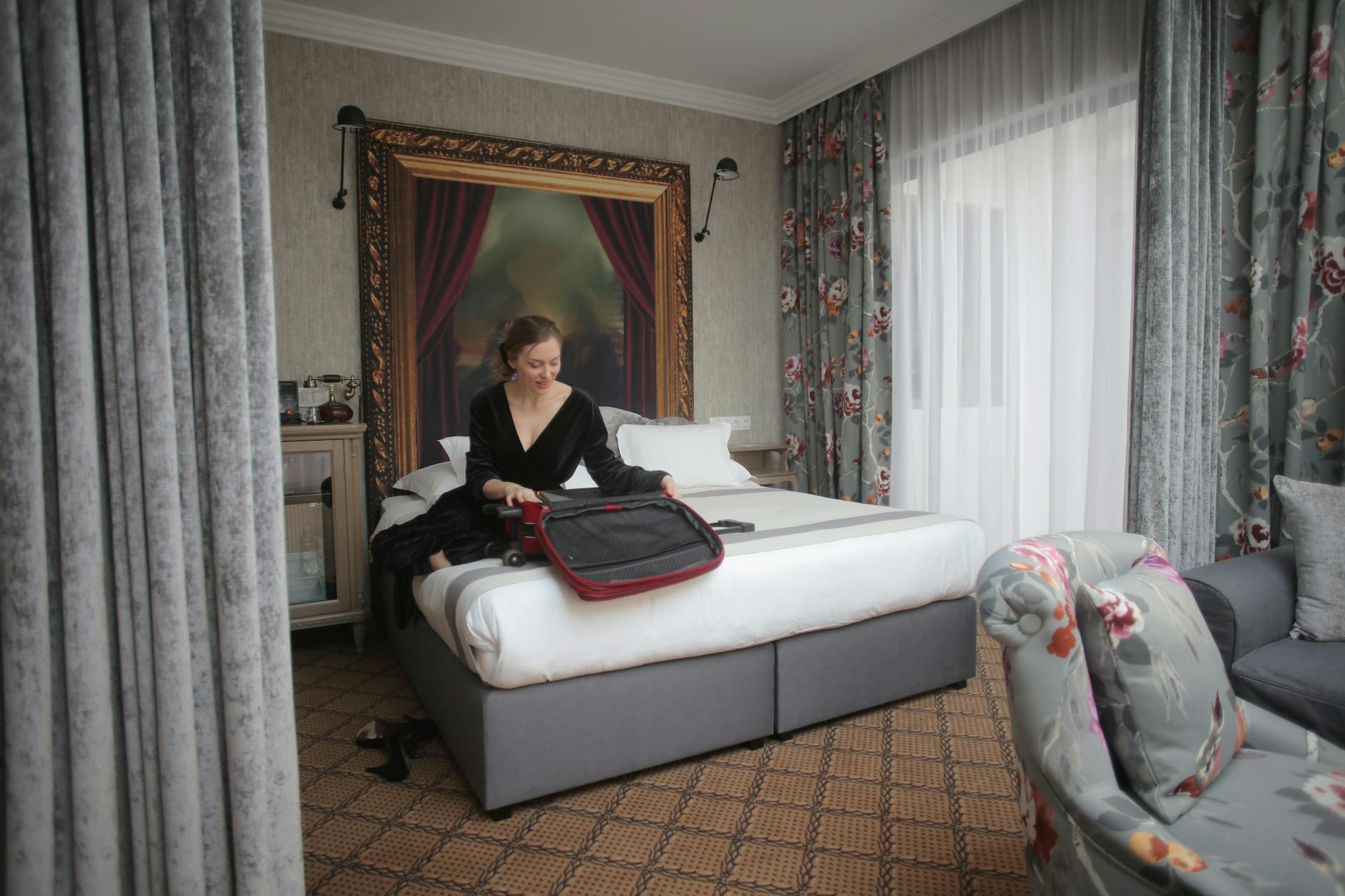
Amsterdam’s most distinctive accommodation type. These boutique hotels occupy converted 17th- and 18th-century merchant houses along the canals. Expect characterful rooms with exposed beams, steep Dutch staircases (most have no elevators), and canal views from upper floors. They range from simple B&B-style operations to ultra-luxury properties. The trade-off is that rooms tend to be smaller than in purpose-built hotels, and accessibility can be limited.
Houseboats
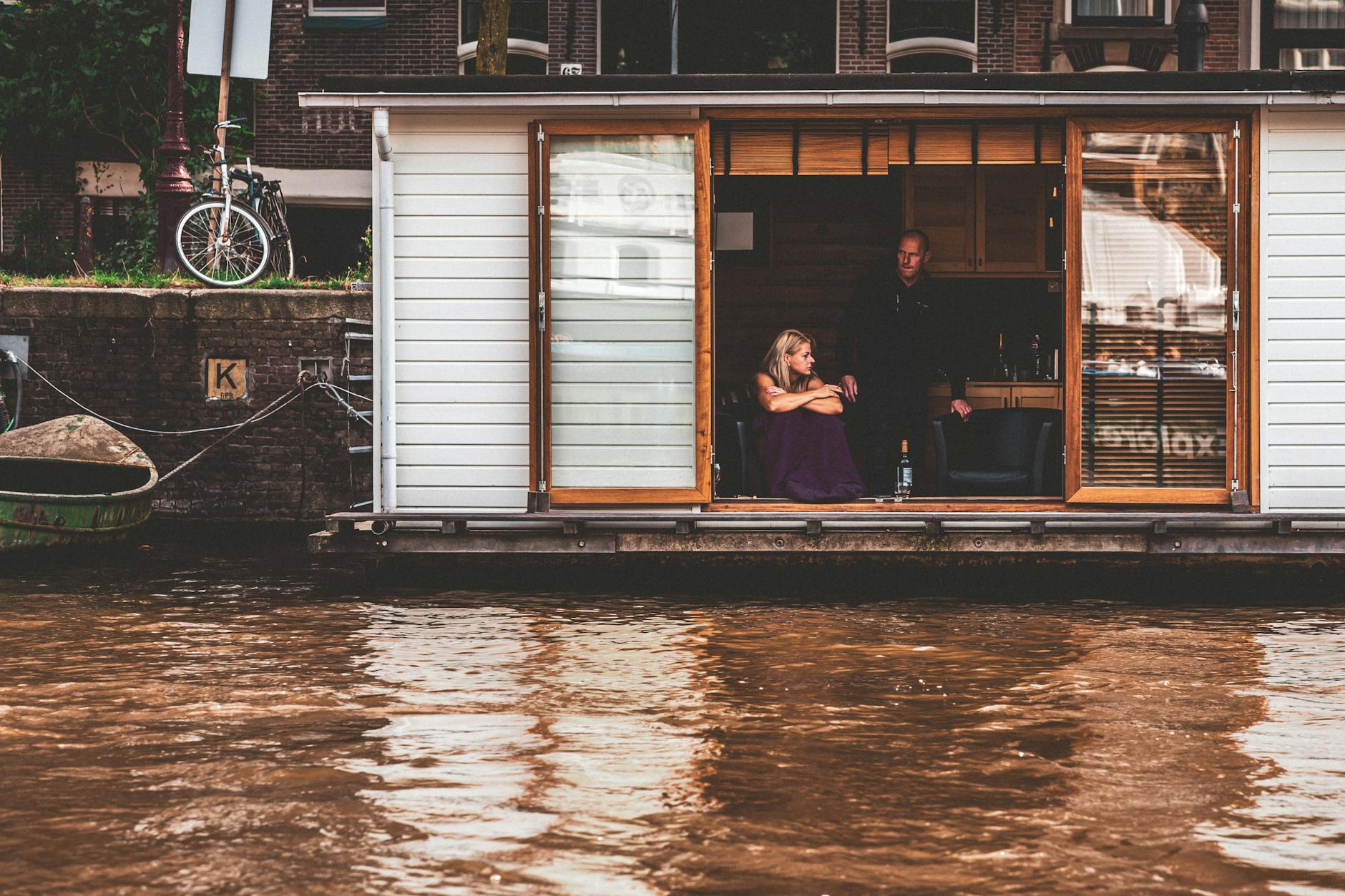
Staying on a houseboat is one of Amsterdam’s most unique experiences. Around 2,800 houseboats line the city’s canals, and a growing number are available as vacation rentals. Modern houseboats offer all the amenities of a standard apartment — full kitchens, WiFi, heating, private bathrooms — with the added charm of sleeping on the water. Expect gentle rocking, duck visitors at your window, and the unmistakable sound of canal water lapping against the hull. Prices range from €100 to €300 per night depending on size and location.
International Hotel Chains
Major brands including Marriott, Hilton, Hyatt, NH Hotels, and Accor all have significant presence in Amsterdam. These hotels offer standardized quality, loyalty program benefits, and often better accessibility and elevator access than canal house properties. They tend to cluster around Centraal Station, Leidseplein, and the business district around the RAI convention center. Chain hotels are often the best choice for business travelers and families with accessibility needs.
Hostels
Amsterdam has an excellent hostel scene with options ranging from basic dorm rooms to design-forward social hostels. The Flying Pig Downtown and Hostel (near Vondelpark), ClinkNOORD (in Noord, directly across from Centraal Station ferry), and Generator Amsterdam are among the most popular. Private rooms in good hostels often cost less than budget hotels while offering better social atmospheres and locations. Dorm beds start around €25–45 per night; private rooms run €80–140.
Apartments and Vacation Rentals
Amsterdam’s strict short-term rental laws limit private apartment rentals to 30 nights per year per property. This means the supply of vacation apartments is much smaller than in other major European cities, and legitimate listings must be registered with the municipality. Licensed serviced apartments — professionally managed properties that operate year-round under a different regulatory framework — are a growing and often excellent alternative, typically offering kitchenettes, more space, and competitive nightly rates.
Practical Booking Advice for Amsterdam Hotels
When to Book
Amsterdam’s accommodation market is among the most competitive in Europe. For stays during peak season (April through September, especially during tulip season in mid-April to mid-May and King’s Day on April 27), book at least three to four months in advance. During major events like Amsterdam Dance Event (October), Pride (August), or Christmas markets (December), properties can sell out six months ahead. For off-peak winter stays (November through March, excluding holiday periods), two to four weeks of lead time is usually sufficient.
Understanding Amsterdam’s Tourist Tax
Amsterdam levies a tourist tax (toeristenbelasting) of 12.5% on the room rate per person per night — one of the highest in Europe. This tax is sometimes included in the price displayed on booking platforms, but often is not. Always check whether the rate you see includes or excludes this tax, as it can add €15–50 or more per night to your total cost depending on the hotel category.
Best Time to Find Deals
January and February consistently offer the lowest rates, with mid-range hotels dropping 30–50% compared to summer peaks. November (excluding holiday weekends) is another strong value period. Midweek stays (Sunday through Thursday) are almost always cheaper than weekend bookings. The sweet spot for value and weather is late September through mid-October — shoulder season pricing with often beautiful autumn weather.
Neighborhood Transport Connections
Amsterdam’s GVB public transport network — trams, metro, and buses — is excellent and connects all neighborhoods covered in this guide. The OV-chipkaart (public transit card) or contactless payment on readers makes getting around seamless. Most visitors staying in Centrum, Jordaan, or the Canal Belt will rarely need public transport at all, as the city center is compact enough to walk or cycle everywhere.
Where to Stay in Amsterdam by Trip Type
First-Time Visitors
Stay in the Canal Belt or Centrum. The convenience of walking to every major attraction cannot be overstated on a first visit, and the canals, architecture, and atmosphere deliver the quintessential Amsterdam experience you are expecting.
Couples and Romantic Trips
The Jordaan or Canal Belt. Quiet canal-side hotels with beam ceilings and window seats overlooking the water create an unmatched romantic setting. Book a canal house hotel on Prinsengracht or Keizersgracht.
Families
Oud-Zuid near Vondelpark. The park provides space for children to play, the museums are walkable, and the hotels tend to be larger with more family-friendly amenities. Amsterdam Oost is a budget-friendly family alternative with Artis Zoo and Oosterpark nearby.
Budget Travelers
De Pijp or Amsterdam Oost for the best value accommodation with genuine neighborhood character. Noord offers creative hostel options. All three areas have strong public transport links to the center.
Longer Stays (One Week+)
De Pijp or Oud-West. Both neighborhoods have the daily essentials — supermarkets, laundromats, parks, diverse restaurant scenes — that make longer stays comfortable and affordable. Serviced apartments in these areas offer kitchen facilities and more living space.
Nightlife Seekers
Centrum near Leidseplein or Rembrandtplein for traditional nightlife. Amsterdam Noord near NDSM for electronic music and alternative club culture.
Frequently Asked Questions About Where to Stay in Amsterdam
What is the best area to stay in Amsterdam for the first time?
The Canal Belt (Grachtengordel) is the best area for first-time visitors to Amsterdam. It puts you within walking distance of virtually every major attraction, offers the iconic canal-and-gabled-houses scenery, and has excellent dining and shopping. Centrum around Dam Square is the most central, though it can be touristy.
How far in advance should I book a hotel in Amsterdam?
For peak season (April–September), book three to four months ahead. For tulip season (mid-April to mid-May) and major events, book four to six months ahead. Winter off-season visits can often be booked two to four weeks in advance.
Is it worth staying in Amsterdam Noord?
Yes, especially for younger travelers, creatives, and budget-conscious visitors. The free 24-hour ferry takes just five minutes to Centraal Station, and Noord offers unique accommodations, vibrant nightlife, and a creative atmosphere unlike anywhere else in the city.
What is Amsterdam’s tourist tax?
Amsterdam charges a tourist tax (toeristenbelasting) of 12.5% of the room rate per person per night. This is one of the highest tourist taxes in Europe. Check whether your booking price includes or excludes this tax.
Are Airbnbs available in Amsterdam?
Amsterdam has very strict short-term rental laws. Private homes can only be rented for a maximum of 30 nights per year and must be registered with the municipality. The vacation rental supply is much smaller than in most European cities. Licensed serviced apartments are a reliable alternative.
What is the cheapest neighborhood to stay in Amsterdam?
Amsterdam Oost (East) and Amsterdam Noord (North) generally offer the lowest prices within the city. De Pijp also provides good value. For the absolute cheapest option, hostels in any central neighborhood start around €25–45 for dorm beds.
Finding the right place to stay in Amsterdam sets the foundation for an exceptional trip. Whether you choose the canal-side elegance of the Jordaan, the cultural prestige of Oud-Zuid, the vibrant local energy of De Pijp, or the creative frontier of Amsterdam Noord, each neighborhood offers a distinct lens through which to experience one of Europe’s most captivating cities. Book early, budget for the tourist tax, and do not underestimate how much your accommodation choice shapes your Amsterdam experience. For more on planning your trip, check out our comprehensive guide to things to do in Amsterdam.