Amsterdam is one of Europe’s most exciting food cities, and it is far more than stroopwafels and cheese — though those are worth seeking out too. The Dutch capital has evolved from a meat-and-potatoes reputation into a vibrant, multicultural dining destination where Indonesian rijsttafel sits alongside Michelin-starred fine dining, centuries-old brown cafes pour jenever next to boundary-pushing craft breweries, and market stalls sizzle with everything from fresh herring to Surinamese roti.
This is the definitive Amsterdam food and drink guide, written to help you navigate the city’s culinary landscape with confidence. Whether you want to understand what makes Dutch food culture unique, find the best street food markets, discover where locals actually eat, or learn the etiquette of ordering a kopstoot in a brown cafe, this guide covers it all. We break down every major food category, highlight the neighborhoods where you will eat best, and share the practical knowledge that separates a forgettable tourist meal from a genuinely memorable Amsterdam dining experience.
Essential Dutch Foods You Must Try in Amsterdam
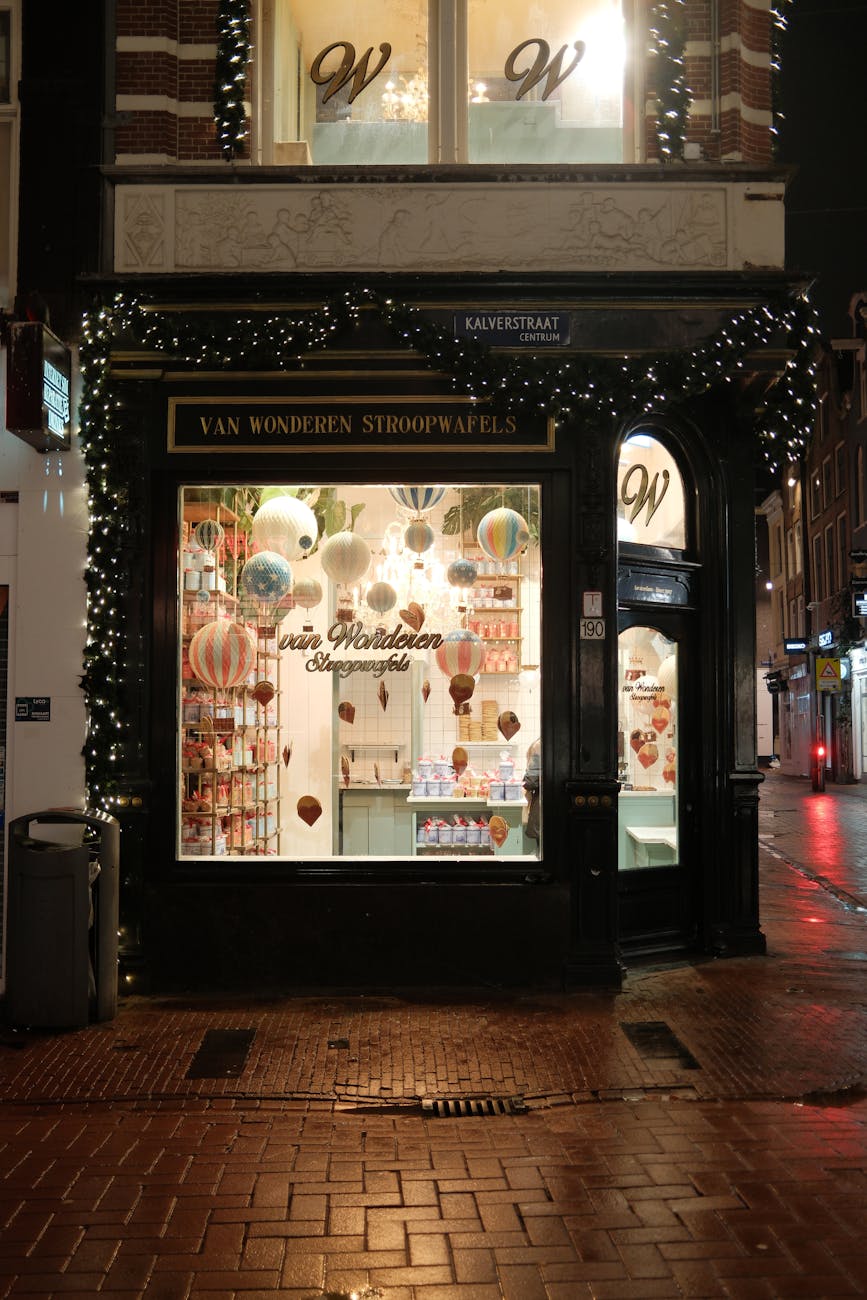
Dutch cuisine has a reputation for being simple, but that simplicity is deceptive. The best traditional foods in Amsterdam are built on centuries of trade, colonial influence, and a deep respect for quality ingredients. Here are the dishes that define the Amsterdam food experience, from iconic street snacks to sit-down classics.
Stroopwafels
The stroopwafel is Amsterdam’s signature sweet treat: two thin, crispy waffle layers sandwiching a layer of warm caramel syrup. Freshly made stroopwafels from market stalls and bakeries bear almost no resemblance to the packaged supermarket versions. The best ones are pressed to order, with the caramel still warm and slightly gooey. You will find them at nearly every outdoor market in Amsterdam, with the Albert Cuyp Market and the Noordermarkt being particularly reliable sources. A fresh stroopwafel costs around €3-4 and is best eaten immediately while walking.
Bitterballen
Bitterballen are the quintessential Dutch bar snack — golden, crispy, deep-fried balls filled with a rich beef or veal ragout. They arrive at your table piping hot and are served with sharp mustard for dipping. Every brown cafe and most restaurants serve them, and ordering a portion with a cold beer is one of Amsterdam’s essential rituals. The filling should be creamy and almost molten inside the crunchy exterior. Expect to pay €7-10 for a portion of six to eight. Cafe ‘t Smalle in the Jordaan and Cafe Luxembourg on Spui are popular spots for a round of bitterballen with drinks.
Haring (Raw Herring)
Eating raw herring is perhaps the most authentically Dutch food experience you can have in Amsterdam. Nieuwe haring (new herring) arrives each spring and is traditionally eaten by holding the fish by its tail and lowering it into your mouth, though most visitors prefer it served chopped on a small plate with pickled onions and gherkins. The herring should taste clean and buttery, not overly fishy. You will find herring stalls (haringhandels) throughout the city, with stands near the Noordermarkt, on the Albert Cuyp Market, and the famous Stubbe’s Haring stand near Centraal Station. A serving costs around €4-5. If you visit between late May and July, you will catch hollandse nieuwe haring season, when the first catch of the year is celebrated citywide.
Poffertjes
Poffertjes are tiny, fluffy pancakes made from buckwheat flour and yeast, cooked on special cast-iron griddle pans with small circular indentations. They are served smothered in powdered sugar and a generous pat of butter, and watching them being made is half the experience. Market stalls and dedicated poffertjes restaurants serve them year-round, though they are especially popular during winter markets and festivals. A plate of 15-20 poffertjes typically costs around €6-8. For a sit-down experience, The Pancake Bakery near the Anne Frank House serves both poffertjes and full-sized Dutch pannenkoeken (pancakes).
Kibbeling
Kibbeling consists of bite-sized chunks of battered and deep-fried white fish, usually cod or whiting, served with a creamy garlic or remoulade sauce. It is a classic Dutch street food that you will find at fish stalls, markets, and food trucks across Amsterdam. The batter should be light and crispy, the fish inside flaky and moist. Albert Cuyp Market and the Dappermarkt are both great places to grab a portion. Prices range from €5-8 depending on the portion size.
Stamppot and Other Hearty Classics
Stamppot is the ultimate Dutch comfort food: mashed potatoes mixed with vegetables like sauerkraut (zuurkool), kale (boerenkool), or endive (andijvie), topped with a juicy rookworst (smoked sausage) or gehaktbal (meatball) and served with rich gravy. It is a winter staple that you will find on the menu at traditional Dutch restaurants and brown cafes from October through March. Restaurant Moeders in the Jordaan specializes in traditional Dutch home cooking and serves an excellent stamppot. Other hearty classics worth trying include erwtensoep or snert (thick split pea soup with smoked sausage), hutspot (mashed potatoes with carrots and onions), and ossenworst (raw smoked Amsterdam beef sausage, which has Protected Geographical Indication status).
Dutch Apple Pie (Appeltaart)
Dutch apple pie differs from its American cousin in important ways: the crust is more like a buttery shortcrust pastry, and the filling is thick with chunky apple pieces spiced with cinnamon, sometimes cardamom, and occasionally raisins. It is served in thick, generous wedges, often with a dollop of whipped cream (slagroom). Nearly every cafe in Amsterdam serves apple pie, but Winkel 43 in the Jordaan is widely considered the gold standard, serving hundreds of slices daily from their charming corner location on the Noordermarkt. Arrive early as there is almost always a queue. A slice with coffee runs about €7-9.
Dutch Cheese: A Visitor’s Guide
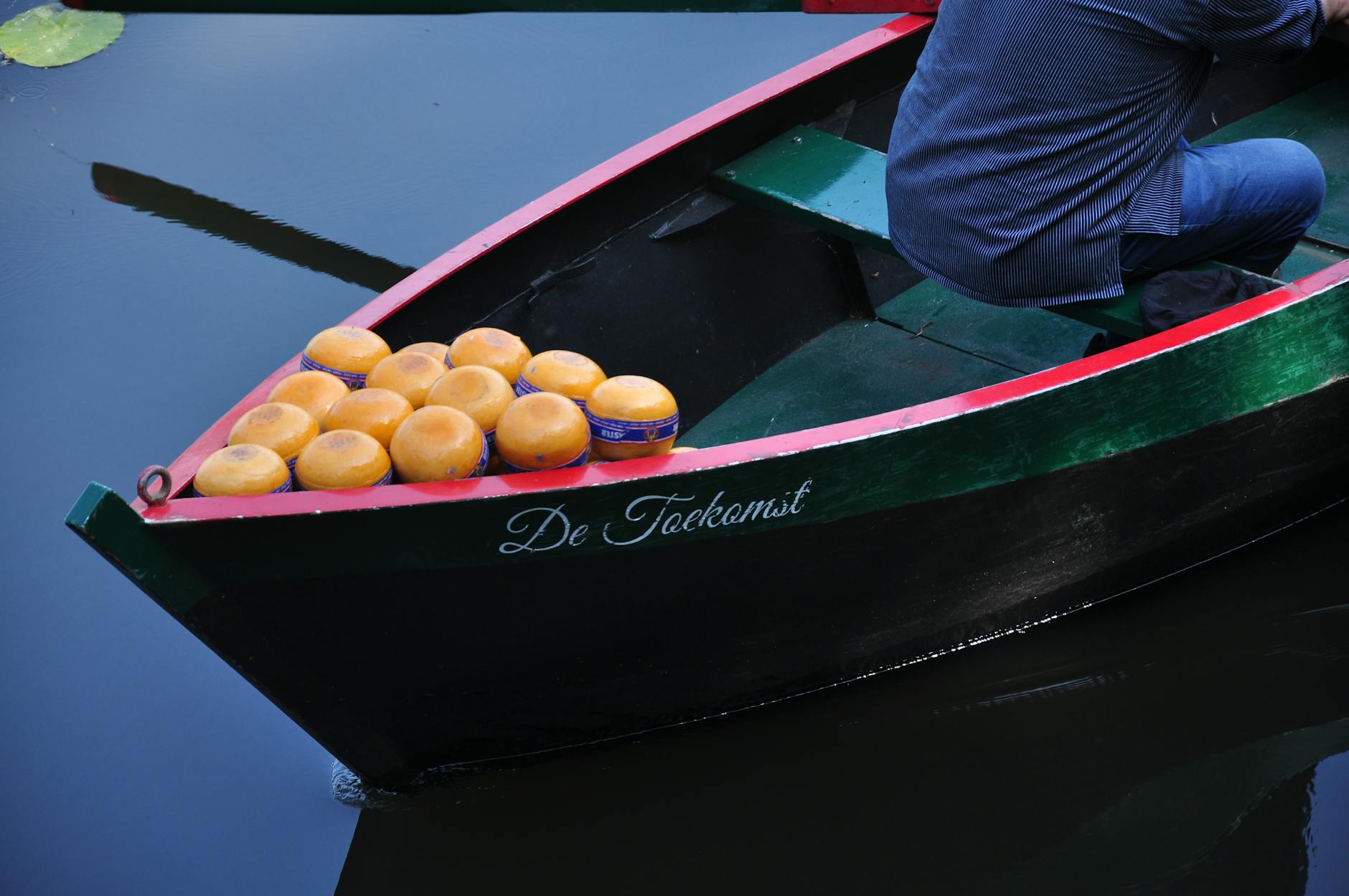
The Netherlands is one of the world’s largest cheese exporters, and Amsterdam is an excellent place to explore the full spectrum of Dutch cheese. The main varieties you will encounter are Gouda (ranging from young and creamy jong to intensely flavored overjarig aged for two or more years), Edam (the recognizable red-waxed ball, milder than Gouda), and Leidse kaas (cumin-spiced cheese from Leiden). At Amsterdam’s cheese shops and market stalls, you can sample before buying, and most vendors are happy to explain the differences between aging stages.
The best places to buy and sample cheese in Amsterdam include the cheese stalls at the Albert Cuyp Market, the specialty shop Reypenaer (which offers guided tasting sessions in a cellar beneath its Singel canal location), and the various cheese shops along the Damrak and in the Jordaan. For a deeper experience, the cheese market in the nearby town of Alkmaar (running from late March to late September, every Friday morning) is one of the most famous in the Netherlands and makes an easy day trip from Amsterdam. Budget around €10-15 for a generous portion of mixed aged cheeses to take away.
Amsterdam’s Colonial Culinary Heritage: Indonesian and Surinamese Food

Amsterdam’s food scene cannot be understood without acknowledging its colonial history. The Dutch East India Company’s centuries-long presence in Southeast Asia and the colonial relationship with Suriname have permanently shaped what Amsterdam eats. Indonesian and Surinamese cuisines are not just popular in Amsterdam — they are woven into the fabric of daily eating, and missing them means missing a fundamental part of the city’s food identity.
Indonesian Rijsttafel
Rijsttafel, literally “rice table,” is a uniquely Dutch-Indonesian dining experience. It consists of a large central bowl of rice surrounded by a dozen or more small dishes ranging from mild to fiery, including satay, rendang, gado gado, sambal goreng, and various curries. The concept was developed during the colonial era to allow Dutch colonials to sample dishes from across the Indonesian archipelago in a single sitting. Today, it remains one of Amsterdam’s most distinctive culinary experiences and something you genuinely cannot find done this well anywhere else in Europe.
For a fine-dining take, Blue Pepper on the Nassaukade serves an elegant five-course interpretation starting around €65 per person. Restaurant Blauw on the Amstelveenseweg offers a more traditional and generous rijsttafel at around €40-50 per person and is consistently one of the most popular Indonesian restaurants in the city. Tempo Doeloe on Utrechtsestraat has been serving fiery, authentic Indonesian food for decades, with rijsttafels featuring up to 25 dishes, and they will ask how spicy you can handle it — answer honestly. For a more casual and budget-friendly experience, Kantjil & de Tijger near Dam Square serves a shareable rice table for around €25 per person, and Toko Joyce is a local favorite for takeaway nasi and bami dishes from around €8.
Surinamese Food
Surinamese cuisine blends South American, Indian, Javanese, Chinese, and African influences into something entirely unique. The dishes you will find in Amsterdam include roti (flatbread served with curried chicken, potatoes, and egg), pom (a baked casserole made from tayer root and chicken), nasi goreng (fried rice with a Surinamese twist), and bakabana (fried plantain with peanut sauce). Surinamese takeaway restaurants, called tokos and snackbars, are scattered across every neighborhood in Amsterdam and offer some of the city’s best-value meals.
For outstanding Surinamese food, Roopram Roti in the Ferdinand Bolstraat in De Pijp serves generous portions of roti that regularly draw long queues. Warung Spang Makandra in the same neighborhood is a long-standing Surinamese-Javanese institution. In Amsterdam-Oost, the Javastraat is lined with Surinamese tokos and is one of the best streets in the city for affordable, flavorful food. Expect to spend €8-15 for a substantial Surinamese meal.
Amsterdam’s Best Food Markets and Street Food
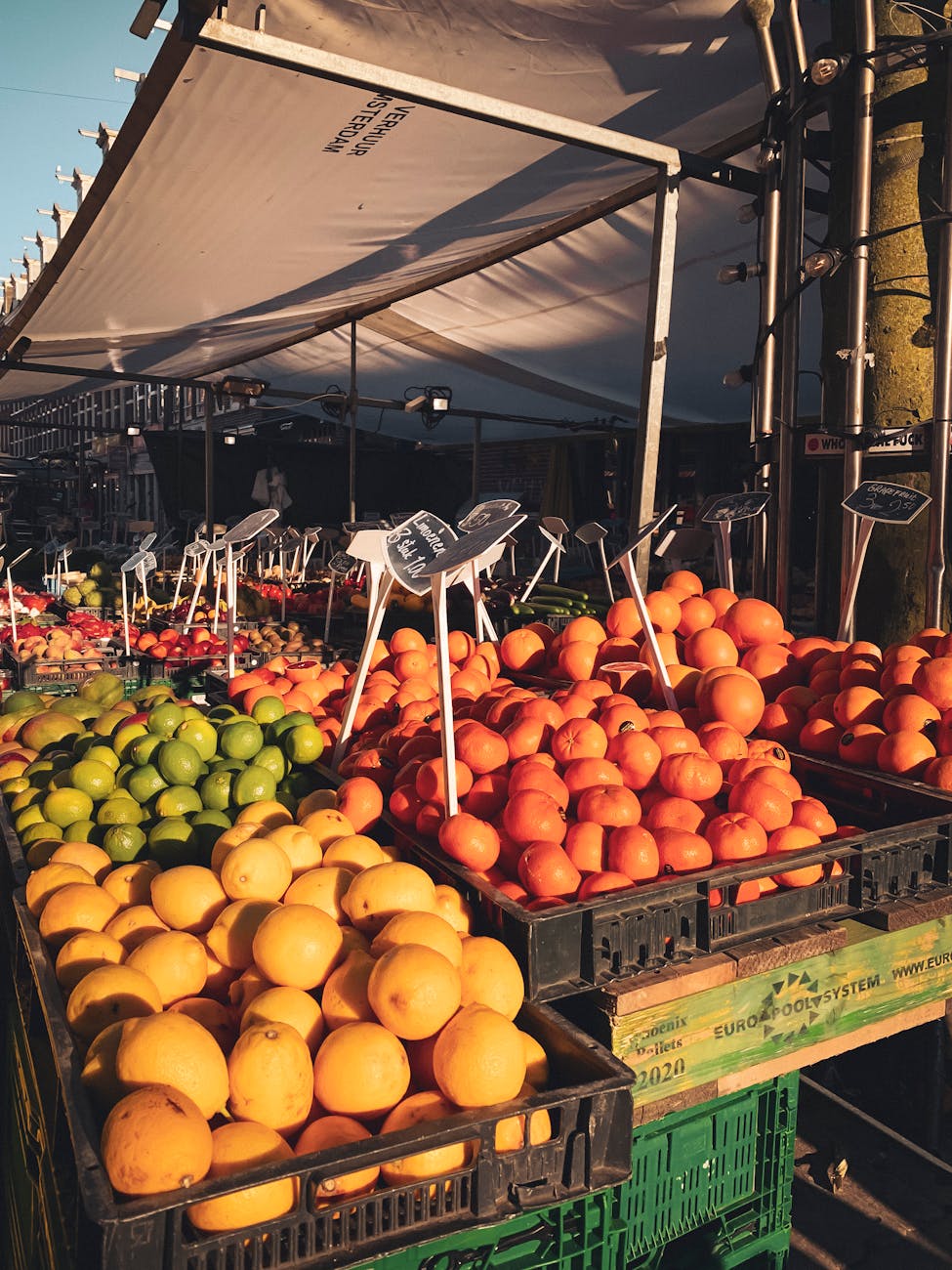
Amsterdam’s markets are some of the best places to eat in the city, offering an enormous range of food at reasonable prices in lively, atmospheric settings. Here are the markets that matter most for food lovers.
Albert Cuyp Market
The Albert Cuyp Market in De Pijp is Amsterdam’s largest and most famous daily market, operating since 1905 with over 250 stalls stretching for almost a kilometer. For food, it is unbeatable: fresh stroopwafels, kibbeling, Surinamese roti, Vietnamese spring rolls, Turkish gözleme, Dutch cheese, raw herring, and dozens of other options. Go hungry and graze your way through. The market runs Monday through Saturday from roughly 9:00 to 17:00, with the food stalls generally busiest around lunchtime.
Foodhallen
Foodhallen is Amsterdam’s first indoor food market, housed in a beautifully converted historic tram depot in the Oud-West neighborhood. It brings together around 20 vendors under one roof, covering everything from gourmet burgers and Vietnamese pho to Dutch bitterballen and fresh oysters. Unlike the outdoor markets, Foodhallen is open year-round and has a lively evening atmosphere, making it an excellent spot for dinner and drinks. Open daily from noon to late evening, with most dishes priced between €8-16. It can get crowded on weekend evenings, so arriving earlier is advisable.
Noordermarkt
The Noordermarkt in the Jordaan hosts two excellent markets: the Saturday Boerenmarkt (Farmers’ Market, 9:00-16:00), which is Amsterdam’s premier organic and artisanal food market featuring local cheeses, breads, preserves, and seasonal produce, and the Monday morning Noordermarkt flea and fabric market. The Saturday market is a favorite with locals and is the place to find high-quality, small-producer Dutch food products. It is also right next to Winkel 43, making it easy to combine a market visit with Amsterdam’s best apple pie.
Other Markets Worth Visiting
The Dappermarkt in Amsterdam-Oost is one of the city’s most diverse and affordable markets, with excellent Surinamese, Turkish, and Moroccan food stalls. Ten Katemarkt in Oud-West is a local favorite with fewer tourists and a strong selection of international street food. On Sundays, the Pure Markt (rotating between locations including Amstelpark and Frankendael Park) showcases artisanal food producers and is perfect for a leisurely weekend food crawl. During the summer months, the NDSM Werf in Amsterdam-Noord hosts the monthly Kunststad Sunday Market with street food trucks and live music.
Amsterdam’s Drinking Culture: From Brown Cafes to Craft Beer
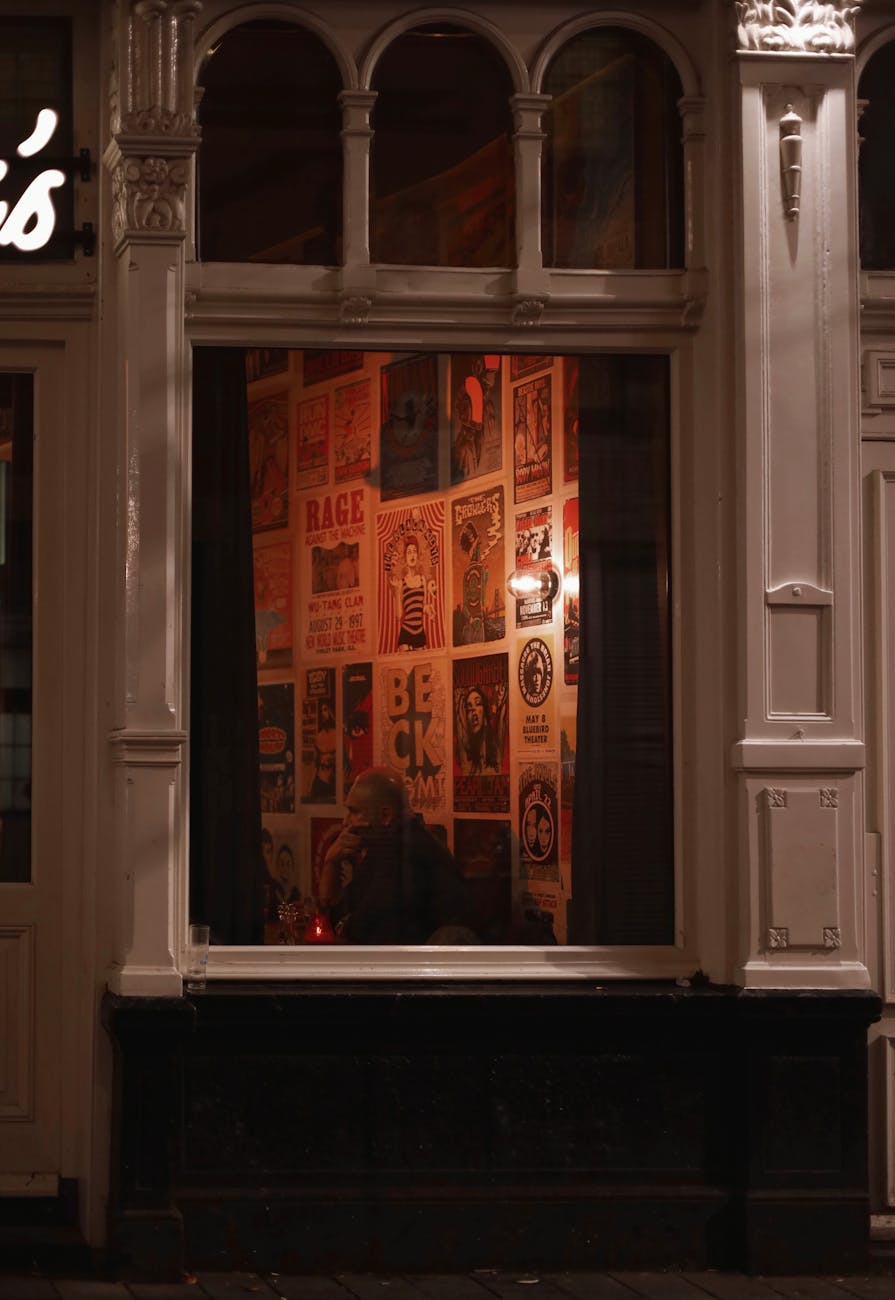
Amsterdam’s drinking culture is rich, diverse, and deeply embedded in the city’s social fabric. From centuries-old jenever tasting houses to a booming craft beer scene, the Dutch capital offers drinking experiences you simply will not find elsewhere.
Brown Cafes (Bruin Cafés)
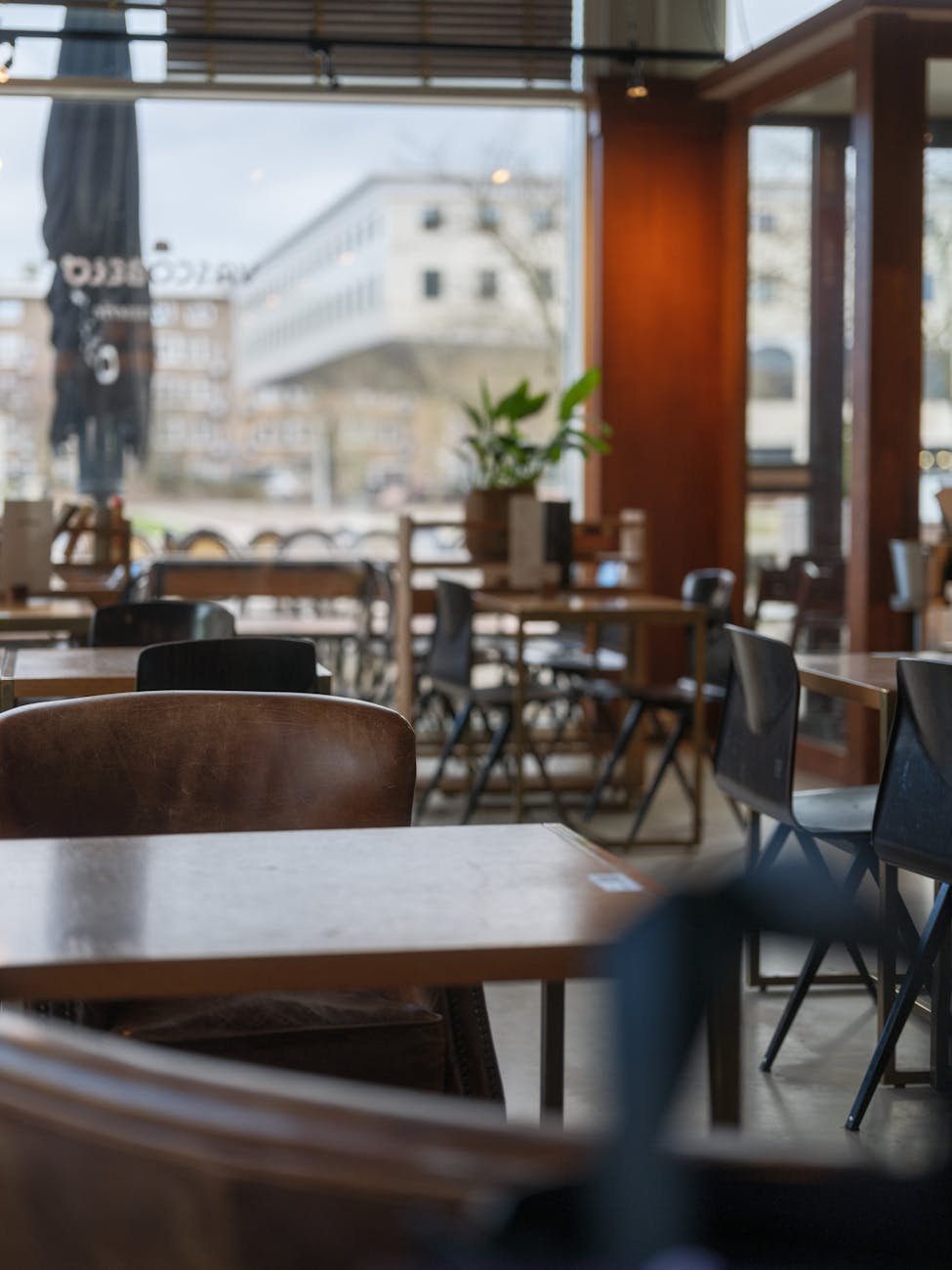
Brown cafes are to Amsterdam what pubs are to London: the living rooms of the city. Named for their dark wood paneling and walls stained amber by centuries of tobacco smoke (smoking is now banned indoors, but the patina remains), these cozy bars are the heart of Amsterdam’s gezelligheid — the untranslatable Dutch concept of warm, convivial togetherness. A brown cafe visit is not just about what you drink; it is about settling into a candlelit corner, nursing a beer, and feeling the centuries of social history in the room around you.
Cafe ‘t Smalle on Egelantiersgracht in the Jordaan dates back to 1786 and has one of the most picturesque canal-side terraces in the city. Cafe Papeneiland, operating since 1642, is one of Amsterdam’s oldest bars and also serves excellent apple pie. In the Centrum, Cafe Hoppe on Spui has been a gathering spot for journalists and intellectuals since 1670 and gets gloriously busy on summer evenings when the crowd spills onto the square. De Twee Zwaantjes in the Jordaan is famous for its weekend accordion-fueled Dutch folk singing sessions, which are gloriously fun to witness even if you do not speak a word of Dutch. A beer in a brown cafe typically costs €3.50-5.50, and many serve bitterballen and other snacks.
Jenever: The Original Dutch Spirit
Jenever (also spelled genever) is the juniper-flavored spirit that predates and inspired gin. During the Dutch Golden Age, the Netherlands was Europe’s center of spirit production, and jenever was the national drink. Today, dedicated tasting houses called proeflokalen preserve this tradition and offer the most atmospheric way to experience it. When served in the traditional overfull tulip-shaped glass, etiquette dictates that you bend down to the bar and take the first sip without lifting the glass — this prevents spilling and is known as a kopstoot (headbutt) when chased with a beer.
Wynand Fockink, tucked behind Dam Square and operating since 1679, is Amsterdam’s most famous proeflokaal. Their tasting room is tiny, atmospheric, and stocked with dozens of house-made jenevers and liqueurs with evocative names. De Drie Fleschjes on Gravenstraat, the city’s oldest tasting room (established 1650), is another must-visit with its original wooden interior. De Admiraal on the Herengracht offers a more spacious setting and serves the full range of products from the Van Wees distillery. For a contemporary approach, the House of Bols near Museumplein offers interactive cocktail experiences. A glass of jenever in a proeflokaal costs around €4-7.
Craft Beer
Amsterdam’s craft beer scene has matured into one of Europe’s best. Brouwerij ‘t IJ, located beneath the iconic De Gooyer windmill in the eastern part of the city, is Amsterdam’s most famous independent brewery and an essential visit. Their outdoor terrace is one of the best spots in the city for an afternoon beer, serving flagship brews like the Zatte tripel and Natte dubbel. Brouwerij Troost has multiple locations including a beautiful setting in the Westerpark and brews excellent IPAs and stouts. Oedipus Brewing in Amsterdam-Noord is a quirky, creative brewery with an excellent taproom.
For the widest selection, In de Wildeman (a former jenever distillery dating to 1690) on Kolksteeg offers 18 beers on draft and over 250 by the bottle, focusing on Dutch and European craft beers. Proeflokaal Arendsnest on Herengracht is unique in stocking exclusively Dutch beers, with over 50 on tap and knowledgeable staff who can guide you through the selection. BeerTemple on Nieuwezijds Voorburgwal specializes in American craft beer if you want a change of pace. A craft beer in Amsterdam typically costs €5-8 depending on the venue and style.
Wine, Cocktails, and Other Drinks
Although the Netherlands is not a wine-producing country, Amsterdam has an excellent natural wine scene. Bars like Glou Glou on the Tweede Bloemdwarsstraat and Bar Centraal on the Overtoom are popular natural wine destinations. For cocktails, Amsterdam’s scene has grown rapidly, with bars like Door 74 (a hidden speakeasy requiring a phone call for entry), Tales and Spirits on Lijnbaansteeg, and Flying Dutchmen Cocktails near Centraal Station leading the way. If you prefer non-alcoholic drinks, the Dutch fondness for coffee means excellent specialty coffee shops abound — Scandinavian Embassy, Lot Sixty One, and Coffee Bru are standout options. Dutch coffee culture is serious, and an average specialty coffee costs around €3.50-5.
Fine Dining and Michelin Stars in Amsterdam
Amsterdam boasts over 20 Michelin-starred restaurants, making it one of Europe’s stronger fine dining destinations. The city’s top-end restaurants tend to blend classical French technique with Dutch ingredients and international influences, and many are surprisingly approachable in both atmosphere and pricing compared to other European capitals.
At the two-Michelin-star level, Restaurant 212 on Amstel showcases the boundary-pushing creativity of chefs Richard van Oostenbrugge and Thomas Groot. Spectrum at the Waldorf Astoria, also with two stars, offers a grand, luxurious dining experience on the Herengracht. For one-star experiences that feel less formal, Daalder in the Jordaan offers modern European cuisine in a relaxed neighborhood setting, and De Juwelier provides bistro-style Franco-Dutch cooking with an emphasis on seafood.
If you want Michelin-quality cooking without the full price tag, book lunch instead of dinner — many starred restaurants offer more affordable fixed-price lunch menus starting around €45-75. Restaurants like Rijks (the dining room of the Rijksmuseum) and Choux in De Pijp offer excellent fine dining at more accessible price points. Reservations are essential at nearly all fine dining restaurants, and many use the Formitable platform for bookings. Plan to book at least two to four weeks ahead for popular establishments.
Best Neighborhoods for Eating in Amsterdam
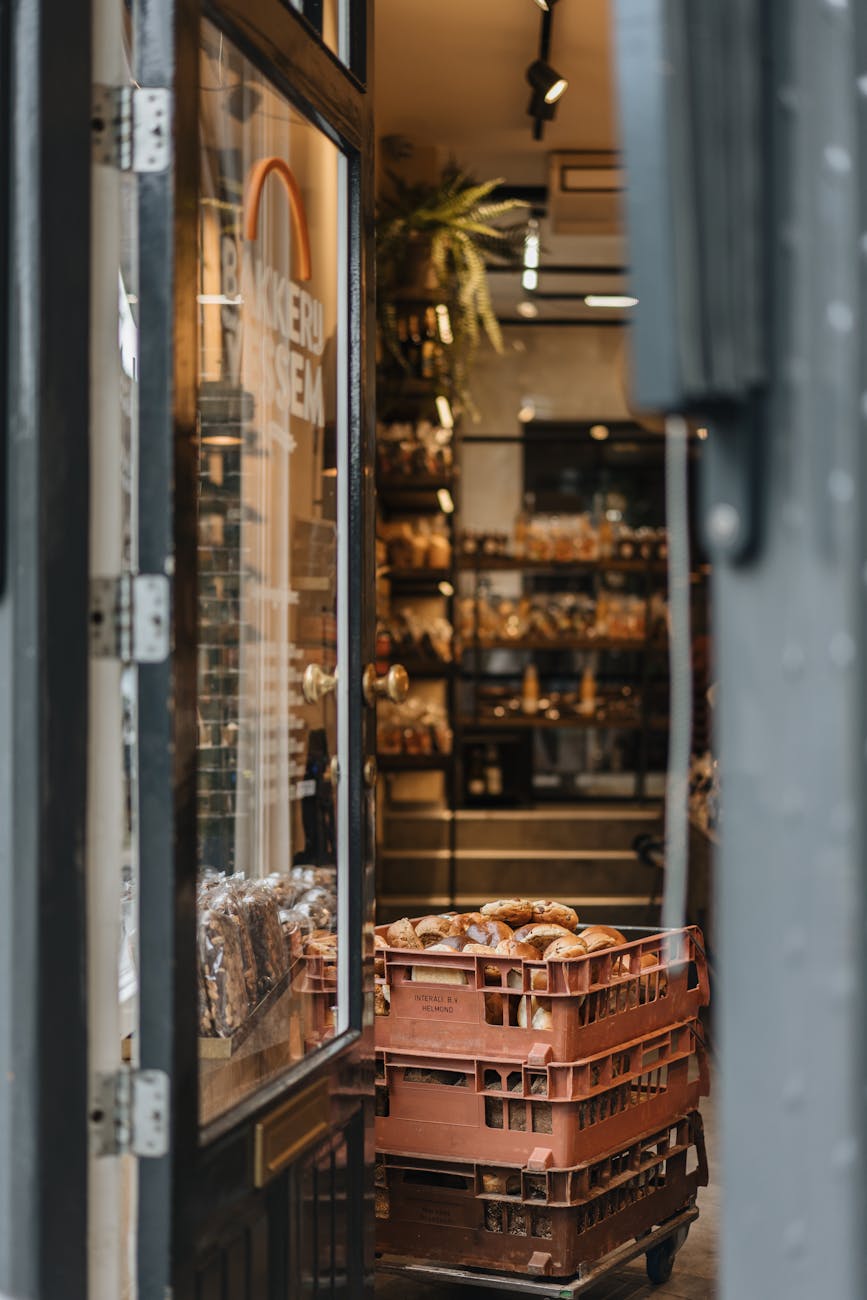
Where you choose to eat in Amsterdam matters almost as much as what you eat. Each neighborhood has its own culinary character, and knowing where to go for what saves time and leads to better meals.
De Pijp is Amsterdam’s undisputed food neighborhood. The Albert Cuyp Market is its anchor, but the surrounding streets are packed with restaurants spanning virtually every cuisine. The Gerard Doustraat and the surrounding streets offer an exceptional density of quality restaurants, from Surinamese roti shops to modern European bistros. This is where locals go when they want to eat well without spending a fortune.
Jordaan is the neighborhood for brown cafes, traditional Dutch food, and charming canal-side dining. Winkel 43, Cafe ‘t Smalle, and Restaurant Moeders are all here. The Saturday Noordermarkt farmers’ market makes it a great food destination on weekends. For a deeper look at this neighborhood and others, see our Amsterdam neighborhood guide.
Oud-West is home to the Foodhallen and the Ten Katemarkt, and has become one of Amsterdam’s most exciting restaurant neighborhoods in recent years. The Overtoom and Kinkerstraat are lined with diverse, high-quality restaurants at reasonable prices.
Amsterdam-Oost offers the city’s most diverse and affordable eating. The Javastraat is a treasure trove of Surinamese, Turkish, Moroccan, and Middle Eastern food. The Dappermarkt provides excellent market-stall dining. This is not a tourist area, and that is part of its charm.
De 9 Straatjes (Nine Streets) in the canal belt offers upscale cafes, specialty food shops, and charming restaurants in a picturesque setting. Prices are higher than De Pijp or Oost, but the quality is consistently strong.
Practical Tips for Eating and Drinking in Amsterdam
Reservations
Reservations are strongly recommended for dinner at any popular restaurant in Amsterdam, especially on Friday and Saturday nights. Many restaurants use the Formitable or The Fork platforms for online booking. For Michelin-starred and high-demand restaurants, book at least two to four weeks ahead. Lunch is usually easier to walk in, and brown cafes and market stalls never require reservations.
Tipping
Tipping in Amsterdam is not as expected as in the United States, but it is appreciated. Service charge is included in menu prices by law, so tipping is discretionary. Rounding up the bill or leaving 5-10% for good service is standard. For exceptional fine dining experiences, 10-15% is generous and will be well received. At cafes and bars, rounding up to the nearest euro or leaving small change is sufficient.
Dining Times
The Dutch eat early by southern European standards. Lunch runs from roughly 12:00 to 14:00, and dinner service typically starts at 17:30-18:00, with most kitchens closing by 21:30-22:00. If you want to eat after 22:00, your options narrow considerably — Indonesian restaurants, Surinamese tokos, and some bars with kitchen service are your best bets for late-night eating. On Sundays, many restaurants are closed or open only for dinner, so plan ahead.
Budget Tips
Amsterdam is not a cheap city to eat in, but it is possible to eat very well on a moderate budget. Markets are your best friend for affordable meals: a lunch from market stalls at Albert Cuyp or Dappermarkt can cost as little as €5-10. Surinamese tokos and Indonesian takeaway spots offer substantial meals for €8-15. Many restaurants offer a dagschotel (daily special) at reduced prices, and lunch menus at fine dining restaurants are often significantly cheaper than dinner. Tap water is perfectly drinkable and free (you may need to specifically ask for kraanwater, as many restaurants will bring bottled water by default). Supermarkets like Albert Heijn have extensive fresh food sections and prepared meals for a quick, cheap meal.
Dietary Requirements
Amsterdam is one of Europe’s most vegetarian and vegan-friendly cities. Restaurants like De Bolhoed, Mr. & Mrs. Watson (vegan cheese specialists), and Meatless District cater specifically to plant-based diets, and most mainstream restaurants offer good vegetarian options. Gluten-free options are widely available and usually clearly marked on menus. For halal food, Amsterdam-Oost and the Dappermarkt area have the most options. The Dutch are generally accommodating of dietary requirements, and it is common and perfectly acceptable to ask about ingredients and modifications.
Frequently Asked Questions About Food in Amsterdam
What is the most famous food in Amsterdam?
Stroopwafels are Amsterdam’s most globally recognized food — thin caramel-filled waffle cookies that are best enjoyed fresh from a market stall. But within the Netherlands, bitterballen (deep-fried beef ragout balls served in every bar) and raw herring are equally iconic. For a sit-down meal, the Indonesian rijsttafel (rice table) is uniquely associated with Amsterdam and is something you cannot easily find at this quality level outside the Netherlands.
How much should I budget for food per day in Amsterdam?
A reasonable daily food budget in Amsterdam is €40-60 per person for casual dining and market food. This covers a cafe breakfast or bakery pastry (€5-10), a market lunch (€8-12), and a mid-range dinner (€20-35). If you want to include a fine dining experience, budget €75-150 per person for that meal. Drinks add €10-20 per day depending on your habits. You can eat well for less if you take advantage of markets, supermarkets, and takeaway spots.
Is the tap water safe to drink in Amsterdam?
Yes. Amsterdam’s tap water is excellent quality and perfectly safe to drink. At restaurants, ask for kraanwater (tap water) to avoid being charged €3-5 for a bottle. Some restaurants will bring bottled water by default if you simply ask for water, so be specific.
Where is the best area to eat in Amsterdam?
De Pijp offers the greatest density and diversity of dining options at the best value, anchored by the Albert Cuyp Market. The Jordaan is best for traditional Dutch food and brown cafe culture. Oud-West (around Foodhallen) is excellent for trendy, contemporary dining. Amsterdam-Oost offers the most diverse and affordable eating in the city. The Nine Streets and the Centrum are beautiful but tend to be pricier with more tourist-oriented options.
Do I need to tip in Amsterdam restaurants?
Tipping is not mandatory in Amsterdam since service charge is included in all menu prices by Dutch law. However, it is customary to round up the bill or leave 5-10% for good service at restaurants. At cafes and bars, rounding to the nearest euro is standard. For fine dining, 10-15% is a generous and appreciated gesture.