Amsterdam is one of those rare cities that manages to be everything at once: a living museum of Golden Age architecture, a cycling paradise threaded with tree-lined canals, a culinary crossroads where Dutch comfort food meets Indonesian spice, and a nightlife capital that keeps going until dawn. Whether you have two days or two weeks, the sheer density of things to do in Amsterdam means you will never run out of reasons to explore.
This is the complete guide to every worthwhile experience in Amsterdam. We have spent hundreds of hours researching, visiting, and verifying every attraction, museum, neighborhood, market, and hidden gem on this list so you can plan your trip with confidence. From world-famous museums to free ferry rides across the IJ, from Michelin-worthy dining to a stroopwafel eaten warm at a street market, this guide covers more ground than any other resource online.
World-Class Museums and Cultural Institutions
Amsterdam is home to one of the densest concentrations of museums on earth. The Museumplein district alone places the Rijksmuseum, Van Gogh Museum, Stedelijk Museum, and Moco Museum within a few hundred meters of each other. But the city’s cultural institutions extend far beyond that famous square, reaching into converted canal houses, former churches, and even a hidden attic where Catholic mass was secretly celebrated for over two centuries.
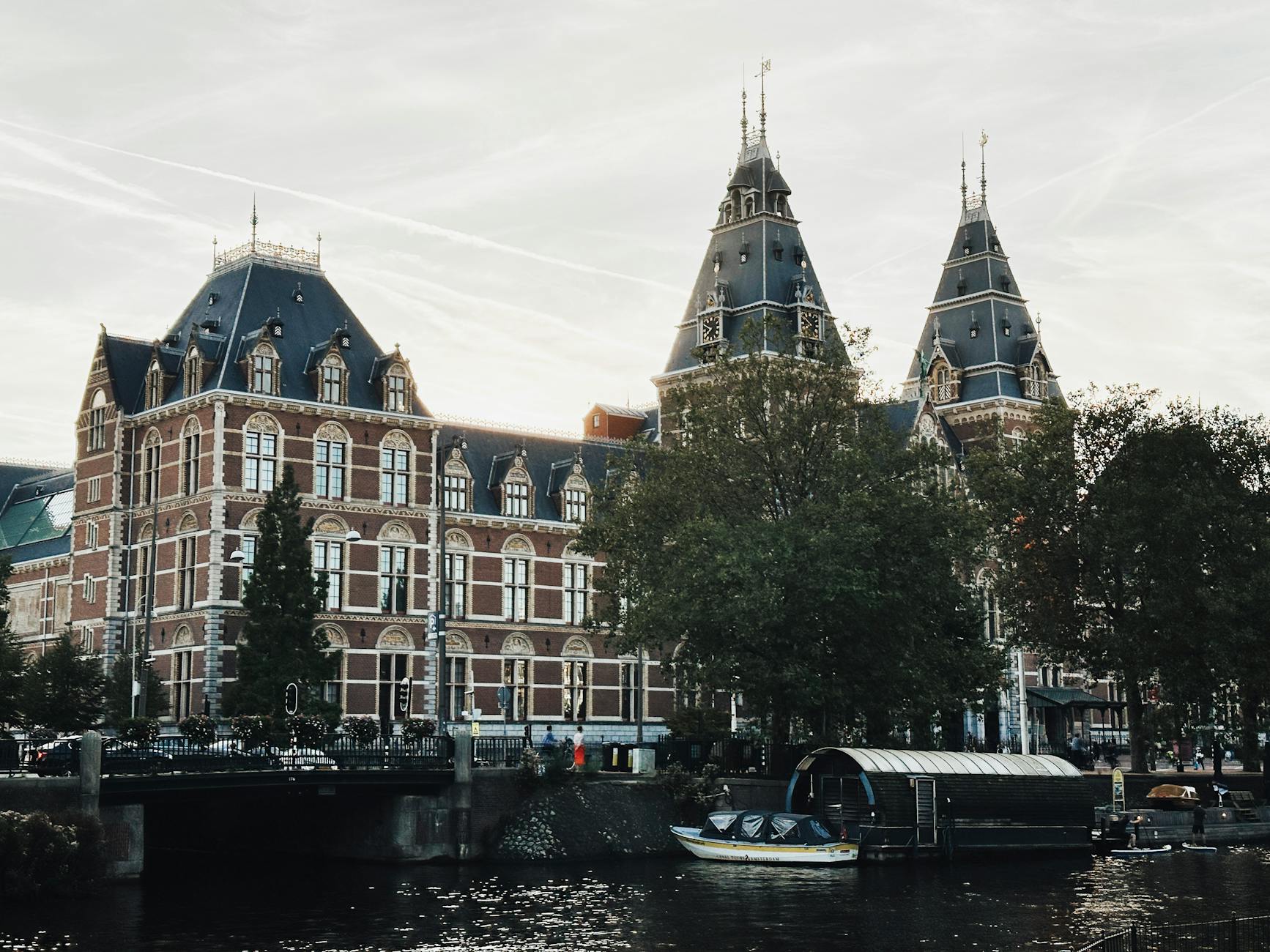
Rijksmuseum
The Rijksmuseum is the crown jewel of Amsterdam’s cultural scene and one of the most important art museums in the world. Housed in a magnificent Gothic and Renaissance-style building designed by Pierre Cuypers, it holds over 8,000 objects spanning 800 years of Dutch art and history. The undisputed star is Rembrandt’s The Night Watch, a massive 1642 masterpiece that commands an entire gallery. But the museum holds four Vermeer paintings in the Gallery of Honor, including The Milkmaid, alongside works by Frans Hals, Jan Steen, and other Dutch Golden Age masters.
The museum is open daily from 10:00 AM to 6:00 PM and requires timed-entry tickets booked online in advance. Plan at least two hours for the highlights, or three to four hours if you want to explore the Asian art pavilion, the Delftware collection, and the 17th-century dollhouses. A useful tip: the museum gardens are free to enter from 9:00 AM to 5:00 PM and feature sculptures, historical installations, and beautifully maintained flowerbeds designed by Cuypers himself in 1901.
Van Gogh Museum
Just across Museumplein from the Rijksmuseum, the Van Gogh Museum houses the largest collection of Vincent van Gogh’s work anywhere in the world: over 200 paintings, 500 drawings, and 750 letters tracing the artist’s turbulent life from his early Dutch period through his final days in Auvers-sur-Oise. The collection includes iconic works like Sunflowers, Almond Blossom, The Bedroom, and The Potato Eaters, displayed alongside contemporary works by Monet, Gauguin, and Millet that influenced Van Gogh’s style.
Tickets cost around 25 euros per person and are free for visitors under 18. Book online well in advance because timed-entry slots frequently sell out, especially during spring and summer. The peak busy period is between 11:00 AM and 3:00 PM, so aim for early morning or late afternoon for a quieter experience. Audio guides are available in multiple languages and are well worth using for the context they add to each painting’s story.
Anne Frank House
The Anne Frank House is among the most visited and emotionally powerful museums in Europe. Located on the Prinsengracht canal, this is the actual building where Anne Frank and seven other Jewish people hid from Nazi persecution for over two years during World War II. Visitors walk through the Secret Annex concealed behind the famous revolving bookcase, seeing the rooms where Anne wrote her diary, the original pages and notebooks on display, and the cramped conditions that eight people endured in silence during daylight hours.
Booking requires planning: tickets are released online every Tuesday at 10:00 AM Amsterdam time for entry dates six weeks later, and they sell out within minutes. There are no tickets available at the door. Entry includes a free audio guide available in nine languages, and the visit typically takes 60 to 75 minutes. Be aware that the annex involves multiple steep, narrow staircases with limited accessibility. Only bags smaller than A4 paper size are allowed inside, though there is a free cloakroom for larger items.
More Museums Worth Your Time
The Stedelijk Museum is Amsterdam’s premier modern and contemporary art museum, with a collection spanning post-impressionism through De Stijl, CoBrA, and pop art. The Moco Museum, housed in the 1904 Villa Alsberg on Museumplein, showcases Banksy, Warhol, Haring, and Kusama in a more intimate setting. The Rembrandt House Museum is the actual residence where Rembrandt lived and painted from 1639 to 1658, displaying 250 of his etchings. Over in Amsterdam Noord, the EYE Film Museum is a striking piece of architecture on the IJ waterfront that houses 40,000 films and rotating exhibitions (reach it via the free ferry from Centraal Station). And the NEMO Science Museum, designed by Renzo Piano to resemble a ship, is perfect for families. Its rooftop terrace offers free panoramic views of the city even without a museum ticket.
For something truly unique, visit Ons’ Lieve Heer op Solder (Our Lord in the Attic), a 17th-century canal house concealing a complete Catholic church in its attic. Built in 1661 when Catholic worship was officially forbidden, it is a remarkable testament to Amsterdam’s complicated history of tolerance. Micropia, the world’s first museum entirely dedicated to microbes, sits within the Artis Zoo complex and offers a fascinating two-hour experience.
Canals and Water Experiences

Amsterdam’s 165 canals are not just scenic backdrops. They are a UNESCO World Heritage Site, an engineering marvel from the 17th century, and arguably the best way to experience the city. The concentric canal ring (Grachtengordel) was built during the Dutch Golden Age and includes the Herengracht, Keizersgracht, and Prinsengracht, lined with over 1,500 monumental buildings.
Canal Cruises
A canal cruise is the single most popular tourist activity in Amsterdam, and for good reason. From the water, you see the city the way its builders intended: the ornate gables of merchant houses, the leaning facades that were deliberately tilted forward so goods could be hoisted without hitting the building, and the 1,281 bridges that connect the city’s islands. Standard one-hour cruises with audio commentary cost between 15 and 20 euros when booked online. Operators like Lovers, Blue Boat, and Stromma run frequent departures from multiple locations.
For something more special, consider a dinner cruise with a multi-course meal as you glide past illuminated bridges, a cheese and wine tasting cruise, or a hop-on hop-off canal bus that serves as both transport and sightseeing (24-hour passes available). Small open boat tours with local guides offer a more intimate perspective, especially in good weather when the captain can navigate narrower waterways.
Self-Drive and Pedal Boats
If you want to captain your own vessel, electric rental boats are available from around 50 euros per hour (typically two-hour minimum). No license is required, they are easy to operate, and you can bring your own food and drinks aboard. Pedal boats are another option for smaller groups. Several rental companies operate from the Westerpark area and central canal locations, giving you the freedom to explore at your own pace and discover quiet stretches of canal that the big tour boats skip entirely.
Amsterdam’s Best Neighborhoods to Explore

One of the best things about Amsterdam is that each neighborhood has its own distinct personality, and many of the city’s most memorable experiences happen not inside attractions but simply by wandering the streets. Here are the neighborhoods that deserve your time.
Jordaan
Originally built in the 17th century as a working-class district, the Jordaan has evolved into one of Amsterdam’s most charming and photographed neighborhoods. Its narrow streets and romantic canals are lined with independent galleries, vintage shops, cozy brown cafes (the Dutch equivalent of a local pub), and some of the city’s best restaurants. The Nine Streets (De Negen Straatjes), a grid of nine small streets connecting the main canals, are packed with one-of-a-kind boutiques and delicatessens. Every Monday morning, the Noordermarkt hosts Amsterdam’s oldest organic market and a treasure trove of antiques.
De Pijp
De Pijp is Amsterdam’s most multicultural and energetic neighborhood, centered around the Albert Cuyp Market, the largest outdoor market in the Netherlands with over 260 vendors. The vibe is bohemian and youthful, with trendy brunch spots, Surinamese roti shops, Turkish bakeries, and Dutch cheese stalls competing for your attention. It is the neighborhood where locals actually eat, making it an essential stop for anyone interested in Amsterdam’s food culture.
Amsterdam Noord
Across the IJ river from Centraal Station (take the free 24-hour ferry), Amsterdam Noord has transformed from an industrial shipyard area into the city’s most exciting creative district. The NDSM Wharf is a former shipbuilding yard now home to street art, festivals, and creative studios. The A’DAM Lookout tower offers panoramic views and Europe’s highest swing. The EYE Film Museum is here too, along with a growing collection of restaurants and bars that feel refreshingly different from the tourist center.
More Neighborhoods Worth Visiting
The Canal Ring (Grachtengordel) is the historic heart of Amsterdam and a UNESCO World Heritage Site, lined with Golden Age merchant houses. Oud-West is a trendy local neighborhood centered around the Foodhallen (a covered food market in a former tram depot). The Museum Quarter (Oud-Zuid) surrounds Museumplein and includes the upscale P.C. Hooftstraat shopping street. And Amsterdam Centrum, while the most tourist-heavy area, still holds gems like the Begijnhof courtyard and the medieval Oude Kerk.
Parks and Outdoor Spaces
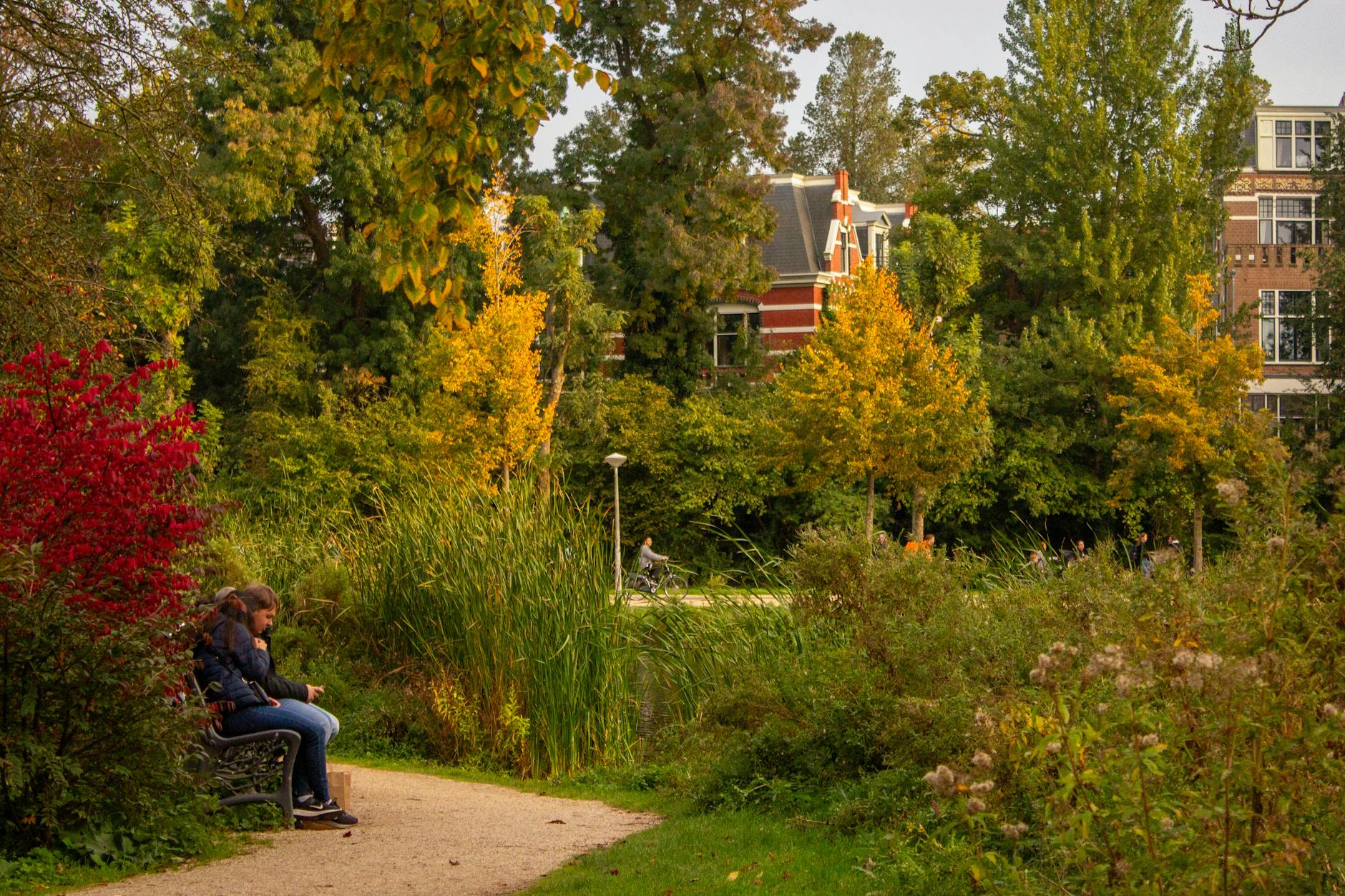
Vondelpark
Vondelpark is Amsterdam’s green heart: a 47-hectare park that attracts over 10 million visitors per year. It is open 24 hours a day, completely free, and packed with things to do. The two-mile paved outer path is popular with runners, cyclists, and rollerbladers. There are six play areas for children, including one large adventure playground and a shallow paddling pool. The rose garden contains over 70 varieties and is spectacular in late spring. From May through September, the Vondelpark Open Air Theatre hosts free concerts ranging from classical to pop, plus children’s performances.
For a hidden gem within the park, look for the Vondelbunker, a former 1947 fallout shelter beneath a bridge that was converted into a counterculture venue in the 1960s and still hosts gigs, film nights, and poetry events. The park has several restaurants and cafes, including the iconic Blauwe Theehuis (Blue Teahouse), a flying-saucer-shaped building from 1937.
More Green Spaces
Hortus Botanicus is one of the world’s oldest botanical gardens, founded in 1638 as an herb garden for doctors and apothecaries. Today it houses over 6,000 plant species across multiple climate-controlled greenhouses, including a butterfly house. Just next door, Artis Zoo (Natura Artis Magistra) is the oldest zoo in the Netherlands, home to over 750 species and beautifully integrated into the historic Plantage district. The Amsterdamse Bos (Amsterdam Forest) is three times the size of Central Park and offers canoe rentals, cycling paths, and a goat farm that is perfect for families.
Markets and Shopping
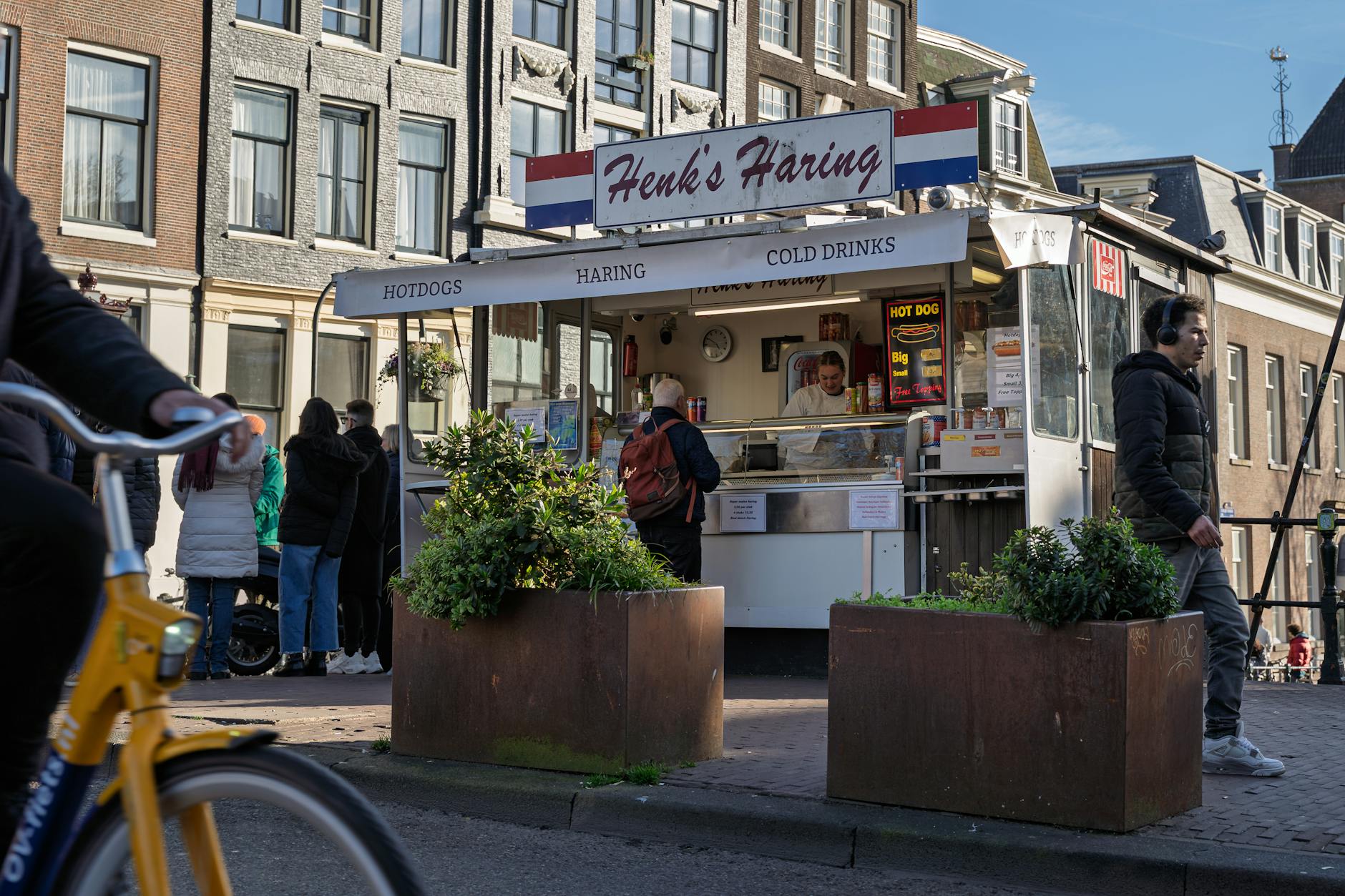
Albert Cuyp Market
The Albert Cuyp Market has been running since 1905 and is the largest outdoor street market in the Netherlands, with around 260 stalls stretching along the Albert Cuypstraat in De Pijp. This is where locals and tourists mix over raw herring, freshly pressed stroopwafels, Dutch cheese, exotic spices, vintage clothing, flowers, and just about everything else. It operates Monday through Saturday and is best visited in the morning before the biggest crowds arrive.
Bloemenmarkt (Floating Flower Market)
The Bloemenmarkt on the Singel canal is the only floating flower market in the world. Operating since 1862, its vendors sell from houseboats moored along the canal, offering tulip bulbs (Amsterdam’s most iconic souvenir), roses, orchids, seeds, and ready-made bouquets. The glass-covered stalls are vibrant with color year-round. If you are planning to bring tulip bulbs home, check your country’s customs regulations first, as some nations have restrictions on importing plant material.
More Markets Worth Visiting
The Waterlooplein Flea Market is Amsterdam’s oldest market (130 years), with around 300 stalls selling vintage cameras, used books, jewelry, and fashion. Vendors are open to haggling. The Noordermarkt in the Jordaan hosts a Monday morning antique and organic produce market that is beloved by locals. And the IJ-Hallen at the NDSM Wharf in Amsterdam Noord is Europe’s largest flea market, held monthly in a massive former shipbuilding warehouse.
Food and Drink Experiences
Amsterdam’s food scene has exploded in the past decade. The city now holds multiple Michelin stars and has embraced its colonial culinary heritage alongside a thriving street food and craft beer culture. Eating well is one of the best things you can do in Amsterdam.
Dutch Food You Must Try
Start with raw herring (haring), eaten from street carts with chopped onion and pickles. It sounds intimidating but tastes clean and briny. Stroopwafels are thin waffle cookies sandwiching caramel syrup, best eaten warm from a street vendor. Bitterballen are crispy fried meatballs served with mustard at every bar. Poffertjes are mini fluffy pancakes dusted with powdered sugar. Kibbeling is crispy battered cod served with remoulade sauce. And Dutch cheese (kaas) ranges from young and creamy (jong) to aged and crystalline (oud), available for tasting at cheese shops throughout the city.
Indonesian Rijsttafel
Amsterdam’s most distinctive dining experience is the rijsttafel (rice table), a legacy of Dutch colonial history in Indonesia. A rijsttafel consists of 12 to 30 small dishes served simultaneously alongside rice: satay, rendang, gado-gado, sambal, fried tempeh, and dozens more. It is a feast meant for sharing and is available at Indonesian restaurants across the city. This is a food experience you genuinely cannot replicate anywhere else in Europe at this scale.
Craft Beer and Brewery Culture
Amsterdam has a thriving craft beer scene anchored by Brouwerij ‘t IJ, a brewery operating in a former bathhouse beneath an iconic windmill in Amsterdam-Oost (founded in 1985 by musician Kasper Peterson). Beyond the famous Heineken Experience (which is more marketing spectacle than brewery tour), seek out independent breweries like Troost, Oedipus, and the tasting rooms scattered through the city. Guided brewery tours from operators like Brews and Tales combine history, architecture, and serious beer knowledge.
Unique and Offbeat Experiences
A’DAM Lookout and Europe’s Highest Swing
The A’DAM Lookout tower in Amsterdam Noord offers 360-degree panoramic views of the city, but the real draw is the Over the Edge swing: a two-person swing that launches you over the edge of the building, more than 95 meters above the ground, with nothing between you and the Amsterdam skyline. It is genuinely thrilling and makes for unforgettable photos. The tower also has observation decks (indoor and outdoor), free telescopes, a restaurant, and a bar. Look for the “Rock The City” combo ticket that bundles the Lookout with the Heineken Experience and a canal cruise for around 25 euros.
Begijnhof Courtyard
Hidden behind an unassuming doorway off the Spui square lies the Begijnhof, a 14th-century enclosed courtyard originally built as an almshouse for religious women (Beguines). The peaceful gardens are surrounded by some of Amsterdam’s oldest houses, including a wooden-fronted house from 1528 that is one of only two surviving medieval wooden buildings in the city. The courtyard contains two churches: the 15th-century Engelse Kerk (English Church) and a hidden Catholic chapel that was used for secret worship after the Reformation.
More Unique Things to Do
Take the Johan Cruyff Arena tour for a 75-minute self-guided audio tour through Ajax’s legendary stadium, including the dressing rooms, players’ tunnel, and pitchside. Visit Body Worlds Amsterdam for a sobering and fascinating exhibition of real human anatomy. The Heineken Experience is a polished interactive tour through the original brewery building. And for something completely different, the Amsterdam Cheese Museum (free entry) on the Prinsengracht offers tastings of dozens of Dutch cheeses.
Cycling: Amsterdam’s Defining Experience
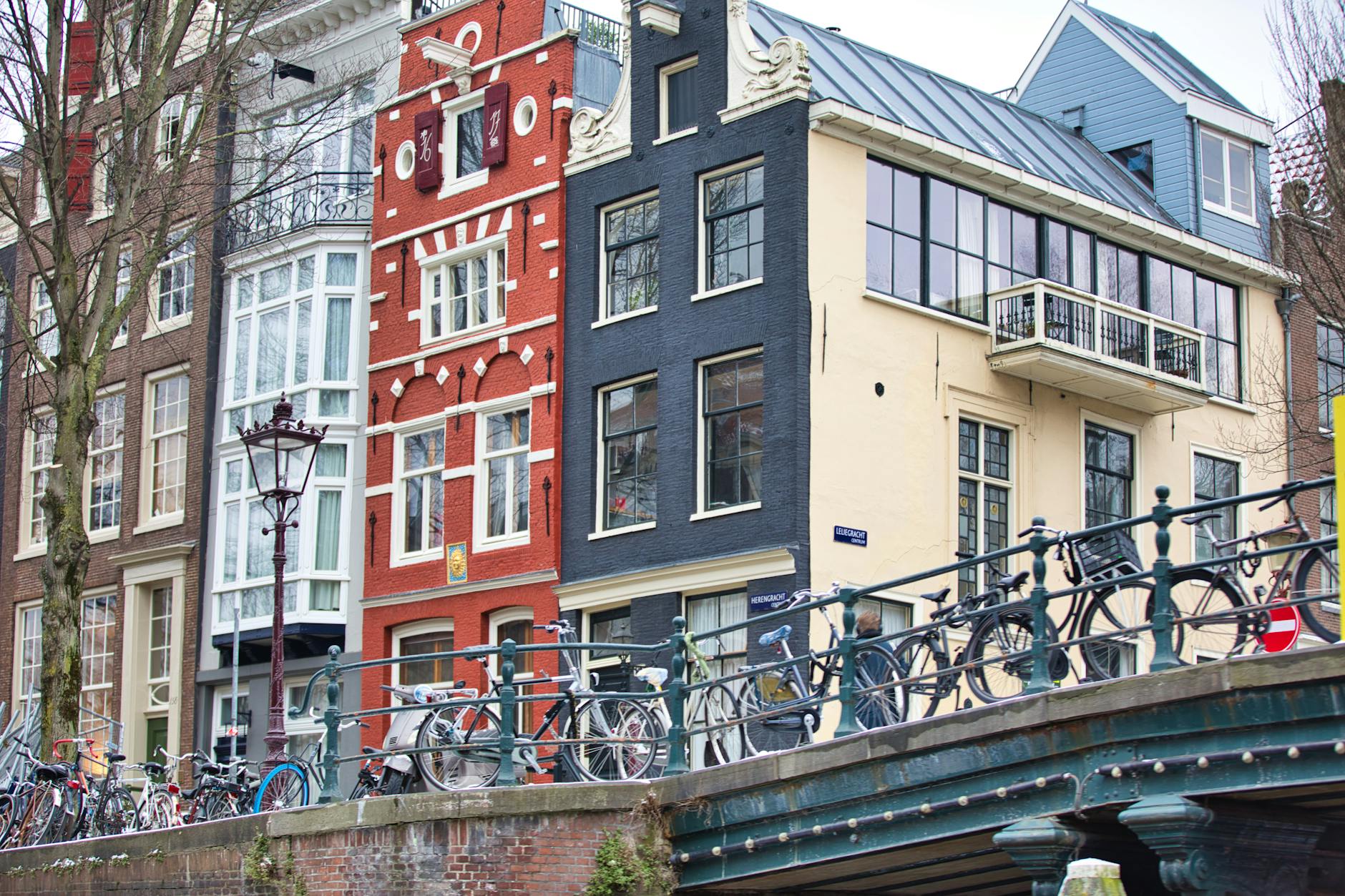
Amsterdam has more bicycles than people (over 880,000 bikes for 870,000 residents), and cycling is woven into the fabric of daily life in a way that no other major city can match. Dedicated bike lanes run along virtually every street, traffic lights have separate signals for cyclists, and there are multi-story bicycle parking garages beneath Centraal Station that hold 7,000 bikes.
Renting a bike is one of the most rewarding things to do in Amsterdam. Companies like MacBike, Yellow Bike, and Donkey Republic offer rentals from around 10 to 15 euros per day. Many operators offer guided cycling tours through the Jordaan, Vondelpark, and along the Amstel river. A few tips for first-time cyclists: always signal your turns, never cycle in the pedestrian lanes (locals will let you know), always lock your bike with the provided lock (theft is common), and stick to the bike lanes painted on the road.
Nightlife and Entertainment
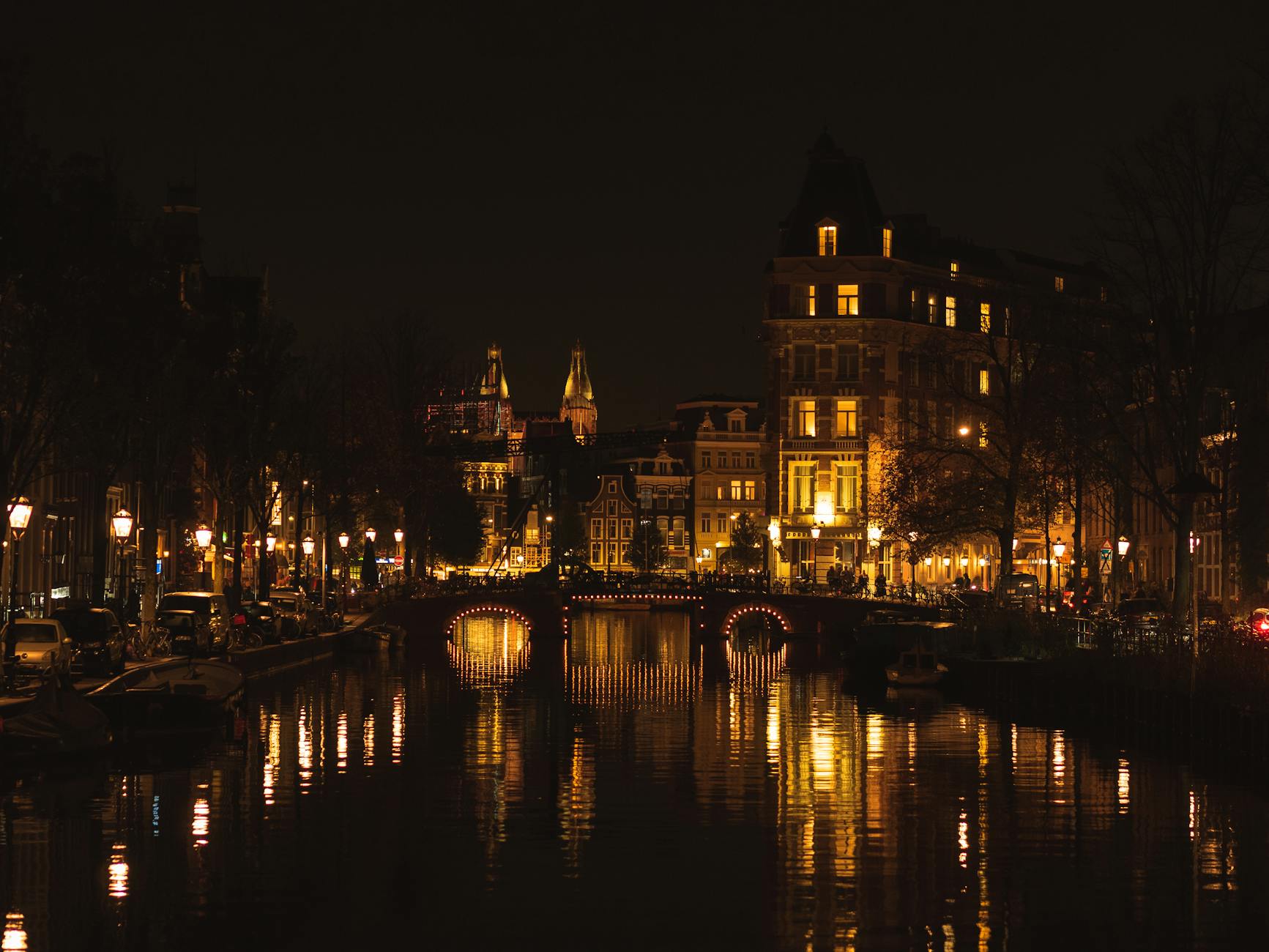
Amsterdam’s nightlife runs deep and stays open late. The city’s two main entertainment hubs are Leidseplein and Rembrandtplein, but the best experiences are often found in the venues scattered between them.
Leidseplein is home to two legendary music venues: Paradiso (a converted church with stained-glass windows and world-class acoustics) and Melkweg (a multi-venue space hosting concerts, DJ nights, film screenings, and comedy). Both stay open until 5:00 AM on weekends and often transition from live concerts to DJ sets. For jazz, Cafe Alto on Korte Leidsedwarsstraat has live performances nightly. Rembrandtplein is the more party-focused square, home to mega-clubs like Escape and Club Air.
For English-language comedy, Boom Chicago has been a 30-year institution performing improv and sketch comedy. The Comedy Cafe on Max Euweplein hosts international acts, and the Comedy Theater on Nes has Friday-night English-language shows. Amsterdam also hosts the annual Amsterdam Comedy Festival in late May at Melkweg.
Free Things to Do in Amsterdam
Amsterdam can be expensive, but some of the best experiences cost nothing at all. The free ferries from behind Centraal Station to Amsterdam Noord run 24 hours a day and offer beautiful views of the IJ waterfront (the 15-minute ride to NDSM Wharf is especially scenic). The Rijksmuseum gardens are free daily from 9:00 AM to 5:00 PM. The Amsterdam City Archives in a former bank vault offers free exhibitions and hourly tours. The NEMO rooftop terrace provides free panoramic views without needing a museum ticket.
Simply walking the city is free and endlessly rewarding. Stroll the Grachtengordel canal ring at golden hour, explore street art at NDSM Wharf, wander the Begijnhof courtyard, people-watch from a bench in Vondelpark, or admire the Skinny Bridge (Magere Brug) over the Amstel at night when it is illuminated with 1,800 lights. Amsterdam is a city that rewards those who walk slowly and look up at the gables.
Seasonal Events and Festivals
Amsterdam transforms with the seasons, and timing your visit around a major event can elevate your trip from great to unforgettable.
Spring (March to May) brings tulip season, with Keukenhof Gardens open from mid-March through mid-May and the Amsterdam Tulip Festival planting thousands of tulips across the city in April. King’s Day on April 27 is the biggest party of the year: the entire city turns orange for street markets, boat parties, and live music. Summer (June to August) means outdoor concerts in Vondelpark, canal-side terraces, and Amsterdam Pride, which culminates in the famous Canal Parade with 80+ decorated boats sailing through the UNESCO canals in early August.
Autumn (September to November) is quieter and more atmospheric. The Amsterdam Dance Event (ADE) in October is the world’s largest electronic music conference and festival, taking over hundreds of venues across the city. Museum Night in early November opens 50+ museums until 2:00 AM with live DJs and special programming. Winter (December to February) brings the Amsterdam Light Festival, an open-air exhibition of illuminated art installations along the canals (late November through mid-January), plus ice skating rinks on Museumplein and Rembrandtplein, and cozy Christmas markets.
Practical Tips for Getting the Most Out of Amsterdam
How Many Days Do You Need?
Two days is enough to see the major museums and take a canal cruise, but three to four days allows you to explore neighborhoods at a relaxed pace, add a day trip, and actually enjoy the food scene. A full week lets you go deep: combine the city with day trips to Keukenhof, Zaanse Schans windmills, or Haarlem, and still have time for cycling, markets, and repeat visits to your favorite neighborhood cafe.
Save Money with the I Amsterdam City Card
The I Amsterdam City Card bundles free entry to 70+ museums and attractions, unlimited public transport (including airport train), a free canal cruise, and bicycle rental discounts. The card pays for itself if you plan to visit three or more paid museums in a day. It is available in 24-hour, 48-hour, 72-hour, 96-hour, and 120-hour versions. Calculate your planned activities before buying, because not all major museums are included (the Anne Frank House, for example, still requires its own ticket).
Beat the Crowds
Amsterdam’s most popular museums get extremely busy between 11:00 AM and 3:00 PM, especially from April through September. Book timed-entry tickets as far in advance as possible, particularly for the Anne Frank House (six weeks out), Van Gogh Museum, and Rijksmuseum. Visit major attractions right at opening or in the late afternoon. Explore neighborhoods like Amsterdam Noord, Oud-West, and Eastern Docklands to escape the tourist density of the Centrum. And consider visiting during shoulder season (March, October, November) when prices are lower and lines shorter.
Getting Around
Amsterdam is compact and walkable: you can cross the entire city center in about 45 minutes on foot. For longer distances, the tram network is excellent (trams 2, 5, and 12 connect Centraal Station to Museumplein). Purchase an OV-chipkaart or use contactless payment on trams, buses, and the metro. But the best way to experience Amsterdam is by bicycle: rent one for the day and you will cover more ground, see more neighborhoods, and feel more like a local than any other mode of transport allows.
Amsterdam for Every Type of Visitor
Families with kids should prioritize NEMO Science Museum (the rooftop is free), Artis Zoo, Vondelpark’s playgrounds and paddling pool, and a canal cruise. Couples will love a sunset canal cruise, dinner in the Jordaan, and an evening stroll along the illuminated bridges. Solo travelers will find Amsterdam welcoming and easy to navigate, with hostels and food tours that make meeting people simple. Art lovers could spend an entire week just in museums. And budget travelers can fill days with free ferries, free parks, free museum gardens, street markets, and some of the best people-watching in Europe.
Frequently Asked Questions About Things to Do in Amsterdam
What are the top 5 must-do activities in Amsterdam?
The five experiences no visitor should miss are: the Rijksmuseum (for Rembrandt and Vermeer), a canal cruise (for the architecture and perspective), the Anne Frank House (for the history), cycling through the Jordaan (for the atmosphere), and eating raw herring from a street cart (for the culinary courage). Together, these give you the full spectrum of what makes Amsterdam unique.
How many days should I spend in Amsterdam?
Three days is the sweet spot for most first-time visitors. This gives you time for the major museums, a canal cruise, neighborhood exploration, and a good meal or two without feeling rushed. Four to five days is ideal if you want to add a day trip to Keukenhof or Zaanse Schans.
What can you do in Amsterdam for free?
Plenty: Vondelpark, free ferries to Amsterdam Noord, Rijksmuseum gardens, NEMO’s rooftop terrace, street art at NDSM Wharf, the Begijnhof courtyard, the Amsterdam City Archives, walking the canal ring at sunset, and browsing the Albert Cuyp Market. Amsterdam rewards those who explore on foot.
Is the I Amsterdam City Card worth it?
Yes, if you plan to visit three or more museums per day and use public transport. The card includes free canal cruise, unlimited transit, and entry to 70+ attractions. Calculate your planned activities first. Note that the Anne Frank House is not included and requires a separate advance booking.
What is the best time of year to visit Amsterdam?
April through May offers the best combination of pleasant weather, tulip season, and King’s Day celebrations. September and October bring smaller crowds, lower prices, and beautiful autumn light along the canals. Summer (June to August) is peak season with the longest days and outdoor festivals but also the biggest crowds and highest prices. Winter is the quietest and cheapest time to visit, with the Amsterdam Light Festival and ice skating as seasonal highlights.