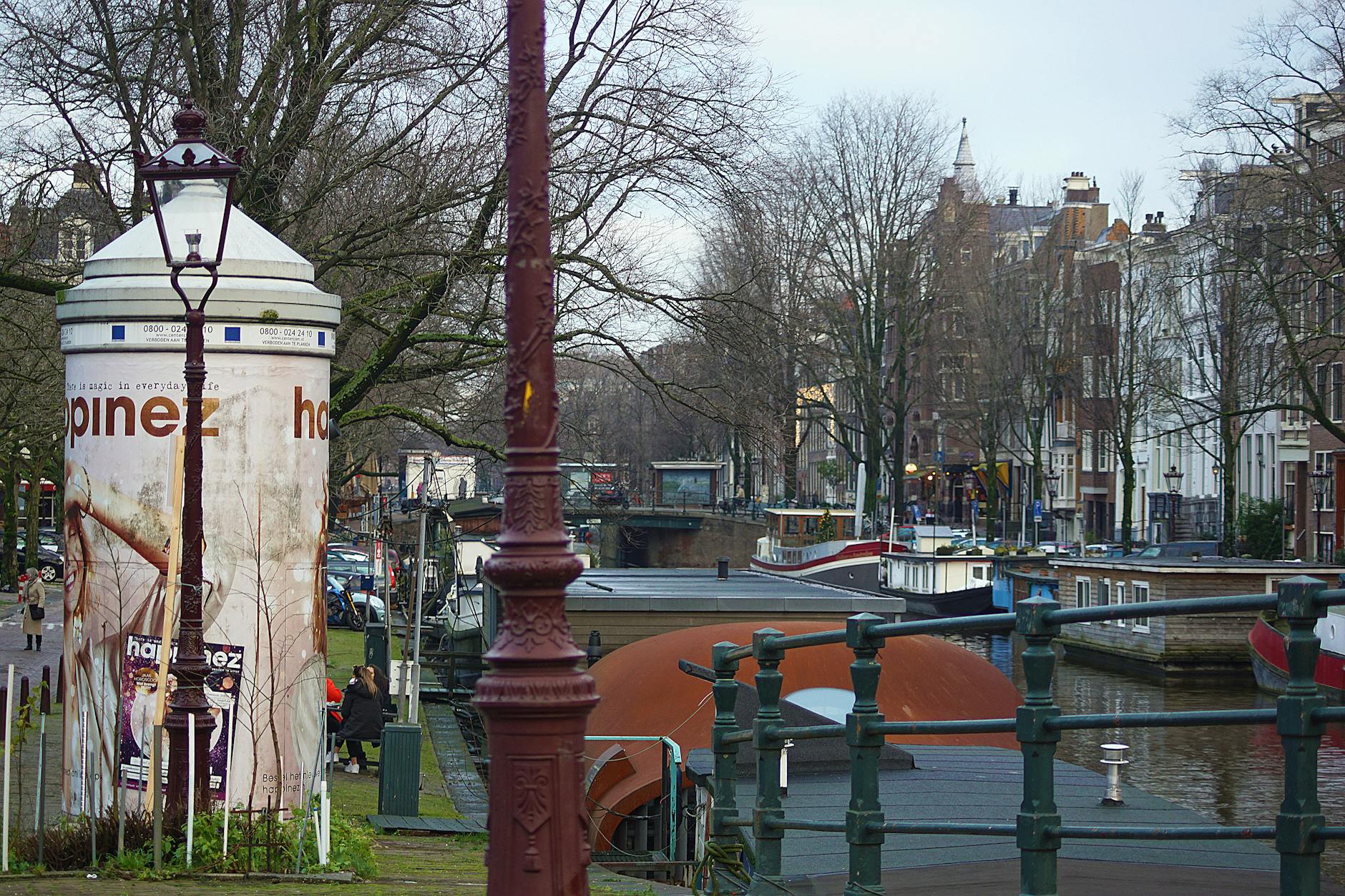
Amsterdam is a city of neighborhoods, each with its own distinct personality, history, and atmosphere. While most visitors concentrate on the historic center around Dam Square, the real magic of Amsterdam lies in its diverse districts — from the bohemian charm of the Jordaan to the creative energy of Amsterdam-Noord, from the multicultural buzz of De Pijp to the leafy elegance of Oud-Zuid. Understanding Amsterdam’s neighborhoods is the key to experiencing the city beyond the tourist trail.
This comprehensive Amsterdam neighborhoods guide covers every major area worth exploring, with honest assessments of what makes each district special, what to see and do, where to eat and drink, and which neighborhood best suits your travel style. If you are deciding where to stay in Amsterdam or planning which areas to explore during your visit, this guide will help you find the neighborhoods that match your interests.
Short answer: First-time visitors should base themselves in the Canal Ring (Grachtengordel) or the Jordaan for walkable charm, then spend time in De Pijp for food and markets and cross the IJ to Amsterdam-Noord for art and river views. Each district has a clear character, and choosing the right one shapes your whole trip.
Amsterdam neighborhoods at a glance
Use this quick comparison to match a district to your trip. Prices and opening details change, so treat figures as ballpark and check current information before you go. For a deeper breakdown by traveller type, see our guide to the best neighborhoods for first-time visitors.
| Neighborhood | Best for | Vibe | Stay or visit? |
|---|---|---|---|
| Canal Ring (Grachtengordel) | First-timers, romance, walking | Elegant, historic, central | Stay & visit |
| Jordaan | Cafés, boutiques, slow mornings | Charming, villagey, quiet at night | Stay & visit |
| De Pijp | Food, markets, nightlife | Young, multicultural, lively | Stay & visit |
| Oud-Zuid / Museum Quarter | Museums, families, calm | Leafy, upscale, polished | Stay & visit |
| Amsterdam-Noord | Art, festivals, river views | Industrial-turned-creative | Mostly visit |
| Centrum (old center) | Big sights, first-day orientation | Busy, touristy, crowded | Visit (stay with caveats) |
| Oud-West / Oost | Local life, value, longer stays | Residential, relaxed, real | Stay if you want local |
The Jordaan: Amsterdam’s Most Beloved Neighborhood
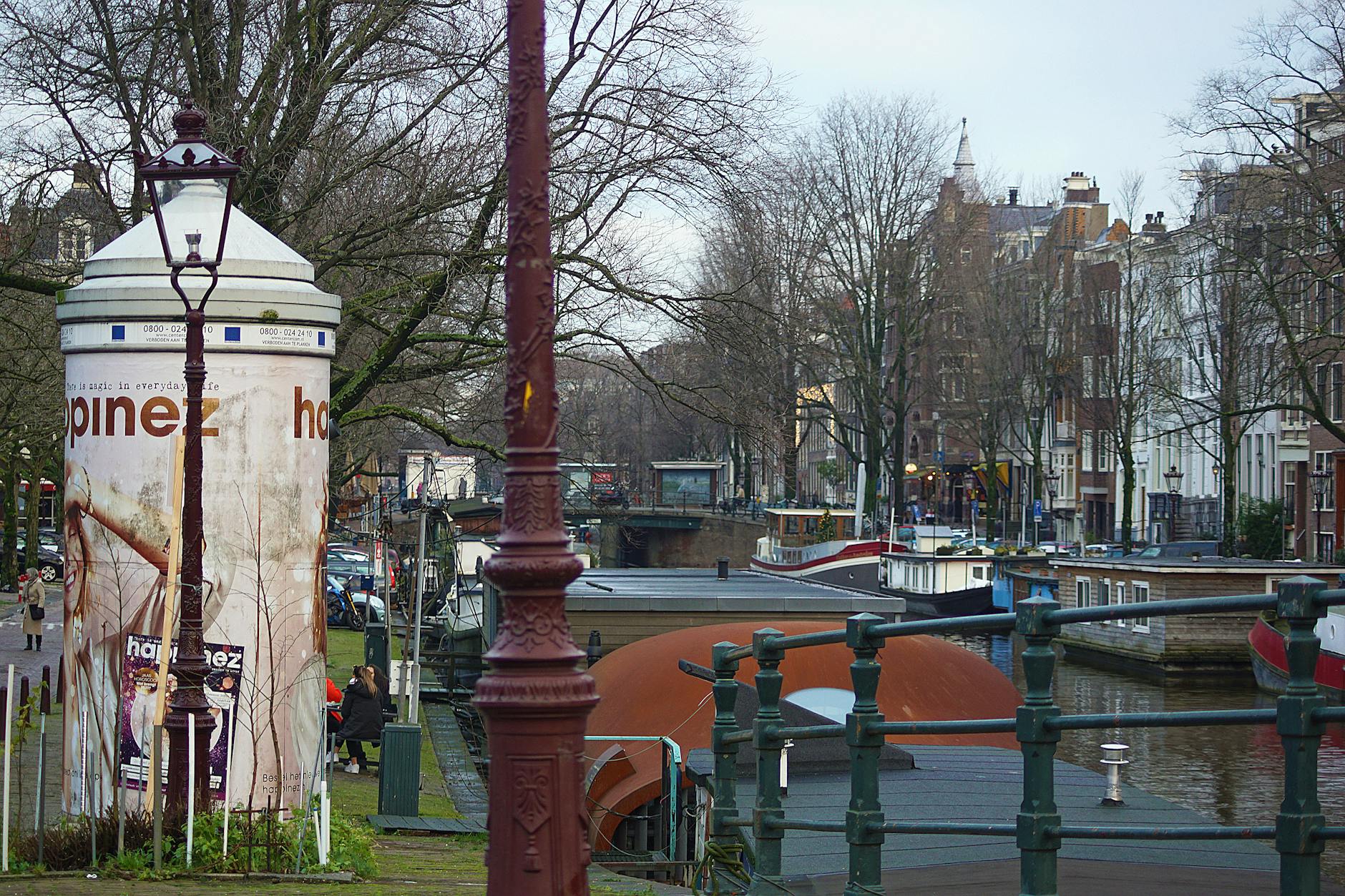
The Jordaan is the neighborhood most visitors fall in love with, and for good reason. Originally a working-class area built in the 17th century to house immigrants and laborers, the Jordaan has transformed into one of Amsterdam’s most desirable and picturesque districts. Its narrow streets and quiet canals are lined with converted warehouses, independent boutiques, atmospheric brown cafes, and some of the city’s best restaurants.
The Jordaan rewards slow wandering down its narrow streets, past hidden hofjes (courtyard gardens), the Saturday Noordermarkt, brown cafés and small boutiques. For the full rundown, read our in-depth Jordaan neighborhood guide.
What Makes the Jordaan Special
The Jordaan’s appeal lies in its intimate scale. Unlike the grand canal houses of the Grachtengordel, the Jordaan’s buildings are modest and densely packed, creating a village-within-a-city feeling that’s unique in Amsterdam. Hidden courtyards known as hofjes — originally built as almshouses for elderly women and widows — dot the neighborhood. The most beautiful include the Karthuizerhofje on Karthuizersstraat, the Claes Claeszhofje, and the Sint Andrieshofje on Egelantiersgracht. Many are still private residences, but visitors can respectfully peek through the entrance gates during daytime hours.
What to See and Do
The Anne Frank House sits on the edge of the Jordaan at Prinsengracht 263 — the world’s most visited literary museum and an essential Amsterdam experience. Beyond this landmark, the Jordaan rewards aimless wandering. Browse the Noordermarkt on Saturday mornings for organic produce and artisan foods, or on Monday mornings for antiques and vintage finds. Explore the independent galleries along Eerste Bloemdwarsstraat, duck into ‘t Smalle (one of Amsterdam’s oldest and most atmospheric brown cafes, dating to 1786), and walk the quiet stretch of Brouwersgracht — often called Amsterdam’s most beautiful canal.
Best for: First-time visitors who want the quintessential Amsterdam atmosphere, couples, photography enthusiasts, and anyone who values charm over nightlife. Getting there: 10-minute walk from Centraal Station; trams 13 and 17 run along the district’s eastern edge.
De Pijp: Amsterdam’s Multicultural Heart
De Pijp (literally “The Pipe,” named for its narrow, pipe-like streets) is Amsterdam’s most energetic and diverse neighborhood. Built in the late 19th century as working-class housing, it’s now home to a vibrant mix of young professionals, artists, students, and longtime residents from dozens of nationalities. The result is a district with an extraordinary food scene, buzzing nightlife, and a creative energy that’s hard to find elsewhere in the city.
De Pijp is built around the Albert Cuyp Market and Sarphatipark, with a young, multicultural crowd and some of the best-value eating in the city. For the full rundown, read our complete De Pijp guide.
What to See and Do
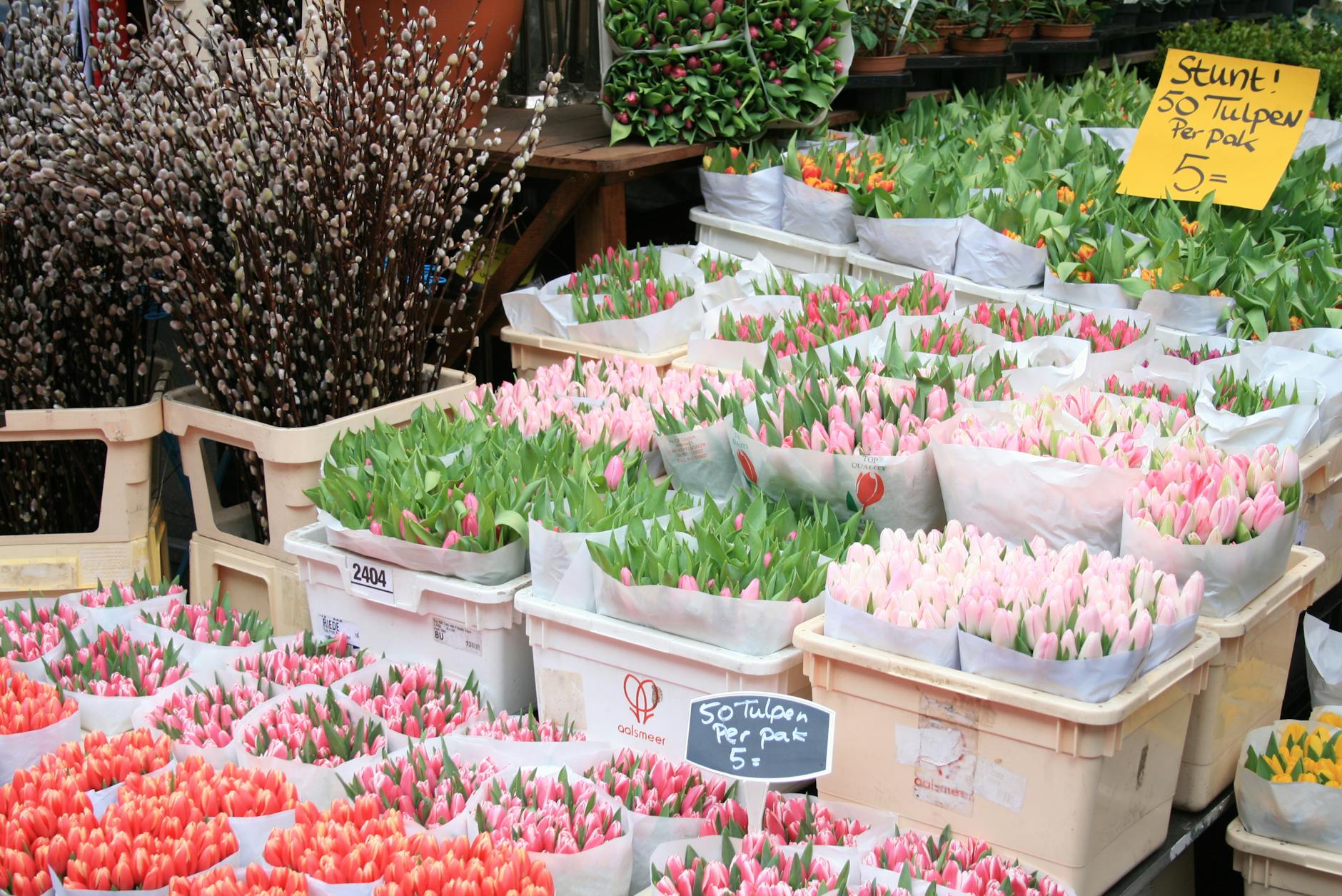
The Albert Cuyp Market is the centerpiece of De Pijp — the largest daily street market in the Netherlands, stretching along Albert Cuypstraat from Ferdinand Bolstraat to Van Woustraat. Running Monday through Saturday, the market’s 300+ stalls sell everything from fresh stroopwafels and Dutch cheese to clothing, flowers, and street food from around the world. It’s the best place in Amsterdam for affordable, authentic eating.
The Heineken Experience on Stadhouderskade occupies the original Heineken brewery building and offers an interactive tour through the history of the Netherlands’ most famous beer brand. Sarphatipark, a small but beautiful English-style garden in the heart of De Pijp, provides a peaceful retreat from the neighborhood’s bustling streets. For our complete guide to Amsterdam’s food scene, including De Pijp’s best restaurants, see our Amsterdam food and drink guide.
Best for: Foodies, budget travelers, nightlife enthusiasts, and visitors who prefer a multicultural atmosphere over historic postcard views. Getting there: Tram 24 from Centraal Station to Albert Cuypstraat; metro 52 (Noord/Zuidlijn) to De Pijp station.
The Canal Ring (Grachtengordel): UNESCO World Heritage Elegance
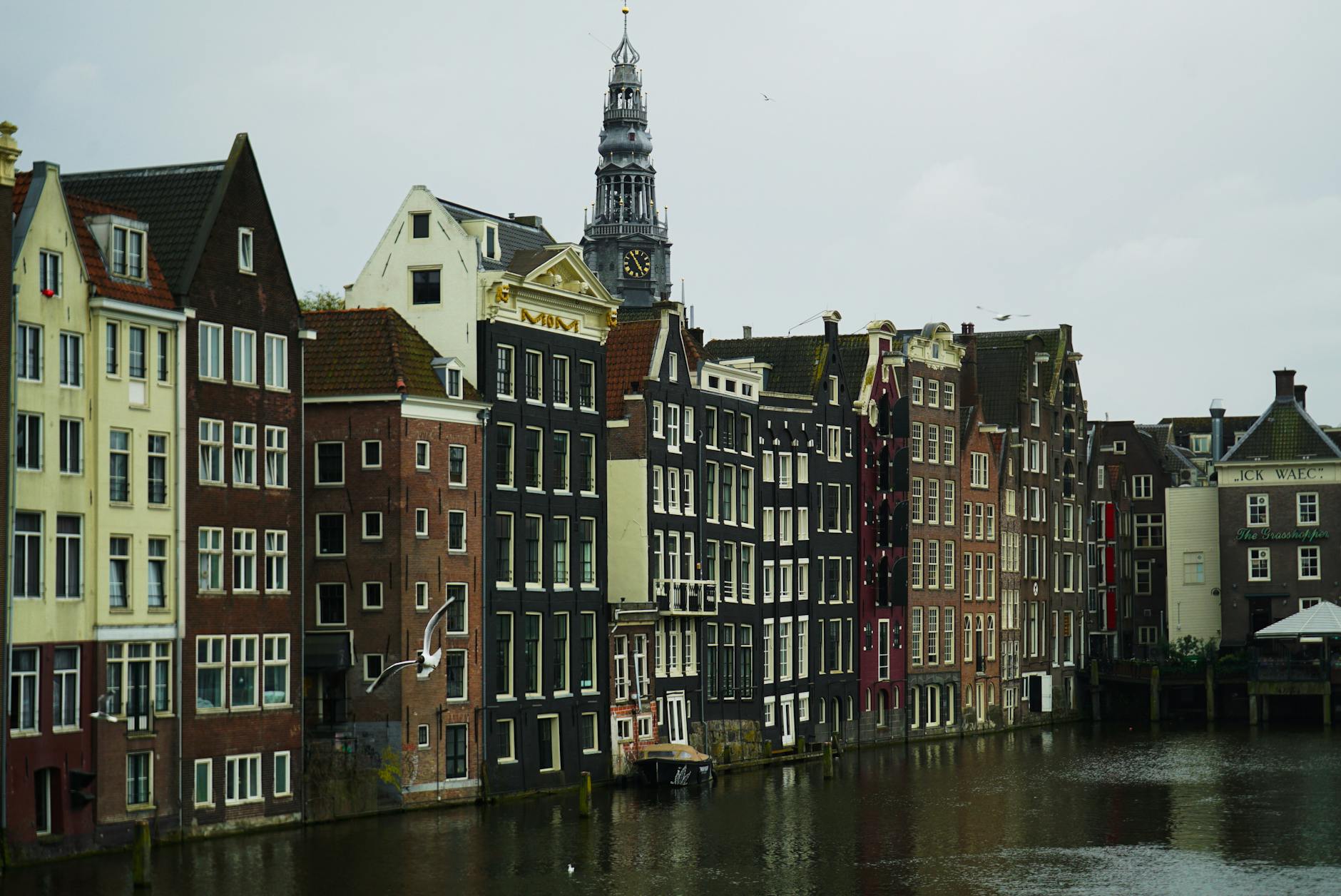
The Canal Ring is the Amsterdam of the postcards — the famous concentric semicircle of canals that earned UNESCO World Heritage status in 2010. Built during the Dutch Golden Age in the 17th century, the Grachtengordel encompasses three main canals — Herengracht (Gentleman’s Canal), Keizersgracht (Emperor’s Canal), and Prinsengracht (Prince’s Canal) — connected by smaller cross-streets and bridges that create one of the world’s most harmonious urban landscapes.
The Canal Ring follows Herengracht, Keizersgracht and Prinsengracht in concentric arcs, taking in the Golden Bend and the Nine Streets (De 9 Straatjes) shopping pockets. For the full rundown, read our detailed Canal Ring (Grachtengordel) guide.
What to See and Do
Walking the Canal Ring is an experience in itself. The grandest houses line the Golden Bend of Herengracht (between Leidsestraat and Vijzelstraat), where the wealthiest merchants built their widest and most ornate residences. Notice the distinctive gabled facades — neck gables, bell gables, step gables, and spout gables each tell a story about the building’s age and original owner.
The Nine Streets (De Negen Straatjes), nine small cross-streets connecting the main canals between Raadhuisstraat and Leidsestraat, form Amsterdam’s most charming shopping district. Here you’ll find independent boutiques, vintage shops, specialty stores, and intimate cafes — all in buildings that have barely changed in 350 years. The Museum of the Canals (Het Grachtenhuis) at Herengracht 386 tells the fascinating engineering story behind the canal system. The FOAM Photography Museum on Keizersgracht hosts world-class exhibitions in a beautifully restored canal house.
Best for: Architecture lovers, history enthusiasts, canal cruise departures, luxury shopping on P.C. Hooftstraat, and romantic evening strolls. Getting there: Trams 2, 11, and 12 run through the Canal Ring; the entire area is easily walkable from Centraal Station (15–20 minutes).
Amsterdam-Noord: The Creative Frontier
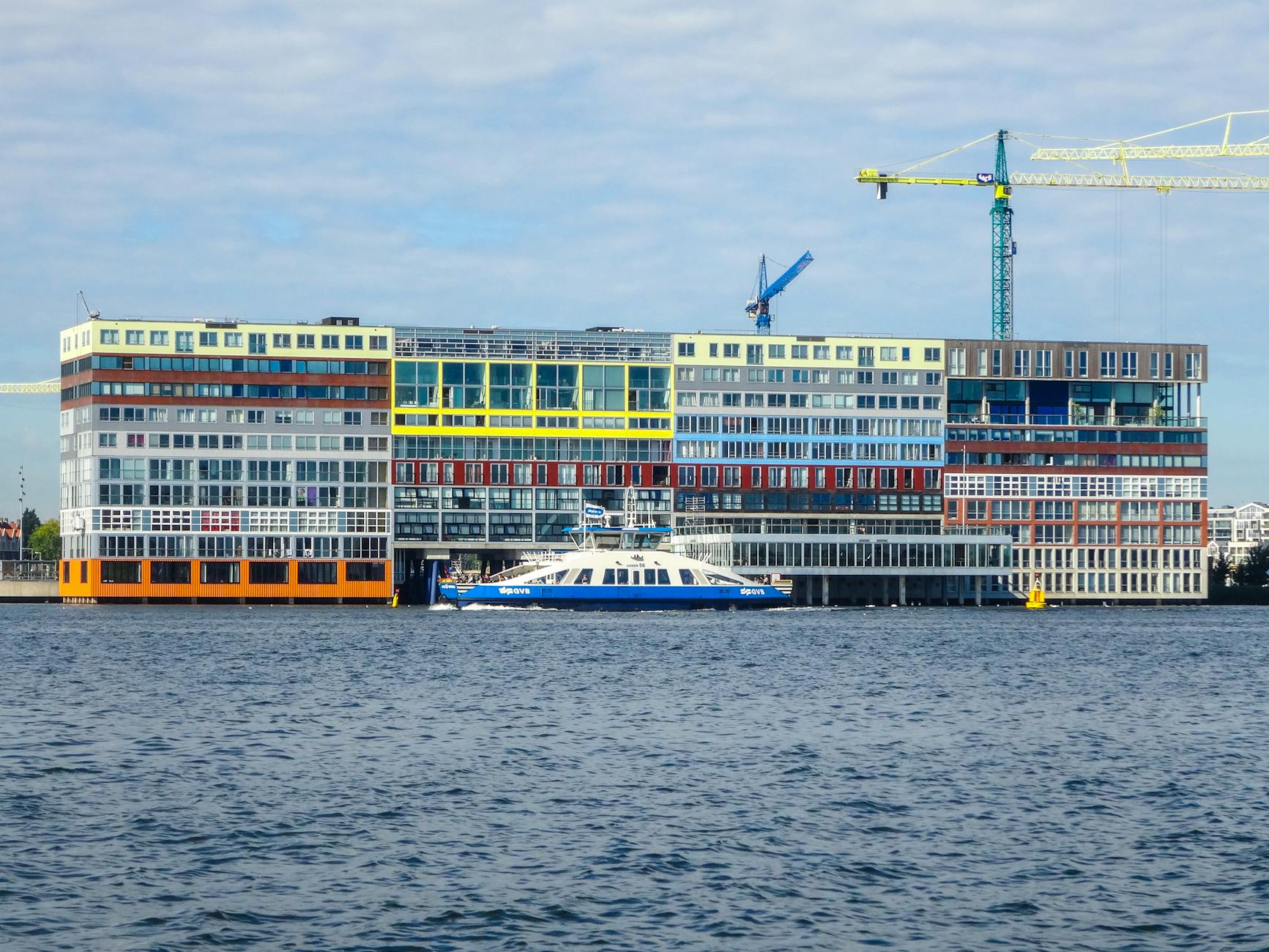
Amsterdam-Noord is the city’s most exciting neighborhood story of the last decade. Once an overlooked industrial area across the IJ river, Noord has been transformed by artists, chefs, tech startups, and developers into Amsterdam’s creative frontier. The contrast with the historic city center is striking — here you’ll find converted shipyards, massive street art, experimental restaurants in shipping containers, and a raw industrial aesthetic that feels more like Brooklyn or Berlin than traditional Amsterdam.
Amsterdam-Noord sits across the IJ, reached by the free GVB ferry behind Centraal Station, and trades canal-house prettiness for NDSM wharf street art, the A’DAM Lookout swing and the EYE Film Museum. For the full rundown, read our guide to Amsterdam-Noord.
What to See and Do
The NDSM Wharf is Noord’s cultural anchor — a former shipbuilding yard that now hosts artist studios, creative businesses, festivals, and a monthly flea market in a cavernous submarine hangar. The graffiti-covered buildings and waterfront setting make it one of Amsterdam’s most photographed locations. Nearby, the A’DAM Tower offers the city’s best panoramic views from its observation deck, plus “Over the Edge” — Europe’s highest swing, suspended 100 meters above the ground.
The EYE Film Museum, housed in a stunning white modernist building directly opposite Centraal Station across the IJ, is worth visiting for the architecture alone. Inside, it holds an impressive collection of film history with rotating exhibitions and four cinemas. The waterfront terrace is one of the best spots in Amsterdam for a sunset drink.
Getting to Noord is easy and free — GVB ferries depart from behind Centraal Station every few minutes, running 24 hours a day. The short crossing takes 5 minutes and offers one of the best free views in the city. For more transport options, check our Amsterdam transport guide.
Best for: Creative types, street art enthusiasts, foodies looking for experimental dining, and anyone who wants to see Amsterdam beyond the postcards. Getting there: Free ferry from behind Centraal Station (Buiksloterweg ferry for EYE and A’DAM Tower; NDSM ferry for NDSM Wharf).
Oud-Zuid and Museumplein: Culture and Elegance
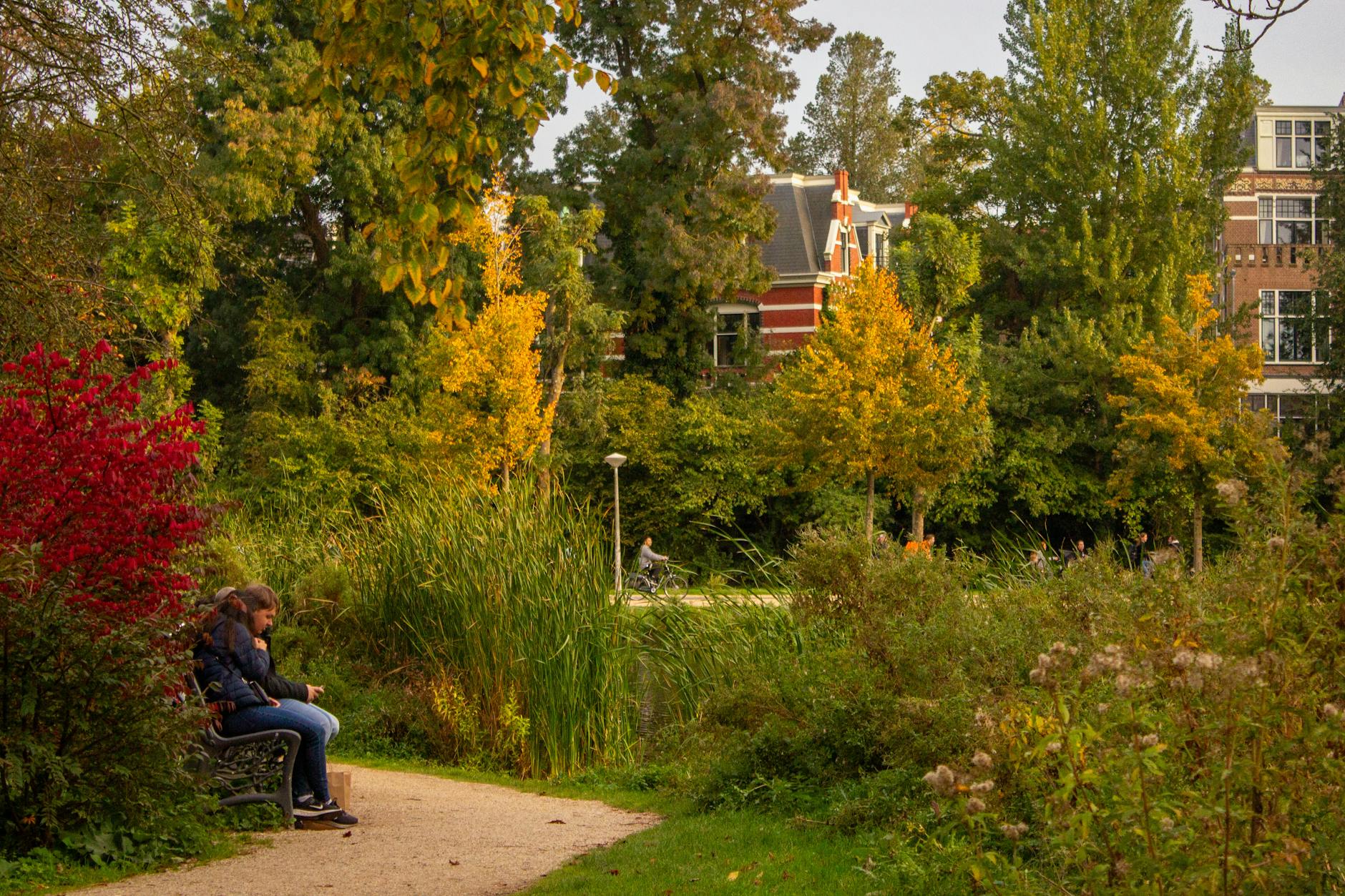
Oud-Zuid (Old South) is Amsterdam’s most refined neighborhood and the cultural heart of the city. This leafy, elegant district is home to the three major museums on Museumplein, the famous Vondelpark, the world-class Royal Concertgebouw concert hall, and some of Amsterdam’s most upscale shopping and dining. The architecture here shifts from the narrow canal houses of the center to wide, tree-lined avenues with grand late-19th-century buildings in the distinctive Amsterdam School style — characterized by brick facades, rounded organic shapes, decorative glass, and ornamental ironwork.
What to See and Do
Museumplein is the cultural epicenter, with the Rijksmuseum, Van Gogh Museum, and Stedelijk Museum (modern and contemporary art) arranged around a single open square. The iconic “I amsterdam” letters once stood here before being removed in 2018, but the square remains a social gathering point year-round — including an open-air ice rink in winter.
Vondelpark, Amsterdam’s beloved 47-hectare green lung, borders Museumplein to the west. On sunny days, the park fills with locals cycling, jogging, picnicking, and socializing. The open-air theater hosts free performances in summer, and several cafes and restaurants are scattered throughout, including the distinctive Blauwe Theehuis (Blue Teahouse) — a 1930s Bauhaus-style flying saucer-shaped building in the park’s center.
P.C. Hooftstraat is Amsterdam’s answer to the Champs-Élysées — a short but prestigious street lined with Chanel, Gucci, Louis Vuitton, and other luxury brands. The parallel Cornelis Schuytstraat offers a more curated selection of independent boutiques, specialty food shops, and sidewalk cafes that feel distinctly Parisian.
Best for: Museum lovers, families (Vondelpark playground is excellent), luxury shoppers, and classical music enthusiasts (the Concertgebouw offers free lunchtime concerts on Wednesdays). Getting there: Trams 2, 5, and 12 to Museumplein/Rijksmuseum; metro 52 to Europaplein.
Oud-West: Where Locals Actually Hang Out
Oud-West is the neighborhood many Amsterdam residents consider their favorite — and few tourists ever discover. Sandwiched between Vondelpark and the Singelgracht canal, it offers the perfect balance of accessibility (15 minutes from Centraal Station), local authenticity, and an excellent food and drink scene. The red-brick 20th-century architecture creates a warm, residential atmosphere that’s a welcome change from the tourist bustle of the center.
What to See and Do
De Hallen is Oud-West’s cultural anchor — a beautifully converted 1902 tram depot that now houses the Foodhallen (Amsterdam’s premier indoor food market with 20+ stalls), an art-house cinema (De Filmhallen), a public library, boutique shops, and a hotel. It’s the perfect spot for a rainy afternoon. The Ten Kate Market on Ten Katestraat, running Monday through Saturday, is a genuine local market selling fresh produce, Dutch cheese, Turkish bread, and household goods at real neighborhood prices — a world away from the tourist-oriented Albert Cuyp.
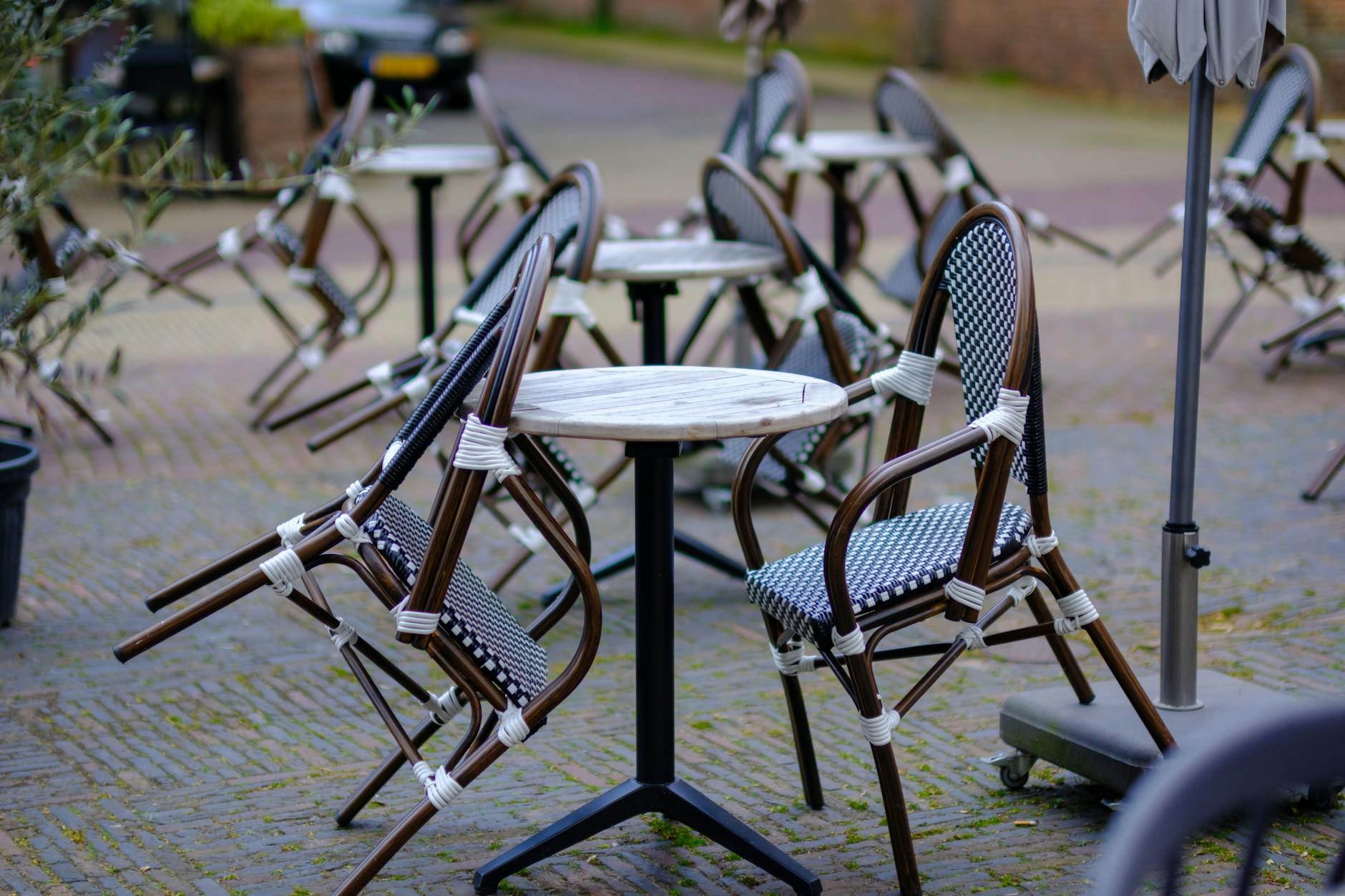
Kinkerstraat is the neighborhood’s main commercial artery, lined with diverse restaurants, independent shops, and everyday businesses that cater to locals rather than tourists. Overtoom, running along the southern edge of Vondelpark, offers a similar mix of restaurants and bars with a slightly more upscale feel. For a quintessential Oud-West experience, grab a seat on one of the cafe terraces along De Clercqstraat on a sunny afternoon and watch neighborhood life unfold.
Best for: Travelers who want to experience Amsterdam like a local, foodies, and anyone who has already seen the main tourist sights and wants something more authentic. Getting there: Trams 7, 17, and 19 run through the neighborhood; tram 1 along Overtoom.
Amsterdam-Oost: Multicultural and Up-and-Coming
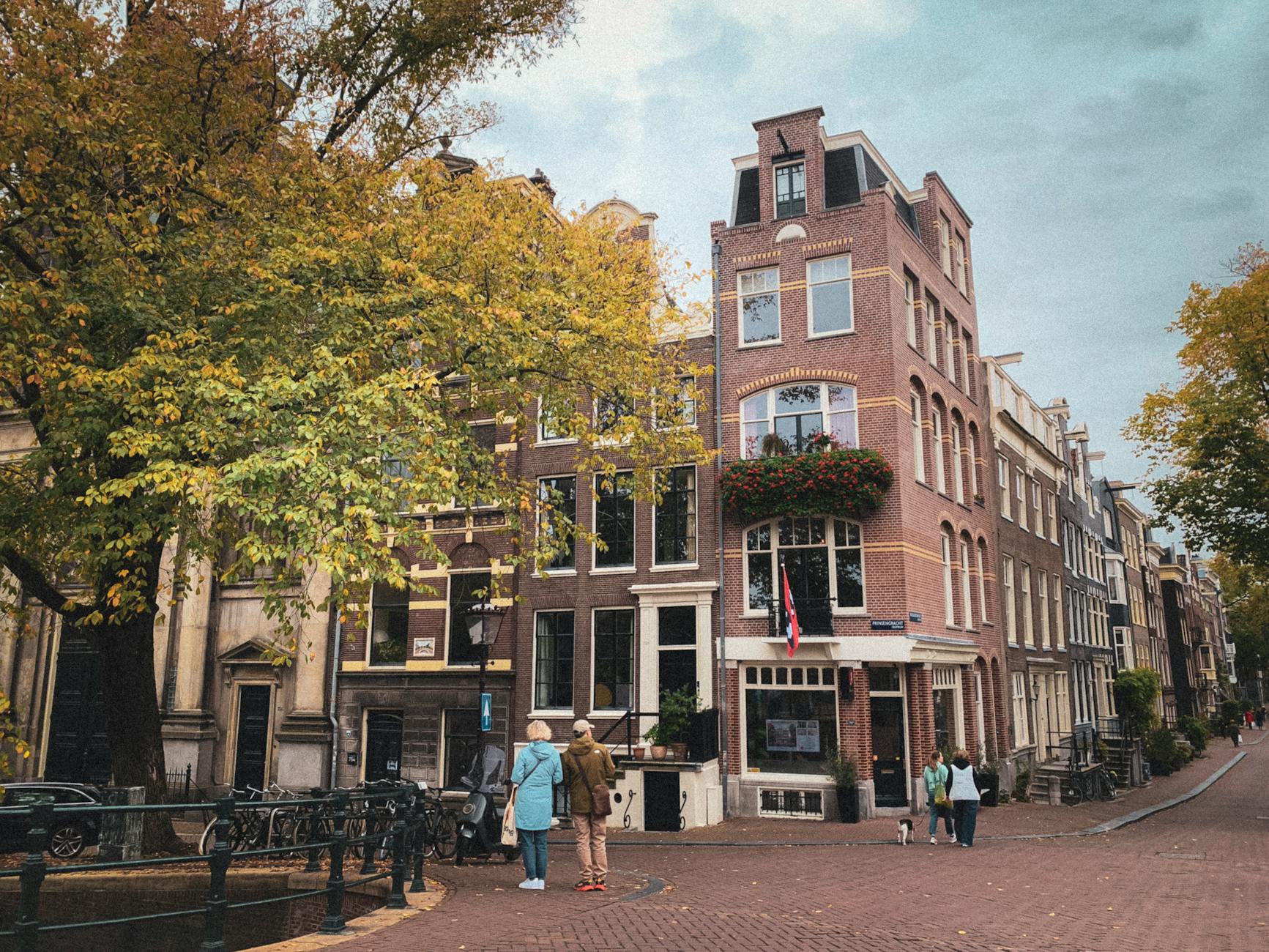
Amsterdam-Oost (East) is one of the city’s most genuinely diverse neighborhoods, home to communities from Suriname, Morocco, Turkey, Indonesia, and dozens of other countries. This diversity translates into an extraordinary food scene — some of Amsterdam’s best Indonesian restaurants, Surinamese takeaways, and Middle Eastern bakeries are found here, often at prices well below what you’d pay in the center or De Pijp.
What to See and Do
The Tropenmuseum (Museum of the Tropics) is one of Amsterdam’s most underrated museums — a vast collection exploring cultures from around the world, housed in a magnificent 19th-century building on the edge of Oosterpark. The recently opened National Holocaust Museum in the Plantage sub-district tells the story of the persecution of Dutch Jews through deeply moving personal testimonies and artifacts. The Hortus Botanicus, one of the world’s oldest botanical gardens (founded 1638), contains over 6,000 plant species in elegant greenhouses and outdoor gardens.
Oosterpark itself is a beautiful, less-crowded alternative to Vondelpark — with mature trees, ponds, and memorials including the National Slavery Monument. The Dappermarkt, running along Dapperstraat six days a week, is regularly voted one of the best markets in the Netherlands for its diversity, value, and authentic atmosphere. It’s an excellent spot to try Surinamese roti, Turkish pide, or Moroccan pastries for just a few euros.
Best for: Adventurous eaters, culture seekers, budget travelers, and visitors on their second or third trip to Amsterdam who want to explore beyond the well-trodden path. Getting there: Trams 1, 3, and 7 serve different parts of Oost; metro 51, 53, and 54 to Weesperplein for the Plantage area.
The Historic Center (Centrum): Where It All Begins
Amsterdam’s city center is where most visitors first set foot, and it packs an extraordinary concentration of history, architecture, and activity into a compact area. Dam Square, the city’s historic heart, is dominated by the Royal Palace (Koninklijk Paleis), the 15th-century Nieuwe Kerk, and the National Monument. From here, the center extends in all directions — south toward the flower market, east toward Nieuwmarkt and the Red Light District, and north toward Centraal Station.
What to See and Do
Beyond Dam Square, the Begijnhof is a hidden medieval courtyard surrounded by historic houses, including Amsterdam’s oldest surviving wooden house (dating to approximately 1465). The Bloemenmarkt (Flower Market) on the Singel canal is the world’s only floating flower market — the stalls sit on houseboats. Nieuwmarkt square, anchored by the imposing 15th-century Waag (Weigh House), is lined with restaurants and bars and hosts a daily market.
The Red Light District (De Wallen) is part of the historic center and, whatever your feelings about it, one of Amsterdam’s most distinctive areas. The Oude Kerk (Old Church), Amsterdam’s oldest building dating to 1306, stands incongruously in the middle of it. The neighborhood is genuinely historic and architecturally interesting beyond its famous red-lit windows — just remember that photographing sex workers is strictly prohibited and respect for the people who live and work here is essential. For more on things to do in Amsterdam, see our comprehensive guide.
Best for: First-time visitors getting oriented, history buffs, and anyone who wants to see Amsterdam’s most iconic landmarks. Getting there: Amsterdam Centraal Station is the main transport hub; everything in the center is within a 15-minute walk. Note: The center is the most tourist-heavy area of Amsterdam. For a more local experience, base yourself in one of the surrounding neighborhoods and walk in.
The Western Islands and Haarlemmerbuurt: Amsterdam’s Hidden Village
Just northwest of Centraal Station, the Western Islands (Westelijke Eilanden) — Prinseneiland, Bickerseiland, and Realeneiland — form one of Amsterdam’s best-kept secrets. Originally built for shipbuilding and warehousing in the 17th century, these three small islands connected by drawbridges now form a peaceful residential enclave that feels miles from the tourist crowds, despite being a 10-minute walk from Centraal Station.
The streets are narrow and quiet, lined with converted warehouses, houseboats, and small gardens. There are almost no shops or restaurants here — the appeal is purely atmospheric. Walk across the one-lane bridges, admire the waterfront views, and experience a part of Amsterdam that most visitors never discover.
Just south of the Western Islands, Haarlemmerstraat and Haarlemmerdijk form one of Amsterdam’s liveliest local shopping streets. Once voted the best shopping street in the Netherlands, it’s packed with independent boutiques, specialty food shops (try Stach for artisan sandwiches), wine bars, and restaurants. It connects Centraal Station to the Jordaan and makes an excellent walking route between the two.
Best for: Photographers, solitude seekers, and anyone who has already seen the Jordaan and wants to discover something quieter and more hidden. Getting there: 10-minute walk northwest from Centraal Station.
The Eastern Docklands and IJburg: Amsterdam’s Modern Face
East of Centraal Station, the Eastern Docklands (Oostelijk Havengebied) showcase Amsterdam’s talent for reinventing industrial spaces. The former harbor islands of Java-Eiland, KNSM-Eiland, and Borneo-Sporenburg were transformed in the 1990s and 2000s into stunning residential neighborhoods featuring some of the Netherlands’ most innovative modern architecture. The waterfront setting, with views across the IJ, creates a completely different Amsterdam atmosphere.
The Scheepvaartmuseum (National Maritime Museum), housed in a grand 17th-century naval storehouse, anchors the western end of the Docklands. A full-scale replica of the Dutch East India Company ship Amsterdam is moored outside. Further east, IJburg is Amsterdam’s newest neighborhood, built on artificial islands in the IJmeer lake — a fascinating example of Dutch land-reclamation engineering. Blijburg, IJburg’s urban beach, is a popular summer hangout.
Best for: Architecture enthusiasts, photography, cycling routes along the waterfront, and visitors interested in how Amsterdam is evolving beyond its historic core. Getting there: Bus 22 from Centraal Station; tram 26 to IJburg; or rent a bike and cycle the waterfront route.
Choosing the Right Amsterdam Neighborhood for You
With so many distinctive neighborhoods, choosing where to spend your time depends on what you’re looking for. Here’s a quick guide by traveler type:
First-time visitors (2–3 days): Focus on the Jordaan, Canal Ring, and Centrum for the classic Amsterdam experience, with a half-day in Oud-Zuid for the museums and a quick ferry trip to Noord for the views from A’DAM Tower.
Returning visitors: Explore Oud-West for its local food scene, De Pijp for market culture and nightlife, and the Western Islands for hidden tranquility. Amsterdam-Oost rewards deeper exploration with its multicultural diversity.
Foodies: De Pijp (Albert Cuyp Market, diverse restaurants), Oud-West (Foodhallen, local cafes), and Amsterdam-Oost (multicultural street food, Dappermarkt) are the essential neighborhoods.
Culture and history: The Canal Ring for Golden Age architecture, Oud-Zuid for world-class museums, and the Plantage area of Oost for the Jewish Cultural Quarter, Hortus Botanicus, and ARTIS Zoo.
Budget travelers: Stay in De Pijp or Oost for affordable accommodation and cheap eats. Free activities include the ferry to Noord, walking the Western Islands, exploring the canal architecture, and spending an afternoon in Vondelpark or Oosterpark.
For detailed accommodation recommendations by neighborhood, see our where to stay in Amsterdam guide. To plan your overall trip, our Amsterdam trip planning guide covers budgets, itineraries, and booking advice.
Getting Between Amsterdam’s Neighborhoods
One of Amsterdam’s greatest advantages is how easy it is to move between neighborhoods. The city center is remarkably compact — you can walk from the Jordaan to De Pijp in 25 minutes, or from Centraal Station to Museumplein in 20 minutes. Cycling is even faster and more efficient, and renting a bike (€12–18/day) lets you cover multiple neighborhoods in a single day with ease.
The tram network connects all major neighborhoods, with most routes passing through or near Centraal Station. The metro’s Noord/Zuidlijn (Line 52) is particularly useful for reaching De Pijp, Oud-Zuid, and Amsterdam-Noord quickly. The free ferries behind Centraal Station provide quick and scenic access to Noord. For a complete overview of all transport options, see our getting around Amsterdam guide.
Where to base yourself, honestly
Here is the part most guides dodge: where you sleep matters more than which sights you tick off. If this is your first trip and you want to walk everywhere, base yourself in the Canal Ring or the southern edge of the Jordaan — you’ll be a short stroll from the Anne Frank House, the Nine Streets and three of the four main canals. Expect to pay more for the location, and expect some street noise on the busier stretches.
Travelling on a tighter budget, or staying four nights or more? I’d look at De Pijp, Oud-West or Oost. You trade a few minutes on the tram for lower prices, better neighbourhood restaurants and the feeling of living somewhere rather than visiting it. Families and museum-focused visitors tend to be happiest around Oud-Zuid and Museumplein, where the pace is calmer and the big museums are on your doorstep. Amsterdam-Noord is brilliant to visit but only worth sleeping in if you specifically want the creative, waterfront side of the city and don’t mind the ferry.
Wherever you land, distances are small. Most of these districts are 10–20 minutes apart by tram, bike or on foot, so you can stay in one and graze across several in a day. If you’re weighing up specific hotels and areas, our where to stay in Amsterdam guide goes neighbourhood by neighbourhood, and the getting around Amsterdam guide explains trams, the ferries and the GVB ticketing.
FAQ: Frequently Asked Questions About Amsterdam’s Neighborhoods
Which Amsterdam neighborhood is best for first-time visitors?
The Jordaan is the best all-around neighborhood for first-time visitors. It combines classic Amsterdam canal scenery, excellent restaurants and cafes, proximity to major attractions (Anne Frank House, Canal Ring), and a welcoming atmosphere that feels authentically Dutch without being overwhelmingly touristy.
Are Amsterdam’s neighborhoods safe to explore?
All neighborhoods covered in this guide are safe for tourists during the day and evening. The historic center and Red Light District can feel crowded at night on weekends, and standard precautions against pickpocketing apply in busy tourist areas. Amsterdam-Noord and the Eastern Docklands are quieter at night but perfectly safe.
Can I explore multiple neighborhoods in one day?
Absolutely. Amsterdam’s compact size means you can easily visit 2–3 neighborhoods on foot or 4–5 by bike in a single day. A typical day might include morning in the Jordaan, lunch in Oud-West at the Foodhallen, afternoon museum visits in Oud-Zuid, and evening drinks and dinner in De Pijp.
Which neighborhood has the best food scene?
De Pijp has the most diverse and affordable food scene, with the Albert Cuyp Market at its heart. Oud-West offers excellent quality with the Foodhallen and surrounding restaurants. For fine dining, the Canal Ring and Jordaan have the highest concentration of acclaimed restaurants. Amsterdam-Oost wins for the most authentic multicultural food at the best prices.
Where should I stay to avoid tourist crowds?
Oud-West, Amsterdam-Oost, and De Pijp all offer a local atmosphere with easy access to the center. Amsterdam-Noord provides the most dramatic contrast to tourist Amsterdam, though it requires a ferry crossing. All of these neighborhoods have good public transport connections and are 15–25 minutes from the major attractions.
Keep exploring Amsterdam’s neighborhoods
- Best neighborhoods for first-time visitors
- The Jordaan neighborhood guide
- De Pijp neighborhood guide
- The Canal Ring (Grachtengordel)
- Amsterdam-Noord across the IJ
- Oud-West — the Foodhallen quarter locals are moving to.
- Museum Quarter (Oud-Zuid) — the big museums, the mansions and where to eat nearby.
- Amsterdam Centrum — what is genuinely worth your time in the old core.
- De Wallen (Red Light District) — the honest neighbourhood guide, rules included.
- Nine Streets (De 9 Straatjes) — the city’s best browsing-and-coffee grid.
If safety is part of how you are choosing where to base yourself, our guide to the safest neighbourhoods for tourists ranks these same districts on that measure specifically.