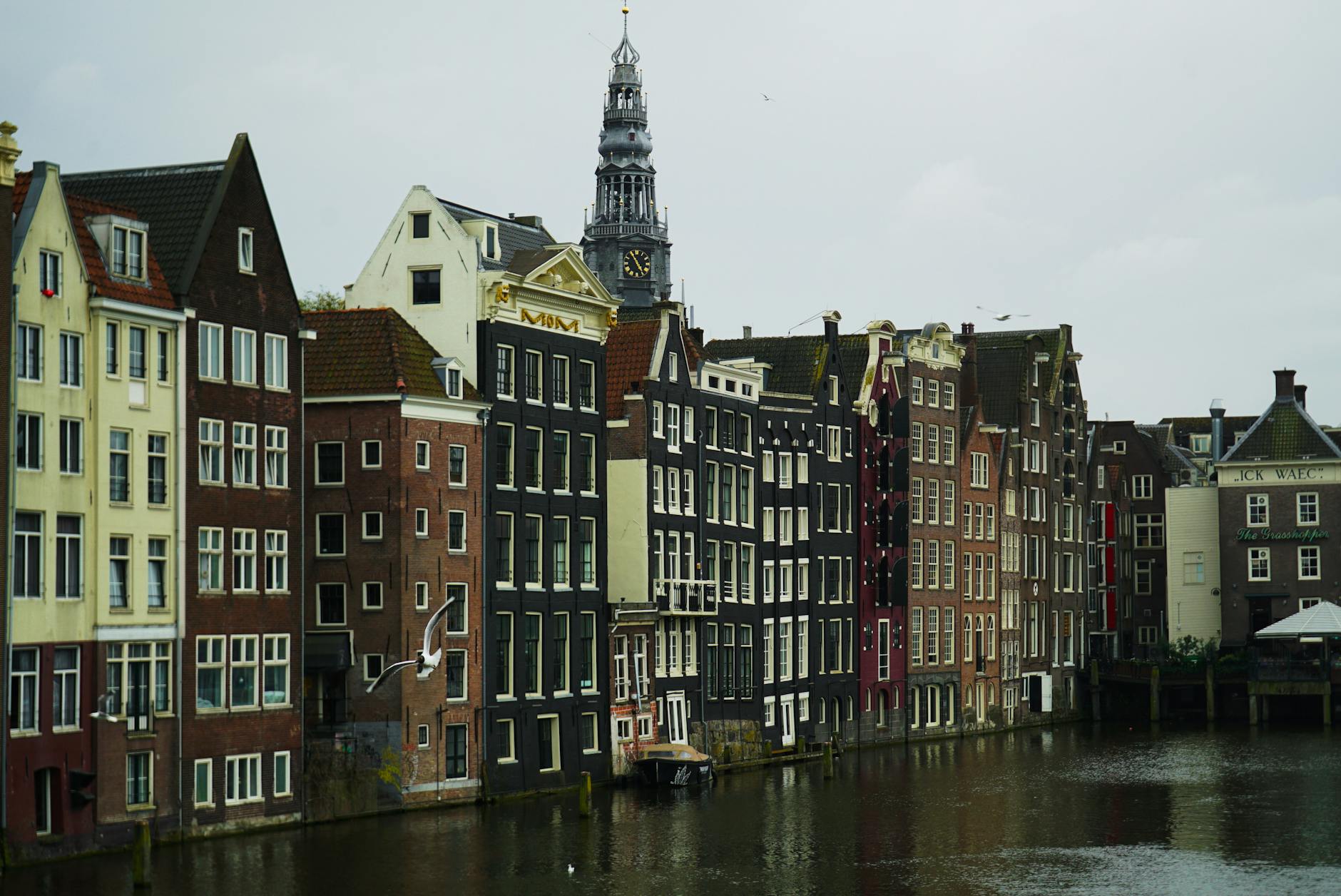
Planning a trip to Amsterdam is one of the most exciting parts of visiting the Netherlands. This compact, canal-laced capital rewards careful planning with unforgettable experiences — but it can also overwhelm first-time visitors with choices. How many days do you need? What’s the real daily budget? When should you visit to avoid the worst crowds? Which museums require advance tickets?
This is the complete Amsterdam trip planning guide, designed to answer every practical question so you can spend less time researching and more time enjoying one of Europe’s most remarkable cities. Whether you’re a first-time visitor planning a long weekend or a returning traveler looking to explore beyond the tourist trail, this guide covers everything from budgets and booking timelines to packing lists and sample itineraries.
Best Time to Visit Amsterdam: A Month-by-Month Guide
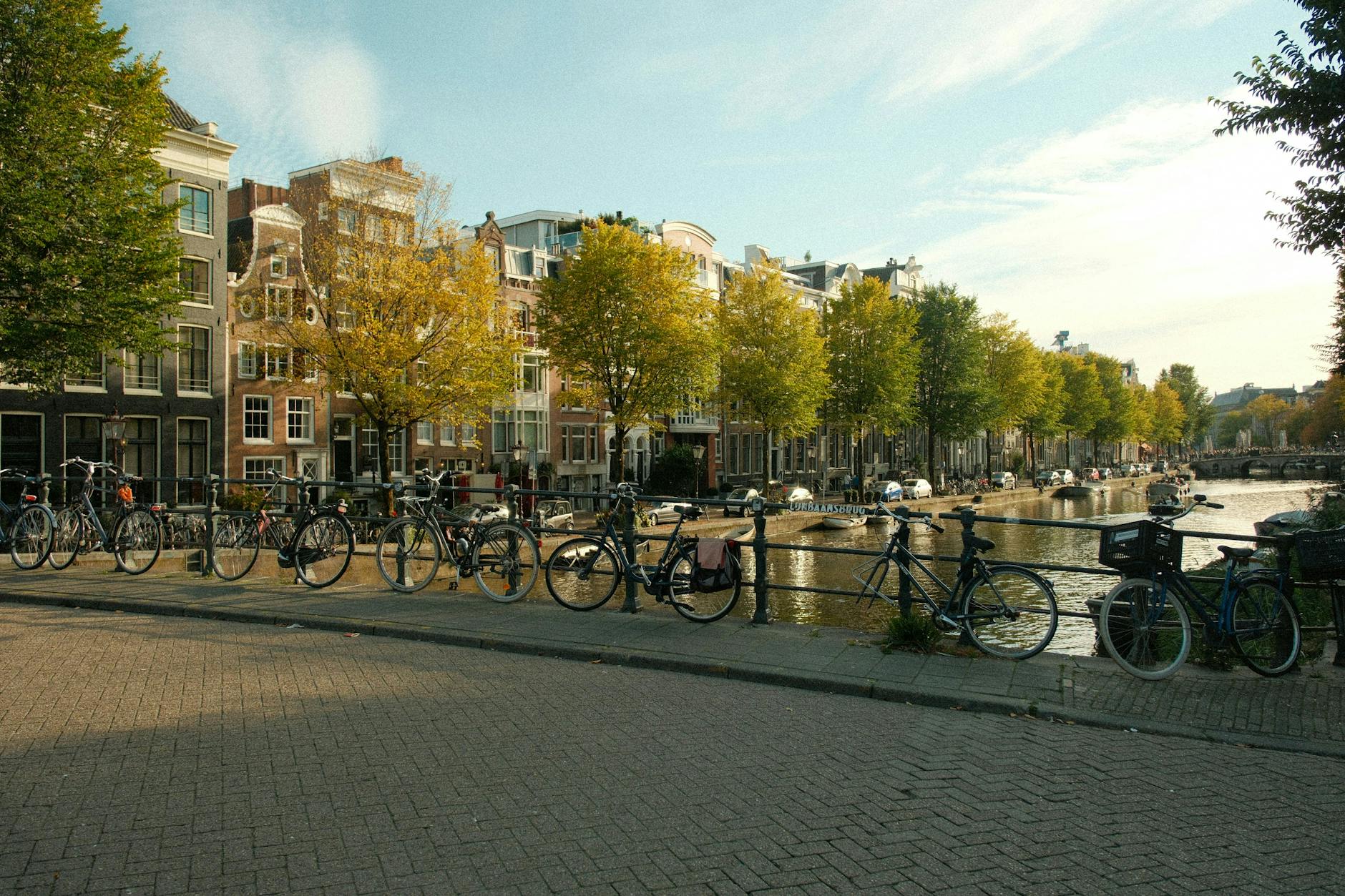
Amsterdam is a year-round destination, but the experience varies dramatically by season. The best time for most visitors is April to May or September to October — the shoulder seasons that deliver pleasant weather, manageable crowds, and reasonable prices. Here’s what each period offers:
Spring (March – May): Tulip Season and Mild Weather
Spring is Amsterdam’s most photogenic season. April is actually the driest month, with an average of just 7 rainy days — less than any other month. Temperatures range from 8–15°C (46–59°F), perfect for walking and cycling. The world-famous Keukenhof tulip gardens open from mid-March to mid-May, drawing visitors from around the globe. King’s Day on April 27 transforms the entire city into an orange-clad street party. The downside? April is one of the busiest and most expensive months to visit. Hotel prices spike around King’s Day and Easter, and popular museums sell out weeks in advance. May offers similar weather with slightly thinner crowds and the bonus of longer daylight hours.
Summer (June – August): Long Days and Peak Crowds
Summer brings the warmest weather with highs reaching 22°C (72°F), and the longest days — the sun doesn’t set until after 10pm in late June. Outdoor festivals, rooftop bars, and alfresco dining come alive across the city. The trade-off is significant: July and August are by far the busiest months. Popular areas like Dam Square, the Red Light District, and the Jordaan can feel uncomfortably crowded. Hotel prices hit their annual peak, and restaurants in tourist areas often have long waits. If summer is your only option, visiting in June before school holidays offers a slightly better balance of good weather and moderate crowds.
Autumn (September – November): The Sweet Spot
September and October are arguably the best months to visit Amsterdam. Summer vacationers have returned to work and school, leaving quieter streets and shorter museum queues. Temperatures remain mild (12–18°C / 54–64°F in September), the canal-side trees turn golden, and hotel prices drop noticeably from their summer peaks. The cultural calendar picks up with the opening of the Amsterdam Dance Event in October and the start of the Amsterdam Light Festival in November. Pack layers and a rain jacket — autumn rain becomes more frequent from October onward.
Winter (December – February): Budget-Friendly and Atmospheric
Amsterdam in winter is cold (0–6°C / 32–43°F), dark, and sometimes damp — but it’s also magical. Hotel prices drop by 30% or more, the Amsterdam Light Festival illuminates the canals from November through January, and Christmas markets appear throughout the city in December. Museums that require 30-minute waits in summer are blissfully empty. January and February are the cheapest months to visit, though be prepared for short daylight hours (sunrise around 8:30am, sunset by 5pm). If you don’t mind bundling up, winter offers the most affordable and least crowded Amsterdam experience.
How Many Days Do You Need in Amsterdam?
The ideal length of stay depends on your travel style and interests, but here’s a general framework:
| Trip length | Best for | What you’ll fit in | Rough budget (mid-range, pp) |
|---|---|---|---|
| 2 days | A focused city break / long weekend | Anne Frank House, Rijksmuseum, Van Gogh, one canal cruise, Jordaan + De Pijp | around €350–450 |
| 3 days | First-time visitors (the sweet spot) | The above at a calmer pace, plus Vondelpark, Noord ferry and one optional day trip | around €660–950 |
| 5 days | Travellers who want depth + day trips | All the highlights, two day trips (Zaanse Schans, Keukenhof or Haarlem) and real downtime | around €1,550–2,200 |
| 7 days | A complete, unhurried first trip | Every major museum, 2–3 day trips, hidden hofjes and slow brown-cafe afternoons | around €2,100–3,100 |
2 days: Enough to see the essential highlights — the Anne Frank House, one or two major museums (Rijksmuseum or Van Gogh Museum), a canal cruise, and a walk through the Jordaan and city center. It’s tight but doable if you plan efficiently and book everything in advance.
3–4 days: The sweet spot for most visitors. Three days gives you time to cover the major museums, explore several neighborhoods on foot or by bike, enjoy the food scene, take a canal cruise, and still have time for serendipitous discoveries. A fourth day lets you add a day trip to Zaanse Schans, Haarlem, or the Keukenhof gardens (in season).
5–7 days: Ideal for travelers who want to explore beyond the tourist core. A full week lets you visit Amsterdam’s lesser-known neighborhoods like Amsterdam-Noord and De Pijp, take multiple day trips from Amsterdam, experience the city’s nightlife and dining scene properly, and truly settle into the Dutch pace of life — which is, after all, one of Amsterdam’s greatest charms.
For first-time visitors, 3 to 4 days is the recommendation. It strikes the right balance between seeing the highlights and having enough breathing room that you don’t spend your entire trip rushing from one attraction to the next.
Once you’ve settled on a length, work from a day-by-day plan rather than a loose list of sights — it’s the single biggest thing that saves you from criss-crossing the city. We’ve built detailed, neighbourhood-grouped routes for every common trip length: a tightly packed Amsterdam 2-day itinerary for weekenders, the relaxed 3-day itinerary most first-timers should follow, a 5-day itinerary that folds in two day trips, and a full one-week itinerary for an unhurried first visit. If money is the deciding factor, start with the honest numbers in our Amsterdam trip cost and budget breakdown before you book anything.
Amsterdam Trip Budget: What Does It Really Cost?

Amsterdam is not a cheap city, but it’s possible to visit at almost any budget level. The key is knowing where your money goes and where you can save. Here’s a realistic daily budget breakdown for 2026 — and if you want the line-by-line version, our Amsterdam trip cost breakdown drills into every category:
Budget Traveler: €80–100 per Day
A budget trip to Amsterdam means staying in hostel dorms (€30–50/night), eating street food and market meals (€15–25/day for food), using public transport day passes or walking (€9–14/day), and being selective about paid attractions (€15–25 each). Budget travelers should plan for about €80–100 per person per day. The biggest savings come from accommodation — a bed in a well-reviewed hostel dorm costs roughly a third of a budget hotel room.
Mid-Range Traveler: €180–250 per Day
Mid-range means a private hotel room (€120–180/night), restaurant meals for lunch and dinner (€40–60/day for food), public transport plus the occasional taxi (€15–20/day), and two or three paid attractions per day (€30–60). A mid-range daily budget of €180–250 per person covers a comfortable trip without worrying about every euro. This is the most common budget level for visitors spending 3–4 days in the city.
Luxury Traveler: €400+ per Day
Luxury in Amsterdam means boutique or five-star hotels along the canals (€250–500+/night), fine dining (€100–200/day for food), private canal boat tours, and premium experiences. The city has a world-class luxury hotel scene, from the Waldorf Astoria in a row of six 17th-century canal mansions to the cutting-edge design of the Sir Adam Hotel in Amsterdam-Noord.
Major Cost Breakdown for a 3-Day Trip (Mid-Range, Per Person)
Here’s what a typical 3-day mid-range trip costs in 2026: Accommodation (3 nights): €400–550 for a double room (split between two). Food and drink: €120–180 total. Transport (including Schiphol train): €35–50. Attractions (4–5 museums/experiences): €60–100. Canal cruise: €15–20. Miscellaneous (souvenirs, snacks, tips): €30–50. Total per person for 3 days: approximately €660–950, not including flights. Accommodation is by far the largest expense — choosing a hotel in a less central neighborhood or visiting during shoulder season can save €50–100 per night.
Visa Requirements and Entry Information
The Netherlands is part of the Schengen Area, which means entry requirements depend on your nationality:
EU/EEA citizens: No visa required. You can enter with a valid national ID card or passport and stay as long as you like. No time limits apply.
Visa-exempt nationalities (US, UK, Canada, Australia, Japan, and 50+ others): You can visit Amsterdam visa-free for up to 90 days within any 180-day period. Your passport must be valid for at least 3 months beyond your planned departure date. Starting in 2026, visa-exempt travelers from outside the EU will also need ETIAS authorization (European Travel Information and Authorisation System) — an online pre-travel registration costing €7 and valid for 3 years. Check the latest ETIAS launch date before traveling, as the timeline has shifted several times.
Visa-required nationalities: Citizens of countries that require a Schengen visa must apply through the Dutch embassy or consulate in their home country. The process typically requires proof of accommodation, a return flight booking, travel insurance with minimum €30,000 medical coverage, and proof of sufficient funds (approximately €55 per day).
Travel insurance: While not mandatory for visa-exempt visitors, comprehensive travel insurance is strongly recommended. It should cover medical expenses (the Netherlands has excellent but expensive healthcare), trip cancellation, and lost luggage. For Schengen visa applicants, travel insurance with minimum €30,000 medical coverage is a mandatory requirement.
Getting to Amsterdam: Flights, Trains, and Arrival
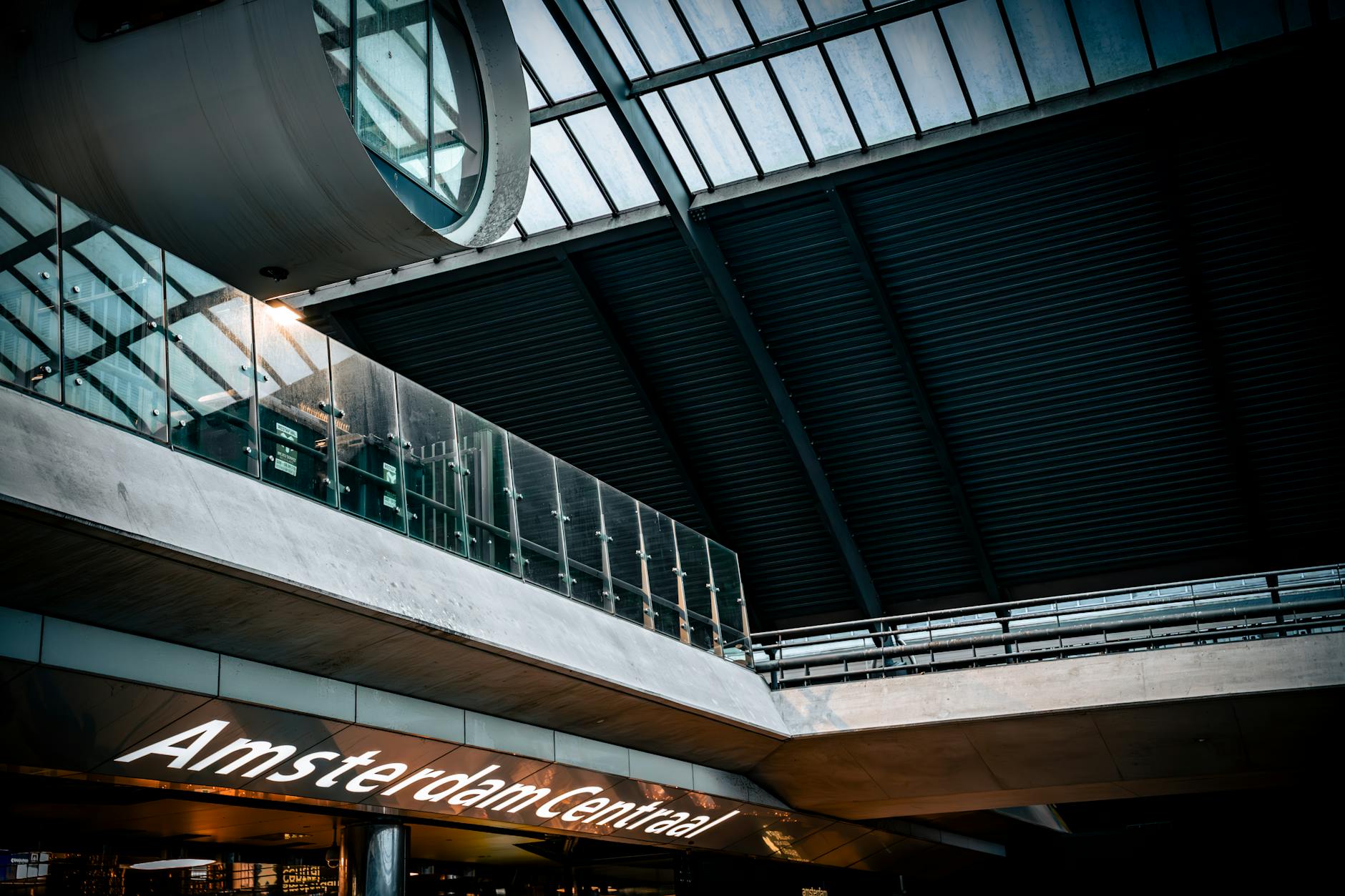
Amsterdam Schiphol Airport (AMS) is the main international gateway, located just 17 minutes by direct train from Amsterdam Centraal station. It’s one of Europe’s best-connected airports, with direct flights from most major cities worldwide. Budget airlines like easyJet, Transavia, and Vueling serve Schiphol alongside full-service carriers. For the best flight prices, book 2–3 months ahead for European flights and 3–5 months ahead for intercontinental routes.
From Schiphol to the city center, the train is the best option: it costs €5.20 one-way, runs 24 hours (reduced frequency at night), and drops you right at Amsterdam Centraal. Buy tickets at the yellow NS machines in the airport arrivals hall, or tap your contactless bank card at the gates if your card supports OVpay. For the full rundown of trains, trams, the OV-chipkaart and cycling once you arrive, see our guide to getting around Amsterdam. Alternatives to the train include the Airport Express bus 397 (€6.50, 30 minutes to Museumplein) and taxis (€39–65 to the city center, 20–30 minutes depending on traffic).
Arriving by train from other European cities is an excellent option. Amsterdam Centraal has direct high-speed connections from Brussels (1h50), Paris (3h20), London via Eurostar (4h), Frankfurt (4h), and Berlin (6h20). European train travel is comfortable, city-center-to-city-center, and increasingly popular as a sustainable alternative to flying. Check NS International for schedules and early-booking discounts.
What to Book in Advance (and How Far Ahead)
Amsterdam has become a city for planners. The days of spontaneously showing up at major attractions are largely over — the most popular museums and experiences sell out days or even weeks in advance, especially from April through October. Here’s your booking timeline:
Book 2–4 Months Ahead
Accommodation: Amsterdam’s hotel market is tight, with limited supply and high demand. Booking 2–4 months ahead gives you the best selection and prices, especially for summer visits and weekends year-round. Popular budget hotels and hostels sell out fastest. Anne Frank House: Timed-entry tickets are released online 6 weeks before the visit date and sell out within hours. Set a calendar reminder for exactly 6 weeks before your intended visit and book the moment tickets go live. There is no other way to get tickets — there is no physical ticket office.
Book 2–6 Weeks Ahead
Van Gogh Museum: Requires timed-entry online tickets. During peak season, slots for popular times (late morning and early afternoon) sell out 2–3 weeks ahead. Morning slots (9–10am) and late afternoon slots (after 4pm) tend to remain available longer. Rijksmuseum: Also requires timed-entry reservations. Slightly easier to get than the Van Gogh, but don’t leave it until the last week. Canal cruises: The most popular operators (Lovers, Blue Boat) sell out on busy days. Booking a week ahead is generally sufficient. Restaurants: Amsterdam’s best restaurants — particularly those with Michelin stars or strong social media followings — should be reserved 2–4 weeks ahead. Even popular casual spots benefit from a reservation, especially for Friday and Saturday dinner.
Book a Few Days to a Week Ahead
ARTIS Royal Zoo: Timed entry, but usually available with a few days’ notice. Heineken Experience: Time slots sell out on weekends but are generally available midweek. A’DAM Lookout (Over the Edge swing): Book 3–5 days ahead for weekend visits. Walking and bike tours: Most have availability with 1–2 days’ notice, but popular free walking tours fill up on weekends.
Pro tip: Download the apps for individual museums and attractions. Many release cancelled tickets or additional time slots at short notice through their apps rather than their websites.
I amsterdam City Card and Tourist Passes
Tourist passes can save significant money if you plan to visit multiple museums and use public transport heavily. The main option is the I amsterdam City Card:
The 2026 I amsterdam City Card provides free entry to over 70 museums and attractions (including the Rijksmuseum, Stedelijk Museum, ARTIS Zoo, and Rembrandt House), unlimited GVB public transport (tram, bus, metro), a free canal cruise, and a free 24-hour bicycle rental. Current prices: 1 day €67 | 2 days €94 | 3 days €115 | 4 days €130 | 5 days €140.
The card is worth it if you plan to visit 3+ museums per day and use public transport. At €15–25 per museum, plus €9 for a transport day pass, the card pays for itself quickly. However, the card does not include the Anne Frank House or the Van Gogh Museum — Amsterdam’s two most popular attractions — so factor those tickets separately. For visitors who mainly want to see the Van Gogh Museum and Anne Frank House, the card may not be the best value. You can purchase the I amsterdam City Card online at iamsterdam.com or at tourist information offices in the city.
Alternative passes: The Holland Pass lets you choose specific attractions rather than getting blanket access. The Museumkaart (Museum Card, €67.90/year) offers entry to 400+ museums across the Netherlands — excellent value if you’re spending a week or more in the country, but currently only available to purchase in-person at museum ticket desks.
What to Pack for Amsterdam

Packing smart for Amsterdam can make or break your trip. The city’s weather is notoriously changeable, and you’ll spend most of your time on foot or on a bike. Here’s what experienced Amsterdam visitors always bring:
Clothing Essentials (All Seasons)
A quality rain jacket or windbreaker is the single most important item to pack. Amsterdam can go from sunshine to sideways rain in minutes, and umbrellas struggle with the wind that whips through the canal streets. Layer your clothing — even in summer, evenings can be cool. In spring and autumn, bring a warm mid-layer (fleece or light down jacket) along with your rain jacket. In winter, you’ll want a proper warm coat, scarf, gloves, and a hat. The Dutch dress casually but stylishly — smart casual works everywhere from brown cafes to Michelin restaurants.
Footwear
Comfortable, waterproof walking shoes with good arch support are essential. Amsterdam’s streets are often cobblestone, and you’ll walk far more than you expect — the average visitor covers 15,000–20,000 steps per day. Avoid brand-new shoes, flip-flops, and heels. If you plan to rent a bike, flat-soled shoes work best with pedals.
Practical Items
A crossbody bag or secure daypack: Keep your belongings close, especially in crowded tourist areas and on public transport where pickpocketing occasionally occurs. A portable power bank: You’ll rely heavily on your phone for navigation, tickets, and payments. A European Type C/F power adapter: The Netherlands uses standard European two-pin plugs (230V). Bring a universal adapter if you’re coming from outside Europe. A reusable water bottle: Amsterdam’s tap water is excellent, and many public spaces have refill stations. Contactless payment card: Amsterdam is nearly cashless. Make sure your debit or credit card supports contactless payments, and check with your bank about international transaction fees. Many shops and restaurants no longer accept cash at all.
Essential Apps and Digital Tools
A few apps will make your Amsterdam trip significantly smoother:
Google Maps or Apple Maps: Reliable for walking, cycling, and transit directions in Amsterdam. Google Maps integrates GVB public transport schedules and shows real-time departure times. 9292 (the Dutch transit app): The definitive public transport planner for the Netherlands. It shows all connections across tram, bus, metro, train, and ferry with real-time updates and disruption alerts. GVB app: Useful for buying digital day passes and checking tram/metro schedules specific to Amsterdam’s city transport. Buienradar: The Dutch rain radar app that every local uses. It predicts rainfall down to the minute and is remarkably accurate for the next 2 hours — invaluable when you’re deciding whether to wait out a shower or grab a rain jacket.
Museum apps: Download the apps for the Rijksmuseum, Van Gogh Museum, and Anne Frank House. They include audio guides (saving you €5–7 each), floor plans, and highlight tours. Many also release last-minute tickets through their apps. TripAdvisor or TheFork: For restaurant reservations and reviews. Dutch restaurant reservation culture is strong — booking ahead, even for casual spots, is the norm.
Health, Safety, and Practical Information
Amsterdam is one of Europe’s safest cities for tourists, but some practical knowledge helps:
Healthcare: The Netherlands has world-class medical facilities. EU citizens should bring a valid European Health Insurance Card (EHIC) or Global Health Insurance Card (GHIC). Non-EU visitors should have travel insurance — a doctor’s visit without insurance costs €100–150, and hospital stays can run to thousands of euros per day. For non-emergencies, pharmacies (apotheek) can treat minor ailments, and the Amsterdam Tourist Doctors service provides English-speaking medical care for visitors.
Safety: Amsterdam’s biggest safety concern for tourists is bicycle traffic. Cyclists travel fast and have right of way in bike lanes — stepping into a bike lane without looking is the most common way tourists get hurt. Always check for bikes before crossing any path. Petty theft (pickpocketing) occurs in crowded tourist areas, on trams, and at Schiphol Airport. Keep valuables secure and be aware of your surroundings. Violent crime against tourists is rare.
Tap water: Amsterdam’s tap water is clean, safe, and actually quite good-tasting. There’s no need to buy bottled water. Tipping: Service charges are included in Dutch prices. Tipping is appreciated but not expected — rounding up or leaving 5–10% for good restaurant service is the norm. Language: The Dutch speak excellent English. You can navigate Amsterdam entirely in English with no issues, though learning a few Dutch words (dank je wel for thank you, alsjeblieft for please) is always appreciated.
Amsterdam Etiquette and Cultural Tips
A few cultural norms are worth understanding before you arrive:
Respect cycling infrastructure: Never walk in the red-painted bike lanes. This is the number one mistake tourists make and it genuinely annoys locals (and endangers you). If you hear a bell, move aside immediately. Cannabis and coffee shops: While coffee shops selling cannabis are legal, smoking marijuana in public is not. This is a genuine law, not just a suggestion, and Amsterdam actively enforces it in the city center. Smoking is restricted to inside licensed coffee shops. Red Light District etiquette: Photography of sex workers is strictly prohibited and enforced. Be respectful, don’t stand in groups blocking the narrow streets, and don’t tap on windows. Noise and behavior: Amsterdam has been actively working to combat overtourism and nuisance behavior. Stag and hen parties are actively discouraged, public drinking is illegal in most areas, and fines for antisocial behavior have increased significantly. The city genuinely asks visitors to respect the fact that Amsterdam is a living city, not a theme park.
Dutch directness: The Dutch are famously direct in conversation. What might seem blunt in other cultures is simply honest communication in the Netherlands. Don’t take it personally — it’s meant respectfully. Punctuality: The Dutch value being on time. If you have a dinner reservation at 7:30pm, arriving at 7:45pm is considered rude and may cost you your table.
Sample Amsterdam Itineraries
2-Day Amsterdam Highlights
Day 1 — Museums and Canals: Start at the Rijksmuseum for the morning (book a 9am or 10am slot). Walk through Museumplein to the Van Gogh Museum for the early afternoon. Take a canal cruise from Stadhouderskade in the late afternoon — the light at this time is beautiful for photos. Spend the evening exploring the Nine Streets (De Negen Straatjes) area for dinner and drinks at a traditional brown cafe.
Day 2 — History and Neighborhoods: Visit the Anne Frank House first thing in the morning (book the earliest available slot). Walk through the Jordaan neighborhood afterward, stopping at the Noordermarkt if it’s a Saturday (farmers’ market) or Monday (antique market). Cross to the city center for lunch at Foodhallen or a local spot in De Pijp. Spend the afternoon exploring the city’s historic neighborhoods, Dam Square, and the Red Light District (De Wallen). End with dinner at a restaurant you’ve booked in advance.
3-Day Complete Amsterdam
Follow the 2-day itinerary above, then add: Day 3 — Local Amsterdam: Rent a bike in the morning and cycle through Vondelpark, then continue to the Oud-Zuid neighborhood. Visit the Albert Cuyp Market in De Pijp for street food and Dutch cheese. Take the free ferry from Centraal Station to Amsterdam-Noord for the afternoon — explore the NDSM wharf for street art and waterfront cafes, or visit the EYE Film Museum — our Amsterdam neighbourhoods guide breaks down which areas suit which kind of traveller. Return via ferry for a farewell dinner at a restaurant in the Jordaan or along the Herengracht canal.
5-Day Deep Dive
Follow the 3-day itinerary, then add: Day 4 — Day Trip: Take a half-day trip to Zaanse Schans to see historic windmills and traditional Dutch village life (30 minutes by bus from Centraal Station). Alternatively, visit Haarlem by train (20 minutes) for the Frans Hals Museum and a charming city center, or Keukenhof gardens if visiting between mid-March and mid-May. Our roundup of the best day trips from Amsterdam covers train times and what each place is actually worth. Return to Amsterdam for the evening. Day 5 — Hidden Amsterdam: Explore the Eastern Docklands and Java-Eiland, visit the NEMO Science Museum or the Tropenmuseum, and spend the afternoon at the Waterlooplein flea market. End your trip with a sunset canal boat rental (self-drive electric boats are available from €50–75/hour for groups) — the best way to see Amsterdam from the water on your own terms.
Money-Saving Tips for Amsterdam
Amsterdam doesn’t have to break the bank. These tested strategies help you experience more while spending less:
Visit in shoulder or off-season: Hotel prices in January and February can be 30–50% lower than July and August. September and October offer mild weather at moderate prices. Stay outside the canal ring: Hotels in De Pijp, Amsterdam-Noord, and Amsterdam-Oost are significantly cheaper than those in the Jordaan or city center, and all are well connected by public transport. Check our Amsterdam accommodation guide for neighborhood recommendations.
Eat like a local: Skip tourist-trap restaurants on Damrak and Leidseplein. Instead, eat at Albert Cuyp Market (complete lunches for €8–12), grab a broodje (sandwich) from a bakery (€4–6), or shop at Albert Heijn supermarkets. Our Amsterdam food and drink guide has detailed neighborhood dining recommendations.
Walk and bike instead of using transit: Amsterdam’s city center is incredibly compact — you can walk from Centraal Station to the Rijksmuseum in 25 minutes. Renting a bike for the day (€12–18) gives you unlimited mobility and saves on transit costs while providing a quintessentially Amsterdam experience. Take advantage of free activities: Walking through Vondelpark, exploring street markets, admiring canal architecture, watching the free ferry crossing the IJ river, and people-watching at Rembrandtplein cost nothing. Many churches and galleries have free entry. Use the GVB multi-day pass: If you will use public transport, a multi-day GVB pass (€16.50 for 2 days, €24 for 3 days) is cheaper than buying individual day tickets.
Book the I amsterdam City Card strategically: The card is great value if you plan to visit 3+ museums per day. But if you’re only visiting 1–2 attractions, buying individual tickets is cheaper. Eat a big breakfast: Many Amsterdam hotels include breakfast. Loading up in the morning and having a light market lunch can cut your daily food costs significantly. Drink in local neighborhoods: Beer in a brown cafe in De Pijp or the Jordaan costs €3.50–5. The same drink in a bar on Leidseplein or Rembrandtplein costs €6–8.
Only four things in Amsterdam genuinely have to be booked weeks ahead. Our attractions and tickets guide sorts the urgent bookings from the ones you can walk up to on the day.
Amsterdam is not representative of the Netherlands, and the trains make the rest of it absurdly easy to reach — start with The Netherlands Beyond Amsterdam.
Planning a full week? Our Netherlands 7-day itinerary covers the day-by-day route, what to book in advance and two variants for families and single-base trips.
Still deciding whether to book at all? Our honest verdict on whether Amsterdam is worth visiting sets out the case for and against before you spend anything.
Start with the length question: our guide to how many days you need in Amsterdam sets the shape of everything else you book.
Still choosing a destination rather than planning one? Start with Amsterdam vs Paris, which settles the question for most short trips.
Frequently Asked Questions About Planning an Amsterdam Trip
Is Amsterdam safe for solo travelers?
Yes, Amsterdam is very safe for solo travelers, including women traveling alone. The city center is well-lit, public transport runs late, and English is widely spoken. Standard travel precautions apply — watch your belongings in crowded areas, avoid walking alone in poorly lit areas late at night, and always look for cyclists before stepping off the sidewalk.
Do I need to speak Dutch to visit Amsterdam?
Not at all. The Dutch have some of the highest English proficiency rates in the world. Restaurant menus, museum information, and signage are almost always available in English. You can navigate every aspect of a trip to Amsterdam entirely in English.
Is Amsterdam a good city for families with children?
Absolutely. ARTIS Royal Zoo, the NEMO Science Museum, the Vondelpark playground, and canal boat tours are all excellent family activities. Many museums offer children’s programs, and the compact city means less time stuck in cars or on long walks. Most restaurants are family-friendly, and children under 4 ride public transport free.
Can I use US dollars or British pounds in Amsterdam?
No, the Netherlands uses the euro (€). Foreign currencies are not accepted anywhere. Use your contactless debit or credit card for most purchases — this gives you the best exchange rate. ATMs are widely available if you need cash, but many Amsterdam businesses have gone entirely cashless.
How much should I budget for an Amsterdam trip?
As a rough guide for a 3-day trip in 2026 (not including flights): budget travelers can manage on €250–300 per person, mid-range visitors should plan for €660–950, and luxury travelers typically spend €1,200+. Accommodation is the largest variable — visiting in off-season or staying in less central neighborhoods has the biggest impact on total cost.
What’s the cheapest way to get from Schiphol Airport to the city?
The direct train from Schiphol to Amsterdam Centraal costs €5.20 one-way and takes just 17 minutes. It runs 24 hours a day with reduced frequency at night. You can also tap your contactless bank card at the station gates using OVpay. For more transport details, see our Amsterdam transport guide.
Should I rent a car in Amsterdam?
No. Driving in Amsterdam is actively discouraged — streets are narrow, parking is extremely limited and expensive (€5–7.50 per hour in the center), and the city is designed for bikes and public transport. A car is only useful if you plan extensive day trips to the Dutch countryside. Even then, trains are often more convenient.
Is the I amsterdam City Card worth buying?
It depends on your plans. The card (starting at €67/day) includes 70+ museums, unlimited public transport, a canal cruise, and bike rental. If you visit 3+ museums per day and use transit, it saves money. If you’re only visiting 1–2 major museums, buying individual tickets is cheaper. Note that the Anne Frank House and Van Gogh Museum are not included.
A Final Word Before You Book
Amsterdam rewards the planner without punishing the spontaneous. Lock down the three or four things that genuinely sell out — the Anne Frank House above all, then the Van Gogh Museum, the Rijksmuseum and any restaurant you have your heart set on — and let the rest of your days stay loose. The best afternoons here tend to be the unscheduled ones: a wrong turn into a quiet hofje, an hour on a brown-cafe terrace watching the bikes go by, a ferry across the IJ just because it’s free and the light is good. Get the bookings and the budget right, pick the itinerary that matches your days, and the city will take care of the rest.
Keep exploring
- The 3-day Amsterdam itinerary — the plan most first-timers should follow.
- Amsterdam trip cost breakdown — what a trip really costs at every budget level.
- Where to stay in Amsterdam — the best neighbourhoods and hotels for your trip.
- Things to do in Amsterdam — the full list of sights, museums and experiences.
- Amsterdam packing list — what to bring, season by season.
- Travel insurance for Amsterdam — what you need and what you can safely skip.
- Pre-booking timeline — what to reserve, and how far ahead.
- First time in Amsterdam — 25 mistakes first-timers make, and how to skip them.