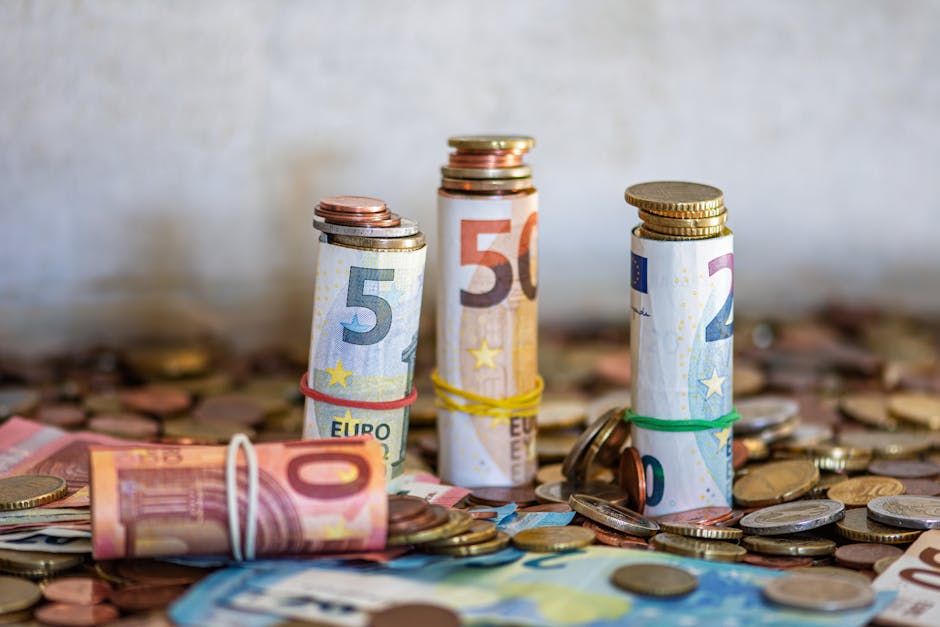
Money in Amsterdam is mostly straightforward (it’s the euro), but the city has a few quirks that catch out almost every first-time visitor — the Maestro-only-card problem, the predatory Euronet ATMs, the dynamic currency conversion trap, and the "you tipped how much?" cultural confusion. This complete Amsterdam currency and money guide covers everything: which cards work where, the best and worst ATMs, exchange-rate tactics, tipping etiquette, public-transport payment (OVpay), VAT refunds, and exactly how much cash to carry in 2026.
Money in Amsterdam, in one breath: the currency is the euro, and you’ll tap a contactless card or phone for almost everything. Carry around EUR 50 in cash for the handful of cash-only or Dutch-debit-only spots, withdraw from bank-branch ATMs (never the blue Euronet machines), always choose to be charged in euros, and tip modestly by rounding up. The rest of this guide is the detail behind those rules.
Paying in Amsterdam: What Works Where
A quick reference for which payment method to reach for in which situation. Acceptance is improving constantly, so treat the edge cases as “carry a backup,” not “never works.”
| Payment method | Where it works | Watch out for |
|---|---|---|
| Contactless card / Apple Pay / Google Pay | Almost everywhere: shops, cafes, trams, museums | The easiest default; bring a backup card too |
| Visa / Mastercard (chip) | Hotels, restaurants, big shops, attractions | Some small cafes and market stalls decline credit |
| Maestro / Dutch debit | Universal, including small shops | Most non-EU travellers don’t have it |
| Cash (euro) | Markets, small bakeries, toilets, some brown cafes | EUR 200/500 notes often refused |
| American Express | Hotels, fine dining, museums | Declined at many independents |
| Foreign currency (USD/GBP) | Nowhere | Exchange to euros first |
Amsterdam Currency: The Euro
- Official currency: the euro (€). Adopted 2002, replacing the Dutch guilder.
- Banknotes: €5, €10, €20, €50, €100, €200, €500 (rare).
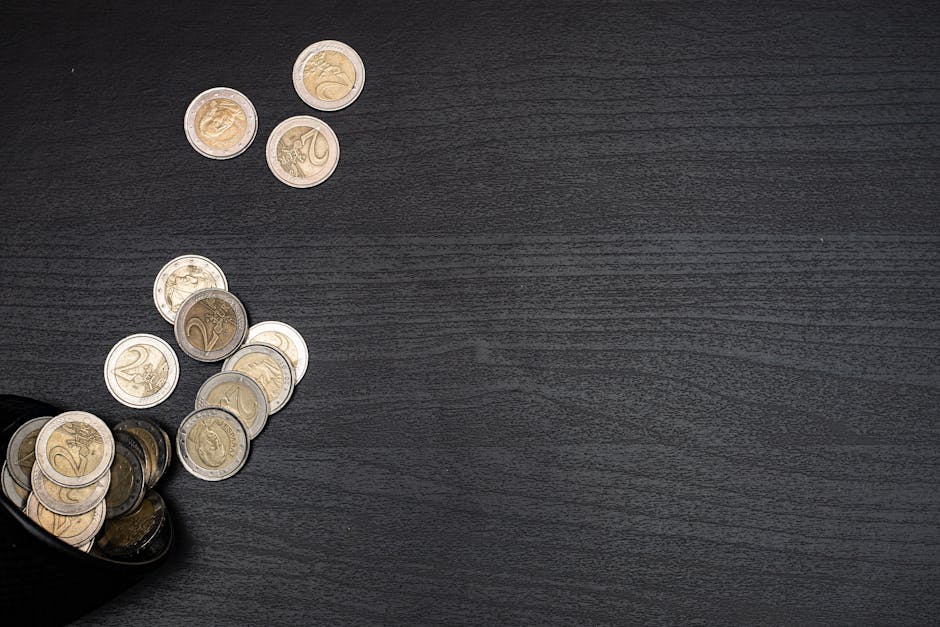
- Coins: 1c, 2c, 5c, 10c, 20c, 50c, €1, €2.
- 1 and 2 cent coins: legal but most Dutch shops round to the nearest 5 cents at checkout.
- USD, GBP, CHF not accepted: shops will refuse non-euro cash.
Cards: The Maestro Problem
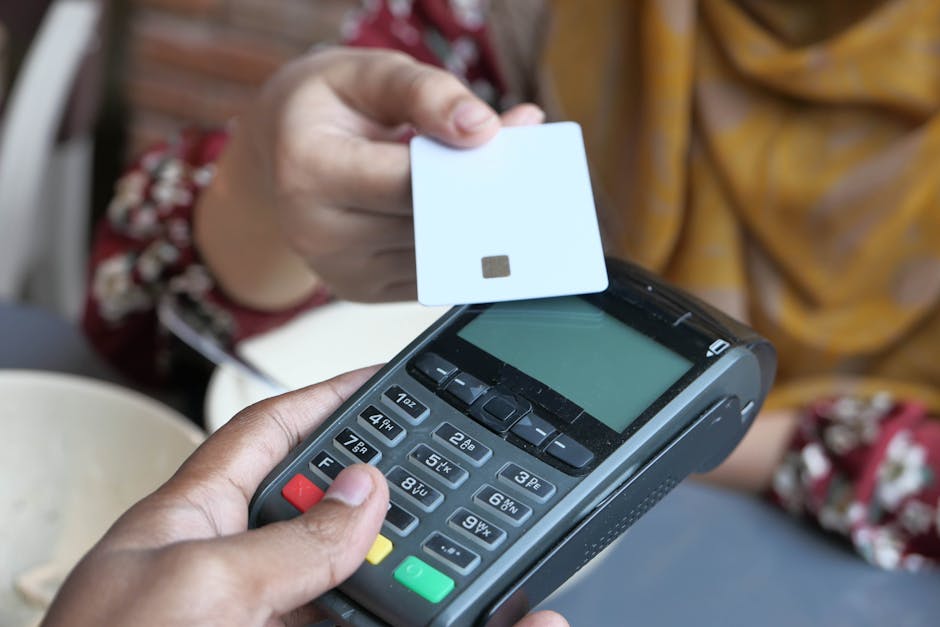
Here’s the quirk that catches everyone: many Dutch shops, especially small ones, accept Maestro/Dutch debit only — not Visa or Mastercard credit cards. This includes:
- Albert Heijn supermarkets (most accept Visa/MC; some Maestro-only)
- Small brown cafes in the Jordaan, De Pijp, Centrum
- Bakeries and small food shops
- Some independent restaurants
- Albert Cuyp Market stalls (mixed; many cash-only or Maestro-only)
- Some HEMA and smaller chain branches
- Most public toilets (€1 in cash)
What does work?
- Visa: widely accepted at hotels, restaurants, big supermarkets, museums, transport.
- Mastercard: accepted same as Visa.
- American Express: accepted at hotels, fine dining, museums; declined at many small shops.
- Maestro (Dutch debit): universal.
- Apple Pay / Google Pay / Samsung Pay: widely accepted; same as the underlying card.
- UnionPay, JCB, Discover: accepted at hotels and major chains only.
Best card to bring
- Wise (Borderless), Revolut, Monzo, Chime, Charles Schwab: no foreign transaction fees, great exchange rates.
- Capital One Venture, Chase Sapphire, AmEx Platinum: no FX fees + travel rewards.
- Carry two different brands (one Visa, one Mastercard) in case one is declined.
- Notify your bank before you travel to avoid fraud blocks.
ATMs: The Euronet Scam
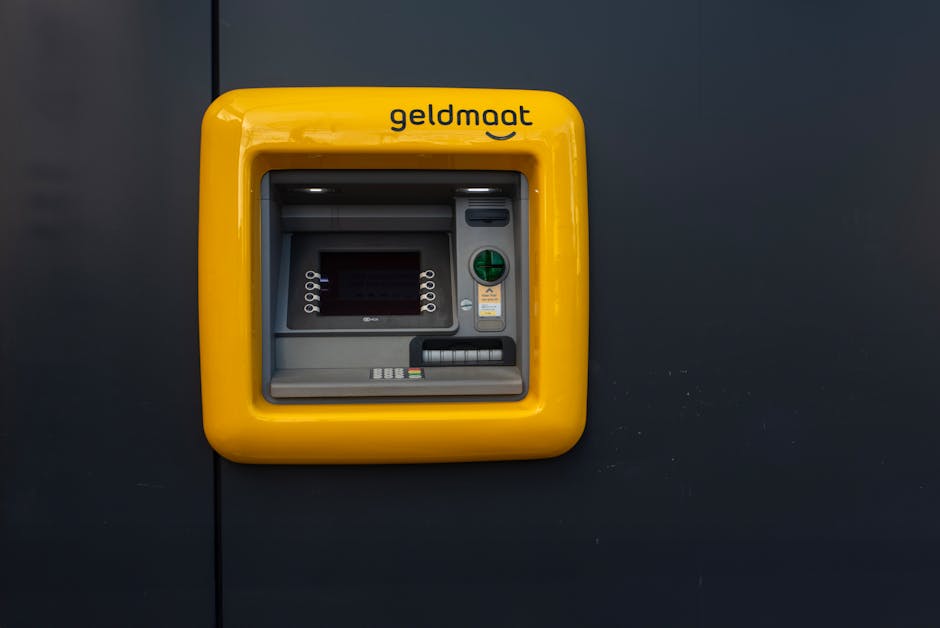
The single biggest money mistake tourists make: using the bright-blue Euronet ATMs that cluster near Centraal Station, Dam Square and the Red Light District. These overpriced machines are one of several money traps aimed at visitors — see our guide to common Amsterdam scams for skimming, fake-police and exchange-kiosk cons. They charge:
- €1.95-€4.99 per withdrawal fee.
- Up to 13% exchange-rate markup if you accept their "dynamic currency conversion" (DCC).
- Always available, always aggressive about DCC.
Use these ATMs instead
- ING: orange machines; ubiquitous in branches and at Centraal Station.
- ABN AMRO: green/black machines.
- De Volksbank / SNS: blue machines.
- Rabobank: red machines.
- All four free for foreign cards (your bank may still charge a small fee).
- Always decline DCC: choose to be charged in euros, not your home currency.
The Dynamic Currency Conversion Trap
At every ATM and every card payment terminal in Amsterdam, you’ll be asked: "Do you want to be charged in EUR or in [your home currency]?" Always choose EUR. Choosing your home currency triggers Dynamic Currency Conversion (DCC), which applies an inflated exchange rate — typically 3-7% worse than your bank’s rate, sometimes up to 13%. The convenience saves nothing; the inflated rate is pure profit for the terminal operator.
Currency Exchange
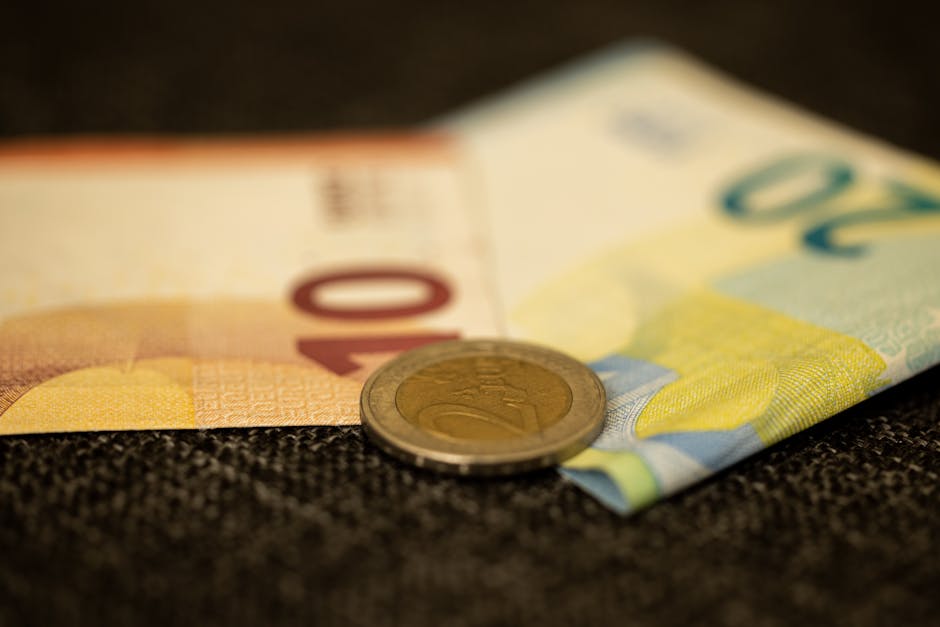
- Damrak exchange offices offer rates 8-15% worse than ATMs. Avoid.
- Schiphol Travelex: reasonable for emergencies; 4-5% markup.
- ING and ABN AMRO branches: best exchange rates; require accounts.
- Best approach: arrive with €100 cash from your home country (often best rate at your local bank), then use ATMs.
- Wise, Revolut, Monzo: top up an app card before flying; use as a debit card.
Tipping Rules
Service is built into Dutch menu prices by custom, not by law. Tipping is welcomed but not expected. Dutch culture is direct — over-tipping marks you as a tourist, not a generous customer.
- Restaurants: round up to the nearest €5 for good service; 5-10% for exceptional. Cash tip preferred (waiters see it).
- Brown cafes: round up to next euro.
- Taxis: round up to the next €5.
- Hotels: €1-2 per bag for porters; €2-3/day for housekeeping if you choose.
- Tour guides: free walking tour guides survive on tips; €10-15 per person is standard for a 3-hour tour.
- Hairdressers: round up.
- Spas and massages: 10% is generous.
- Don’t tip: museum staff, public transport drivers, takeaway shops, supermarket cashiers.
One practical note on the mechanics: Dutch card terminals usually don’t prompt you to add a tip the way North American machines do, so if you want to leave something on a card payment you generally have to say the total you’d like to pay before they ring it up. Cash is the cleaner option for tips — leave the coins or a small note on the table or in the bill folder, and the staff who served you actually see it. And don’t feel any pressure to tip on a quick coffee or a counter-service snack; rounding up is plenty, and walking out without leaving anything extra is completely normal for casual spots.
Public Transport Payment
- OVpay: tap your contactless bank card or phone on every tram, bus, metro and train. Pay-as-you-go.
- Daily cap: €10.50/day with OVpay on GVB (Amsterdam tram + bus + metro + ferry).
- OV-chipkaart: the anonymous card is no longer sold; existing cards work until the end of 2027. Use OVpay or the OV-pas instead.
- GVB Day Ticket: €10/24h, €16/48h, €21.50/72h — unlimited.
- Amsterdam & Region Travel Ticket: €23/1-day; includes airport, Keukenhof and Zaanse Schans buses.
See our complete OV-Chipkaart Guide for Tourists.
VAT Refunds for Non-EU Tourists
- Standard VAT: 21% on most goods (9% on food and some other items).
- Non-EU residents can claim back the 21% on purchases over €50 per receipt.
- Ask in the shop for a tax-free form (Global Blue or Premier Tax Free).
- Get the form stamped at Schiphol Customs before bag-drop.
- After flying, mail the form or submit at the Global Blue refund counter at Schiphol airside.
- Refunds typically take 4-8 weeks; minus a processing fee (usually €5-10).
- Not available on services (hotels, restaurants, transport).
Tourist Tax (Toeristenbelasting)
- 12.5% of room rate added at hotel checkout (one of Europe’s highest).
- Applied to hotels, B&Bs, hostels and licensed Airbnbs.
- Often not included in advertised rates — confirm at booking.
- Cannot be claimed back; pay in cash or by card at checkout.
How Much Cash to Carry
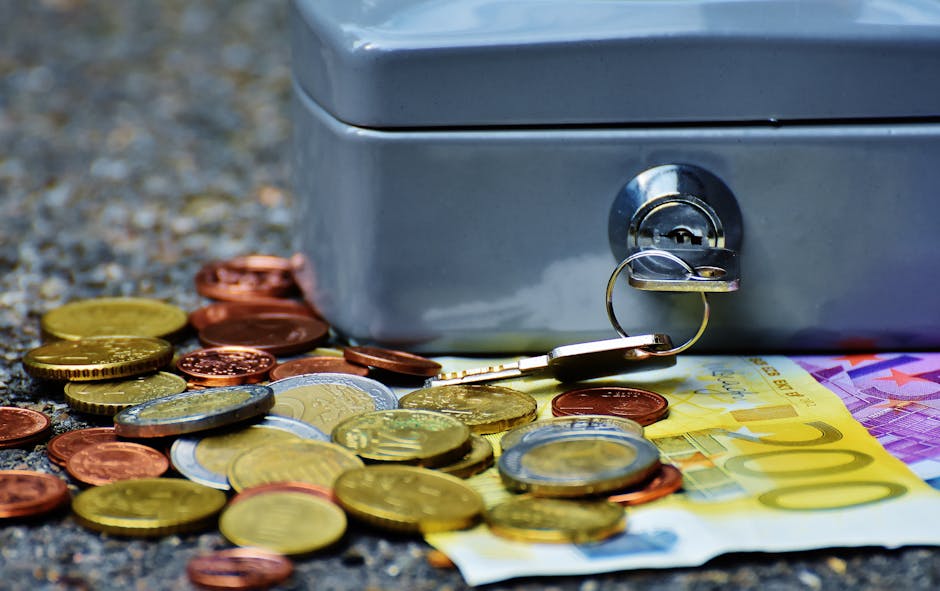
- €50-100 in small denominations covers most situations.
- Small bills (€5, €10, €20) work better than €100s.
- €500 notes: refused virtually everywhere.
- Always have €5 cash for small fees (toilets, market stalls, the occasional cash-only place).
- Don’t carry your entire trip in cash — split between wallet, hotel safe and a partner.
Typical Daily Costs (2026)
- Coffee: €3-5
- Beer (small): €5-7
- Brunch / cafe lunch: €12-18
- Mid-range dinner: €30-50 per person
- Fine dining: €100-300
- Cocktail at a rooftop bar: €13-17
- Glass of wine: €7-10
- Tram day ticket: €10
- Museum entry: €15-25
- Hotel mid-range: €160-280/night
- Canal cruise: €18-40 per person
- Bike rental: €11-15/day
Smart Banking Tips for Amsterdam
- Open a Wise or Revolut account before flying. Top up €200-500 and use the virtual or physical card.
- Set up transaction alerts on your bank app — instant fraud detection.
- Carry two different brands of card: Visa + Mastercard.
- Always decline DCC.
- Skim-protect your wallet: RFID-blocking sleeves for chip-and-contactless cards.
- If your card is skimmed: call your bank’s 24-hour international line immediately; freeze online.
- Travel insurance with theft cover is recommended.
- Photo your cards (front + back) and store in cloud storage in case of loss.
Emergency Money
- Western Union branches at most Amsterdam supermarkets and at Schiphol.
- Wise instant transfers: send from your home account to your phone wallet in minutes.
- Embassy cash advance: most embassies will help with small loans in genuine emergencies.
- Your hotel: many can do small cash advances on credit card.
Quick Rules for Amsterdam Money
- ✅ Use contactless Visa, Mastercard, Apple Pay or Google Pay 95% of the time.
- ✅ Carry €50-100 cash backup.
- ✅ Use ATMs only at major bank branches.
- ✅ Always choose to be charged in euros, never home currency.
- ❌ Avoid Euronet blue ATMs.
- ❌ Don’t bring traveller’s cheques (refused almost everywhere).
- ❌ Don’t exchange at Damrak kiosks.
- ❌ Don’t auto-tip 20% American-style.
Which Card Should You Actually Bring?
There’s no single “best” card — it depends on where you bank and how you travel. A few honest recommendations by situation, all assuming you want to dodge foreign-transaction fees and bad exchange rates:
- From the US: a no-foreign-fee credit card (many travel cards qualify) for purchases, plus a debit card that reimburses ATM fees for cash. Bring a Visa and a Mastercard so a decline at a small shop isn’t a crisis.
- From the UK or EU: your normal debit and credit cards usually work fine; a Monzo, Revolut or Wise card adds fee-free spending and a clean exchange rate.
- App-based accounts (Wise, Revolut): excellent here. Top one up before you fly, use it as your daily-spend card, and keep a traditional card as backup in the hotel safe.
- Whatever you bring: tell your bank you’re travelling so a Dutch transaction doesn’t trigger a fraud freeze, and load the cards into Apple Pay or Google Pay — phone payments are accepted almost everywhere and are harder to skim.
One quirk worth repeating because it genuinely catches people out: a non-EU credit card sometimes gets refused at supermarket self-checkouts and a few small shops that only take Dutch debit (Maestro) or contactless. It’s not a scam and it’s not your card being declined for funds — it’s just the terminal. Contactless or a bit of cash gets you through.
Splitting Bills and Paying Like a Local
The Dutch quite literally invented “going Dutch,” and splitting a bill evenly is completely normal — no one will think you’re stingy for asking to pay your share. In restaurants, staff are used to splitting the total across several cards; just say so when you ask for “de rekening” (the bill). Among locals, the app of choice is Tikkie, which sends a payment request by link; you probably can’t use it without a Dutch bank account, but if you’re travelling with Dutch friends, expect to be “Tikkie’d” for your part of dinner. For groups of visitors, a shared-expense app like Splitwise plus one person putting things on a no-fee card is the simplest approach.
Sample Daily Budgets by Travel Style
These are rough per-person daily figures for 2026, excluding your hotel and excluding flights. Amsterdam rewards a bit of restraint — the difference between the budget and mid-range day is mostly how often you sit down at table-service restaurants.
- Shoestring (around EUR 45-65/day): supermarket breakfast, a cheap-eat lunch (falafel, FEBO, a market sandwich), one casual dinner, walking everywhere or a day tram pass, free sights and one paid museum every other day.
- Mid-range (around EUR 90-140/day): cafe breakfast, a relaxed lunch, a mid-range dinner with a drink, a museum or canal cruise, and a day pass for transport.
- Comfortable (EUR 200+/day): table-service meals throughout, cocktails, multiple paid attractions, the occasional taxi, and a guided tour.
Accommodation is the big variable and the one with the heaviest taxes, so build it separately. For a full line-by-line costing of a trip, our Amsterdam trip cost breakdown does the maths, and the wider trip planning guide helps you shape the itinerary around your budget.
Common Money Mistakes Tourists Make
- Accepting dynamic currency conversion. Saying “yes, charge me in dollars/pounds” at a terminal or ATM quietly costs you several percent every time. Always pick euros.
- Using exchange kiosks on Damrak. Their rates run well below an ATM’s. Withdraw euros instead.
- Bringing only one card. One decline or one skimmed card and you’re stuck. Carry two brands, stored separately.
- Carrying no cash at all. A handful of markets, toilets and old cafes still want euros in hand.
- Over-tipping American-style. A 20% tip marks you out; rounding up or 5-10% for good service is the local norm.
- Forgetting the VAT refund. If you’re a non-EU visitor making a big purchase, ask for the tax-free form in the shop and get it stamped at Schiphol before you fly.
- WiFi, SIM cards and eSIM — staying connected without roaming bills.
A Few Dutch Words for Paying
You won’t need them — staff switch to English instantly — but a couple of phrases smooth the moment of payment and tend to earn a friendlier response. “Pinnen, alstublieft” means “I’ll pay by card, please”; “contant” is cash; “de rekening, alstublieft” asks for the bill; and “mag ik pinnen?” politely checks whether card payment is accepted before you order. Our full list of essential Dutch phrases for tourists covers numbers, greetings and the rest of the shopping vocabulary. While you’re sorting the practical side of your trip, it’s also worth a look at whether Amsterdam is safe for tourists — short version, very.
ATM Fees, Explained Properly
There are up to three separate charges that can land on a single ATM withdrawal, and understanding them is how you avoid paying all three. First, the machine’s own operator fee — bank-branch ATMs from ING, ABN AMRO, Rabobank and De Volksbank generally charge foreign cards nothing for the withdrawal itself, while freestanding Euronet machines tack on a few euros every time. Second, your home bank’s foreign-ATM or foreign-transaction fee — this is set by your bank, not the Dutch one, so a fee-free travel account is what kills it. Third, and the sneakiest, the dynamic currency conversion markup, which appears as a friendly offer to “lock in” your home-currency amount. Decline it: choosing euros sends the conversion to your own bank at a far better rate. Withdraw a sensible lump sum rather than lots of small amounts, and you’ll keep total fees close to zero.
Paying for Transport, Day Trips and Parking
Day-to-day transport is the easiest spend in the city: tap any contactless bank card or phone on the reader as you board a tram, bus or metro and tap off again when you leave, and the system (OVpay) charges you correctly, with a daily cap on Amsterdam’s GVB network. The same card works on trains, including the run to and from Schiphol. If you’d rather have a fixed-price pass, the GVB day tickets and the regional travel ticket are sold at machines and the GVB desk. The mechanics — caps, passes and the old reloadable card — are laid out in our OV-chipkaart and OVpay guide and the broader getting around Amsterdam guide.
If you’re driving — generally a bad idea in the centre, where parking is among the most expensive in Europe — note that street parking is paid by app or machine and enforced strictly, and that park-and-ride sites on the edge of the city are far cheaper and let you finish the journey by metro. Heading out of town to Keukenhof, Zaanse Schans or the coast? You’ll usually pay by contactless or buy a combination transport ticket; our day trips from Amsterdam guide covers the options. Wherever you go in the Netherlands, it’s still euros and the same cards, so there’s nothing extra to organise.
Amsterdam Money: FAQ
What currency is used in Amsterdam?
The euro (€). The Netherlands adopted the euro in 2002.
Are credit cards widely accepted in Amsterdam?
Yes, but with a quirk: Maestro/Dutch debit is universal. Visa/Mastercard credit work at hotels, restaurants and big shops, but smaller cafes, bakeries and market stalls often accept Maestro only. Bring backup cash.
How much should I tip in Amsterdam?
Service is built into menu prices by custom, not law. Round up to the nearest €5 for good service at restaurants; 10% for exceptional. Brown cafes: round up to next euro. Don’t tip 20%.
What’s the best ATM in Amsterdam?
Any bank-branch ATM: ING, ABN AMRO, De Volksbank, Rabobank. Avoid the bright-blue Euronet machines.
How much cash should I bring to Amsterdam?
€50-100 in small denominations. Use cards for the rest.
Can I get a VAT refund as a tourist?
Non-EU residents can claim back up to 21% VAT, less the refund operator’s fee, as long as the goods total at least €50 per shop. Get the form stamped at Schiphol Customs before flying.
What’s the tourist tax in Amsterdam?
12.5% of the room rate, added at hotel checkout. Not always included in advertised rates.
Final Thoughts
Amsterdam money is mostly easy — euros, contactless cards, well-supported ATM network — but the Euronet trap and the Maestro-only quirk catch out almost everyone. Bring a Wise or Revolut card, two different brands of credit card, a €100 cash backup, and you’ll never have a payment surprise. Tip modestly. Decline DCC. Enjoy the city.
For more, see our Practical Amsterdam Information hub, our Amsterdam Safety Guide, and our Amsterdam Trip Cost Breakdown.
Related Amsterdam guides
- Tap water, plugs & basics — the small practicalities nobody explains.