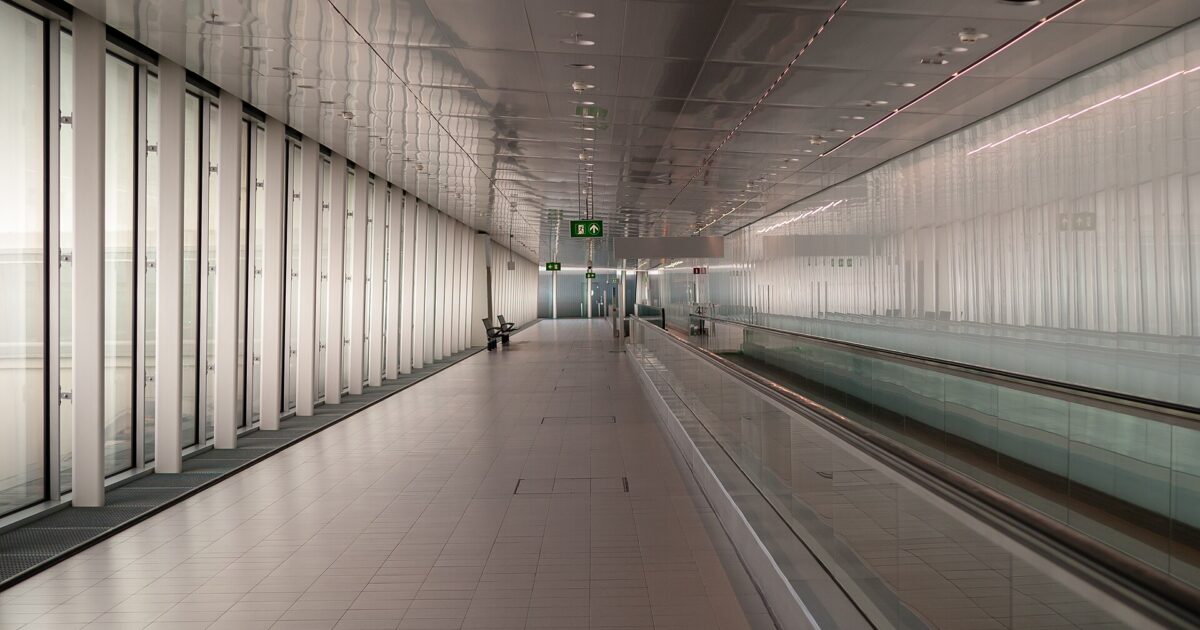
A Schiphol layover is one of the more forgiving connections in Europe. It is a single terminal, the train station is directly underneath it, Amsterdam Centraal is fifteen to twenty minutes away for about €6, and the airport itself is unusually pleasant to be stuck in. With four hours you can eat properly and see a retired airliner. With eight you can be standing in front of a Rembrandt.
But 2026 has added a complication that changes every calculation on this page, and it needs stating before any of the fun bits. The EU’s Entry/Exit System came into force across the Schengen area on 10 April 2026, replacing passport stamps with biometric registration for non-EU travellers, and border waits at Schiphol have run to around two hours — roughly fifty per cent longer than before. If you are not an EU or Schengen national, that queue sits between you and the city, and it also sits between you and a connecting Schengen flight. Everything below assumes you have read that paragraph.
What you can do with a Schiphol layover
Times below are for travellers who can clear the border quickly. Non-EU passport holders should add up to two hours in each direction in 2026 and adjust every row downwards.
| Layover | Realistic plan | Leave the airport? |
|---|---|---|
| Under 3 hours | Walk to the gate, eat, sit down | No |
| 3–5 hours | Panorama Terrace, a proper meal, a shower | Not worth it |
| 5–7 hours | Centraal, the canal ring, one coffee, back | Only with an EU passport |
| 7–10 hours | One museum, lunch, a walk | Yes |
| 10–14 hours | A genuine half-day in the city | Yes |
| Overnight | Airside cabin or an airport hotel | Depends on the hour |
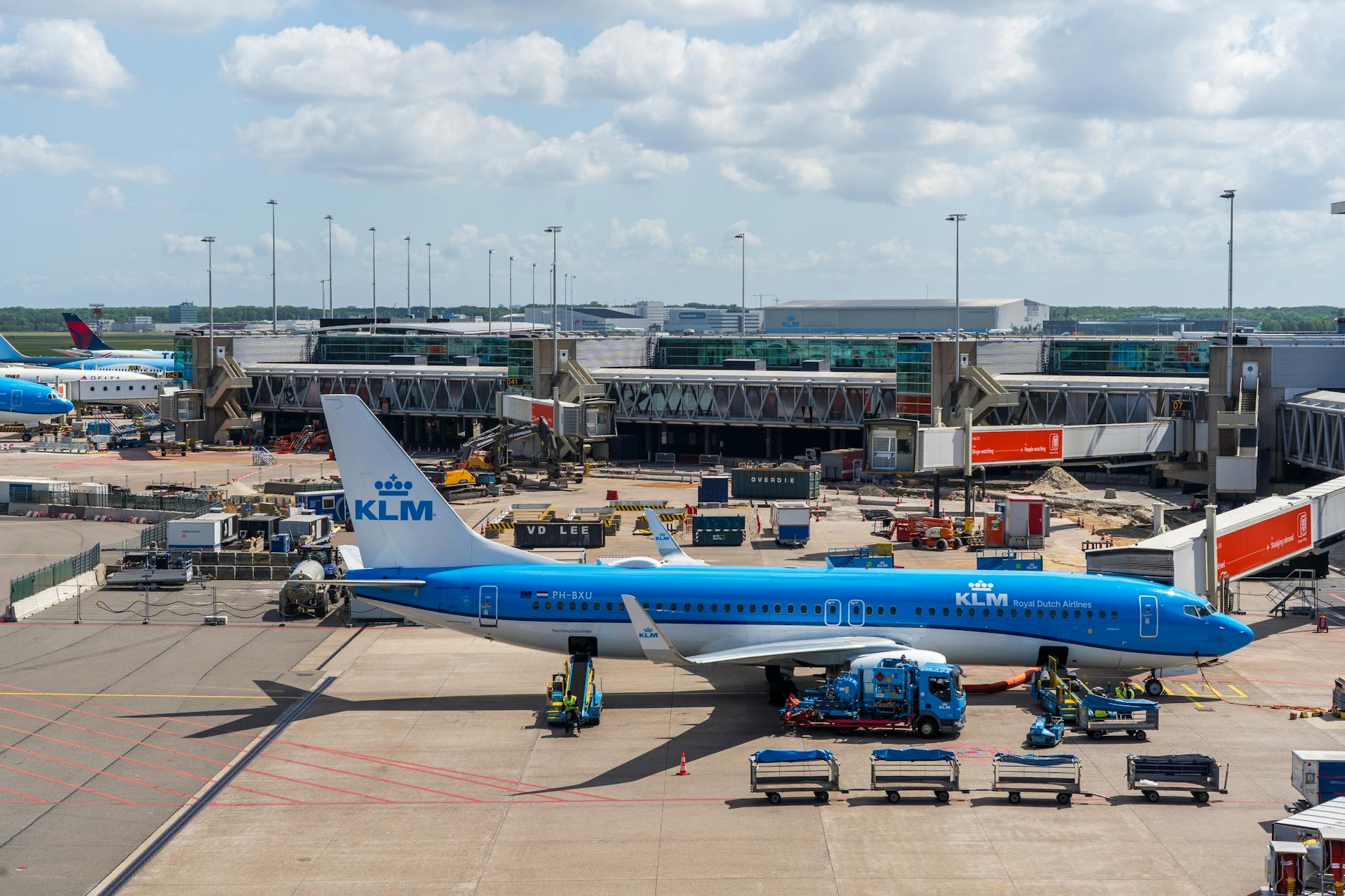
The 2026 border problem, in detail
EES registers every non-EU traveller’s fingerprints and a facial photograph on first crossing, then verifies them on subsequent ones. In principle it will speed things up eventually. In practice, through 2026, it has lengthened queues considerably: Schiphol installed 161 self-service kiosks so passengers can pre-register before reaching a border guard, and even so waits of around two hours have been common at peak times. A temporary permission to switch off the biometric step during the worst congestion ran only to early September 2026, so assume the full process applies and check the current position before you fly.
What this means practically:
- If both your flights are non-Schengen — say Delhi to Amsterdam to New York — you never cross the border and none of this applies to you. Stay airside, ignore the queues, enjoy the airport.
- If you are transferring from a non-Schengen arrival to a Schengen departure, you pass through EES. KLM’s published minimum connecting time is 50 minutes for connections involving non-Schengen flights; in 2026 that is a floor rather than a plan, and two to two and a half hours is the realistic figure. The airline’s own chief executive said in July 2026 that passengers were missing connections because of border control.
- If you want to leave the airport on a non-EU passport, budget the queue twice — once going in, and once on the way back through security. That is potentially three hours of your layover gone before you have seen anything.
- Schengen-to-Schengen connections are unaffected, with a published minimum connecting time of 40 minutes.
The blunt version: in 2026, a six-hour layover on a non-EU passport is an airport layover. It was a city layover in 2024. Plan accordingly and you will not be disappointed; plan on the old numbers and you will miss a flight.
Under three hours: stay where you are
Schiphol is one terminal, but it is a large one, and the walk from Departures 1 to a gate at Pier M can take twenty-five minutes at a normal pace. Piers B, C and D are Schengen; E, F, G and H/M are non-Schengen, with Pier D split across two levels serving both. Check your gate on the screens rather than assuming, because gates change here more than at most airports.
Use the time to eat something better than the first thing you see, and to book a free security time slot if you have not already — they are available online and in the Schiphol app, and after the security operation changed in May 2026 they are genuinely worth having.
Three to five hours: the airport is better than you think
This is the sweet spot for staying put, and Schiphol rewards it more than most airports.
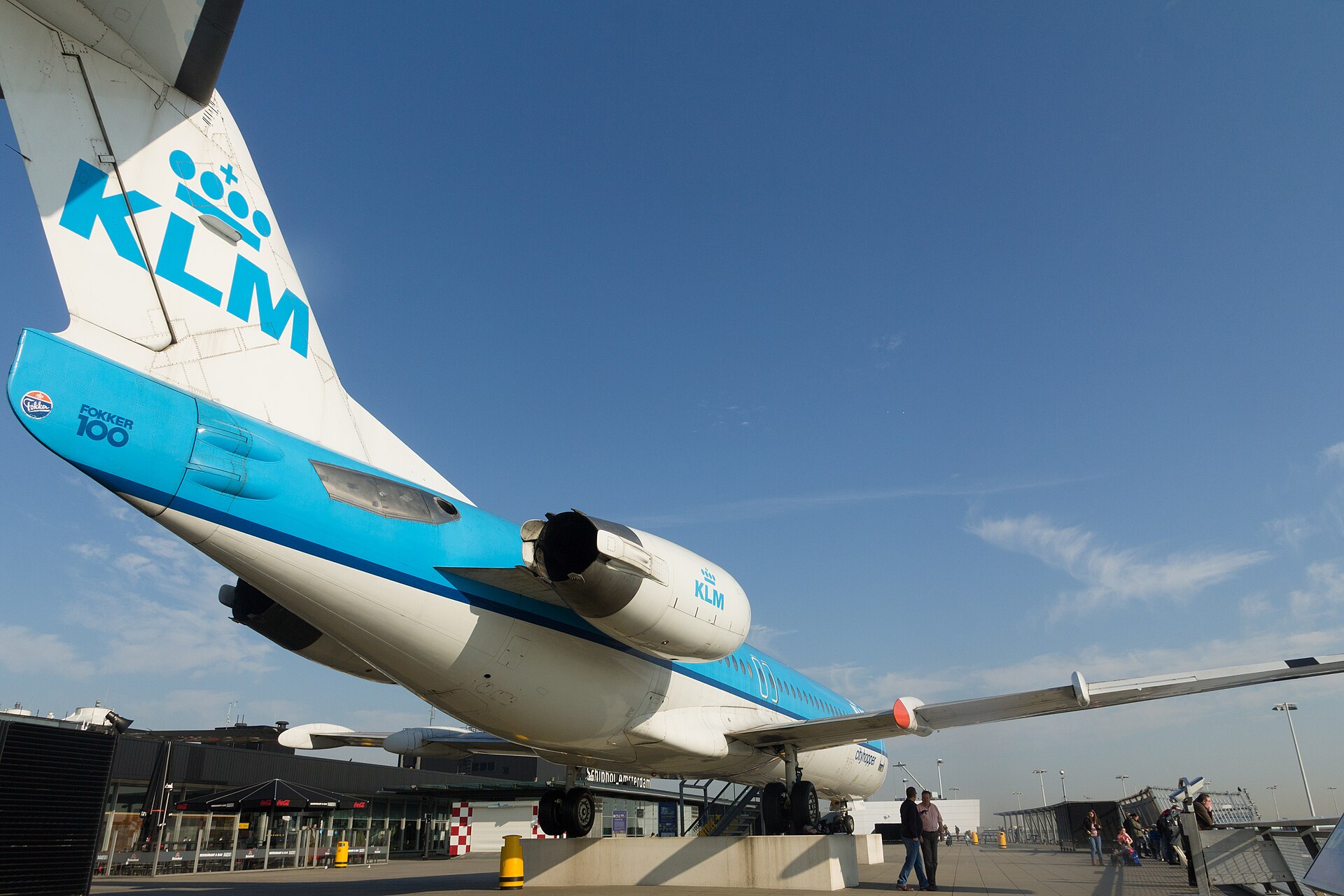
The Panorama Terrace is landside, free, open air, and has a retired KLM Fokker 100 parked on it that you can walk around. It is the single best thing to do here with two spare hours, and almost nobody who is not a plane enthusiast knows it exists. Note that it is landside, so you will pass back through security afterwards.
The silence centre — a meditation space open to anyone, of any faith or none — is a genuinely useful room to know about at hour six of a long journey. There is also an indoor park area with greenery and seating that is far more comfortable than a gate.
Showers. Free showers sit on the upper level of Lounges 2 and 3, open 24 hours; bring your own towel and soap. If you would rather have everything provided, YOTELAIR sells a single-use shower for around €17.50. Arriving off a long-haul flight and showering before the next one changes the whole day.
Lounges. The KLM Crown Lounge 25 serves Schengen departures and Crown Lounge 52 the non-Schengen side near Pier F; Aspire No. 41 accepts Priority Pass, DragonPass and walk-up entry. Paid access runs roughly €45 to €75 and is demand-priced. For four hours with work to do, that is defensible; for two hours it is not.
Food. Schiphol Plaza landside has a full Albert Heijn supermarket, which is the cheapest food in the building by a wide margin and an easy way to assemble a decent lunch. Airside the options are better than average but priced as airports are.
Five to seven hours: the city dash
Possible on an EU or Schengen passport, marginal on anything else in 2026. The arithmetic: twenty minutes to clear the airport and reach the platform, fifteen to twenty on the train, and you must be back through security with time to reach a gate that might be twenty-five minutes’ walk away. Take three and a half hours off your layover before you start planning what to see.
With the ninety minutes to two hours that leaves, do exactly one thing. Walk out of Centraal, cross the water, and go straight down into the canal ring — Herengracht, Keizersgracht, Prinsengracht — then loop back through the Nine Streets for a coffee and a stroopwafel. That is the postcard, it is entirely walkable from the station, and it is the correct use of ninety minutes.
Do not attempt a museum on this timeline. The Van Gogh Museum is timed-entry and the Anne Frank House needs booking six weeks ahead; neither survives contact with a train you might miss.
Seven to ten hours: one museum and lunch
Now it is a real visit. Four to six usable hours in the city is enough for one major thing done properly, plus food and a walk.
Our recommendation is the Rijksmuseum, for a specific and practical reason: it takes a start time but rarely sells out, so you can book it the morning of your layover rather than weeks ahead. It is €25, open daily 09:00 to 17:00, and a focused two hours in the Gallery of Honour is a genuinely great use of a layover. Tram 2 or 12 from Centraal takes about fifteen minutes.
If art is not the point, the alternatives that work on this timeline are a canal cruise at €16 to €22 for an hour, which requires no booking and starts near the station; the Vondelpark in good weather; or simply lunch somewhere real and a long walk. Our two-day itinerary has the shape of a proper first visit if this layover is turning into one.
Set an alarm for the return train and do not push it. The trains are frequent and reliable, but “frequent” becomes irrelevant when you are three minutes late for the one you needed.
Ten to fourteen hours: a genuine half-day
Six to nine hours in the city is a real visit, and worth planning rather than improvising. A shape that works: leave your bags at the airport, take the train in, do one museum in the morning, eat lunch in De Pijp or the Jordaan, walk the canals in the afternoon, and be back on a train with two and a half hours to spare.
Buy a GVB 24-hour ticket at €10 if you plan to use trams more than twice; otherwise contactless OVpay at €1.50 to €3 a ride is simpler. Our public transport guide covers both, and our Schiphol to Amsterdam guide has the train, the bus 397 to Museumplein and the taxi option at €50 to €65.
A note on the bus: the Airport Express 397 goes to Museumplein and Leidseplein rather than Centraal, which makes it the better choice if the museums are your plan. It takes longer than the train but drops you where you actually want to be.
What to do with your luggage
If your bags are checked through to the final destination, you have nothing to do. If they are not, or you have cabin bags you would rather not carry around a museum, Schiphol has good storage.
- Staffed storage is on Level -1 between Arrivals 1 and 2, open 24 hours, and takes items for up to 30 days.
- Automated lockers sit airside on Holland Boulevard and in Lounges 1 and 2, take items for up to seven days, and start from about €8 per 24 hours.
- Rates run roughly €6 for hand luggage, €9 for hold luggage and €12 for oversized items per 24 hours. There are four airside points and one landside.
Two practical points. Storage is landside or airside, not both, so put your bag where you will be. And leave fifteen minutes for retrieval on the way back — the queue at the staffed desk is not always short.
Overnight layovers
Three options, in order of how much you care about sleep.
YOTELAIR is airside in Lounge 2 and is the answer if you are not clearing the border. Four-hour blocks start from about €52 for a single cabin, €75 for a premium and €95 for a family room; overnight from about €95. You need a boarding pass to be there. The cabins are windowless and compact and do exactly one job well.
An airport hotel, if you are clearing immigration anyway. The Sheraton connects to Schiphol Plaza by covered walkway, the Hilton is a short covered walk, and citizenM is about five minutes on foot and considerably cheaper. Our hotels near Schiphol guide compares the whole field including the shuttle belt.
Sleeping in the terminal is tolerated and Schiphol Plaza stays open through the night, but it is a concourse rather than a lounge and it is neither warm nor quiet. Do it if you must; do not plan it if you have any alternative.
Getting into the city, step by step
- Follow signs to Schiphol Plaza, which is the landside concourse directly above the railway station. Everything — trains, buses, taxis, the supermarket — opens off it.
- Buy a ticket at a machine or tap in with a contactless card. The fare to Centraal is about €6. Remember to tap out at the other end, because forgetting is the most common and most expensive mistake visitors make on Dutch trains.
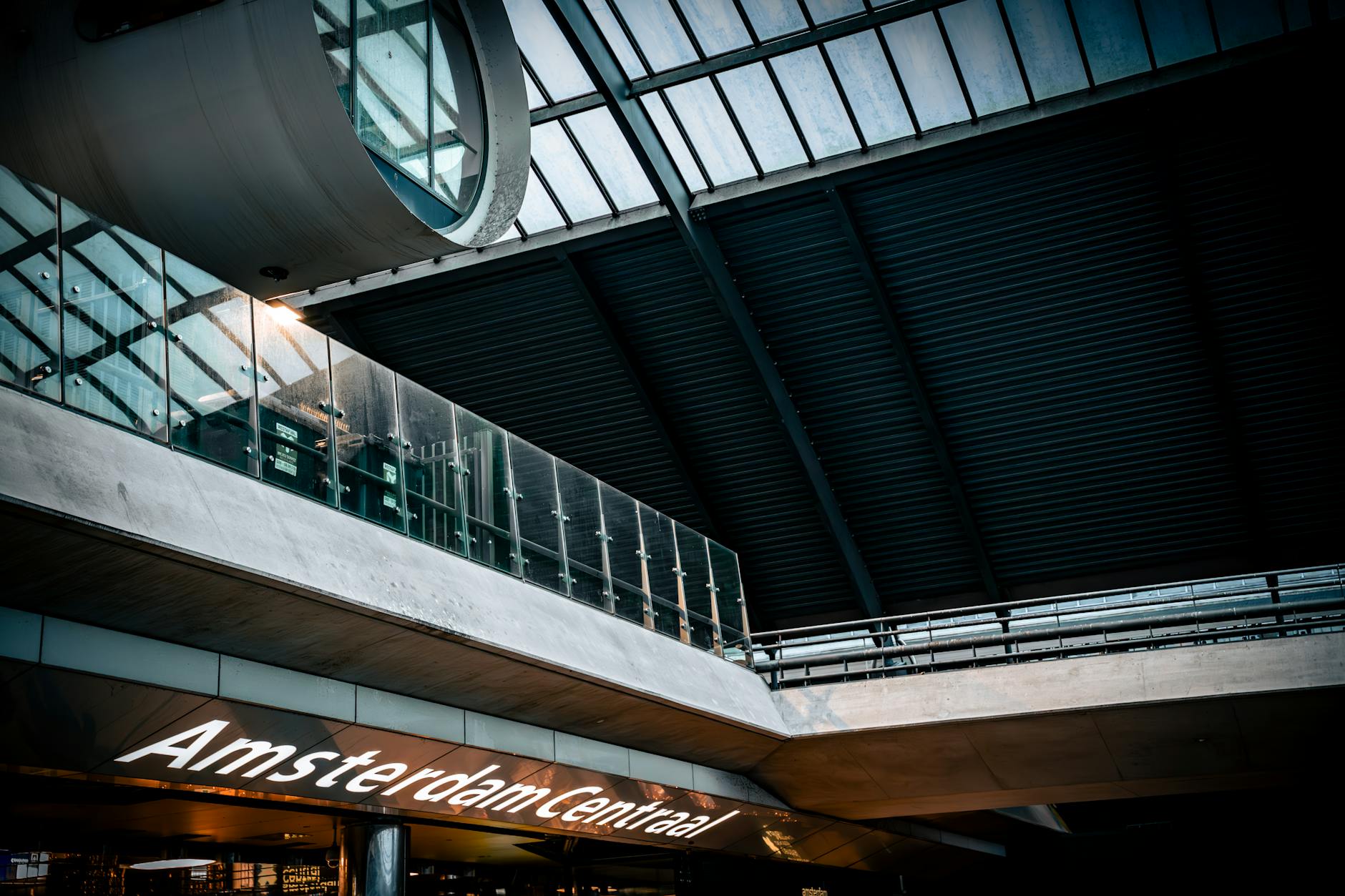
- Take any train to Amsterdam Centraal, several an hour, 15 to 20 minutes. Trains also run to Amsterdam Zuid and Sloterdijk, which are useful if your plan is in the south or west of the city.
- Coming back, allow twenty minutes more than you think. Platform announcements are in Dutch and English, and trains occasionally split.
- Reserve a security time slot for your return through the app. It is free and it removes the one variable you cannot otherwise control.
Working, wifi and power
If the layover is a working morning rather than a sightseeing opportunity, Schiphol handles it well. Wifi is free and unlimited throughout the building, power sockets are plentiful at the newer gates and along the piers, and the seating in the quieter piers is far better than in the central shopping areas. The Netherlands uses the standard European two-pin socket at 230 volts, so bring the usual adapter — our practical basics guide covers the details.
The useful trick is to walk away from the middle. Departure areas near the central shopping concourse are the busiest and noisiest part of the airport; go out along your pier and the same building becomes quiet, well lit and half empty. If you need three hours of concentration and do not want to pay for a lounge, that is where to spend them.
Shopping, and the tax refund trap
Schiphol’s airside shopping is extensive and, on the usual airport terms, reasonably priced — the Dutch specialities worth buying are cheese, stroopwafels and gin, none of which is a bad souvenir. Tulip bulbs sold at the airport are certified for export in a way that the ones on the flower market frequently are not, which matters if you are flying somewhere with agricultural controls.
One thing to get right if you have been shopping in the city: VAT refunds must be processed before you check in your bag, because customs may want to see the goods. If your layover includes a trip into Amsterdam and a significant purchase, build the refund into your return to the airport rather than discovering the desk after you have dropped your suitcase. Our tax-free shopping guide explains the thresholds and the paperwork.
Layovers in the middle of the night
Schiphol does not close, but it does thin out. Between roughly midnight and five in the morning many shops and restaurants shut, some piers are closed off and the atmosphere in the central concourse becomes noticeably less welcoming. Trains to Amsterdam still run, at a reduced overnight frequency with gaps of an hour or more, so a night arrival with a morning departure is workable but not comfortable.
For a genuinely nocturnal layover the honest options are the airside cabins, an airport hotel if you are clearing the border anyway, or a hard night in Schiphol Plaza with your bag as a pillow. If you know in advance that you will be here at three in the morning, spend the €52 on four hours of horizontal sleep. It is the best value in this entire guide.
Mistakes people make on a Schiphol layover
- Using pre-2026 timings. Every blog post written before April 2026 assumes a border you can cross in twenty minutes. That is no longer true for non-EU passports.
- Booking a timed-entry museum. The Van Gogh Museum and the Anne Frank House cannot absorb a delayed inbound flight, and neither refunds one.
- Forgetting the walk. A gate at Pier M is a long way from security. Look at where you are flying from before you decide how much time you have.
- Assuming bags are checked through. Confirm it at the first check-in desk, particularly on separately booked tickets, which are also the tickets nobody will re-route for you.
- Cutting it fine on a self-transfer. If your two flights are on separate bookings, a missed connection is entirely your problem. Add hours, not minutes.
- Not eating. A five-hour layover is a good opportunity to have a proper meal sitting down, and the Albert Heijn in Plaza makes a decent one cheap.
One last thing worth saying, because it is easy to lose sight of: Schiphol is a genuinely good airport to be stuck in. It is clean, calm, well signposted and full of daylight, with a free open-air terrace and a real supermarket. A four-hour layover here is not a punishment. Our complete Schiphol guide covers the rest of the building.
Keep Exploring
- Schiphol Airport: the complete guide
- Getting from Schiphol to Amsterdam
- Hotels near Schiphol Airport
- Amsterdam public transport guide
- Rijksmuseum visitor guide
- Amsterdam in two days
- The canal ring
- Visa requirements for the Netherlands
- Amsterdam packing list
Frequently asked questions
How long a Schiphol layover do I need to leave the airport?
Six hours as an absolute minimum on an EU passport, and realistically seven or more. On a non-EU passport in 2026, border waits of around two hours each way mean you want ten hours before leaving the airport is sensible.
What is the minimum connecting time at Schiphol?
KLM publishes 40 minutes for Schengen-to-Schengen and 50 minutes where a non-Schengen flight is involved. In 2026 those are floors rather than plans — for a non-Schengen arrival feeding a Schengen departure, allow two to two and a half hours.
Why are the passport queues so long?
The EU Entry/Exit System came into force on 10 April 2026 and registers biometrics for non-EU travellers. Schiphol added 161 self-service kiosks, but waits of around two hours have still been common, roughly fifty per cent longer than before.
Do I go through passport control if both flights are outside Schengen?
No. A non-Schengen to non-Schengen connection stays entirely airside and you never cross the border. This is the easiest kind of Schiphol layover and none of the EES delays apply to you.
Can I get to Amsterdam and back in four hours?
No. Between clearing the airport, the train each way, security on the return and the walk to a gate, four hours leaves you nothing. Stay in the terminal — the Panorama Terrace and a proper meal are a better use of it.
How much is the train to Amsterdam Centraal?
About €6 one way for a 15 to 20 minute journey, with several trains an hour and a reduced overnight service. The station is directly beneath the terminal, so there is no transfer at the airport end.
Where can I leave my bags?
Staffed storage on Level -1 between Arrivals 1 and 2, open 24 hours and taking items for up to 30 days, plus automated lockers airside on Holland Boulevard and in Lounges 1 and 2. Roughly €6 hand, €9 hold, €12 oversized per 24 hours.
Can I shower at Schiphol?
Yes. Free showers on the upper level of Lounges 2 and 3, open around the clock, if you bring a towel and soap. YOTELAIR sells single-use showers at about €17.50 with everything provided.
Is there somewhere to sleep airside?
YOTELAIR in Lounge 2 sells four-hour blocks from about €52 and overnight stays from about €95. You need a valid boarding pass. It is the only way to lie down properly without clearing immigration.
Is a lounge worth paying for?
At €45 to €75, worth it for four hours or more, especially if you need to work or want a real meal included. For a two-hour connection it is not, and the free terrace and the supermarket cover most of what you actually need.
Which museum can I do on a layover?
The Rijksmuseum, because it takes a start time but rarely sells out, so you can book it the same morning. Avoid the Van Gogh Museum and the Anne Frank House — both need booking well ahead and neither tolerates a delayed flight.
Do I need a visa to leave the airport?
If you need a Schengen visa to enter the Netherlands, you need one to leave the transit area. Check your own nationality’s position before planning anything outside the terminal — our visa requirements guide covers the basics.
Is the wifi free?
Yes, free and unlimited throughout the airport, with plenty of power sockets along the piers. For quiet working space, walk away from the central shopping concourse and out along your pier — the same building becomes half empty within a few hundred metres.
Can I claim a VAT refund on a layover?
Only if you process it before checking in a bag, since customs may ask to see the goods. If your layover involves shopping in the city, plan the refund into your return to the airport rather than doing it after bag drop.
What if I miss my connection?
On a single booking the airline rebooks you and, if the delay is theirs, arranges accommodation. On separate bookings it is your problem entirely, which is the strongest argument there is for not cutting a self-transfer fine at a border that is currently taking two hours.