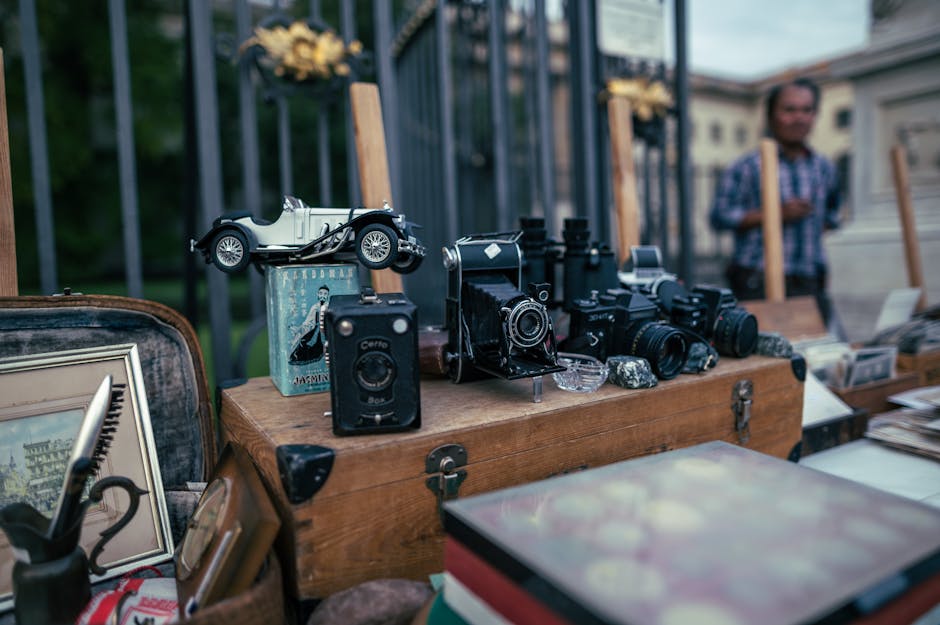
Amsterdam’s flea markets and antique shops are the city’s secret retail therapy — from the Waterlooplein flea market, open six days a week, to IJ-Hallen at NDSM, billed as the biggest flea market in Europe, plus the antique-specialist Spiegelkwartier and dozens of vintage clothing stores. This guide covers all the major markets, antique districts, vintage shopping streets, and the etiquette of haggling Amsterdam-style.
Quick Picks
- Six-day flea market: Waterlooplein (Mon-Sat).
- Biggest market: IJ-Hallen at NDSM (one weekend roughly every three weeks; dates on ijhallen.nl).
- Best for antiques: Spiegelkwartier district.
- Best antiques morning: Noordermarkt (Monday).
Waterlooplein Flea Market
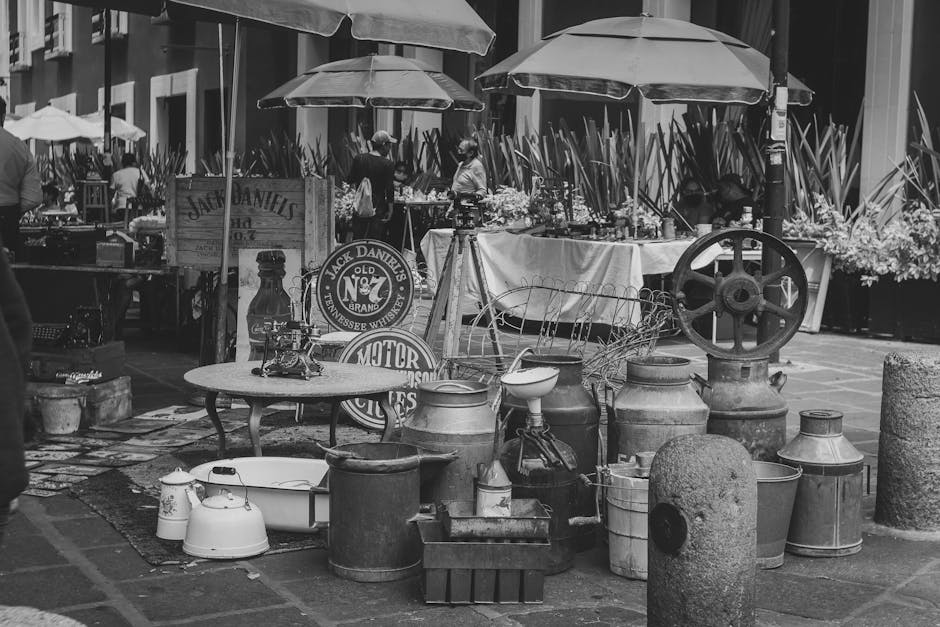
- Where: Waterlooplein, east central (in front of the Stopera).
- When: Mon-Sat 09:30-18:00. Closed Sunday.
- Founded: the square dates from 1882 and the daily market from 1893; originally the Jewish market.
- Size: 300+ stalls.
- What’s sold: vintage clothes, bikes, antiques, posters, military surplus, ethnic crafts, leather, books, vinyl records, electronics, costume jewellery.
- Best for: bargain hunting, second-hand finds, vintage clothing.
- Best time: arrive at the 09:30 opening for the best selection.
- Best deals: late afternoon when sellers want to clear out.
IJ-Hallen at NDSM

- Where: NDSM-Werf, Noord. Free ferry from Centraal.
- When: one weekend roughly every three weeks, 09:00-16:30; the next editions are 10-11 October and 31 October-1 November 2026. Indoors in autumn and winter, outdoors in spring and summer.
- Entry: €6.50 adults, €3 children; early-bird entry from 06:00 is €11.
- Size: 600 stands at indoor editions, up to about 750 outdoors; the organisers call it Europe’s largest flea market.
- Vendors: only private sellers (rule of the market) — items aren’t sold at other markets.
- What’s sold: vintage furniture, clothing, books, vinyl, art, electronics, oddities.
- Setting: converted shipyard warehouses + outdoor stalls.
- Best for: serious flea-market hunters; one-of-a-kind finds.
- Logistics: bring cash, sturdy bag, comfortable shoes — covers a lot of ground.
Spiegelkwartier Antiques District
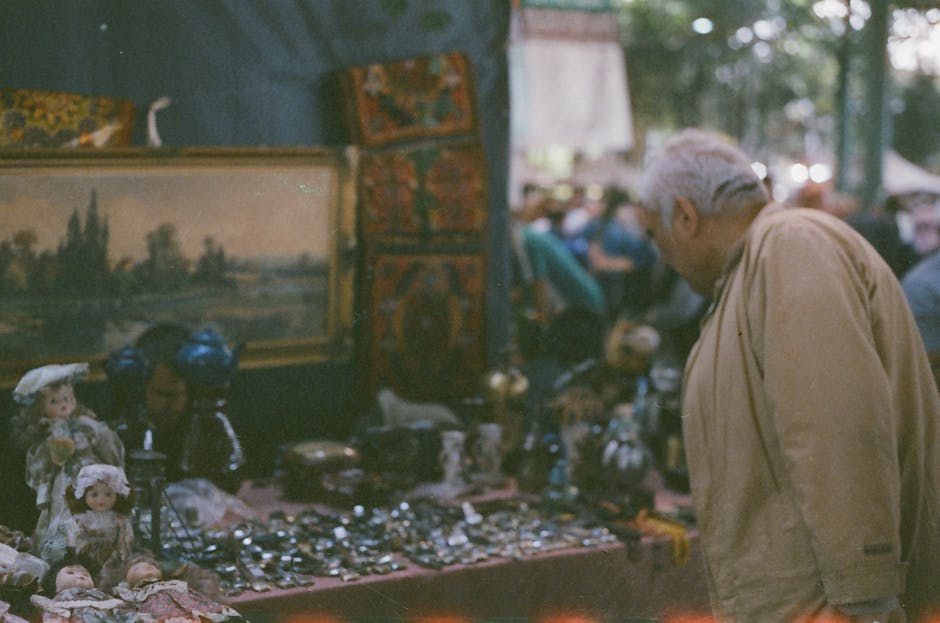
- Where: Spiegelgracht / Nieuwe Spiegelstraat, between Rijksmuseum and Leidseplein.
- What: dozens of specialist antique shops and galleries.
- Specialities: 17th-century Dutch paintings, Delftware, Asian art, modern design, silver, antique furniture.
- Hours: each shop sets its own, so check before you go.
- Prices: serious — expect gallery prices for major pieces.
- Annual event: Spiegelkwartier Open House — second weekend of September.
- Best for: serious collectors, interior designers, lovers of fine objects.
Antiekcentrum Amsterdam
- Where: Elandsgracht 109 (Jordaan).
- What: Indoor antique market with about 150 dealers across more than 1,750 m² under one roof.
- When: check opening days and hours on the Antiekcentrum’s own website before you go.
- What’s sold: silverware, jewellery, vintage clocks, paintings, ceramics, Asian curios.
- Best for: rainy-day antiquing; mid-price collectors.
Noordermarkt Antique Market (Monday)
- Where: Noorderkerkplein, Jordaan.
- When: Monday mornings, wrapping up by early afternoon.
- What’s sold: antique jewellery, china, lighting, second-hand clothes, books, art.
- Vibe: smaller, more curated than Waterlooplein.
- Tip: combine with Winkel 43’s famous appeltaart on the corner.
Best Vintage Clothing Shops
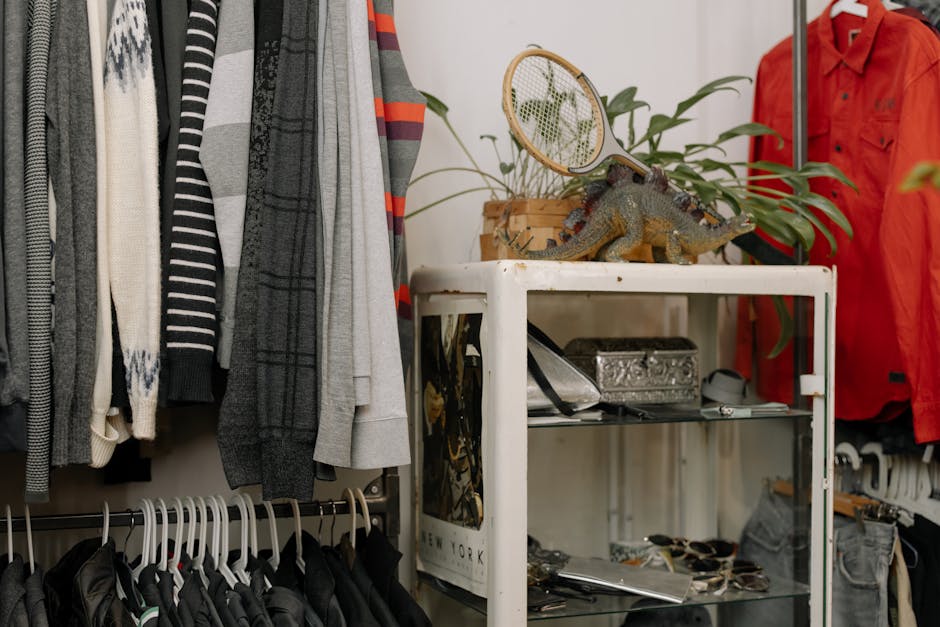
- Vintage Pareltjes (Pijp/Oost): authentic 20th-century pieces.
- Concrete Matter Pre-Loved: contemporary menswear pre-owned.
- Bij Ons Vintage (Hartenstraat): retro home + clothing.
- Rumors Amsterdam: 70s/80s focus.
- Charity shops: Rataplan and Kringloop for thrifting.
Vintage Furniture & Design
- Rikus Mid-Century (Nine Streets): 50s-70s Dutch + Danish design.
- Brandstof: vintage industrial furniture.
- Studio Modern: 20th-century classics.
- Frozen Fountain: contemporary Dutch design (not vintage but worth visit).
- Pols Potten: bold homewares (mix of vintage + new).
- Vintage Industry (Westerpark area): industrial reclaim.
- Atelier Mai: bespoke vintage upholstery.
How to Bargain Amsterdam-Style
- At flea markets: bargaining expected. Start at 50-70% of asking price.
- At antique shops: more formal. Ask "Is the price flexible?" — don’t aggressive haggle.
- End of day: best deals as sellers want to clear out.
- Bundle pricing: buy multiple items, ask for a deal.
- Cash bonus: some sellers will knock a little off for cash.
- Be polite: rudeness ends negotiations.
- Walk-away tactic: works occasionally, not always.
- Don’t lowball ridiculously: insulting offers shut down negotiation.
What to Buy as Souvenirs
- Delftware: authentic at Spiegelkwartier; cheaper imitations at Waterlooplein.
- Vintage bicycles: 1950s-70s Dutch bikes at IJ-Hallen.
- Mid-century furniture: real Dutch design pieces.
- Vintage clothing: 60s-90s pieces are abundant.
- Antique silverware: marked Dutch silver pieces.
- Vintage maps and prints: 18th-19th century Amsterdam maps.
- Vinyl records: Dutch and international classics.
- Art deco glass: from Czech, German, and Dutch makers.
- Tribal art: from former Dutch colonies.
- Vintage cameras: 1960s-80s SLRs and Leicas.
Shipping Big Items Home
- Ask Spiegelkwartier dealers whether they can arrange international shipping, and get a quote before you buy.
- DPD, DHL, UPS: ship furniture and large items.
- Pack and Send shops: full-service international shipping.
- Customs: keep receipts, and check your home country’s customs rules for antiques before you ship.
- Tax-free shopping: non-EU residents can reclaim the 21% Dutch VAT, minus the refund operator’s fee, when they spend at least €50 in one shop on the same day and take the goods out of the EU unused within three months.
Thrift & Charity Shops
- Rataplan: charity-run; multiple locations; cheapest thrift.
- Kringloop Amsterdam Oud-West: large warehouse thrift.
- Salvation Army (Leger des Heils): classic charity shop.
- Boekenmarkt op het Spui: Friday book market with cheap secondhand titles.
Seasonal Markets
- Sunday Market at Westergasfabriek: monthly Sundays; vintage + design.
- Funky Xmas Market: Westerpark, December.
- Pure Markt: monthly artisan food + occasional vintage.
- King’s Day vrijmarkt: city-wide tax-free flea market on 27 April.
- Open Monumentendag (September): antique shops open extra hours.
A Perfect Flea Market Day
- IJ-Hallen Saturday:
- 09:00: Free ferry to NDSM.
- 09:30-14:00: IJ-Hallen.
- 14:30: Ferry back; lunch at the Eastern Docklands.
- 16:00: Waterlooplein for more vintage.
- Any Monday:
- 09:00: Noordermarkt antique market.
- 11:00: Coffee/cake at Winkel 43.
- 12:00: Walk to Antiekcentrum on Elandsgracht (check its opening days first).
- 14:00: Spiegelkwartier antique shops.
Practical Tips
- Bring cash: small flea-market sellers prefer it.
- Bring a foldable bag: hauls add up.
- Wear comfortable shoes: IJ-Hallen alone covers hundreds of stalls, so there is plenty of walking.
- Arrive early: best selection.
- Stay late: best discounts.
- Check authenticity: for serious antiques, get certificates.
- Look for maker’s marks: on silver, ceramics, furniture.
- Photograph items: before negotiating.
- Avoid Damrak antique shops: tourist traps with low quality.
- Use the Antiek & Curiosa app: maps Amsterdam’s antique density.
IJ-Hallen fills the NDSM sheds one weekend every few weeks, and there is a street art museum next door — our STRAAT Museum and NDSM guide combines the two.
Frequently Asked Questions
What’s the biggest flea market in Amsterdam?
IJ-Hallen at NDSM, with 600 stands at indoor editions and up to about 750 outdoors, held one weekend roughly every three weeks. Its organisers bill it as Europe’s largest.
When is Waterlooplein open?
Mon-Sat 09:30-18:00. Closed Sunday.
Where do I find authentic Delft?
Spiegelkwartier antique dealers, or directly at Royal Delft in Delft (day trip). Avoid Damrak tourist shops.
Can I haggle at antique shops?
Politely yes — ask if "the price is flexible". Don’t aggressively haggle; insulting offers shut things down.
Are flea market items real antiques?
Mix of real vintage and modern reproductions. Check maker’s marks and dates.
Best for vintage clothing?
Start with the shops listed under Best Vintage Clothing Shops above, and rummage the Waterlooplein stalls for cheaper finds.
Final Thoughts
Amsterdam’s flea markets and antique shops reward both casual browsers and serious collectors. Waterlooplein for six-days-a-week bargain-hunting; IJ-Hallen for the treasure-finding weekend every few weeks; Spiegelkwartier for serious antiques; the Nine Streets for curated vintage. Bring cash, comfortable shoes, and an open mind — Amsterdam’s secondhand scene is one of Europe’s best.
Related Amsterdam guides
- Amsterdam Shopping Guide — shops, markets and souvenirs worth your euros.
- Amsterdam vintage shops — thrift stores and vintage markets worth the trip.
- Albert Cuyp Market — the city’s biggest street market, decoded.
- Best Amsterdam souvenirs — 25 Dutch gifts actually worth packing.
- Amsterdam markets guide — Albert Cuyp, Bloemenmarkt and the rest.
- De Pijp guide — the market district, from a local’s angle.