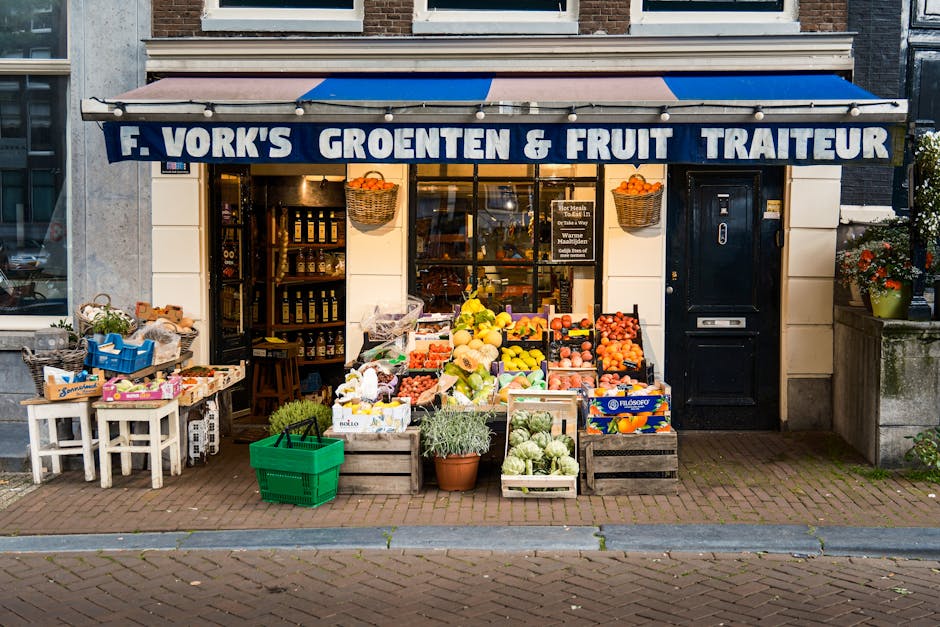
The Albert Cuyp Market in De Pijp is the largest daily outdoor market in Europe, the heart of the neighbourhood where Amsterdammers actually shop, and one of the city’s most fun cheap-eat destinations. 260+ stalls run nearly a kilometre along Albert Cuypstraat, 6 days a week. This complete guide covers everything: the best stalls (stroopwafel at #144, herring at the Sweelinckstraat end), how to navigate it, what’s worth buying, where to eat, opening hours, and the local etiquette that separates first-time tourists from regulars.
Is the Albert Cuyp Market worth visiting? Yes — it is the biggest daily street market in the Netherlands and the easiest way to eat and shop like an Amsterdammer without leaving the centre. Come on a weekday late morning or Saturday before noon, walk the full kilometre once to get your bearings, then double back for a hot stroopwafel, a herring, some cheese and whatever else caught your eye. Food and produce prices are fixed and roughly half what the Damrak souvenir shops charge; the souvenir and clothing stalls lean more touristy. It is free to enter and closed on Sundays.
Albert Cuyp Market: Quick Facts
| Detail | Info |
|---|---|
| Where | Albert Cuypstraat, De Pijp |
| Hours | Mon–Sat ~9:00–17:00; closed Sun |
| Stalls | 260+ along ~1 km |
| Cost | Free to enter; pay per stall |
| Best time | Weekday late morning; Sat before noon |
| Getting there | Tram 4 or 24; metro 52 to De Pijp |
| Do not miss | Hot stroopwafel (stand 144), herring, cheese |
Albert Cuyp Market at a Glance
- Where: Albert Cuypstraat, De Pijp neighbourhood (between Ferdinand Bolstraat and Van Woustraat).
- Hours: Monday–Saturday, 9:00 AM – 5:00 PM. Closed Sundays.
- Length: nearly 1 km of stalls.
- Stalls: 260+ vendors selling food, clothing, flowers, accessories, household goods.
- Established: 1905.
- Cost: free to enter; pay-per-stall.
- Getting there: tram 4 from Centraal to Albert Cuypstraat (10 min); metro 52 to De Pijp (8 min) then 4-min walk.
Must-Try Foods
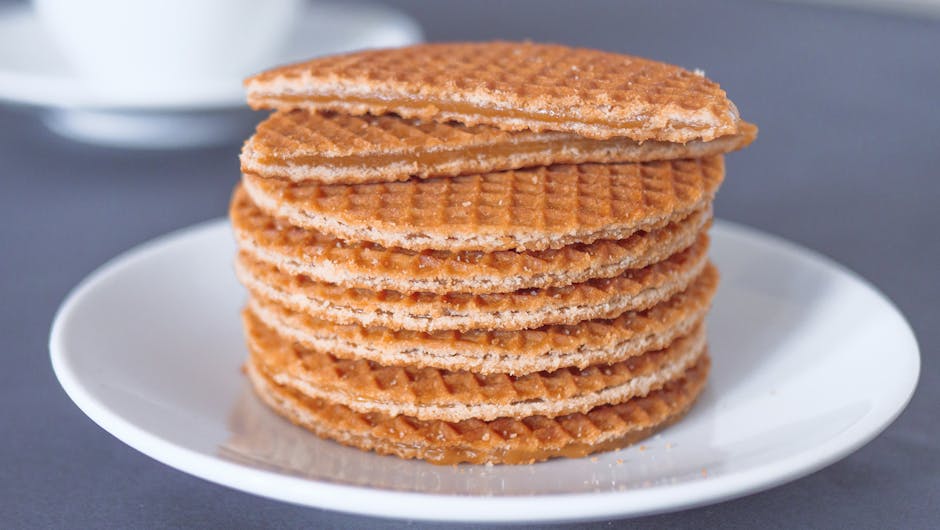
- Hot stroopwafel at Original Stroopwafels (stand 144) — €2.50, hand-pressed in front of you. Mandatory.
- Fresh herring at the fish stand near Sweelinckstraat — €4.50; eat traditionally with onion and pickle.
- Kibbeling (battered cod chunks) at the fish stand — €6 for a generous portion.
- Poffertjes — tiny puffy pancakes with butter and powdered sugar from the dedicated poffertjes truck. €5.
- Surinamese roti at De Tropische — chicken or vegetarian roti with potato. €8.
- Vietnamese spring rolls — fresh-rolled at the Vietnamese stand. €5 for 3.
- Olijven van Antonio — olive bar with 40+ varieties. €3-5 per cup.
- Turkish gözleme — stuffed flatbreads cooked to order. €6-8.
- Cheese tasters from the cheese stalls — free samples; vacuum-pack export wheels.
- Drop (Dutch licorice) from the candy stand — sweet, salty, double-salty, ammonia. €3-5 a bag.
If you do nothing else here, eat a stroopwafel hot off the iron. The packaged supermarket version is a different, lesser food — at the market the waffle is pressed to order, sliced and filled with warm caramel that runs slightly when you bite in. From there, build a grazing lunch as you walk: a paper cone of kibbeling with garlic sauce, a herring eaten the Dutch way with onion and pickle, a Surinamese roti or a Turkish gözleme cooked on the griddle. None of it costs much, and eating your way down the street is the whole point. For a deeper tour of the city street-food scene, see our Amsterdam street food guide.
Cheese: What to Buy & How
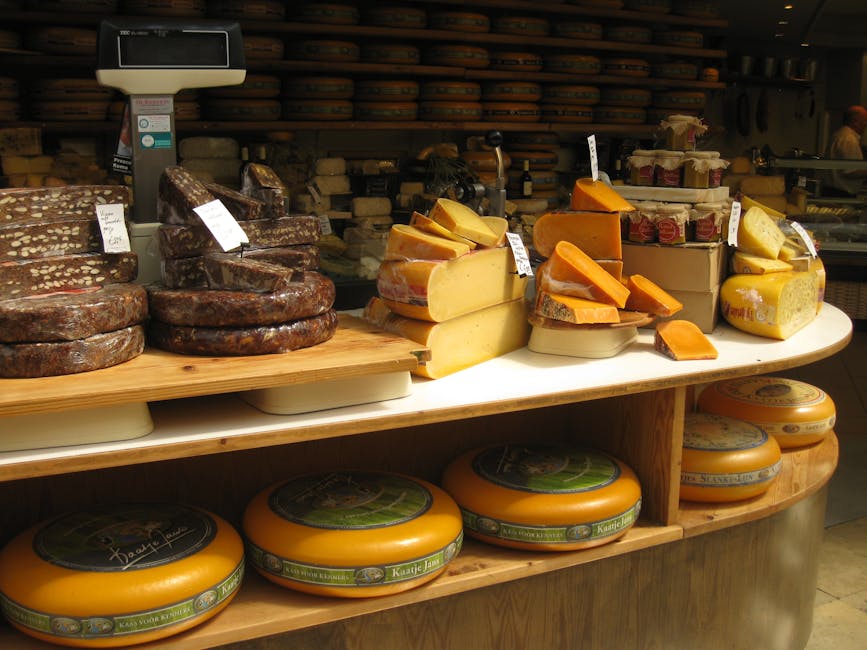
- Gouda: ages range from jong (4 weeks, mild) to overjarig (12+ months, sharp).
- Old Amsterdam: 18-month sharp brand, sold in branded foil.
- Beemster: premium polder cheese; the "5-year-aged" is the best.
- Smoked Gouda: cold-smoked over beech; €15-20 per kg.
- Goat cheese: Cabri d’Or and other Dutch goat varieties.
- Free vacuum-pack: any stall will pack purchases for travel. Cheese keeps unrefrigerated 2-3 weeks.
- Ask for samples: stallholders cut small wedges for tasting; expected and free.
- Prices: roughly half what Damrak souvenir shops charge.
Cheese is the market best take-home buy, and the stallholders make it easy. Ask for samples — it is expected, and tasting across the ages (from mild jong to a sharp, crystalline oud) is the only sensible way to choose. Once you have picked, ask for a vacuum-pack; sealed this way a wedge keeps for weeks unrefrigerated and survives a flight home fine, customs allowing. A 250–500g piece is the practical size. For the full rundown of which Dutch foods and crafts are worth your suitcase space, our best Amsterdam souvenirs guide ranks them all.
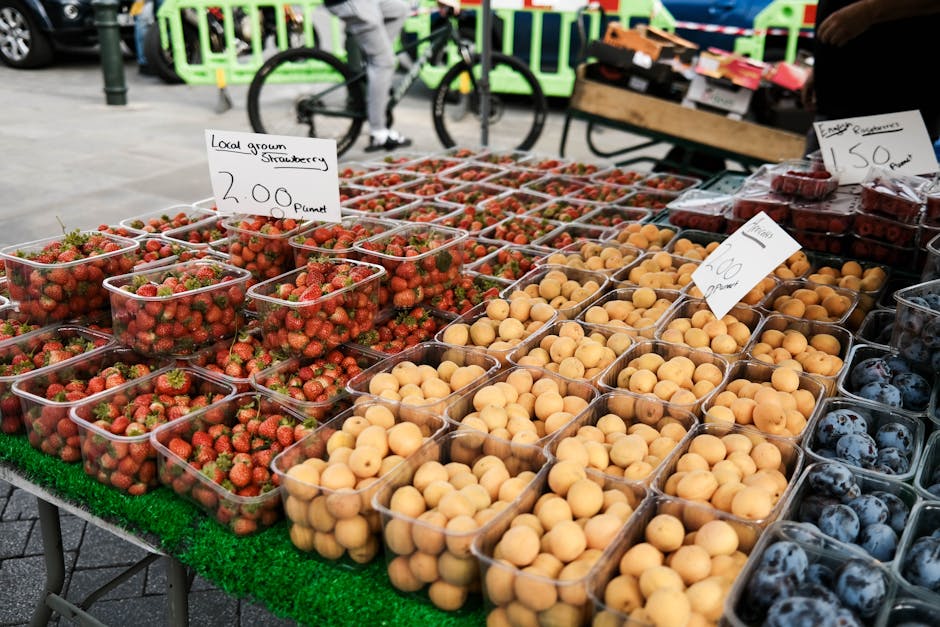
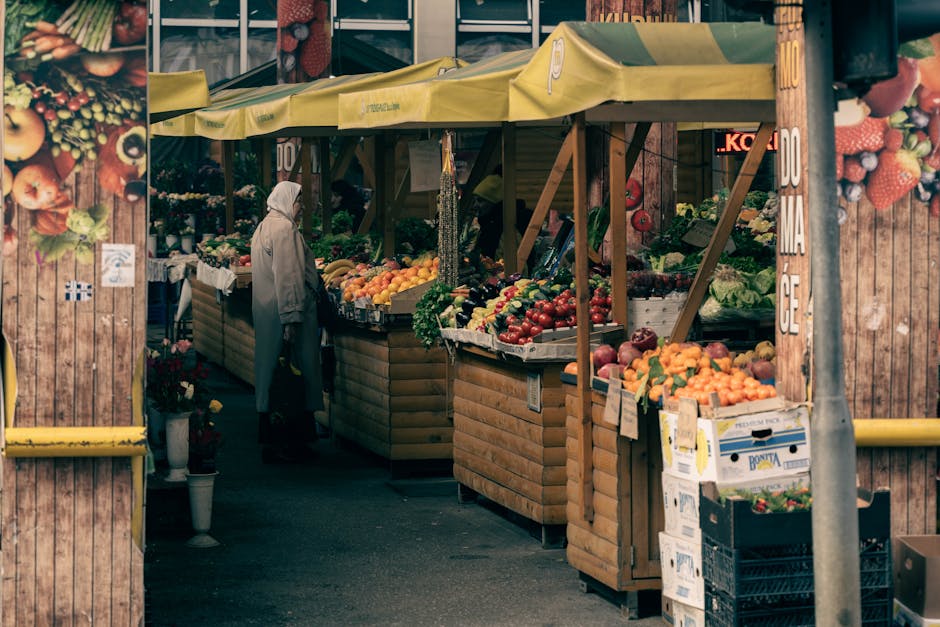
The produce changes with the seasons, which is half the fun of going back. Spring brings Dutch white asparagus and the first strawberries; summer is stone fruit, cherries and tomatoes that actually taste of something; autumn means apples, pears and wild mushrooms; and winter is citrus, root vegetables and the stamppot ingredients locals cook on cold nights. Even if you are not self-catering, the seasonal stalls are worth a slow look — they tell you what the Netherlands is eating right now, and the fruit makes a perfect cheap snack to carry into the park.
Non-Food: What’s Worth Browsing
- Flowers: cheaper than Bloemenmarkt and grown in Holland. €5-10 for a fresh bouquet.
- Tulip bulbs: certified for export from a few specific stalls. €5-15 a bag.
- Spices: bulk-bin Middle Eastern and Surinamese spices at half supermarket prices.
- Fabric: African and Indian textiles by the metre.
- Costume jewellery and accessories: belts, scarves, bags. Negotiable.
- Discount toiletries: deodorants, soaps, shampoos at 30-50% off supermarket prices.
- Stroopwafel tins: branded gift packs for €5-7.
- Wooden clog slippers: novelty house slippers from the souvenir stalls.
The non-food half of the market is a mixed bag, and that is part of its charm. Locals come for the unglamorous stuff — cheap toiletries, fabric by the metre, bulk spices, batteries — while visitors drift towards the flowers, stroopwafel tins and souvenirs. The flowers genuinely are a bargain: fresh, Dutch-grown and cheaper than the more famous Bloemenmarkt. The clothing and accessory stalls are where light haggling is acceptable, especially late in the day; for food and produce, prices are fixed.
Best Time to Visit
- Saturday 10am-12pm: market at full energy, locals shopping for groceries.
- Tuesday/Wednesday late morning: quietest, most relaxed; stallholders chat.
- Friday afternoon: busiest weekday — work-from-home De Pijp residents.
- Avoid 4pm Saturdays: stalls breaking down, food running out.
- Avoid summer mid-afternoon: cruise-ship coach tours pour in 12-3pm.
- Closed Sundays: plan accordingly.
Timing changes the experience more than you would expect. Early on a weekday the market is calm and the stallholders have time to chat, explain their cheese and let you taste; it is the version locals actually shop. Saturday late morning is the opposite — full energy, full crowds, and the best buzz, but you will queue for the popular food stands. Avoid the dead hour near closing, when stalls start breaking down and the best food has sold out, and steer clear of mid-afternoon in high summer, when coach tours briefly swamp the central stretch. Whatever you choose, remember it is shut on Sundays, so build it into a Monday-to-Saturday day.
Navigating the Market
The market runs from the Ferdinand Bolstraat end (east) to the Van Woustraat end (west). The full walk takes 15-25 minutes one way without stopping. Best strategy:
- Enter from Ferdinand Bolstraat (tram 24).
- Walk the entire length once just to see what’s there.
- Loop back stopping at favourites.
- Fish stalls and cheese cluster in the middle (around the Govert Flinckstraat intersection).
- Stroopwafels at stand 144 are roughly 60% of the way down.
- Exit at Van Woustraat (tram 4) or take a left into Gerard Doustraat for boutique shopping.
The single best tactic for a first visit is to resist buying anything on your first pass. Walk the whole length once — it takes fifteen to twenty-five minutes without stopping — so you can see the full spread of food, cheese, flowers and clothing before you commit. Then loop back and hit your favourites. The fish and cheese stalls cluster around the middle, the famous stroopwafel stand sits about sixty per cent of the way down, and the side streets — Gerard Doustraat and Frans Halsstraat — are worth a detour for independent boutiques away from the crowds. To plan trams and connections, our getting around Amsterdam guide covers the OV-chipkaart and routes.
A First-Timer Plan for the Albert Cuyp
If this is your first visit and you want a route rather than a list, here is how I would do it. Arrive mid-morning from the Ferdinand Bolstraat end (tram 24 stops right there). Walk the whole market once without buying, just to clock what is on offer and where the good food stands are. Then turn around and start eating: a hot stroopwafel first, then a herring or a cone of kibbeling, then whatever fruit, olives or cheese you fancy for later. Pick up a vacuum-packed wedge of aged Gouda to take home, grab a bunch of flowers if you have somewhere to put them, and budget twenty or thirty euros in cash for the stalls that do not take foreign cards.
Give yourself sixty to ninety minutes for the market itself, then keep the afternoon loose. Cross into Sarphatipark to sit with your spoils, or wander the parallel side streets — Gerard Doustraat and Frans Halsstraat — for independent shops and coffee. The Heineken Experience is a ten-minute walk west if you want a bookable activity, and the rest of De Pijp rewards aimless wandering more than any itinerary. Done this way, the market becomes half a day rather than a quick tick-box, and a genuinely good one at that.
What’s Around the Market
- Sarphatipark — De Pijp’s small green park, perfect after-market decompression.
- Heineken Experience — 10-minute walk west on Stadhouderskade.
- Frans Halsstraat & Gerard Doustraat — independent boutiques running parallel to Albert Cuyp.
- Cafe Krull (Sarphatipark 2) — locals’ brown cafe one block away.
- Bakers & Roasters (Eerste Jacob van Lennepdwarsstraat 54, 15 min walk) — brunch institution.
- Sir Hummus (Van der Helstplein) — best hummus in Amsterdam.
- De Pijp metro station — 4 min walk; metro 52 to Centraal in 8 min.
What makes the Albert Cuyp special is that it does not stop at the edge of the stalls. The streets around it are some of the best eating and drinking in Amsterdam: Sir Hummus for what many locals call the city best hummus, Bakers & Roasters for a long brunch, and a string of brown cafes where you can nurse a beer and watch the neighbourhood go by. Sarphatipark, a block south, is the natural place to decompress with whatever you bought. Treat the market as the anchor of a half-day in De Pijp rather than a standalone errand and it pays you back many times over.
Practical Tips
- Bring cash: most stalls accept cards but smaller ones are cash only.
- Most stalls accept Maestro/Dutch debit; foreign Visa/Mastercard sometimes rejected. Carry €50 cash.
- Toilets: limited. Best bet is Albert Heijn supermarket on Ferdinand Bolstraat (€1) or a café.
- Watch your bag: pickpockets work the crowded mid-day weekends.
- No haggling on food — prices are fixed.
- Haggling possible on clothing and accessories, especially toward end of day.
- Don’t photograph stallholders without asking; some don’t like it.
- Albert Heijn supermarket on the corner of Ferdinand Bolstraat is for grocery items the market doesn’t sell.
- Bring a foldable shopping bag: stalls charge €0.30 for plastic.
A few small things make the visit smoother. Carry some cash — many stalls take cards, but the smallest ones, and some that only accept Dutch debit, do not, and there is nothing worse than reaching the front of the stroopwafel queue with only a foreign credit card. Keep your bag zipped and in front of you on busy weekends, when the crowds attract the occasional pickpocket. And come hungry rather than full: the joy of the Albert Cuyp is grazing, and you will want room for more than one thing.
A Brief History
- 1905: Albert Cuyp Market established as a daily street market in the newly built De Pijp working-class neighbourhood.
- Named after Albert Cuyp (1620-1691), a Dutch Golden Age painter from Dordrecht.
- 1920s-30s: market expanded as De Pijp became Amsterdam’s densest immigrant district (Surinamese, Turkish, Moroccan).
- Today: ~280 vendors with permits; many have run their stalls for 30-50 years; some are 3rd-generation traders.
- Designated as cultural heritage by Amsterdam in 2018.
- Annual market festival: 4 days of music, food and dancing every October.
The market has been the beating heart of De Pijp since 1905, when the area was a dense, working-class, fast-growing quarter just south of the old centre. Waves of immigration — Surinamese, Turkish, Moroccan and more — gave the market its cuisines and its character, and many of the stalls have been run by the same families for decades. That continuity is why it still feels like a real neighbourhood market rather than a tourist set-piece, even on a busy Saturday. To understand the neighbourhood around it — its cafes, its park, its design shops — see our De Pijp Amsterdam guide.
Why Shop and Eat Here Instead of the Centre
It is worth being blunt about the alternative. The souvenir shops and snack stands clustered around Damrak and Dam Square exist to extract money from people who will not be in Amsterdam long enough to find better. The cheese is overpriced and often past its best, the stroopwafels are packaged, and the prices assume you do not know what things should cost. The Albert Cuyp is the antidote: the same products, fresher, cheaper and surrounded by actual Amsterdammers doing their weekly shop. You pay market rates, you can taste before you buy, and your money goes to family-run stalls rather than a tourist-strip landlord.
That does not mean every stall is a bargain — the souvenir and novelty stalls at the market are still aimed at visitors, and you can do better on real Delftware or design pieces elsewhere. But for food, cheese, flowers and the simple pleasure of eating your way down a Dutch street, there is nowhere better placed or better value within easy reach of the centre. If you only make it to one market on your trip, this is the one to choose, and our Amsterdam food markets guide explains how the others stack up if you want more.
Albert Cuyp vs Other Amsterdam Markets
- Albert Cuyp: largest, daily, all categories. Best for first-time visitors.
- Noordermarkt (Saturday): smaller, artisan-leaning, organic food, farmers’ market vibe.
- Westerstraat (Monday): textile and Surinamese food.
- Dappermarkt in East: most authentic local feeling, mixed Surinamese/Turkish/Dutch.
- IJ-Hallen (NDSM, monthly): Europe’s largest flea market.
- Waterlooplein: daily flea market behind City Hall; junk and treasures mixed.
For a first market visit, Albert Cuyp is the obvious choice — it is the biggest, runs daily and covers every category. But if you have time for more than one, vary them: the Saturday Noordermarkt for organic and artisan producers, the Dappermarkt in Oost for the most genuinely local, multicultural feel, and the once-monthly IJ-Hallen in Noord for Europe largest flea market. Our Amsterdam food markets guide compares them all, and the Amsterdam shopping streets guide covers where to shop between markets.
Albert Cuyp Market: FAQ
What are Albert Cuyp Market hours?
Monday–Saturday 9:00 AM – 5:00 PM. Closed Sundays.
How do I get to Albert Cuyp Market?
Tram 4 from Centraal direct; metro 52 to De Pijp; trams 14, 24 also stop nearby.
What’s the best thing to buy at Albert Cuyp?
Hot stroopwafel from stand 144, fresh herring, vacuum-packed Gouda cheese, and tulip bulbs.
How long does it take to walk Albert Cuyp Market?
15-25 minutes one way without stopping. With stops: 60-90 minutes.
Is Albert Cuyp Market touristy?
Yes, but locals also shop there daily — the food and produce stalls are predominantly for residents. The souvenir/clothing stalls are more tourist-leaning.
Can I haggle at Albert Cuyp?
Food and produce prices are fixed. Clothing, accessories and bric-a-brac stalls will sometimes negotiate, especially after 4pm.
What’s the best day to visit?
Saturday morning 10am-noon for full energy and local shoppers. Tuesday/Wednesday late morning for quieter visits.
Is the Albert Cuyp Market good for vegetarians and vegans?
Yes, easily. Alongside the herring and cheese there are Surinamese vegetable rotis, falafel and hummus, Turkish gozleme with spinach and cheese, fresh-rolled Vietnamese spring rolls, olives, nuts, and stalls piled high with fruit and vegetables. Stroopwafels and poffertjes are vegetarian, and plenty of the prepared-food stands will point you to plant-based options if you ask.
Final Thoughts
Albert Cuyp Market is one of the easiest, cheapest, most fun things to do in Amsterdam. Visit on a Saturday morning, walk the full length, stop for a hot stroopwafel, a herring and a kibbeling, then cross Sarphatipark for a coffee at Cafe Krull. It’s the most authentic-feeling local experience you can have without leaving central Amsterdam.
Albert Cuyp is one of the easiest, cheapest and most enjoyable things to do in Amsterdam. Go on a Saturday morning, walk the full length, eat a hot stroopwafel, a herring and a kibbeling as you go, then cross into Sarphatipark for a coffee at a brown cafe. It is the most authentic-feeling local experience you can have without leaving the centre — and you will spend less than you would on a single sit-down lunch nearby.
Keep exploring
- Amsterdam shopping guide — the full hub: streets, markets and souvenirs.
- Best Amsterdam souvenirs — what to buy here and across the city.
- Bloemenmarkt flower market — the floating flower market compared.
- De Pijp neighbourhood guide — the area around the market.
- Amsterdam food & drink guide — where to eat nearby.
- Dutch cheese — where to taste and buy the real thing.
- Flea markets & antique shops — where the best vintage finds hide.