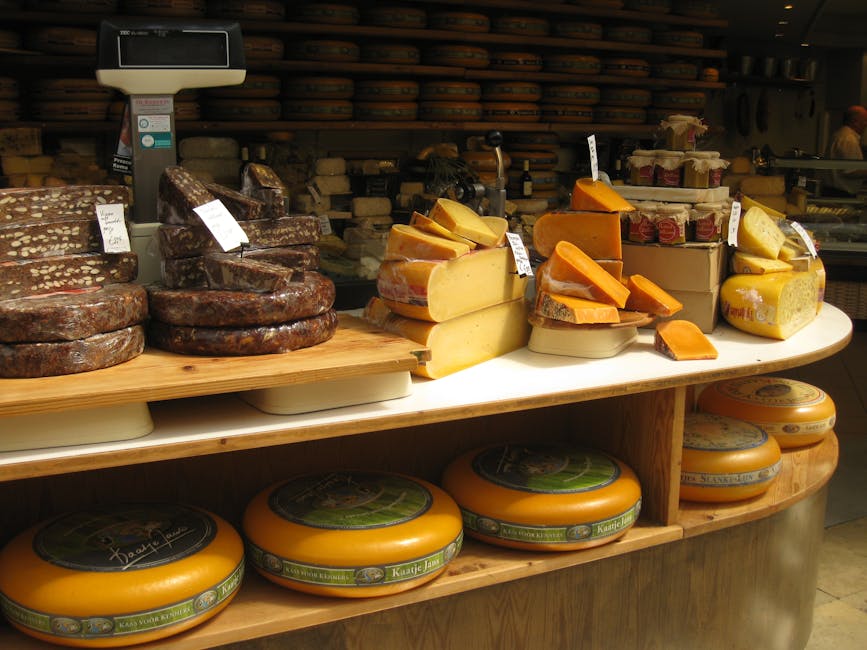
Picking out Amsterdam souvenirs sounds easy until you walk down Damrak: every other shop is selling identical fridge magnets, "I <3 Amsterdam" t-shirts, and Delft Blue clogs that turn out to be made in Guangdong. This is a curated guide to what to buy in Amsterdam that’s actually Dutch — from world-class cheese and bulbs to artisan stroopwafels, real Delftware, Dutch design, jenever, and gifts under €10 — plus exactly where in the city to find them.
What is the best souvenir to buy in Amsterdam? For most people it is stroopwafels — cheap, light, and far better fresh than anything back home. Beyond that, the souvenirs worth your suitcase space are the ones locals actually buy: aged Gouda or Reypenaer cheese, real hand-painted Delftware, a bottle of jenever, De Ruijter chocolate sprinkles, and certified tulip bulbs if your country allows them. The rule of thumb is simple — if you can buy it on Damrak with an “I <3 Amsterdam” logo on it, there is a better, more authentic version a five-minute walk away.
Best Amsterdam Souvenirs at a Glance
| Souvenir | Rough price | Where to buy | Travels well? |
|---|---|---|---|
| Fresh stroopwafels | €2–6 | Albert Cuyp Market, Albert Heijn | Yes — weeks |
| Aged Gouda / Reypenaer | €10–25 | De Kaaskamer, Reypenaer, markets | Yes, vacuum-packed* |
| Real Delft Blue | €15–300+ | Royal Delft, Heinen, Spiegelkwartier | Fragile — pack well |
| Jenever | €15–30 | Wynand Fockink, House of Bols | Checked bag only |
| Tulip bulbs | €5–15 | Bloemenmarkt (certified only) | Depends on country* |
| De Ruijter hagelslag | €2–3 | Any Albert Heijn | Yes |
| Miffy merchandise | €5–40 | Miffy Shop, Rokin | Yes |
Edible Amsterdam Souvenirs
1. Stroopwafels
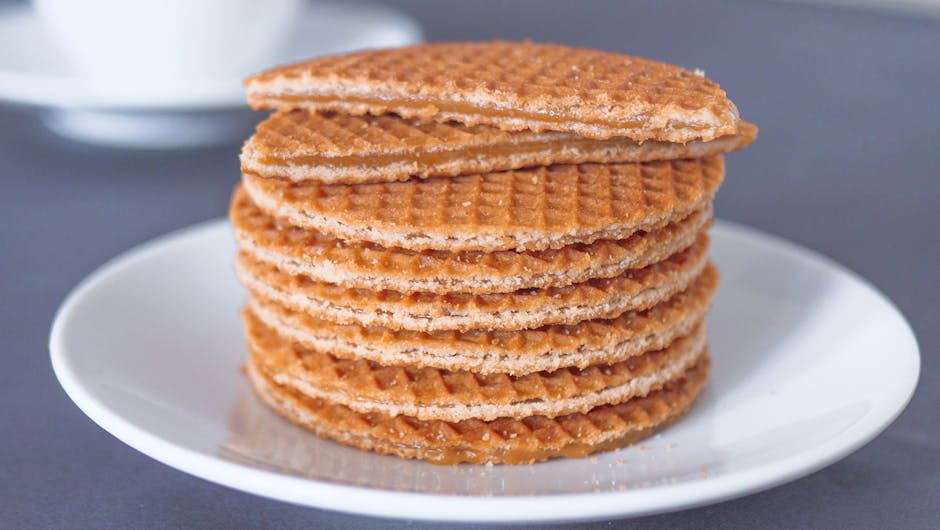
Two paper-thin waffle wafers sandwiched around a layer of warm caramel syrup. Stroopwafels are the most popular and most giftable food souvenir in the country.
- Best fresh: Original Stroopwafels at Albert Cuyp Market (stand 144). Hand-pressed and warm; €2.50 each. Eat one immediately, take a dozen home in their tin.
- Best supermarket version: Daelmans (the yellow tubs) and Lotus Bakeries — both available at Albert Heijn for €1.50–€3 a pack. Better than anything at the airport.
- Best gift packaging: Van Wonderen Stroopwafels (Kalverstraat 132) — chocolate-dipped variants in metal tins.
- Skip: Souvenir-shop stroopwafels in plastic Amsterdam-themed bags. Same cookies, double the price.
2. Dutch Cheese (Gouda, Edam, Beemster)
The Netherlands is the world’s largest cheese exporter. Gouda alone comes in five distinct ages, each so different you might think they’re different cheeses entirely.
- Jong (4 weeks) — mild and creamy.
- Belegen (4 months) — what most people think of as Gouda.
- Oud (10 months) — sharp, crystallized, snacky.
- Overjarig (12+ months) — intensely sharp and crumbly.
- 4-Year Reypenaer — the finest aged Gouda; rivals Parmigiano.
Where to buy: the Reypenaer Cheese Tasting room (Singel 182) for vacuum-packed export wheels and a guided tasting; De Kaaskamer (Runstraat 7) for the deepest selection in town; or any Saturday Noordermarkt cheese stall. Take home: ask for a vacuum-pack — most shops do it free and the cheese keeps for weeks, even months, unrefrigerated. Skip: souvenir-shop “Gouda balls” in red wax — they are often months past their best and overpriced.
If you only do one cheese-buying thing, make it a tasting before you commit. A good shop will cut you slivers across the age range so you can feel the jump from a mild four-week jong to a crystalline twelve-month oud — most people are surprised how much they prefer the older, sharper end once they have tried them side by side. Buy the age you actually liked, not the one with the prettiest label. For travel, a vacuum-sealed wedge of 250–500g is the sweet spot: enough to share, small enough to forget about in your bag. The cheese stalls at the Albert Cuyp Market do the same packing for noticeably less than the tourist shops, and you can graze the rest of the market while you are there. For more on Amsterdam cheese and food generally, see our Amsterdam food & drink guide.
3. Dutch Licorice ("Drop")
The Netherlands eats more licorice per capita than any country on earth. There are 80+ varieties of drop, ranging from sweet and soft to violently salty. The salted ones (zoute drop, dubbel zoute) are an acquired taste and a gag-test that locals find hilarious to inflict on visitors. €2–€5 per bag at Albert Heijn or any candy specialist (Jamin, Kwekkeboom).
4. Tony’s Chocolonely
Started in Amsterdam, now the country’s biggest chocolate brand. Famously certified slavery-free. The wrappers double as conversation pieces. Try the milk-caramel-sea-salt and the white-raspberry-popping-candy. €3 a bar everywhere; cheaper at Albert Heijn than at the airport.
5. Hagelslag (Chocolate Sprinkles)
Dutch breakfast staple: chocolate sprinkles on buttered bread. The brand to look for is De Ruijter, the original since 1860. Three types: pure chocolate (puur), milk (melk) and rainbow-fruit (vruchten). €2–€3 a box; entirely unique to Dutch supermarkets and a great quirky gift.
6. Speculaas & Speculoos
Spiced shortbread cookies pressed with traditional patterns. Eat them with coffee. The molded-pattern speculaaspoppen are pressed for Sinterklaas (5 December) but available year-round. Best at HEMA, Albert Heijn or the bakery at the Albert Cuyp Market.
7. Jenever (Dutch Gin)
Jenever (also spelled genever) is the juniper-flavoured grain spirit that the British took home and turned into gin. Two main styles:
- Jonge jenever — light, modern, gin-adjacent.
- Oude jenever — golden, malty, closer to whisky.
Buy at House of Bols (Paulus Potterstraat 14) or House of Wynand Fockink (Pijlsteeg 31, the oldest distillery tasting room in Amsterdam, founded 1679). 200ml "hand-luggage friendly" bottles run €15–€25.
8. Heineken Mini-Keg
Heineken is brewed in Zoeterwoude (a 30-minute drive away), so the brand is genuinely Dutch. The 5-litre mini-kegs make a fun gift if you have hold luggage. €15–€18 at Heineken Experience or any Albert Heijn.
Traditional Dutch Souvenirs
9. Delft Blue (Real, Not Fake)

The Royal Delft factory has been making blue-and-white pottery in nearby Delft since 1653. Authentic pieces carry a small JT hallmark on the underside — the painter’s signature combined with the Royal Delft logo. Anything without the hallmark is most likely Chinese-printed, not hand-painted in the Netherlands.
- Authentic: Royal Delft showroom (Munttoren 12, central Amsterdam), Heinen Delfts Blauw (Damstraat 32), De Porceleyne Lampetkan (Prinsengracht 440).
- Antique: Spiegelkwartier antique district (Nieuwe Spiegelstraat) for genuine 18th-century pieces.
- Skip: Anything cheap on Damrak or Kalverstraat in Amsterdam-themed packaging.
- Day trip option: the Royal Delft factory itself, in Delft (about 45 minutes by train), runs paint-your-own-tile workshops.
The honest truth about Delftware is that most of what is sold to tourists is not Delftware at all — it is mass-printed ceramic, often imported, decorated to look hand-painted. There is nothing wrong with buying a cheap blue-and-white trinket as a keepsake, as long as you know that is what it is and pay accordingly (a couple of euros, not twenty). If you want the real thing, the tell is the hallmark on the underside and the price: genuine hand-painted Royal Delft starts around €15–20 for a small tile and climbs fast for plates and vases. A single hand-painted tile is the smart compromise — flat, light, hard to break, and unmistakably the genuine article. The craft dates to the seventeenth century, when Dutch traders brought Chinese porcelain home and local potters began copying and then reinventing it; if that backstory interests you, our Amsterdam culture and history guide covers the Golden Age that produced it.
10. Tulip Bulbs (Approved for Export Only)
Tulip bulbs make a great low-bulk souvenir but only if they are certified for export to your country. Look for the "Approved for Customs Inspection — USA / Canada / Australia" sticker on the package. Without it, customs will confiscate them on arrival.
- Best place: the Bloemenmarkt (Singel) — the floating flower market — has the widest export-certified selection.
- Plant in autumn for spring bloom; choose mid-late tulip varieties for the best chance of a Keukenhof-style display at home.
- UK and EU: no special certificate needed.
- Australia, New Zealand, South Korea: confiscated on arrival regardless of certification — buy a tulip-print scarf instead.
Two things trip people up with bulbs. First, timing: bulbs are autumn-planted and spring-flowering, so a pack bought on a July visit has to sit in a cool, dry, dark spot until October before it goes in the ground. Second, quality: the cheapest packets (under about €4) at the touristy end of any stall are a gamble — reports of bulbs that arrive mouldy or never bloom are common. Pay a little more, buy from an established stall, and buy in autumn when the new-season stock arrives. If guaranteed quality matters to you, ordering direct from a registered Dutch grower online, or buying at the Keukenhof shop in spring, beats the market every time. We get into the certified-bulb question in detail — including the honest verdict on quality — in our Bloemenmarkt flower market guide.
11. Wooden Clogs (Klompen)

Working clogs are still made and worn in the Dutch countryside. Mini decorative versions are everywhere; full-size wearable ones are sold at De Klompenboer (Reestraat 8) and at the Zaanse Schans windmill village just outside the city, where you can watch a clog-maker carve a pair from a single block of poplar in minutes — it is genuinely worth seeing. Expect roughly €25–80 depending on size and decoration. If you are making the trip anyway, our Zaanse Schans day trip guide covers the windmills, the cheese farm and the clog workshop.
12. Miffy / Nijntje Merchandise
The simple white rabbit drawn by Utrecht designer Dick Bruna in 1955. There’s a whole Miffy shop at Schiphol and on Rokin in Amsterdam. Plush toys, kids’ books, mugs, baby clothes. The most charming kid-souvenir on the market and arguably the most loved Dutch design icon worldwide.
13. Vintage Bicycle Parts & Accessories
Brass bells, leather saddles, woven panniers — all reasonable to fly home with and instantly Dutch. Workcycles (Veemarkt 150) and Roetz Bikes (Galileïplantsoen 80) sell bell sets, leather grips, and panniers in the €20–€60 range.
14. Anne Frank House Books
The Anne Frank House gift shop sells the most extensive collection of editions of The Diary of a Young Girl in the world, plus excellent illustrated children’s editions. Buying here directly supports the foundation.
15. Rijksmuseum Print Reproductions
The Rijksmuseum gift shop sells excellent prints of The Milkmaid, The Night Watch, The Threatened Swan and dozens more — both poster-sized and postcard-sized — for a fraction of museum-print prices elsewhere. The Vermeer postcards make beautiful framed gifts.
Dutch Design Souvenirs

16. HEMA Smoked Sausage & Houseware
HEMA is the Dutch IKEA-meets-Marks-and-Spencer. Their famous tompouce, smoked sausage, and minimalist kitchen tools are great cheap gifts. Anything with the orange smiley logo is recognizably Dutch.
17. Marlies Dekkers Lingerie
Iconic Dutch designer with a flagship at Cornelis Schuytstraat 13. World-respected and unmistakably Dutch.
18. Droog Design Objects
Droog (Staalstraat 7) is the original Dutch design collective — quirky, conceptual, often funny. Even small items (€20 lamps, €40 vases) are museum-piece quality.
19. Royal Goedewaagen Tiles
If full Delft Blue plates are too breakable, hand-painted single tiles are flat, light and durable. €15–€40 each at Royal Delft and at antique markets.
20. ETQ Sneakers
Cult Amsterdam minimalist sneaker brand. Flagship at Hartenstraat 16. €150–€350.
How to Shop Like a Local (and Dodge the Tourist Traps)
Here is the pattern worth internalising: the most touristy place to buy something is almost never the best place. Damrak, the strip between Centraal Station and Dam Square, exists to sell the same magnets, mini-clogs and printed “Delft” to people who will not be in town long enough to know better. Walk ten minutes in any direction and the quality goes up while the price comes down. For food gifts, that means an Albert Heijn supermarket or a market stall, not a souvenir shop. For craft and design, it means the Nine Streets and Haarlemmerdijk rather than the high street.
Markets are where the value lives. The Albert Cuyp Market in De Pijp is the obvious one — daily, huge, and the single best spot for fresh stroopwafels, cheese and Dutch street snacks — but the Saturday Noordermarkt in the Jordaan is the connoisseur pick, with small artisan producers and the kind of cheese and bread locals actually carry home. The Bloemenmarkt is fun and central for flower-themed gifts, though it leans touristy; treat it as a photo stop with a bulb pack rather than a serious shopping destination.
One more habit: buy gifts as you go rather than panic-shopping at the airport on the last morning. Schiphol selection is genuinely broad — Reypenaer, Heineken, Tony’s, jenever, Miffy, bulbs — but you will pay roughly a fifth more for the convenience. It is a fine backup, not a plan. And bring a foldable bag: Dutch shops charge for plastic, and you will accumulate more than you expect once you start tasting.
Souvenir Ideas by Who You Are Buying For
For food-loving friends: a vacuum-packed wedge of aged Gouda or a Reypenaer tasting box, a tin of fresh stroopwafels, and a box of De Ruijter hagelslag for the novelty. Add a bag of drop if your friend has a sense of humour about salty licorice — it is the most divisive thing in any Dutch pantry.
For kids and parents-to-be: Miffy (Nijntje) merchandise is the easy win — plush toys, board books and baby clothes featuring Dick Bruna’s white rabbit, an icon of Dutch design since 1955. The Miffy Shop on Rokin and the outpost at Schiphol both stock the full range.
For the design-minded: Dutch design punches far above the country size. Droog on Staalstraat is the original conceptual collective; even a small lamp or vase there feels like a gallery piece. HEMA, the beloved Dutch chain, sells minimalist kitchen tools and homewares with the orange smiley logo for a fraction of the price. For something to hang on the wall, the Rijksmuseum and Van Gogh Museum shops sell excellent prints of The Milkmaid, The Night Watch and the rest at a fraction of what framed prints cost elsewhere.
For the person who has everything: a bottle of oude jenever from Wynand Fockink, sipped first in the centuries-old tasting room behind Dam Square so you actually know what you are giving. Or a single antique Delft tile from a Spiegelkwartier dealer — a genuine eighteenth-century object for the price of a nice dinner.
Best Souvenirs Under €10
- De Ruijter hagelslag — €2.50 a box, weirdly delightful.
- Reypenaer mini cheese tasting box — €9.50 with three vacuum-packed slices.
- Daelmans stroopwafel tin — €4–€6 in any supermarket.
- Tulip bulb sample bag at Bloemenmarkt — €5 for 10 bulbs.
- Single Delft tile — €15 (slightly over) but light and gift-wrapped.
- Miffy postcard set — €5 at Miffy Shop.
- Dropjes mixed bag — €3 at any candy specialist.
- HEMA smoked sausage stick — €4 — pre-cooked and shelf-stable for travel.
- Vintage bell from a flea market — €5 at Waterlooplein.
- Pack of Tony’s Chocolonely bars — three for €8 at Albert Heijn.
Best Places to Buy Amsterdam Souvenirs
- Albert Cuyp Market — daily street market, best for stroopwafels, cheese, dropjes and Dutch street food.
- Noordermarkt (Saturday) — small artisan producers, the most authentic of any market.
- Bloemenmarkt — bulbs, fresh flowers, tulip-themed gifts; touristy but fun.
- De Hallen Food Hall — small artisan shops alongside food stalls.
- De Negen Straatjes (Nine Streets) — independent boutiques between Prinsengracht and Singel.
- Albert Heijn supermarket — for cheese, hagelslag, drop and chocolate at half souvenir-shop prices.
- HEMA — Dutch household brand, every neighbourhood has one.
- Spiegelkwartier (Nieuwe Spiegelstraat) — antique Delftware and 17th-century maps.
- Rijksmuseum & Van Gogh Museum gift shops — best art reproductions in the city.
- Schiphol Airport — surprisingly good last-minute, but expect a 20% mark-up.
What to Skip
- Cannabis-themed souvenirs. Tacky and customs in many countries (e.g. UAE, Singapore) treat them as evidence of intent.
- Red Light District-themed gifts. Same issue.
- Mini wooden clogs and windmills from Damrak shops — almost all imported, none of it kept by adult locals.
- "Real Dutch" cheese in red wax sold from kiosks. Often weeks past peak.
- Tulip bulbs without an export sticker if flying outside the EU.
- Cheap printed Delft Blue. Without the hand-painted hallmark it’s a Chinese knock-off.
Customs & Travel Tips for Souvenirs
- Cheese: vacuum-packed cheese is fine for the EU and US (under 10kg per person; declare); confiscated in Australia and New Zealand.
- Bulbs: EU/UK no certificate needed; USA, Canada, China require the export sticker; Australia/NZ confiscate regardless.
- Liquids: jenever and Heineken kegs need to go in checked baggage if you’re flying outside the Schengen Area.
- Pottery: wrap Delftware in clothes inside checked bags. Royal Delft will gift-wrap and pad for free.
- VAT refund: non-EU residents can usually claim Dutch VAT (currently 21%) back on larger purchases — often over around €50 per shop, though thresholds vary — keep receipts and get the form stamped at Schiphol customs before bag-drop.
None of this should put you off — it just pays to know the rules before you buy, not after a customs officer has confiscated your bulbs. The two things people most often get wrong are assuming any tulip bulb can fly home (it cannot, outside the EU, without the export sticker) and packing a bottle of jenever in carry-on (it has to go in the hold if you are leaving the Schengen Area). When in doubt, ask the shop — reputable cheese shops, bulb stalls and Delft showrooms deal with international shipping constantly and will tell you straight what travels and what does not. And always check your own country current customs and duty-free allowances, which change more often than you would think.
Amsterdam Souvenirs: FAQ
What is the most popular souvenir from Amsterdam?
Stroopwafels — by a huge margin. They’re cheap, light, last weeks, and almost everyone outside Holland has never had one fresh.
Where do locals shop for gifts in Amsterdam?
Albert Heijn, HEMA, the Saturday Noordermarkt, the Nine Streets boutiques, and Concrete Matter on Haarlemmerdijk for men’s lifestyle gifts.
Are tulip bulbs allowed back to the United States?
Yes, but only if the package shows the "Approved for Export to the USA" phytosanitary sticker. Buy these at the Bloemenmarkt or Schiphol — never from a flower stall on Damrak.
Is Delft Blue from Amsterdam authentic?
Only if it has the small painter’s signature plus the Royal Delft hallmark on the underside. Anything without it — including most pieces sold on Damrak — is a printed import.
What’s the cheapest authentic Amsterdam souvenir?
A bag of De Ruijter hagelslag (€2.50) or a Daelmans stroopwafel pack (€2). Both genuinely Dutch, both unique to Dutch supermarkets, both light enough to slip in a carry-on.
Should I buy souvenirs at Schiphol Airport?
Schiphol’s selection is surprisingly broad — Reypenaer cheese, Heineken, Tony’s, jenever, Miffy and bulbs all available. But expect roughly 20% higher prices than central Amsterdam. Use it as a backup, not a strategy.
Final Thoughts
The best Amsterdam souvenirs are things that locals also actually buy — Reypenaer cheese, hot stroopwafels at the market, real Delft tiles, jenever, and Miffy plushies for nieces and nephews. Skip Damrak; head to Albert Heijn for groceries-as-gifts and to the Nine Streets for design and craft. You’ll come home with bags worth showing off rather than 10 fridge magnets you’ll regret in a week.
The best Amsterdam souvenirs are the ones locals also buy — market stroopwafels, properly aged cheese, a real Delft tile, a bottle of jenever, a Miffy plush for the small people in your life. Spend your time and money in the markets, the Nine Streets and a good supermarket rather than on Damrak, and you will come home with a bag worth unpacking slowly instead of ten fridge magnets you will quietly bin in a month.
Keep exploring
- Amsterdam shopping guide — the full hub: streets, markets, department stores and practical tips.
- Amsterdam shopping streets — where to find the boutiques and design shops behind these gifts.
- Albert Cuyp Market — the best place to buy cheese, stroopwafels and street food.
- Bloemenmarkt flower market — the tulip-bulb question, answered honestly.
- Amsterdam food & drink guide — for everything edible worth bringing home.
- Vintage and thrift shops — 15 stores and markets for second-hand finds.
- Dutch cheese — where to taste and buy the real thing.
- Flea markets & antique shops — where the best vintage finds hide.
Leaving it until the airport? Most souvenirs cost more there, though certified tulip bulbs are a fair exception — see what is worth buying at Schiphol.