This article contains advertising. Our booking links are routed through a partner that adds commission tracking automatically, so if you book through one we earn a commission from the provider, at no extra cost to you. It never affects what we recommend. Affiliate disclosure
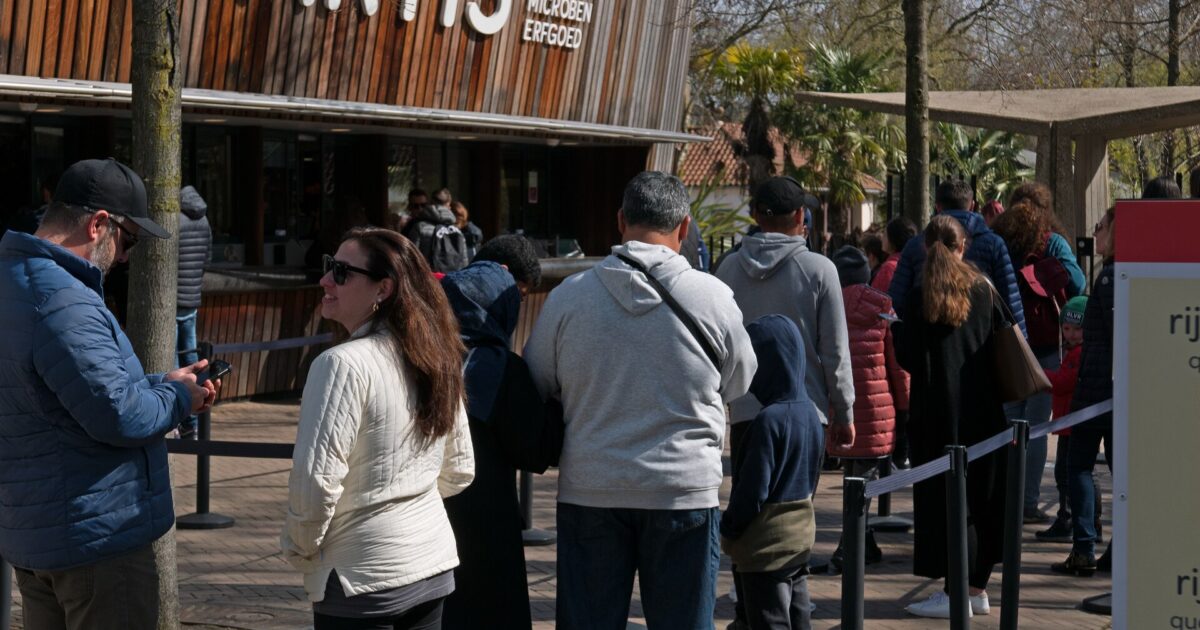
ARTIS opened on the Plantage Kerklaan in 1838, which makes it the oldest zoo in the Netherlands and one of the oldest in Europe. It is not a modern safari park and does not pretend to be. It is a nineteenth-century pleasure garden with animals in it — monumental pavilions, hundred-and-fifty-year-old trees, a butterfly house, an aquarium in a neoclassical temple, a planetarium, and next door, Micropia, a museum devoted entirely to microbes. The full name, carved over the aquarium door, is Natura Artis Magistra: nature is the teacher of art.
Begin with the price, because it is the objection: ARTIS zoo Amsterdam tickets are not cheap. Adult entry starts at €29.50 booked online and €32.50 at the gate, which makes it the most expensive mainstream attraction in the city. What you get for that is not a zoo visit but a half-day in a park that happens to contain elephants, and the moment you understand that, the price stops feeling like a rip-off. Locals buy annual passes and come to read books here. If you arrive at two o’clock expecting to tick off a zoo in ninety minutes, you will feel short-changed.
ARTIS and Micropia tickets at a glance
Checked September 2026 against ARTIS’s own site. Prices are dynamic and vary by day, so the figures below are the “from” rates.
| Ticket | Online | At the gate |
|---|---|---|
| ARTIS zoo, adult (13+) | From €29.50 | €32.50 |
| ARTIS zoo, child (3–12) | From €25.50 | €27.50 |
| Under 3 | Free | Free |
| Student | €16.25 | — |
| Micropia or Groote Museum, adult | From €17 | €18 |
| Micropia, children 0–12 | Free | Free |
| Combination zoo + museum, adult | From €35.50 | €38.50 |
| Combination, child 3–12 | From €26.50 | €27.50 |
| Late-afternoon zoo ticket | €15 (age 3+) | — |
| Late-afternoon museum ticket | €9 (13+) | — |
| Aquarium and Planetarium | Included in the zoo ticket | |
| Address | Plantage Kerklaan 38–40 | |
The two things almost nobody knows about the pricing
Both are on the operator’s own site and both are easy to miss, and between them they can halve what a family pays.
Children under thirteen enter Micropia free. Not discounted — free, from age zero to twelve. A family of two adults and two children pays €34 for Micropia rather than the €70 you would assume. Given that Micropia is genuinely one of the more interesting museums in the Netherlands, this is the best-value family ticket in Amsterdam and almost nobody uses it.
The late-afternoon ticket is €15. Available from September, it drops the zoo to €15 for anyone over three and the museums to €9. If you can live with two hours rather than five, that is roughly half price for the best part of the day — the animals are more active as the light goes, and the crowds have left. It is our favourite piece of value in this cluster.
A third note on pricing: ARTIS charges dynamically and the gate is always €2 to €3 more than online, so buying on your phone in the queue is worth doing. Both the I amsterdam City Card and the wider ticketing picture are covered in our Amsterdam attractions and tickets guide.
What is in the zoo
Fourteen hectares, which sounds small and does not feel it, because the paths wind and the planting is dense. There are roughly 700 species and about nine hundred trees, some of them older than the zoo.
The animals
Elephants, giraffes, zebras and wildebeest on the African savannah section; lions and a Siberian tiger; gorillas and chimpanzees; sea lions and penguins; a wolf enclosure. The reptile house and the butterfly pavilion are both indoor and both good on a wet day. As is now standard, several species are part of European breeding programmes and the signage is honest about which animals are here for conservation reasons and which are not.
The Aquarium
A monumental 1882 building with a classical portico, and the single best thing in ARTIS. Inside are coral reef tanks, an Amazon section, and — the piece everyone remembers — a cross-section of an Amsterdam canal seen from below the waterline, complete with the bicycles, bottles and eels that actually live down there. It is funny, slightly grim and entirely true to the city.
The Planetarium
Included in your ticket, with shows running through the day in Dutch and English. Twenty-five minutes of sitting down in the dark is a more valuable thing on a long zoo day than it sounds.
The park itself
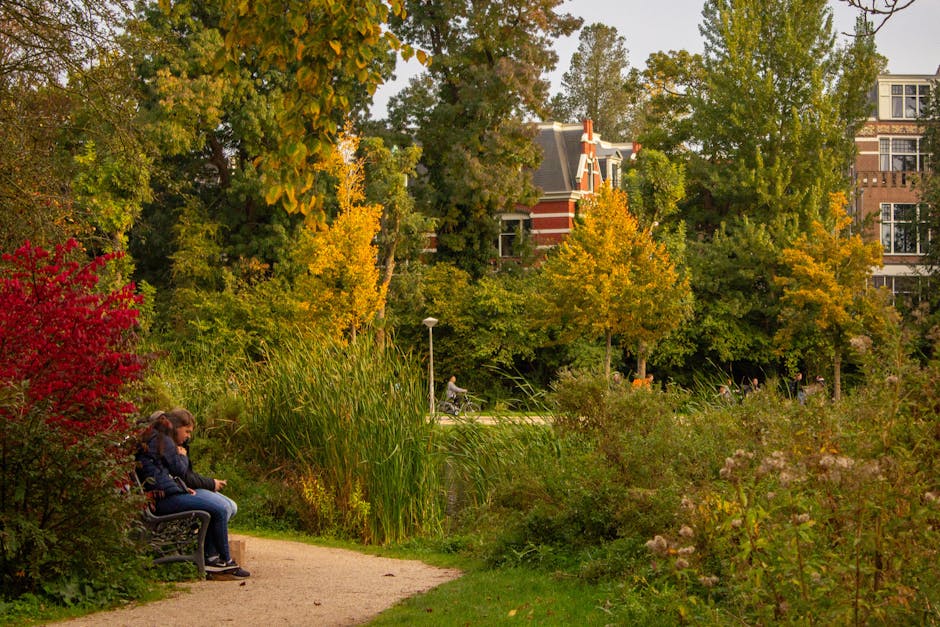
Formal nineteenth-century planting, monumental listed pavilions, a rose garden, ponds, and enough benches that it works as somewhere to sit for an hour. This is the part that justifies the price, and it is why ARTIS reads to Amsterdammers as a park rather than an attraction.

Micropia, which is the reason to make a special trip
Micropia opened in 2014 next to the zoo entrance and is the only museum in the world dedicated to microorganisms. That sounds like a novelty and it is not. It is one of the most inventive museums in the Netherlands and it works on adults far better than it works on small children.
You look through professional microscopes at living cultures maintained on site. You stand on a body scanner that estimates the microbial population living on and inside you at that moment. There is a wall of petri dishes, a kissing meter that counts the bacteria exchanged, a display of what grows on a phone screen, and a genuinely unsettling section on fungi. The tone is curious rather than squeamish, and it changes how you look at a doorknob.
Practically: allow an hour to ninety minutes, it is entirely indoors, and it is quiet in a way the zoo never is. For teenagers it is excellent. For a six-year-old it is mostly a room of screens. And since under-13s are free, the honest advice for families is to buy adult Micropia tickets and let the children come along at no cost, rather than buying a full combination.
The third venue on the site, the Groote Museum, reopened in 2022 in the zoo’s original 1855 society building and takes a wider look at the relationship between people and the rest of nature. It is more essayistic than either of the others and divides visitors; if you have to choose, choose Micropia.
Is ARTIS worth €29.50?
Our verdict: yes for families, yes for anyone who will use the whole day, and no for a couple with three days in Amsterdam and a museum list.
Go if
- You have children between three and twelve. This is the best full-day attraction in Amsterdam for that age group, comfortably ahead of anything on Museumplein.
- You are here for four days or more and want one day that is not indoors and not a canal.
- The weather is good. ARTIS in sunshine is a genuinely lovely day; ARTIS in horizontal rain is an expensive walk.
- You can take the €15 late ticket. Two hours from mid-afternoon, at half price, is the best-value version of this visit.
Skip it if
- You have two days. Half a day is a quarter of your trip, and Amsterdam’s specific attractions are elsewhere.
- You object to zoos. ARTIS is a good one by European standards, with serious breeding and research programmes, but it is a zoo and some enclosures are visibly of their period.
- It is raining hard. Only the aquarium, the butterfly house, the reptile house and the planetarium are covered. Consider Micropia alone, indoors, at €17.
- Your children are under three, in which case they are free but will get more from a playground and a pancake.
For a rainy day with children, our NEMO Science Museum guide covers the indoor alternative ten minutes away.
Planning the visit
- Arrive at opening. The animals are most active in the first two hours and least active between noon and three, when they do what any sensible creature does in the middle of the day.
- Avoid Wednesday afternoons in term time, when Dutch primary schools finish early and the zoo fills with local families.
- Feeding times are posted at the entrance and are worth building the route around — sea lions and penguins in particular.
- Bring your own food. Picnicking is allowed and the on-site catering is priced as zoo catering everywhere is. There is a supermarket ten minutes away on the Weesperstraat.
- Allow half a day for the zoo alone, and a full day if you are adding Micropia. Rushing it is the main way people end up feeling the ticket was poor value.
- Buggies are fine throughout; the paths are flat and paved, and there are lifts where they are needed.
- Accessibility is generally good, though the site is large and the distances between pavilions are real. Our accessibility guide compares Amsterdam’s major attractions.
Getting there and what is nearby
Plantage Kerklaan 38–40, in the Plantage district east of the centre. Tram 14 stops at Artis; tram 7 and the metro to Waterlooplein both leave you a short walk. From Centraal Station it is about fifteen minutes on the tram or a thirty-minute walk east along the water. See the tram routes guide and the public transport guide.
The Plantage is one of the more rewarding quarters for a wander and one of the least visited. Within ten minutes: the Hortus Botanicus, a botanical garden founded in 1638 with a three-climate glasshouse; the Hollandsche Schouwburg, the theatre used as a deportation point during the occupation and now a memorial; the Verzetsmuseum, the Dutch Resistance Museum, which is one of the best-made and least-crowded museums in the city. All three are covered in our Jewish heritage guide and the wartime history guide.
Also nearby: the Oosterpark, Brouwerij ‘t IJ under the De Gooyer windmill from our brewery guide, and the Dappermarkt. Our attractions by area guide maps how the eastern side of the city fits together.
Twelve minutes west along the same tram line is Rembrandt’s house on Jodenbreestraat — see our Rembrandt House Museum guide.
A note on the zoo’s history
Natura Artis Magistra was founded in 1838 by three Amsterdammers as a private society, and for its first decades it was open only to members and their guests. The Sunday opening to the general public, in the 1850s, was controversial. The society built the aquarium, the library, an ethnographic collection and a natural-history museum, most of which were later dispersed to other institutions — the zoological library is still on site and still working.
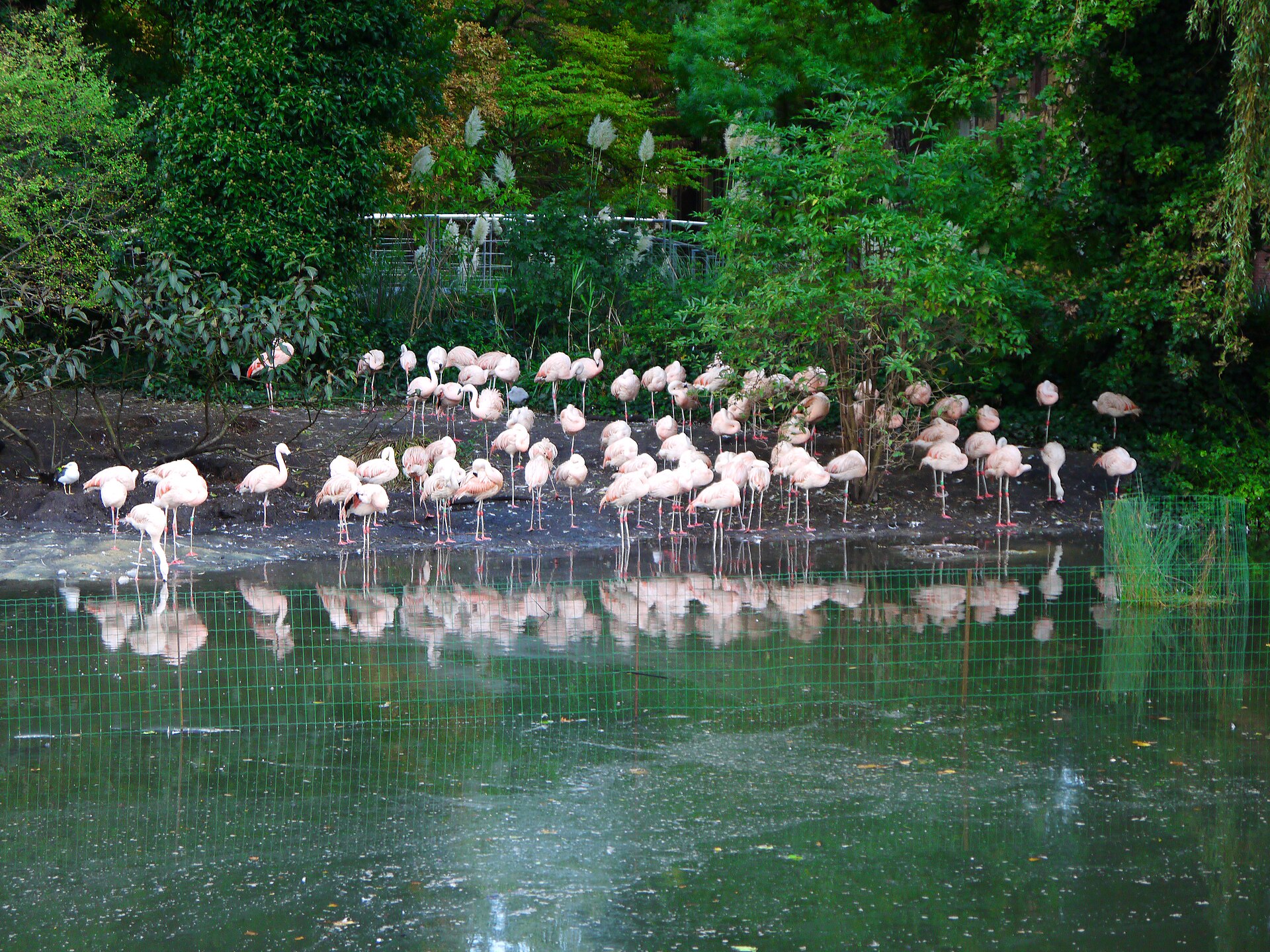
During the German occupation, the zoo hid people. Estimates vary, but somewhere between two and three hundred people in hiding passed through ARTIS, sheltered in empty enclosures, the attic of the wolf house and the roof of the monkey building, with the knowledge of a number of staff. It is a piece of Amsterdam history that is not signposted very loudly on site, and it sits oddly and powerfully alongside the flamingos. The Amsterdam history timeline and the culture and history guide give the wider context.
A route round ARTIS that actually works
The site is compact but the paths loop, and most first-time visitors walk the same section twice and miss the aquarium entirely. This is the order we would take it in, assuming a morning start and a full ticket.
- Straight to the savannah first. Turn right from the entrance. The elephants, giraffes and zebras are most active in the first hour and the sightlines across the open enclosure are best before the crowd builds.
- The predators next. Lions and the tiger, then the wolves, all within a few minutes of each other on the eastern side.
- The butterfly pavilion before the middle of the day, when it is warm and busy. It is small, humid and easily missed.
- Lunch on a bench around noon — bring it with you. The lawns near the ponds are the best spot.
- The Planetarium in the early afternoon. Check the board at the entrance for English show times and treat it as your sit-down.
- The Aquarium last, at around three. It is indoors, it is cool, and by then you will want to be. The canal cross-section is at the far end — do not turn back before you reach it.
- Micropia after the zoo if you have the combination ticket, since it is beside the entrance and takes an hour. Doing it first tends to eat the energy you need for the park.
If you have taken the €15 late-afternoon ticket instead, invert this: aquarium and planetarium first while they are still open, then the savannah as the light goes, which is when the animals wake up again. Two hours done that way is a better visit than four hours done badly.
How ARTIS compares with the alternatives
ARTIS is expensive enough that the comparison is worth making explicitly, particularly for families weighing one big day out against several smaller ones.
| Option | Adult price | Time | Weather |
|---|---|---|---|
| ARTIS zoo | From €29.50 | Half a day | Needs decent weather |
| Micropia alone | From €17 | 1–1.5 hrs | Fully indoors |
| NEMO Science Museum | €21.50 | 3 hrs | Fully indoors |
| Rijksmuseum | €25, under-19s free | 2.5–4 hrs | Fully indoors |
| Vondelpark and a playground | Free | As long as you like | Needs decent weather |
Read across and the picture is clear enough. For a family of four in reliable weather, ARTIS is the day that everyone remembers, and the free under-3 and under-13 concessions soften the price considerably. In poor weather the indoor options are simply better value, and in a two-day trip the free option deserves more consideration than it usually gets — our free things to do guide and the trip cost breakdown both make that case.
Eating, and where to go afterwards
The catering inside ARTIS is what zoo catering is everywhere: adequate, expensive, and busy at exactly the moment you want it. Picnicking is permitted and there is no shortage of grass and benches, so the cheapest good lunch here is one you carried in.
Outside the gates the Plantage has improved a great deal. There are decent cafes along the Plantage Kerklaan and the Plantage Middenlaan, and a ten-minute walk east brings you to the Dappermarkt, a proper working street market with none of the tourist pricing of the centre — our markets guide covers it. For dinner, the Oosterpark side of the neighbourhood has a strong run of Turkish, Surinamese and Ethiopian places, all covered in restaurants by budget and cheap eats.
If you still have energy after the zoo, the walk west along the Nieuwe Herengracht towards Waterlooplein is a good twenty minutes and passes several of the sites in our Jewish heritage guide. Alternatively, walk ten minutes east to the De Gooyer windmill, sit outside Brouwerij ‘t IJ with a beer, and consider the day well spent. A family version of the same afternoon is in Amsterdam with kids, and where to base yourself for short days is in family hotels.
Keep Exploring
- Amsterdam attractions and tickets: all prices and booking windows
- Amsterdam with kids
- Things to do in Amsterdam
- Amsterdam’s parks and Vondelpark
- Amsterdam attractions by area
- Family hotels in Amsterdam
- Free things to do in Amsterdam
Frequently asked questions
How much are ARTIS zoo Amsterdam tickets?
From €29.50 online for adults aged 13 and over, €32.50 at the gate. Children aged 3 to 12 pay from €25.50 online, and under-3s are free. Prices vary by day and are always cheaper online.
Is Micropia included in the ARTIS ticket?
No, it is separate: from €17 online for adults. Children up to and including twelve enter Micropia free. A combination ticket covering the zoo and one museum starts at €35.50 for adults.
Are the Aquarium and Planetarium extra?
No, both are included in the standard zoo ticket at no additional cost, which materially improves the value of the €29.50.
How long do you need at ARTIS?
Half a day for the zoo alone, and a full day if you are adding Micropia or the Groote Museum. Two hours is enough only if you take the discounted late-afternoon ticket and accept that you will not see everything.
Is there a cheaper ticket?
Yes. From September, a late-afternoon ticket costs €15 for anyone aged three and over, with the museums at €9. Students pay €16.25 for the zoo year-round.
Do you need to book ARTIS in advance?
Not usually. Walking up is fine on most days, though Dutch school holidays and warm weekends do get busy. Buying online rather than at the gate saves €2 to €3 regardless.
Is ARTIS good for toddlers?
Yes, and under-3s are free. The paths are buggy-friendly, the distances are manageable and there are plenty of places to stop. Micropia, by contrast, works from about ten upwards.
What is the best time of day to visit?
The first two hours after opening, when the animals are most active, or the last two hours on the discounted late ticket. The middle of the day is both the busiest and the sleepiest.
Is ARTIS worth it in the rain?
Not really. Only the aquarium, butterfly house, reptile house and planetarium are indoors. In genuinely bad weather, Micropia alone at €17 is the better use of the same afternoon.
Can you bring your own food into ARTIS?
Yes. Picnicking is allowed and there are plenty of benches and lawns, which is a real saving given the on-site catering prices. There is a supermarket about ten minutes’ walk away.