
Amsterdam’s neighborhoods each have their own distinct personality — from the cobblestoned charm of the Jordaan to the multicultural buzz of De Pijp. For first-time visitors, choosing the right base can make the difference between a good trip and an unforgettable one. This guide breaks down Amsterdam’s best neighborhoods for tourists, with honest advice on what makes each area special, who it’s best suited for, and how to get around.
The quick answer: first-time visitors usually do best basing themselves in the Canal Belt (Grachtengordel) or the Jordaan – central, walkable and unmistakably Amsterdam. Use De Pijp for food and markets, the Museum Quarter for the big galleries, and a half-day in Amsterdam-Noord for a different side of the city.
The four main canals – Singel, Herengracht, Keizersgracht and Prinsengracht – fan out from the center, with the Nine Streets tucked between them. Our Canal Ring guide goes deeper if this is your kind of area.
First-timer neighborhood cheat sheet
A rough guide to matching a district to your priorities. Hours and prices shift, so check current details before you book. For the bigger picture, see the main Amsterdam neighborhoods guide.
| Neighborhood | Best for | Feel | Walk to center? |
|---|---|---|---|
| Canal Belt | First trips, romance, sights | Historic, elegant | You are in it |
| Jordaan | Cafes, boutiques, calm nights | Charming, villagey | 5-10 min |
| De Pijp | Food, markets, going out | Young, multicultural | 10-15 min |
| Museum Quarter | Museums, families, quiet | Leafy, upmarket | 15-20 min / tram |
| Oud-West | Local life, value | Relaxed, residential | 15 min / tram |
| Amsterdam-Noord | Art, river views, festivals | Creative, industrial | Free ferry |
Drawn to world-class museums, cozy brown cafés, lively street markets, or creative waterfront spaces, there’s an Amsterdam neighborhood perfectly matched to your travel style. The city’s compact size means you’re never more than a 20-minute bike ride from anywhere, but staying in the right area saves time and puts the experiences you care about most right at your doorstep.
Jordaan: Amsterdam’s Most Charming Neighborhood
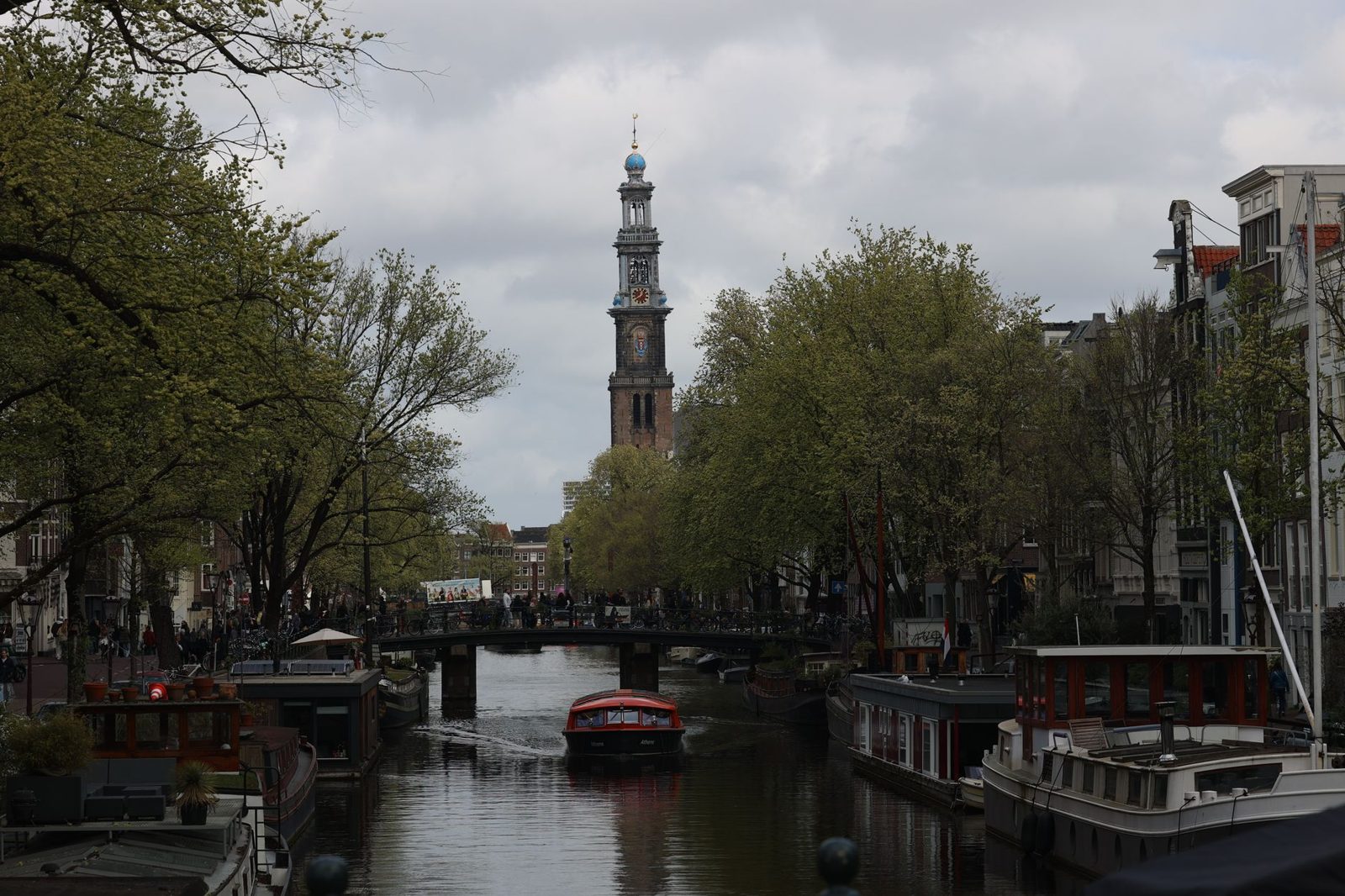
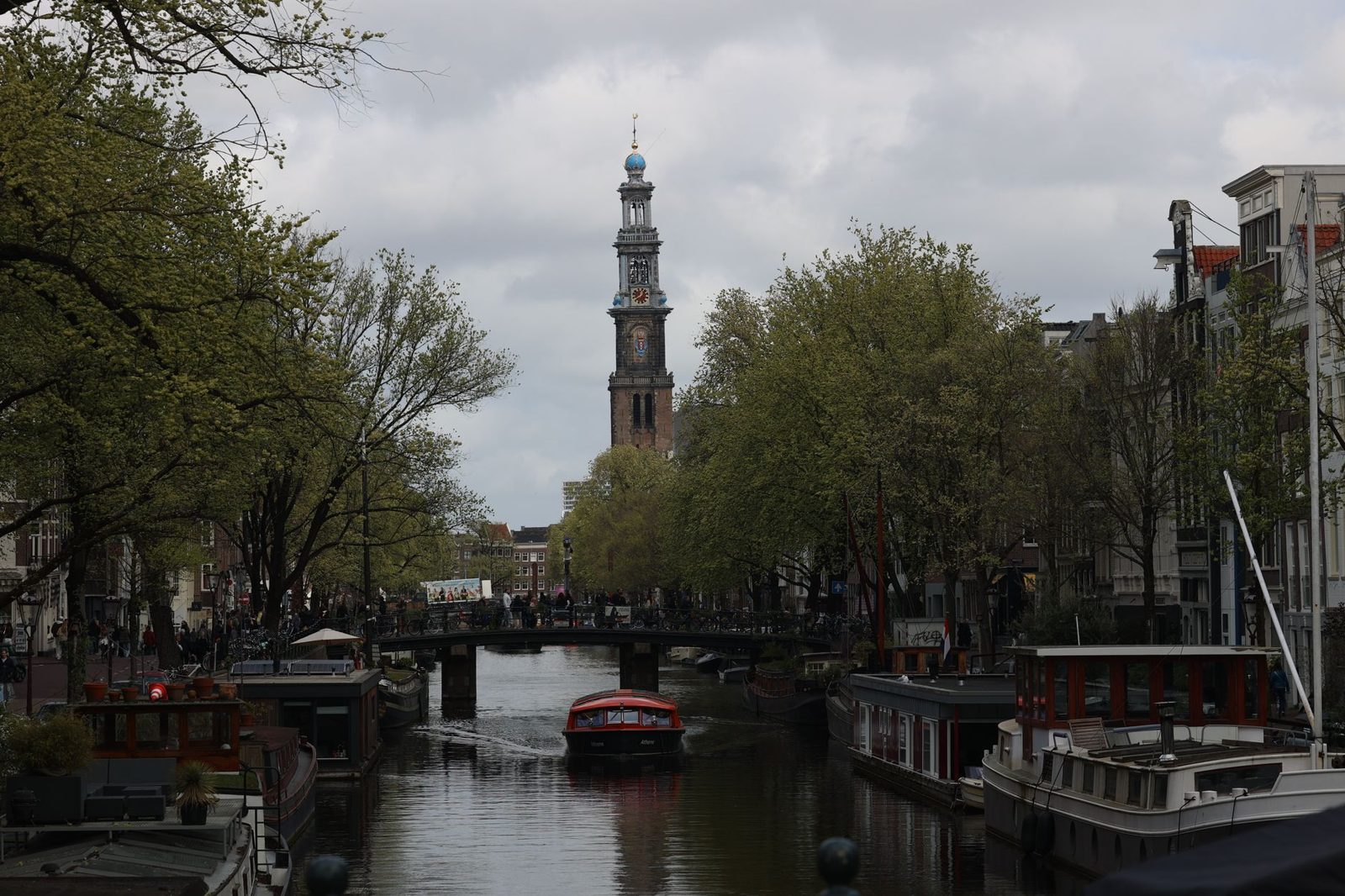
The Jordaan is many visitors’ favorite Amsterdam neighborhood, and it’s easy to see why. This former working-class district west of the city center has transformed into one of Amsterdam’s most desirable areas, with narrow streets lined with independent boutiques, cozy cafés, and some of the city’s best restaurants. The atmosphere is quintessentially Dutch — intimate, unpretentious, and endlessly photogenic.
Mornings are the Jordaan at its best: quiet cobbles, the Saturday Noordermarkt, a coffee in a brown cafe before the day-trippers arrive. Our full Jordaan guide goes deeper if this is your kind of area.
Originally built in the 17th century as housing for workers and immigrants, the Jordaan has retained its village-like character even as it’s become one of Amsterdam’s most sought-after addresses. The narrow lanes (called dwarsstraten) hide courtyard gardens called hofjes — peaceful, centuries-old almshouses that offer a serene escape from the bustling streets. The Karthuizerhof and the Claes Claeszhofje are among the most beautiful, and many remain accessible to respectful visitors.
What to Do in the Jordaan
The Anne Frank House sits at the Jordaan’s eastern edge on Prinsengracht, making this neighborhood the natural base for visiting one of Amsterdam’s most important historical sites. Book tickets well in advance — they typically sell out weeks ahead. The Westerkerk, the imposing Protestant church next door, offers tower climbs with panoramic views from April through October.
Every Saturday, the Noordermarkt hosts both an organic farmers’ market and a flea market. Arrive before 10am for the best selection of Dutch cheeses, freshly baked bread, seasonal produce, and vintage finds. On Monday mornings, the Lindengracht Market is a more local, less touristy alternative with affordable flowers, fresh fish, and stroopwafels made on the spot.
The Jordaan is also Amsterdam’s gallery district, with dozens of small art galleries concentrated along Eerste Leliedwarsstraat and surrounding streets. The neighborhood’s independent shops specialize in everything from vintage clothing and vinyl records to artisanal cheese and Dutch design. For evening entertainment, the area has excellent brown cafés — traditional Dutch pubs with dark wood interiors and candlelit atmosphere — with Café ‘t Smalle and Café Papeneiland among the most atmospheric.
Best For
Couples, culture lovers, and anyone who wants a romantic, walkable base with easy access to the Canal Belt and city center. The Jordaan is about a 10-minute walk from Dam Square and Central Station, making it perfectly positioned for sightseeing while feeling like a genuine neighborhood rather than a tourist zone.
Canal Belt (Grachtengordel): Classic Amsterdam
The Canal Belt (Grachtengordel) is Amsterdam’s postcard image brought to life — three concentric canals lined with elegant 17th-century merchant houses, arched bridges, and houseboats. This UNESCO World Heritage site forms the heart of Amsterdam and offers arguably the most beautiful urban setting in Europe. If you want to wake up to canal views and step out your door into the city’s most picturesque streets, this is where to stay.
The three main canals — Herengracht (Gentlemen’s Canal), Keizersgracht (Emperor’s Canal), and Prinsengracht (Prince’s Canal) — were constructed during Amsterdam’s Golden Age in the 17th century. Each has its own character: Herengracht is the grandest, with the famous Golden Bend stretch of double-wide mansions; Keizersgracht is slightly more residential; and Prinsengracht is the liveliest, lined with cafés, shops, and houseboats.
What to Do in the Canal Belt
The Nine Streets (De Negen Straatjes) is the shopping highlight — nine narrow cross-streets connecting the main canals, packed with independent boutiques, vintage shops, and specialty stores. This area has some of Amsterdam’s most charming lunch spots, from pancake houses to specialty coffee roasters. The Museum van Loon and Museum Willet-Holthuysen let you peek inside restored canal houses to see how wealthy merchants lived centuries ago.
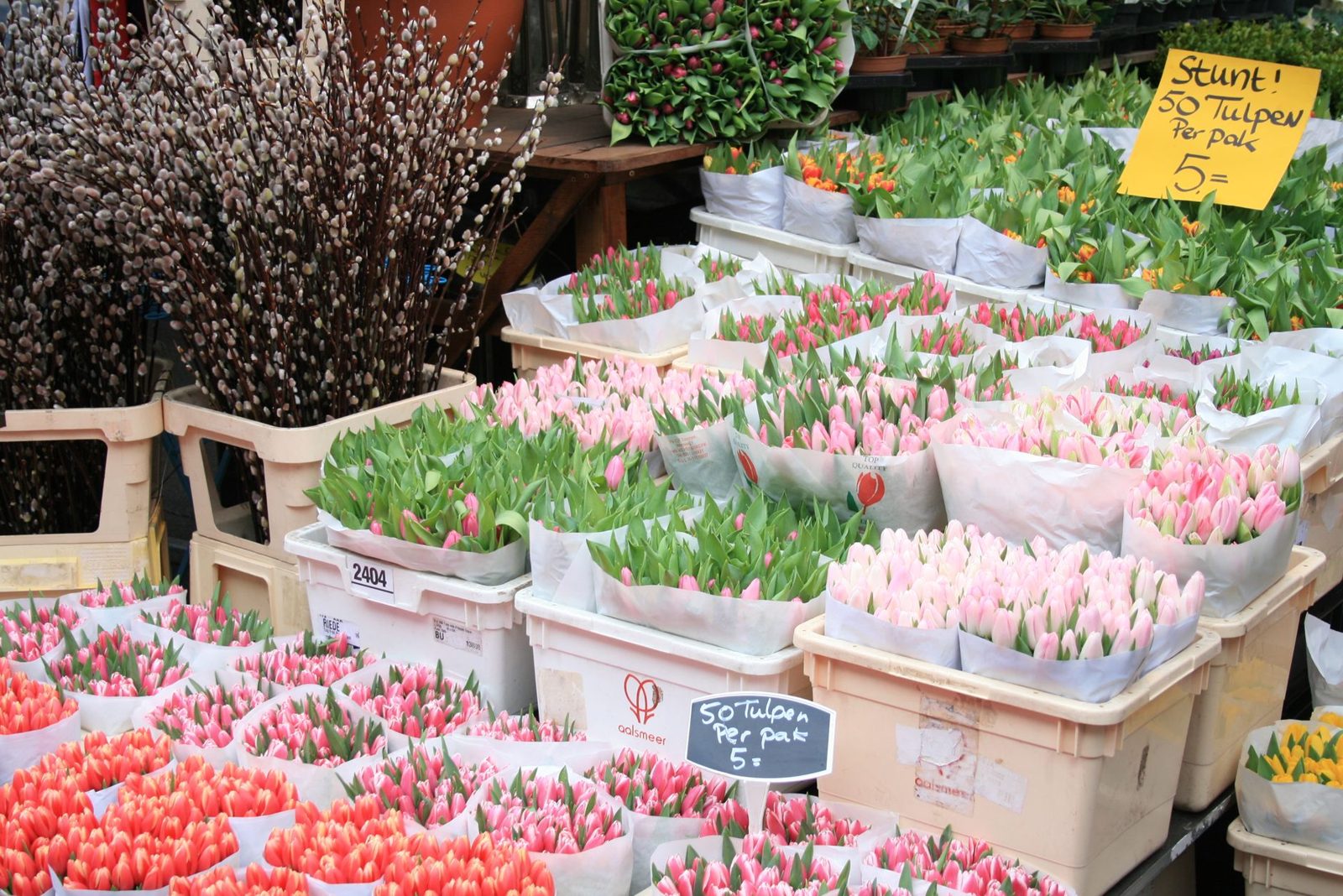
For things to do in Amsterdam, a canal cruise is essential, and many tour boats depart from the Canal Belt area. Evening cruises are particularly magical when the bridges are illuminated. The Bloemenmarkt (Flower Market) on Singel is the world’s only floating flower market — touristy but undeniably charming, especially when you’re buying tulip bulbs to take home.
Best For
First-time visitors who want the quintessential Amsterdam experience right outside their door. The Canal Belt is ideal for romantic getaways, photography enthusiasts, and anyone who values atmosphere and walkability above all else. You’ll pay a premium for accommodation here, but the location is unbeatable.
De Pijp: Amsterdam’s Multicultural Heart
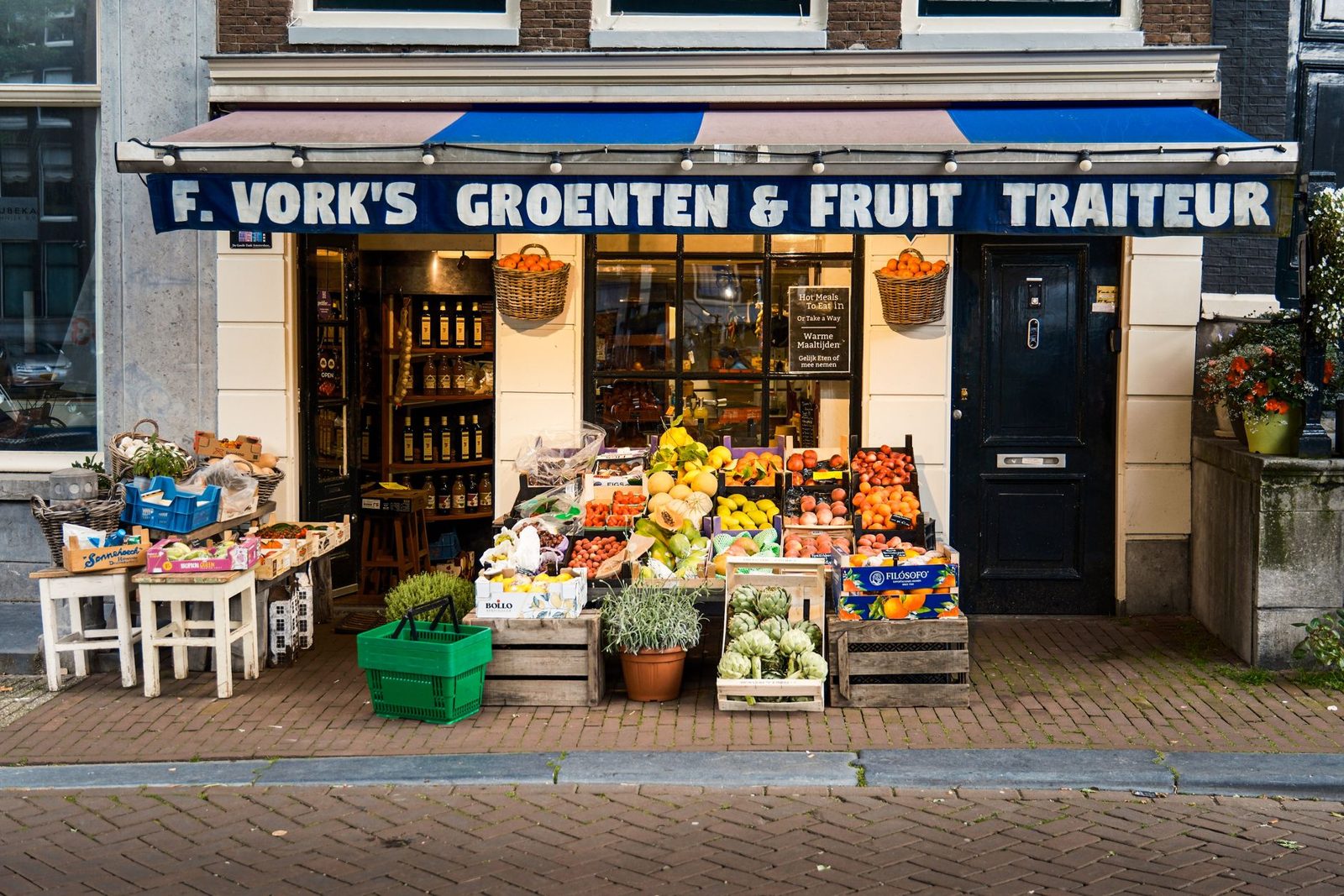
De Pijp is Amsterdam’s most diverse and energetic neighborhood — a place where Turkish bakeries sit next to craft cocktail bars, and Surinamese takeaways neighbor natural wine shops. Often called the “Latin Quarter of Amsterdam,” De Pijp has evolved from a 19th-century working-class district into one of the city’s most desirable areas for both locals and visitors, without losing its multicultural, unpretentious soul.
The Albert Cuyp Market anchors the area, and the side streets around Sarphatipark hide some of the citys best-value kitchens. Our De Pijp guide goes deeper if this is your kind of area.
The neighborhood’s defining feature is the Albert Cuyp Market — Amsterdam’s largest and most famous street market, stretching over 260 stalls along Albert Cuypstraat. Open Monday through Saturday, the market sells everything from fresh stroopwafels and Dutch herring to fabrics, electronics, and flowers. It’s been operating since 1905 and remains a genuine slice of Amsterdam’s everyday life rather than a tourist attraction, though visitors are absolutely welcome.
What to Do in De Pijp
The Heineken Experience occupies the original Heineken brewery on Stadhouderskade, offering interactive tours through the brewing process with tastings included. It’s one of Amsterdam’s most visited attractions and consistently gets positive reviews. Book online to skip the queue.
De Pijp’s dining scene is one of Amsterdam’s most exciting. Sarphatipark — the neighborhood’s green oasis — is surrounded by excellent restaurants and cafés. The streets around Gerard Douplein and the Eerste van der Helststraat are packed with international restaurants representing cuisines from Surinamese to Japanese to Ethiopian. For Amsterdam food experiences, De Pijp rivals any neighborhood in the city.
De Pijp is also just a 5-minute walk from the Museum Quarter, giving you easy access to the Rijksmuseum, Van Gogh Museum, and Stedelijk Museum without paying Museum Quarter accommodation prices. Vondelpark is similarly close — perfect for morning jogs or afternoon picnics.
Best For
Foodies, budget-conscious travelers, and anyone who wants a vibrant, authentic neighborhood feel with excellent dining, nightlife, and proximity to major museums. De Pijp appeals to solo travelers and younger visitors who prioritize atmosphere and value over luxury.
Museum Quarter (Oud-Zuid): Culture and Elegance
The Museum Quarter (Museumkwartier) in Amsterdam’s Oud-Zuid district is home to three of the Netherlands’ most important museums — the Rijksmuseum, Van Gogh Museum, and Stedelijk Museum of Modern Art — all clustered around the grand Museumplein square. This elegant, leafy neighborhood feels more refined and residential than the city center, with wide boulevards, upscale boutiques on P.C. Hooftstraat, and some of Amsterdam’s finest hotels.
Museumplein itself is a gathering spot year-round: in summer, locals sunbathe and picnic on the grass; in winter, an outdoor ice rink draws skaters. The iconic “I amsterdam” letters (a smaller version of the original) still draw photo-seekers. The Concertgebouw, one of the world’s finest concert halls, anchors the southern end of the square and offers free lunchtime concerts on Wednesdays during the season.
What to Do in the Museum Quarter
Beyond the big three museums, the area has several smaller cultural gems. The Moco Museum showcases contemporary and street art, including works by Banksy and Kaws. The Diamond Museum traces Amsterdam’s historical diamond trade. P.C. Hooftstraat is Amsterdam’s answer to Bond Street or Fifth Avenue — international luxury brands alongside high-end Dutch designers.
Vondelpark, Amsterdam’s beloved 47-hectare green space, borders the Museum Quarter to the west. The park has free outdoor performances at the open-air theater in summer, excellent café-restaurants, and winding paths perfect for walking, cycling, or simply people-watching. It’s where Amsterdam comes to relax, and spending a lazy afternoon here is one of the best free things to do in Amsterdam.
Best For
Art and culture enthusiasts, luxury travelers, families with children, and anyone who prefers a quieter, more upscale base with world-class museums at their doorstep. The Museum Quarter suits visitors who appreciate green space, refined dining, and a more relaxed pace.
Oud-West: The Local’s Favorite
Oud-West is where Amsterdam locals go when they want great food, interesting shops, and a neighborhood that still feels genuinely lived-in rather than curated for tourists. Tucked between Vondelpark and the Overtoom, this diverse district has become one of Amsterdam’s most exciting areas thanks to its mix of multicultural street life, creative businesses, and some of the city’s best eating spots.
The neighborhood’s crown jewel is the Foodhallen — an indoor food market housed in a beautifully converted 1902 tram depot. Under its soaring glass ceilings, 20+ food stalls serve everything from Vietnamese bao buns and Brazilian coxinhas to Dutch bitterballen and fresh oysters. It’s Amsterdam’s answer to food halls like London’s Borough Market, but more compact and atmospheric. The surrounding De Hallen complex also houses a cinema, library, and boutique hotel.
What to Do in Oud-West
Stroll down Kinkerstraat and the adjacent streets for a mix of independent shops, ethnic grocers, and specialty coffee spots. The Ten Katemarkt is a small, local market that draws far fewer tourists than Albert Cuyp but offers equally good produce, flowers, and street food at lower prices. For evening entertainment, Oud-West has excellent bars along Overtoom and some of Amsterdam’s best Indonesian restaurants — a cuisine deeply tied to Dutch colonial history.
Oud-West’s location is a major advantage: it’s right next to Vondelpark and a short tram ride from both the Museum Quarter and the city center. The neighborhood’s 19th and early 20th-century red-brick architecture gives it a distinct character, different from the Canal Belt’s Golden Age grandeur. Accommodation here is generally more affordable than central neighborhoods, with many apartment-style rentals that suit longer stays.
Best For
Food lovers, budget-minded travelers, and visitors who want to experience Amsterdam like a local. Oud-West is particularly good for families and longer stays, with its parks, markets, and residential feel. It suits travelers who don’t need to be in the absolute center but want easy access to everything.
Amsterdam Noord: Creative and Cutting-Edge
Amsterdam Noord has undergone one of Europe’s most dramatic urban transformations. Once an industrial shipyard district across the IJ River from Central Station, it’s now a thriving creative hub that represents Amsterdam’s future. The neighborhood is connected to the city center by free GVB ferries that run 24/7 — the 5-minute crossing is itself one of Amsterdam’s best free experiences, offering spectacular skyline views.
Hop the free GVB ferry behind Centraal and you reach NDSM wharf, the ADAM Lookout swing and the EYE Film Museum in minutes. Our Amsterdam-Noord guide goes deeper if this is your kind of area.
The NDSM Wharf is Noord’s creative epicenter — a former shipyard transformed into Amsterdam’s largest creative community. Massive industrial buildings now house artist studios, creative businesses, festivals, and cultural events. The monthly IJ-Hallen flea market at NDSM is Europe’s largest, drawing treasure hunters from across the continent. Street art covers virtually every surface, making it one of Amsterdam’s most photogenic areas for urban photography.
What to Do in Amsterdam Noord
The A’DAM Lookout Tower offers the best panoramic views of Amsterdam, with the “Over the Edge” swing — Europe’s highest swing — dangling you 100 meters above the city. It’s terrifying and exhilarating in equal measure. The EYE Film Museum, with its striking modern architecture right on the IJ waterfront, shows international art-house films and has excellent exhibitions on film history.
Noord’s food scene is booming. Café de Ceuvel, built on a decontaminated shipyard using upcycled houseboats, serves organic food and craft beer in one of Amsterdam’s most unique settings. Pllek, a beach bar constructed from shipping containers, is the place to watch sunset over the IJ with a local craft beer. For something more refined, several acclaimed restaurants have opened in Noord’s converted industrial spaces.
The Tolhuistuin (Tollhouse Garden) is a cultural venue with a lovely garden café that hosts concerts, theater, and club nights. Beyond the creative hubs, Noord also has the Nieuwendammerdijk — a remarkably preserved historic dike village that feels like stepping back in time, with wooden houses dating to the 17th century, just minutes from the avant-garde NDSM.
Best For
Creative types, adventurous travelers, and anyone looking for a unique Amsterdam experience beyond the typical tourist trail. Noord appeals to younger visitors, artists, and those who appreciate urban regeneration and cutting-edge culture. Accommodation is often more affordable here, with several excellent boutique hotels and unique Airbnbs in converted industrial buildings.
Amsterdam Centrum: The Tourist Hub
Amsterdam’s city center (Centrum) is the most obvious choice for first-time visitors, and there are good reasons for its popularity. Central Station is Amsterdam’s main transport hub, connecting you to Schiphol Airport, other Dutch cities, and international destinations. From here, Dam Square, the Royal Palace, and most major attractions are within a 15-minute walk.
The city center includes several distinct areas. The Red Light District (De Wallen) is Amsterdam’s oldest neighborhood, with medieval architecture, the beautiful Oude Kerk (Old Church, dating to 1306), and yes, the famous window displays. It’s safe to visit and genuinely interesting historically, though it’s the most heavily touristed part of Amsterdam. The Nieuwmarkt area, just south of the Red Light District, has excellent Chinese and Surinamese restaurants and the beautiful Waag (Weigh House) building.
Best For
Visitors on very short trips (1-2 nights) who want maximum convenience, or those who arrive late and depart early and need proximity to Central Station. Be aware that Centrum accommodation tends to be the most expensive, the most crowded, and the least representative of how Amsterdam actually lives. For a more authentic experience, consider the other neighborhoods in this guide and take advantage of Amsterdam’s excellent public transport to explore the center on foot during the day.
Amsterdam Oost: The Rising Star
Amsterdam Oost (East) is the neighborhood locals recommend when asked where visitors should actually stay. Still relatively under the radar with tourists, Oost offers an authentic Amsterdam experience with excellent dining, diverse communities, and green spaces that rival Vondelpark — at significantly lower accommodation prices than central neighborhoods.
The Oosterpark is the neighborhood’s green heart — a beautiful 19th-century park with ponds, winding paths, and the striking National Slavery Monument. The park is surrounded by a diverse dining scene along Javastraat and Beukenweg, where Moroccan, Turkish, and Surinamese eateries mix with trendy wine bars and specialty coffee roasters. The Dappermarkt, a daily market on Dapperstraat, has been voted Amsterdam’s best market and offers incredible value on fresh produce, street food, and household goods.
Oost is also home to the Tropenmuseum (Museum of the Tropics), one of Amsterdam’s most underrated museums, housed in a stunning colonial-era building. The Royal Zoo Artis — the oldest zoo in the Netherlands — is here too, making Oost a great choice for families visiting Amsterdam. The neighborhood is well connected by tram and metro, putting the city center within 10-15 minutes.
Best For
Budget travelers, families, and visitors who want to experience Amsterdam’s multicultural side away from tourist crowds. Oost is excellent for longer stays and offers some of the city’s best value accommodation in apartments and boutique guesthouses.
How to Choose Your Amsterdam Neighborhood
The best neighborhood for your Amsterdam trip depends on your priorities. Here’s a quick decision guide based on what matters most to you:
For romance and atmosphere: Jordaan or Canal Belt — both deliver classic Amsterdam beauty and intimate dining. For food and nightlife: De Pijp or Oud-West — Amsterdam’s most exciting culinary neighborhoods. For museums and culture: Museum Quarter — walk to the Rijksmuseum, Van Gogh Museum, and Concertgebouw. For creative and alternative vibes: Amsterdam Noord — cutting-edge culture in repurposed industrial spaces. For local authenticity on a budget: Oost or Oud-West — real neighborhood life with great transport connections. For maximum convenience: Centrum — everything within walking distance, though with tourist-crowd trade-offs.
Getting Between Neighborhoods
Amsterdam’s compact size is one of its greatest advantages. Most neighborhoods in this guide are within 20 minutes of each other by bike, and the city’s integrated transport network of trams, buses, metro lines, and free ferries makes getting around effortless. An OV-chipkaart or contactless payment card works on all GVB public transport. Many visitors find that staying in a slightly less central neighborhood and using a bike or tram to explore is both cheaper and more enjoyable than paying premium prices for a central hotel. For a complete guide to navigating the city, check our Amsterdam transport guide.
For help planning your overall Amsterdam itinerary, including how many days to spend and what to prioritize, explore our comprehensive Amsterdam neighborhoods guide for even more local insights into each area.
FAQ
Which Amsterdam neighborhood is best for first-time visitors?
For most first-timers the Canal Belt or the Jordaan is the easiest base: you can walk to the major sights, the canals are on your doorstep, and the area feels safe and characterful. If you care more about food and nightlife, De Pijp is a strong alternative a short tram ride out.
Should I stay in the city center or a neighborhood?
The old center (Centrum) is convenient but crowded, noisy and pricey, and parts of it lean heavily touristy. Staying one ring out – the Canal Belt edge, the Jordaan, De Pijp or Oud-West – keeps you close to everything while feeling more like real Amsterdam. Distances are short, so you are rarely more than 15 minutes from Dam Square.
How many neighborhoods can I see in a day?
Comfortably two or three. The central districts sit close together, so you might start in the Jordaan, drift through the Canal Belt and the Nine Streets, then tram down to De Pijp for dinner. The getting around Amsterdam guide explains trams and the free Noord ferries if you want to add the north bank.
Is it better to walk, bike or take the tram between neighborhoods?
In the center, walking is often fastest and the most enjoyable. For longer hops – say the center to Oud-Zuid or out to Oost – the tram or a bike makes more sense. First-timers sometimes find cycling in heavy traffic stressful; there is no shame in walking and using trams while you find your feet.
Which neighborhood is best for families?
The Museum Quarter and Oud-Zuid tend to suit families: calmer streets, green space at Vondelpark, and the big museums close by. Oost is another good shout for a quieter, more local stay. Our guide for families visiting Amsterdam has more on planning a trip with kids.
Keep exploring
- Amsterdam neighborhoods guide (overview)
- The Jordaan in depth
- De Pijp in depth
- The Canal Ring (Grachtengordel)
- Amsterdam-Noord
- Amsterdam Centrum — what is genuinely worth your time in the old core.
- Oud-West — the Foodhallen quarter locals are moving to.
First-time visitors usually want to know which areas feel comfortable after dark as well as which are convenient — our guide to the safest neighbourhoods for tourists answers the first question properly.