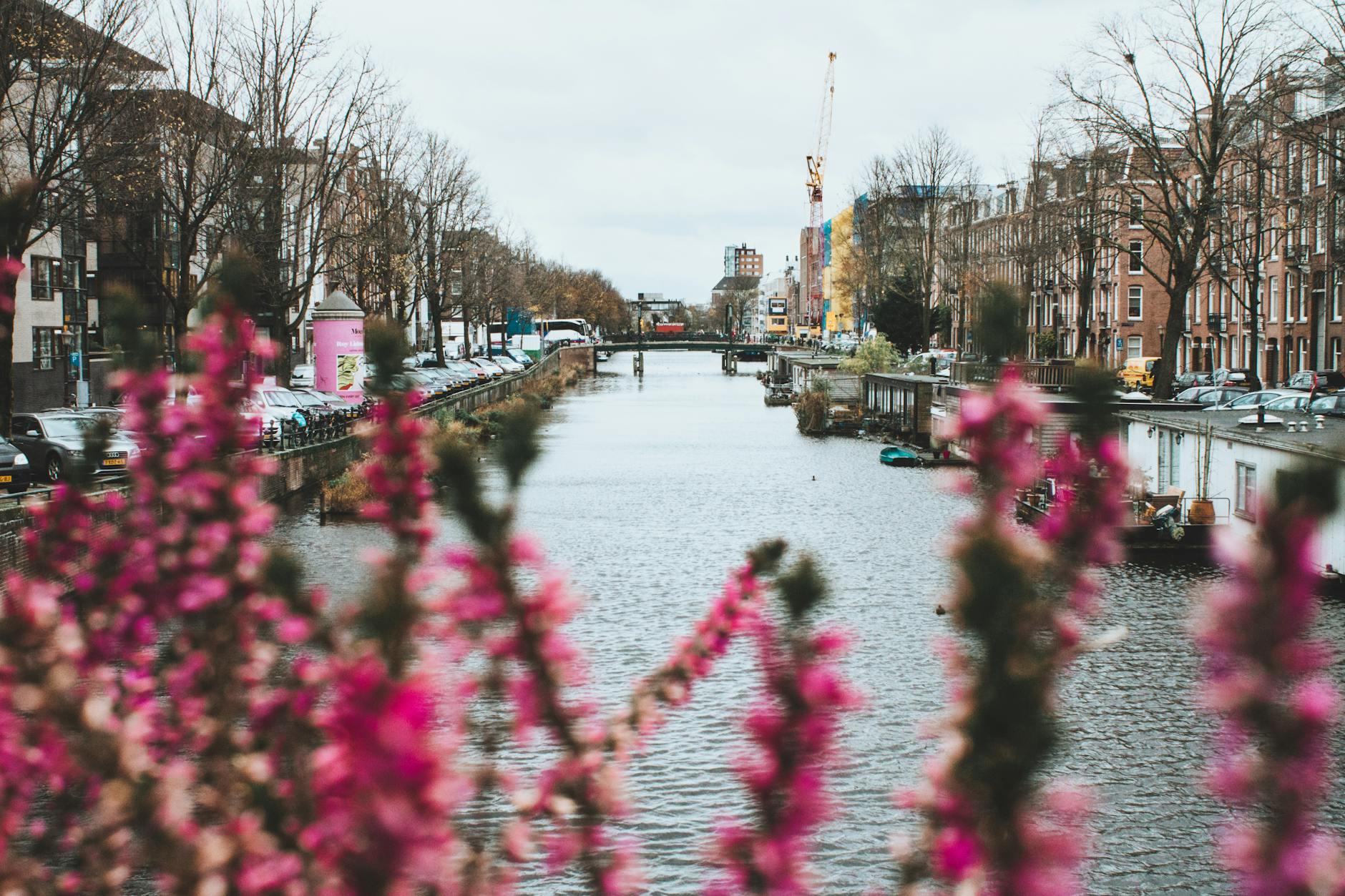
Amsterdam is a year-round destination, but the city transforms dramatically with each season — from tulip-lined canals and orange-draped King’s Day celebrations in spring to sun-soaked canal terraces in summer, golden-leafed cycling paths in autumn, and twinkling light festivals in winter. Knowing what each season offers helps you plan the right trip, whether the goal is peak tulip blooms, bargain hotel rates, or timing a visit around the city’s legendary festivals.
This seasonal Amsterdam guide breaks down what to expect month by month — including weather, major events, crowd levels, costs, and the best things to do in each season. Use it alongside our trip planning guide to build the ideal Amsterdam itinerary for any time of year.
Amsterdam by Season at a Glance
Short on time? This table sums up the trade-offs. Read it as a starting point, then dig into the season that fits your trip. Temperatures are typical averages and will vary year to year, and the headline events shift their exact dates annually, so always confirm against official calendars before you book.
| Season | Typical highs | Crowds | Hotel prices | Headline events | Best for |
|---|---|---|---|---|---|
| Spring (Mar–May) | ~9–17°C / 48–63°F | Building, peaks late Apr | Mid; spikes for King’s Day | Tulips, King’s Day (27 Apr), Keukenhof | First-timers, flowers, festivals |
| Summer (Jun–Aug) | ~19–23°C / 66–73°F | Highest of the year | Highest (peak) | Pride, Grachtenfestival, long days | Terraces, swimming, nightlife |
| Autumn (Sep–Nov) | ~10–19°C / 50–66°F | Drops sharply after Sep | Lower (except ADE week) | ADE, Museum Night, golden foliage | Museums, value, photography |
| Winter (Dec–Feb) | ~5–7°C / 41–45°F | Lowest (bar Christmas/NYE) | Lowest of the year | Light Festival, markets, NYE | Cozy trips, budget, indoor culture |
Spring in Amsterdam (March–May)

Spring is arguably the most magical season in Amsterdam and the time most visitors dream of experiencing — our complete Amsterdam in spring guide goes deep on tulips and King’s Day. The city shakes off winter’s grey skies as days lengthen, temperatures climb, and flowers explode into color across parks, gardens, and window boxes along every canal. Spring is when Amsterdam’s famous tulip season peaks, King’s Day turns the entire city orange, and outdoor café terraces come back to life after months of hibernation.
March: The First Signs of Spring
March marks Amsterdam’s transition from winter to spring. Temperatures range from 3°C to 10°C (37°F to 50°F), and while rain and grey skies are still common, the days are noticeably longer and the first crocuses and daffodils appear in Vondelpark and the Amsterdamse Bos. Hotel prices remain relatively low (€100–180 per night for mid-range), making March an excellent value month.
Key events: The Amsterdam Coffee Festival brings specialty coffee culture to the NDSM-Loods. The Stille Omgang (Silent Procession) takes place on the Saturday night closest to March 15, commemorating the 1345 Miracle of Amsterdam with a peaceful nighttime walk through the old city center. The Keukenhof Gardens typically open in the third week of March, though early blooms are limited — visit later in April for the best displays.
What to pack: Layers, a waterproof jacket, and a scarf. March weather is unpredictable — you might experience sunshine, rain, and wind all in the same day.
April: Tulip Season and King’s Day

April is Amsterdam’s standout month — the perfect storm of tulip season, pleasant weather, and the country’s biggest national celebration. Temperatures climb to 8–14°C (46–57°F), and April is actually Amsterdam’s driest month with only about 40mm of rainfall. The city’s parks, gardens, and window boxes burst with color, and the famous tulip fields in the surrounding countryside reach their spectacular peak from mid-April.
Key events: King’s Day (Koningsdag, April 27) is the Netherlands’ biggest celebration and an absolute must-experience event. The entire city transforms into a giant street party dressed in orange — the national color — with live music on every corner, boat parades clogging the canals, and the world’s largest open-air flea market (vrijmarkt), where anyone can sell anything on the streets without a permit. Book accommodation months in advance for King’s Day weekend, as the city fills to capacity. The Keukenhof Gardens reach peak bloom in mid-to-late April, with over 7 million tulips, hyacinths, and daffodils on display across 32 hectares. For a day trip to Keukenhof, book tickets online in advance.
What to pack: Bring layers and rain gear, plus something orange if visiting around King’s Day. Sunglasses are useful for increasingly sunny days.
May: Late Spring Perfection
May offers some of Amsterdam’s most pleasant weather — temperatures of 10–17°C (50–63°F), long daylight hours (sunrise before 6am, sunset after 9pm), and a city in full bloom. The last tulips are still visible until mid-May, and outdoor terraces along the canals are packed with locals and visitors enjoying the warmth. Hotel prices start climbing toward summer peaks (€140–220 per night), but crowds are still manageable compared to July and August.
Key events: Liberation Day (Bevrijdingsdag, May 5) celebrates the end of WWII occupation with free festivals and concerts across the city, including major performances in Vondelpark and at the Amstel River. Remembrance Day (Dodenherdenking, May 4) the evening before is a solemn national ceremony — at 8pm the entire country observes two minutes of silence, with the main ceremony at Dam Square being deeply moving. The Keukenhof closes in mid-May, and the Kunstrai art fair brings contemporary art to the RAI convention center. Explore the city’s cultural offerings in more depth with our culture and history guide.
Summer in Amsterdam (June–August)

Summer is the peak tourist season — see our dedicated Amsterdam in summer guide for the full festival diary — and for good reason — the weather is at its warmest, daylight stretches past 10pm, and the city’s cultural calendar overflows with outdoor festivals, concerts, and events. The flip side is higher prices, bigger crowds at major attractions, and the need to book museum tickets and accommodation well in advance. But if you love long, warm evenings exploring canal-side terraces and catching outdoor performances, summer is unbeatable.
June: Long Days and Festival Season
June is glorious in Amsterdam, with temperatures of 13–20°C (55–68°F) and an astonishing 17 hours of daylight around the summer solstice (June 21). The warm, long evenings are perfect for canal-side dining, cycling through Vondelpark, and exploring the city’s neighborhoods at a leisurely pace. Hotel prices are firmly in peak territory (€180–350 per night), and major museums require advance booking.
Key events: The Holland Festival (all month) is the Netherlands’ most prestigious performing arts festival, presenting world-class theater, opera, music, and dance. The Open Garden Days (Grachtenfestival) in mid-June offer rare access to approximately 30 private canal-house gardens normally hidden behind Amsterdam’s famous facades — a unique way to see the city’s secret green spaces. Amsterdam Roots Festival brings world music to various venues, and the Vondelpark Open Air Theatre launches its free summer program of concerts, theater, and dance performances that runs through August.
July: Peak Summer
July is one of Amsterdam’s warmest months, with temperatures of 15–22°C (59–72°F) and occasional heat waves pushing into the high 20s or even 30s°C. This is peak tourist season — expect crowds at the Anne Frank House, Rijksmuseum, and Van Gogh Museum. Book everything in advance: museum tickets, accommodation, popular restaurants, and canal cruises. Despite the crowds, summer Amsterdam is a joy — locals swim in open-water swimming spots, the canals are packed with boats, and outdoor dining reaches its peak.
Key events: The Kwaku Summer Festival runs across multiple weekends in July and August in Nelson Mandela Park (Amsterdam Zuidoost), celebrating Afro-Caribbean and Surinamese culture with music, food, dance, and sports — it’s one of Amsterdam’s most joyful and culturally rich celebrations. Julidans is an international dance festival presenting contemporary choreography at various venues. The summer sales (uitverkoop) begin in late June or early July, offering 30–70% discounts at major retailers — see our shopping guide for the best areas.
August: Warm Evenings and Canal Concerts
August is Amsterdam’s warmest month on average, with temperatures of 15–22°C (59–72°F) and the longest sustained period of warm weather. It’s also the busiest month for tourism, so patience at popular attractions is essential. The upside: Amsterdam’s outdoor culture is at its best, with swimming spots, rooftop bars, and canal-side terraces all buzzing with activity.
Key events: The Grachtenfestival (Canal Festival, mid-August) is one of Amsterdam’s most magical events — ten days of classical music performances in extraordinary settings, including canal boats, private gardens, museum courtyards, and bridges. The highlight is the free Prinsengracht Concert, where an orchestra performs on a floating pontoon stage while thousands of spectators line the canal banks and fill boats. Amsterdam Pride (late July/early August) culminates in the famous Canal Parade — a flotilla of decorated boats carrying revelers through the city’s canals, watched by hundreds of thousands of spectators. The Uitmarkt in late August is a free three-day festival on Museumplein previewing the upcoming cultural season with performances, concerts, and art.
Autumn in Amsterdam (September–November)

Autumn is the city’s best-kept secret and a favourite among experienced visitors; our Amsterdam in autumn guide covers the foliage and ADE in detail. September and early October offer pleasant weather with significantly fewer crowds and lower prices than summer, while the city’s trees paint the canals in stunning shades of gold, amber, and red. Late autumn (November) signals the start of the festive season with the arrival of Sinterklaas and the Amsterdam Light Festival.
September: The Sweet Spot
September is many locals’ favorite month — the summer crowds thin out, temperatures remain pleasant at 12–19°C (54–66°F), and the cultural season kicks into high gear. Hotel prices drop 20–30% from summer peaks (€140–220 per night), and museum queues shrink noticeably. The light takes on a golden quality that makes the canals particularly photogenic in the morning and late afternoon.
Key events: Open Monumentendag (Open Heritage Day, second weekend of September) grants free access to hundreds of historic buildings normally closed to the public — canal houses, churches, warehouses, and government buildings open their doors for self-guided exploration. The Amsterdam Fringe Festival presents emerging performing arts across dozens of unconventional venues. Unseen Photo Fair at the Westergasfabriek showcases cutting-edge photography. The cultural season officially begins with new exhibitions opening at all major museums.
October: Golden Autumn
October brings Amsterdam’s most beautiful autumn foliage, with the Vondelpark, Amsterdamse Bos, and canal-side trees turning spectacular shades of gold and russet. Temperatures drop to 8–15°C (46–59°F), rain becomes more frequent, and daylight hours shorten noticeably. Tourist numbers are significantly lower, making it much easier to get restaurant tables, museum tickets, and competitive hotel rates.
Key events: The Amsterdam Dance Event (ADE) in October is one of the world’s biggest electronic music festivals and conferences, transforming the city into a five-day celebration: the 2025 edition drew nearly 3,500 artists and more than 1,200 events across 300+ locations. Even if electronic music isn’t your thing, ADE creates an electric atmosphere citywide. Amsterdam Marathon in mid-October takes runners through the historic center, Vondelpark, and along the Amstel River. Museum Night (Museumnacht, early November) opens 50+ museums until 2am with special programming, DJ sets, and performances — tickets sell out quickly. For more on Amsterdam’s vibrant music scene, see our culture guide.
November: Cozy Beginnings of Winter
November is Amsterdam’s quietest and cheapest month (excluding holiday periods), with temperatures of 4–10°C (39–50°F), early sunsets, and frequent overcast skies. While the weather isn’t glamorous, November has a cozy charm — this is when Amsterdam’s famous “gezelligheid” (coziness/togetherness) culture shines brightest, with candlelit brown cafés, warm interiors, and the first signs of the festive season appearing.
Key events: The Sinterklaas Intocht (arrival of St. Nicholas) in mid-November is a beloved Dutch tradition — Sinterklaas arrives by steamboat from “Spain” to great fanfare, parading through the city on a white horse accompanied by his helpers. This marks the unofficial start of the holiday season. The Amsterdam Light Festival launches in late November, illuminating the canals and public spaces with spectacular light art installations by international artists — the festival runs through mid-January and is best experienced on an evening canal cruise. Hotel rates bottom out at €100–160 per night, making November one of the best value months for visiting. Check our activities guide for indoor options during cooler weather.
Winter in Amsterdam (December–February)

Winter in Amsterdam is cold, dark and often rainy — but also surprisingly atmospheric and rewarding, as our full Amsterdam in winter guide explains. The city’s festive decorations, warm brown cafés, world-class museums, and off-season prices make it an excellent time for a culturally focused visit. Snow is rare but magical when it happens, transforming the canals into scenes from a Dutch Golden Age painting.
December: Festive Amsterdam

December sees a surge of festive visitors drawn by Amsterdam’s holiday atmosphere. Temperatures hover around 2–7°C (36–45°F), days are short (sunset by 4:30pm), but the city twinkles with lights and decorations. Hotel prices rise from November’s lows, especially around Christmas and New Year’s Eve (expect to pay €150–250+ per night), and popular restaurants book up for holiday dining.
Key events: Sinterklaas Eve (Pakjesavond, December 5) is the Netherlands’ primary gift-giving holiday — more important than Christmas for many Dutch families. The Amsterdam Light Festival continues through December and January, making evening canal cruises truly spectacular. Christmas markets pop up across the city, with the one at Museumplein being the largest, featuring artisan crafts, glühwein (mulled wine), and seasonal treats. The Ice Village Amsterdam offers ice skating in an atmospheric setting. New Year’s Eve in Amsterdam is a massive celebration, with fireworks displays visible across the city — the best viewing spots are along the Amstel River, Museumplein, and from any elevated position overlooking the city center.
January: Quiet and Affordable
January is Amsterdam at its quietest and most affordable. Post-holiday calm settles over the city, temperatures range from 1–6°C (34–43°F), and hotel prices drop to their annual lowest (€90–150 per night for mid-range accommodation). Museums are blissfully uncrowded — you can take your time with Rembrandt’s Night Watch without jostling for position. The trade-off is short, grey days (sunset by 4:45pm in early January) and frequent rain or drizzle.
Key events: National Tulip Day (third Saturday of January) kicks off the tulip season in surprising fashion — a temporary tulip garden of 200,000 flowers is created on Dam Square, and visitors can pick a free bouquet. The Amsterdam Light Festival runs through mid-January, and the January sales offer significant discounts at shops across the city — see our shopping guide for the best shopping streets. Many museums launch their major winter exhibitions in January, making it an ideal time for culture-focused visits.
February: Winter’s Last Stand
February is Amsterdam’s coldest month on average, with temperatures of 0–6°C (32–43°F) and occasional frost or light snow. It’s also one of the driest winter months (around 50mm of rainfall) and one of the cheapest to visit, with hotel rates still at off-season lows. The days are slowly getting longer, and by month’s end, the first crocuses appear in Vondelpark — subtle signs that spring is approaching.
Key events: Carnival (Carnaval) is celebrated primarily in the southern Netherlands, but Amsterdam hosts smaller festivities including costume parties and parades. Chinese New Year is celebrated in Amsterdam’s small but historic Chinatown near the Nieuwmarkt, with a lion dance, firecrackers, and food stalls. February is excellent for museum visits with minimal crowds, and the food scene offers warming seasonal menus featuring stamppot, erwtensoep, and other hearty Dutch winter dishes.
Amsterdam Weather at a Glance
Amsterdam has a temperate oceanic climate — mild but changeable, with rainfall spread relatively evenly throughout the year. Here’s a quick reference for planning your trip. Average temperatures range from 3°C (37°F) in January to 18°C (64°F) in July. Annual rainfall averages about 840mm, distributed across roughly 200 rainy days per year. April is the driest month (around 40mm), while July and October tend to be the wettest (70–85mm). Wind is a constant companion — Amsterdam is flat and near the North Sea, so expect breezes year-round, particularly along the waterfront and in open areas.
The golden rule for Amsterdam weather: always be prepared for rain, regardless of season. Even in summer, an unexpected shower can appear from a clear sky. Pack a compact waterproof jacket, and if you’re cycling (which you should — see our transport guide), a rain poncho is invaluable. That said, don’t let the rain deter you — Amsterdammers don’t let it stop them, and neither should you. Ducking into a cozy brown café during a shower is one of Amsterdam’s quintessential pleasures.
How to Choose Your Season
The honest answer to "when should I visit Amsterdam?" is that it depends on what you came for. There is no bad season here, only trade-offs, and the city rewards travellers who match the calendar to their priorities rather than chasing a mythical perfect week. A few questions sort most people quickly.
Is this your one big trip? Go in spring. Late April through mid-May gives you tulips, King’s Day, working terraces, and the long golden evenings that make the canal belt look like a film set. Our full Amsterdam in spring guide breaks down the tulip timing week by week. Travelling with a tight budget? Aim for January or February, when hotel rates fall to their annual low and museum rooms are blissfully quiet. Want warm weather and a packed events diary? Summer is your season, with the caveat that you will share the city with everyone else who had the same idea. Care most about value and atmosphere over weather? Autumn is the quiet favourite of repeat visitors.
One more factor people underrate: daylight. In late June the sun is up past 10pm and you can comfortably plan two dinners’ worth of activity into an evening. In December it is dark by around 4:30pm, which completely changes how a day feels and pushes you toward the cozy indoor pleasures the Dutch call gezelligheid. Neither is wrong; they are just different trips. If you wilt without sunlight, lean toward May through September; if a candlelit brown cafe in the dark sounds like heaven, winter will not disappoint.
Festivals and Events Through the Year
Amsterdam runs on its events calendar, and a single well-timed festival can define a trip. Here is how the headline acts fall across the year, with the usual timing — though, as ever, confirm exact dates for your travel year, because several of these move around.
Spring’s big hitters
King’s Day (Koningsdag), 27 April, is the one most visitors build a trip around. The whole city dresses in orange, the canals fill with party boats, and the world’s largest free flea market spreads across every neighbourhood from early morning. It is genuinely one of the great street parties on earth, but it is not a sightseeing day: most museums close and the crowds are relentless. Around it, the Keukenhof Gardens hit peak bloom in the second half of April, an easy day trip from the city that pairs perfectly with a tulip-season visit. Early May brings the solemn two minutes of silence on Remembrance Day (4 May) followed by the free open-air concerts of Liberation Day (5 May).
Summer’s festival glut
Summer is when the diary overflows. Amsterdam Pride, with its unique canal-based parade in early August, draws hundreds of thousands to the banks of the Prinsengracht. The Grachtenfestival turns canal boats, hidden gardens and bridges into classical-music stages in mid-August, and the free Vondelpark Open-Air Theatre runs all season. There is a festival nearly every weekend; our Amsterdam in summer guide maps them month by month so you can plan around the one you actually want.
Autumn’s cultural heavyweights
October belongs to the Amsterdam Dance Event (ADE), one of the world’s biggest electronic-music festivals and conferences, which in 2025 filled more than 300 locations with nearly 3,500 artists over five days. Even if you never set foot in a club, the city hums with energy that week. Museum Night in early November opens dozens of museums until the small hours with one ticket, DJ sets and bars in the galleries — it sells out fast. The full picture, including the golden foliage that makes autumn so photogenic, is in our Amsterdam in autumn guide.
Winter’s lights and markets
The Amsterdam Light Festival runs from roughly late November to mid-January, turning the canal belt into an open-air gallery of illuminated artworks best seen from a heated boat. Christmas markets cluster across the city, ice rinks appear on Museumplein, and New Year’s Eve brings chaotic, citywide fireworks. For the cozy side of the cold months — brown cafes, mulled wine, empty museums — see our Amsterdam in winter guide.
Crowds, Costs and Booking Strategy
Amsterdam’s popularity is its own weather system. The difference between a July Saturday on the Damrak and a wet Tuesday in February is enormous, and it shows up in both your stress levels and your bank balance. Understanding the rhythm helps you book smart.
Crowds peak from June through August and around King’s Day, ease through the autumn, and bottom out in January and February (Christmas week and New Year’s Eve excepted). Prices track crowds closely. In peak summer you should expect to book the headline museums — the Anne Frank House, Rijksmuseum and Van Gogh Museum — weeks ahead, because walk-up tickets effectively do not exist; the Anne Frank House in particular releases timed slots on a rolling schedule that sells out within minutes. Even in the quiet months it pays to reserve these online. Our things to do in Amsterdam hub covers what is worth pre-booking versus what you can leave to chance.
For accommodation, the pattern is simple: book furthest ahead for King’s Day weekend and peak summer, comfortably ahead for the autumn festival weeks (ADE especially), and you can often leave winter stays later and still find deals. Staying just outside the Canal Ring — in De Pijp, Oost or Amsterdam-West — usually buys you better value and a more local feel without sacrificing transport, as our where to stay in Amsterdam guide explains. To pin down a realistic daily budget for your chosen season, the Amsterdam trip planning guide is the place to start.
Getting Around in Each Season
The bicycle is Amsterdam’s default mode of transport year-round, and locals ride through every kind of weather — but the experience changes with the calendar. In spring and summer, cycling is a joy: dry roads, long light, and a city built for two wheels. Bring or rent a rain poncho regardless, because showers arrive without warning even on bright days.
Autumn adds two wrinkles: wet leaves make cycle paths and bridges slippery, and bike lights become legally required (and actively enforced) once it gets dark in the late afternoon. Winter raises the stakes again with the occasional frost — bridges freeze first because of the water beneath them, so black ice is a real hazard. None of this should stop you; it just means the trams, metro and buses earn their keep on the coldest, wettest days, letting you minimise time exposed to the elements. The free GVB ferries behind Centraal Station to Amsterdam Noord are a pleasure in any season and especially magical on a clear winter evening. For tickets, routes and the OV-chipkaart system, our getting around Amsterdam guide has the details.
Eating and Drinking with the Seasons
Dutch food leans hearty and seasonal, and Amsterdam’s menus shift noticeably as the year turns. In the cold months, look for erwtensoep (a thick split-pea soup with smoked sausage) and stamppot (mashed potato folded through kale, sauerkraut or carrot and onion), both built to fortify you against a North Sea wind. From late autumn, oliebollen — deep-fried dough balls dusted in icing sugar — appear at street stalls and become compulsory on New Year’s Eve, usually washed down with glühwein at a Christmas market.
Spring and summer flip the mood: terraces reopen, the year’s first Hollandse Nieuwe (new-season raw herring) is celebrated in early summer, and outdoor food festivals like Rolling Kitchens take over the parks. Year-round staples — bitterballen with a cold beer, an apple pie thick with whipped cream — simply taste better in their natural setting, whether that is a sunny canal-side bench or a candlelit brown cafe in December. For the full rundown of what to eat and where, see our Amsterdam food and drink guide.
Best Time to Visit Amsterdam — Quick Comparison
Choosing when to visit depends on your priorities. Here’s a quick guide to help you decide which season suits your Amsterdam trip best.
Best weather: June through August offers the warmest temperatures and longest days, though July and August can occasionally be hot and humid. September is often pleasant with mild temperatures and less rain than summer.
Best for tulips: Mid-April to early May is peak tulip season. Keukenhof Gardens are open from mid-March to mid-May, with peak bloom typically in the last two weeks of April.
Best for festivals: April (King’s Day), June (Holland Festival), August (Grachtenfestival, Pride), October (Amsterdam Dance Event), and December (Light Festival, Christmas markets) are the top festival months.
Best for budget travel: November through February (excluding Christmas/New Year) offers the lowest hotel rates, cheapest flights, and fewest crowds. January and February are the absolute cheapest months.
Best for avoiding crowds: September, October, January, and February have the lightest tourist traffic. Museum queues are shortest, restaurant tables are available, and the city feels more authentically local.
Best overall: Late April to May and September offer the ideal balance — pleasant weather, manageable crowds, reasonable prices, and a full cultural calendar. If we had to pick just one month, September edges it out for the combination of mild weather, low crowds, rich cultural programming, and good value.
Seasonal Packing Tips
Amsterdam’s changeable weather means smart packing is essential no matter when you visit. Here are season-specific recommendations to keep you comfortable.
Spring (March–May): Layers are essential — mornings can be chilly (5–10°C) while afternoons warm up considerably. Bring a waterproof jacket, a light sweater or fleece, comfortable walking shoes (cobblestones are everywhere), and sunglasses. If visiting for King’s Day, pack at least one orange item to join the fun.
Summer (June–August): Light clothing for warm days, but always pack a light jacket or sweater for evenings when temperatures drop. A compact umbrella or rain jacket is non-negotiable. Sunscreen is important — the sun can be surprisingly strong despite the northern latitude. Comfortable shoes remain essential for the cobblestone streets.
Autumn (September–November): Warm layers become increasingly important as the season progresses. By November, you’ll want a proper winter coat, scarf, and hat. A waterproof outer layer is essential. Boots or waterproof shoes are advisable — Amsterdam’s streets can get wet and slippery with fallen leaves.
Winter (December–February): Dress warmly — thermal base layers, a heavy coat, scarf, hat, and gloves are all necessary. Wind chill can make temperatures feel several degrees colder than the thermometer reads, especially near the water. Waterproof boots are highly recommended. On the bright side, Amsterdam’s excellent public transport (see our transport guide) means you can minimize time exposed to the elements.
Seasonal Accommodation Tips
Amsterdam hotel prices fluctuate significantly by season, and booking strategy should adjust accordingly. Here’s what to expect and how to get the best value for your visit.
Peak season (June–August, King’s Day weekend, Christmas/New Year): Mid-range hotels average €180–350 per night. Book at least two to three months in advance for summer stays, and four to six months ahead for King’s Day weekend (April 26–27). Holiday period rates spike even higher. Consider staying slightly outside the Canal Ring — Amsterdam-West, De Pijp, and Oost offer excellent value with good transport connections.
Shoulder season (April–May, September–October): Mid-range hotels average €140–220 per night — 20–30% below summer peaks. These months offer the best value-to-experience ratio, with pleasant weather and manageable crowds at lower prices. Booking one to two months ahead is usually sufficient, except for King’s Day in April.
Off-season (November–February, excluding holidays): Mid-range hotels drop to €90–180 per night — savings of 40–50% compared to peak summer. Last-minute deals are often available, and many hotels offer winter packages that include museum tickets or canal cruise passes. January and February offer the absolute lowest rates of the year.
Regardless of season, Amsterdam rewards early planners. Book museum tickets (especially Rijksmuseum, Van Gogh Museum, and Anne Frank House) as far in advance as possible — these sell out weeks ahead even in winter. For more detailed accommodation advice, see our comprehensive where to stay guide.
If it comes down to a straight choice between the two extremes, our guide to Amsterdam in summer vs winter settles it on weather, daylight, price and crowds.
Frequently Asked Questions
What is the best time of year to visit Amsterdam?
For most travellers, late April to May and the month of September hit the sweet spot: pleasant weather, manageable crowds and reasonable prices. If forced to pick one month, September edges it for the blend of mild days, thin crowds and a full cultural calendar. Spring wins outright if you want tulips and King’s Day.
What is the cheapest time to visit Amsterdam?
January and February are the cheapest, with hotel rates often 40–50% below summer peaks and flights at their lowest, provided you avoid Christmas week and New Year’s Eve. November is also good value. The trade-off is short, often grey days, so plan a museum-and-cafe focused trip rather than an outdoor one.
When can I see tulips in Amsterdam?
Tulip season runs roughly mid-March to mid-May, with peak bloom usually in the second half of April. Keukenhof Gardens, the famous showcase, is typically open from around mid-March to mid-May, but exact opening dates change each year, so check the official Keukenhof calendar before booking your trip.
Does it rain a lot in Amsterdam?
Rain is spread fairly evenly across the year rather than concentrated in one season, and showers can appear from a clear sky in any month. April is usually the driest, while autumn tends to be the wettest. The practical rule is simple: pack a compact waterproof whenever you visit and do not let a passing shower change your plans.
What is the best season to avoid crowds in Amsterdam?
September, October, January and February see the lightest tourist traffic. Museum queues shrink, restaurant tables open up, and the city feels more like itself. Autumn gives you the best balance of thin crowds and still-decent weather, while deep winter is quietest of all but cold and dark.
Is Amsterdam worth visiting in winter?
Yes, if you lean into what the season does well. Winter brings the Amsterdam Light Festival, Christmas markets, the lowest prices of the year and near-empty museums, all wrapped in the cozy brown-cafe culture the Dutch excel at. You trade warmth and daylight for atmosphere and value, which many repeat visitors consider a fair deal.
Keep Exploring
- Amsterdam in Spring — tulips, King’s Day and the year’s best light.
- Amsterdam in Summer — festivals, swimming spots and long days.
- Amsterdam in Autumn — foliage, ADE and shoulder-season value.
- Amsterdam in Winter — the Light Festival, markets and cozy cafes.
- Amsterdam Trip Planning Guide — budgets, itineraries and logistics.
- Things to Do in Amsterdam — the attractions worth your time.
- King’s Day (Koningsdag) — the city’s biggest party, and how to survive it.
- Christmas in Amsterdam — markets, lights and the Light Festival.
- New Year’s Eve — fireworks, parties and the safety rules.
- Amsterdam Dance Event (ADE) — tickets, venues and how to survive five nights.
- Amsterdam Pride & Canal Parade — where to watch and how to plan the week.