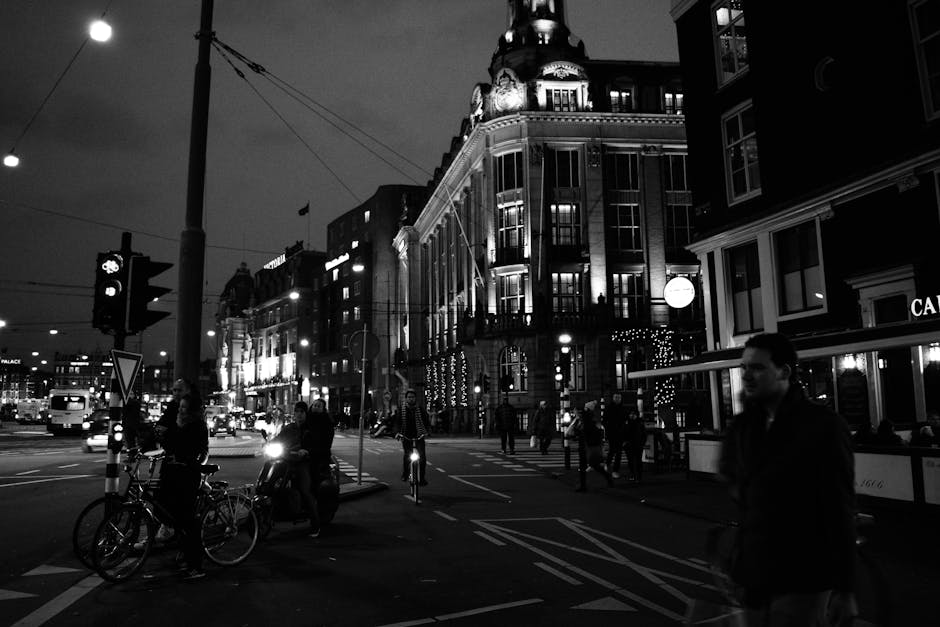
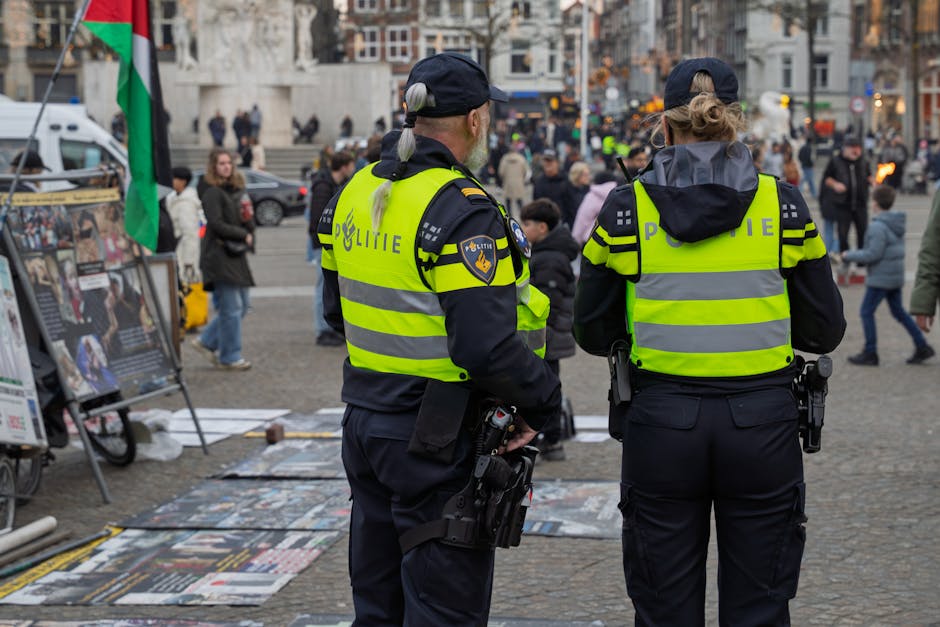
Is Amsterdam safe for tourists? The short answer is yes — Amsterdam consistently ranks among the safest capital cities in the world, with a violent crime rate well below most major European cities and a strong, visible police presence in tourist areas. The longer answer is that pickpocketing, bike thefts, scam taxis and a small handful of districts to avoid at night are still real risks for visitors. This complete 2026 safety guide covers everything you need: how Amsterdam ranks, the specific scams to watch for, areas to avoid, advice for solo female travellers and women, the Red Light District, night safety, what to do in an emergency, and the practical street-smart habits that keep you out of trouble.
How Safe Is Amsterdam, Really?
Violent crime is uncommon: across the Netherlands, homicide ran at 0.67 per 100,000 people in 2024 (120 victims), though Amsterdam’s rate, with about 20 cases that year, sits above the national figure. The Dutch police are well-trained, well-funded, English-speaking, and visible.
That said, Amsterdam does have crime — almost all of it minor and almost all of it preventable. The headline risk for tourists is opportunistic pickpocketing in crowded places. The second is scam taxis at Centraal Station and Schiphol. The third is bike theft (which won’t affect you unless you rent one). And there are three or four districts and behaviours that are best avoided after dark.
Amsterdam Safety Risks at a Glance
A quick map of what’s actually worth worrying about, how likely it is, and the one-line fix. Treat “likelihood” as a rough guide, not a statistic.
| Risk | Likelihood for tourists | Where | How to avoid it |
|---|---|---|---|
| Pickpocketing | Moderate | Centraal, trams 2 & 5, Dam, the Wallen | Phone and wallet in a front pocket; bag in front in crowds |
| Scam / overpriced taxi | Moderate at arrival points | Schiphol, Centraal | Official rank or Uber/Bolt; confirm the meter |
| Bike collisions (on foot) | Common near-misses | Everywhere with cycle lanes | Look both ways for bikes before any kerb |
| Drug-deal / fake-substance scams | Low unless you engage | Red Light District alleys | Decline street offers; buy only at licensed coffeeshops |
| Violent crime | Rare | Isolated late-night spots | Stick to lit, populated streets; skip Bijlmer at 2am |
| Bike theft (if you rent) | High over time | Citywide | Two locks, through frame and wheel, to a fixed object |
Pickpocketing & How to Avoid It
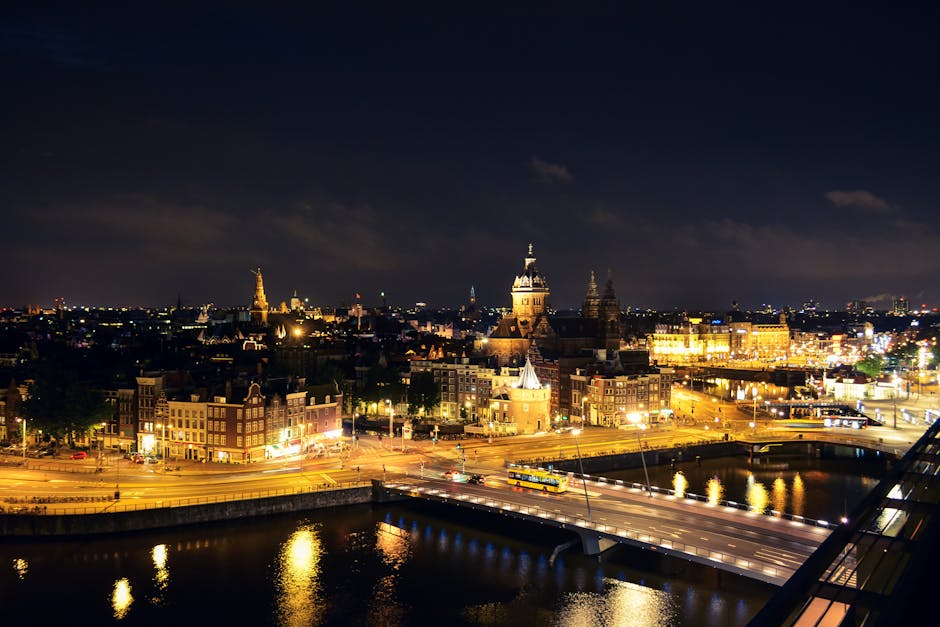
Pickpocketing is the most common crime against tourists in Amsterdam. Thieves go where tourists bunch up: busy squares and markets, packed trams, and station concourses.
- Front pockets only. Phone and wallet in front pockets, never back.
- Bag in front when crowded. Especially on trams and at festival nights.
- Don’t put your phone on the table. Phones left on terrace tables can be snatched, so keep yours in a pocket.
- Use a money belt at Centraal Station. Or split cards: one wallet for daily spending, one in your hotel safe.
- Watch for distraction tactics: map-flashes, fake petitions, "you’ve spilled something" pointing.
- Phone strap or pop-socket. Stops scooter snatch-and-grabs while you’re texting.
Taxi Scams
Unofficial drivers at Centraal Station and Schiphol Airport will approach you offering rides and quote double or triple the metered fare. Avoid them. The dodgy-taxi routine is just one of many cons aimed at arrivals — our guide to common Amsterdam scams and how to avoid them walks through the rest.
- Use only the official TCA-marked taxi rank at Schiphol (Plaza level) and Centraal (in front of the main entrance).
- Or use a rideshare app — Uber and Bolt both operate across the city, though pickup points at Schiphol and Centraal are restricted.
- Confirm meter use before you sit down; from Schiphol, ask the driver for an estimate to your address first.
- The train from Schiphol is faster and cheaper for most journeys: about 17 minutes, from €5.50 with an NS e-ticket.
Amsterdam Areas to Avoid
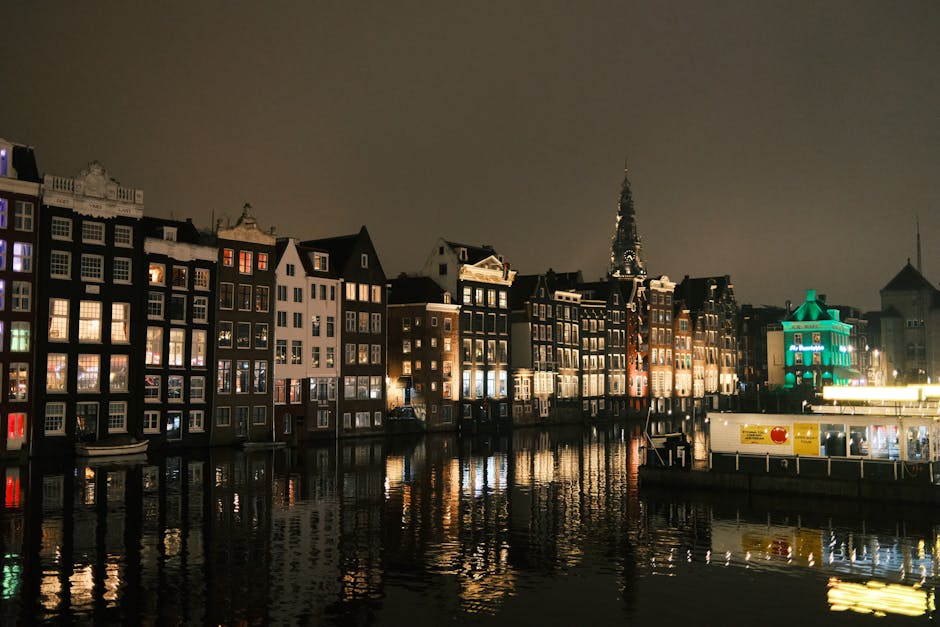
To be clear: Amsterdam is generally safe, and petty theft is the main risk. There is no "dangerous part of town" in the way that exists in many larger cities. But these are the four pockets that tourists are best avoiding, especially at night.
1. Bijlmer / Amsterdam-Zuidoost (after dark)
The southeastern Bijlmer district scores higher on the city’s crime index than most of Amsterdam, though crime there has fallen sharply since the 1990s. Daytime around the Bijlmer Arena (concerts, football) is fine. After 11pm, on residential streets, it’s not where you want to be.
2. Around Centraal Station after midnight
Drunk visitors, drug-deal approaches, and aggressive panhandlers concentrate immediately around Centraal Station late at night and in the early hours. Pass through, don’t linger. The taxi queue and the metro entrance are watched by police; the side streets behind are not.
3. The Red Light District at peak weekend hours
Daytime is fine and tourist-busy. Weekend nights get rowdy, with drunk groups and stag parties filling the narrow streets. The crime is petty and the police presence high, but it’s not a peaceful experience.
4. Around the bigger station and stadium areas late on event nights
Sloterdijk and Bijlmer Arena late on Ajax match nights or after major concerts can get rowdy. Use the metro or train rather than walking residential routes.
Red Light District: Safety & Etiquette
The Wallen — the Red Light District — gets sensational press but is one of the most policed neighbourhoods in the city. Cameras are everywhere; uniformed and plain-clothes officers cycle through constantly. Crime against tourists is mostly pickpocketing rather than physical threat. The district is safe to walk through at any hour as a curious visitor.
- Never photograph window workers. It’s illegal and phones are routinely thrown into the canal by both workers and bystanders.
- Don’t gawk. Keep moving; the women are at work.
- Decline drug-deal offers. They are virtually always either a scam or a sting.
- If you go, walk on the main canals — Oudezijds Voorburgwal and Oudezijds Achterburgwal — not the side alleys.
- Keep wallets and phones zipped away. Crowds are dense and pickpockets thrive.
Night Safety in Amsterdam
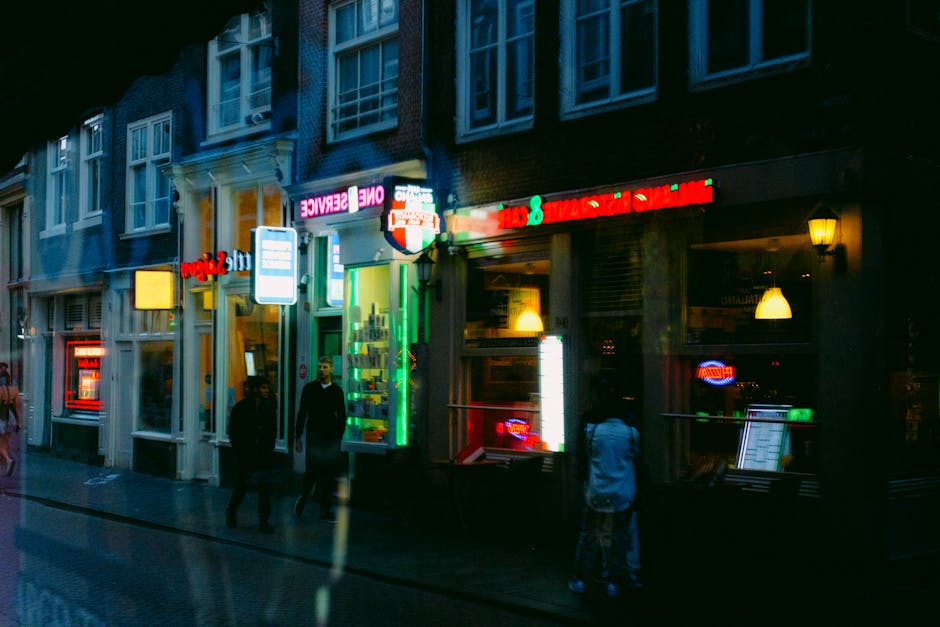
- The canal belt, Jordaan, Oud-Zuid, De Pijp, Oud-West and Plantage are safe at night. You’ll see locals walking dogs at midnight.
- Night buses cover the hours after the trams stop. Use one rather than walking back from a far club, and check the GVB app for routes and times.
- Cycling at night is fine if you’re sober. Lights are mandatory and police do enforce.
- Stick to lit streets. Most of central Amsterdam is well-lit; some Jordaan side streets less so.
- Avoid getting drunk in the street. Public drunkenness in the centre is a magnet for opportunists.
Solo Female Travellers & Women
Amsterdam is one of the most comfortable European cities for solo female travellers. Catcalling is rare; women routinely walk and cycle alone late at night; the LGBTQ+ scene is open and integrated. Standard precautions apply, especially around drunk crowds in the Red Light District and Leidseplein.
- Stay in central neighbourhoods — Jordaan, Centrum, Oud-Zuid, De Pijp.
- Drink-spiking is rare but not unheard of. Watch your drink in big tourist clubs; never accept open drinks from strangers.
- Use Uber, Bolt or 020 official taxi at night.
- If you’re being followed, cross to a brightly lit cafe and ask the staff to call 112.
- The 24/7 national support line for victims of sexual violence is 0800 0188 (free and anonymous, with chat available).
Cycling Safety
- Always have lights at night. Front white, rear red. Police fines are €75, plus a €9 administration fee.
- Don’t cycle drunk. It’s illegal, and police can stop and test cyclists.
- Bike theft is endemic. Always use two locks: one through the frame, one through the back wheel.
- Don’t buy a stolen bike. If someone offers you a bike for €30 in the street, it’s stolen — and police do check.
- Don’t cycle on tram tracks. Wheels get caught and falls are nasty.
- Helmets are not mandatory or culturally common, but if you’re not used to cycling, rent one anyway.
Drug Laws Made Plain
Cannabis is decriminalised but not legal. Coffeeshops can sell up to 5g per person per day to over-18s with photo ID. Anything else — buying on the street, magic mushrooms, MDMA, hard drugs, smoking outside designated areas — is illegal and police do enforce. A few specifics:
- Public smoking is technically allowed but increasingly fined in busy tourist areas. Smoke in the coffeeshop or in the privacy of your accommodation.
- Buying on the street is always either a scam (sold something fake) or a sting. Don’t.
- Driving under the influence of any drug is a criminal offence and police do test for cannabis.
- Edibles can be unpredictable. Many tourists have visited Dutch ERs after eating space cakes and panicking.
- Carrying drugs out of the country is treated as drug trafficking — including across the border into Germany or Belgium.
Common Tourist Scams
Most scams aim at your wallet rather than your safety. A few of the money-specific ones — skimming ATMs, dynamic-currency-conversion markups, rip-off exchange kiosks — are covered in depth in our Amsterdam money and currency guide.
- Fake petitions on Dam Square — distraction technique while accomplices pick pockets.
- "Found ring" outside the Rijksmuseum — someone "finds" a gold ring, offers to share value, then asks you for money.
- ATM skimmers. Use only ATMs inside bank branches — De Volksbank, ING, Rabobank, ABN AMRO. Avoid ATMs in convenience stores or hotels.
- Fake police asking for ID. Real police rarely ID-check tourists; if they do, they show a badge first. Never hand over a wallet.
- "Free" rose / bracelet / charm. The instant you accept it, an aggressive demand for payment follows.
- Cocaine pellets in the Wallen. Either a scam (lidocaine, soap or chalk) or a sting.
- Bike-rental damage claims — always photograph the bike before riding.
- Tour-boat "extras." Some street agents charge more than the operator’s own booth does. Buy at the ticket booth, not from a man with a clipboard.
Emergencies in Amsterdam
- 112 — police, fire, ambulance. Same as the rest of the EU.
- 0900 8844 — non-emergency police.
- Police station at Lijnbaansgracht 219, one of the central stations; for theft reports and lost documents, non-Dutch speakers can ask for an interpreter.
- Emergency dental: Dental365 Amsterdam (Piet Heinkade 215) answers its phone 24/7 on +31 20 555 82 82 and offers same-day emergency appointments 8am-11pm.
- OLVG Hospital (Oosterpark 9) — main central hospital with 24/7 emergency department.
- Pharmacy after hours: night cover rotates between pharmacies, so ask the huisartsenpost (out-of-hours GP service) which one is on duty.
- Lost passport: file police report first, then visit your embassy. The British embassy is at Lange Voorhout 10, The Hague (about 50 minutes by train from Centraal).
- Lost wallet or cards — call your bank to block lost cards straight away.
Terrorism & Public Order
The Netherlands threat level is currently "substantial" (level 4 of 5), reconfirmed by the NCTV in July 2026. There has not been a successful jihadist attack in Amsterdam in this century. Visible police are present at Centraal Station, Schiphol, the Royal Palace and major events. Standard tourist behaviour does not put you at higher risk.
Health & Water Safety
- Tap water is safe and excellent quality across Amsterdam. Refilling bottles is free at every cafe.
- Don’t swim in the canals. Designated wild-swimming spots only — Marineterrein, Sloterplas, IJburg beach. Canal water is not deadly but it’s not clean.
- EHIC and GHIC cards work in the Netherlands; non-EU visitors should bring travel insurance.
- Mosquitoes emerge in mid-summer; not malarial, but a nuisance. Bring repellent for canal-side picnics.
- STDs: the GGD offers free, anonymous testing to eligible groups, including under-25s; check whether you qualify before you book.
Weather & Practical Hazards
- Wet cobbles are slippery in rain. Avoid leather-soled shoes.
- Black ice in January–February — uncommon but treacherous. Watch where canal water has refrozen on bridges.
- Wind is real. North Sea storms during October–March; small-craft warnings cancel ferries occasionally.
- Tour boats have low-clearance bridges. Listen to the captain’s "duck" call seriously.
LGBTQ+ Safety
Amsterdam is one of the safest, most welcoming cities in the world for LGBTQ+ travellers. Same-sex marriage was legalised here in 2001 (the first in the world). Public displays of affection are entirely normal across the city. Pride Amsterdam (late July / early August) is one of the city’s biggest annual events; about 300,000 people watched the 2026 Canal Parade. The historic gay scene centres on Reguliersdwarsstraat, Amstel and Zeedijk; Amsterdam-Noord has a younger queer nightlife.
Solo Travellers
Excellent city for solo travel. Compact, English-speaking, hostel-rich, with active free walking tour culture (book Sandeman’s or That Dam Walking Tour) and a low harassment rate. See our dedicated Amsterdam for Every Traveler guide for a full solo itinerary.
Travelling with Kids
Amsterdam is exceptionally safe for families. The two real hazards are bike lanes (always look both ways) and unrailed canal edges (stay back two metres with toddlers). See our complete Amsterdam with Kids guide.
What to Do If You’re Pickpocketed or Robbed
Losing a phone or wallet is the most likely “incident” you’ll have in Amsterdam, and a calm, quick response limits the damage. Move through it in order: first your money, then your documents, then the paperwork.
- Freeze your cards immediately in your banking app, or call the 24-hour international line on the back of the card (photograph that number before you travel).
- Use your phone’s “find my device” feature from a friend’s phone or a cafe laptop to lock and locate it; never go to confront a thief yourself.
- Report it to the police. File online at politie.nl or visit a station — you’ll need the report number for any insurance claim and for replacing a passport.
- For a lost passport, file the police report first, then contact your embassy (most are in The Hague, 50-55 minutes by train from Amsterdam Centraal).
- Replace transport access: if you tap with a bank card via OVpay, just use a different card; if you lost an OV-chipkaart, ask its customer service what can be done.
This is exactly why splitting your money matters: one card and some cash on you, a backup card and your passport in the hotel safe. Lose the wallet and you’re inconvenienced, not stranded. Our money and tipping guide covers the decoy-wallet trick and which cards to bring.
Travel Insurance and Medical Cover
The Netherlands has excellent hospitals, but non-EU visitors pay for treatment, and an emergency-room visit can run into the hundreds of euros before anything is actually done. EU and UK visitors should carry an EHIC or GHIC card for reduced-cost emergency care. Everyone else should travel with comprehensive insurance that covers medical treatment, theft and trip disruption. Read the small print on two things in particular: whether it covers your phone and electronics (many policies cap this low), and whether any “adventurous activity” exclusion would apply to, say, renting a bike — almost always fine, but worth a glance. Keep a digital copy of the policy and the 24-hour assistance number somewhere you can reach it without your wallet.
Safety by Neighbourhood: Quick Reference
You don’t need to memorise a danger map, because there really isn’t one. But here’s the honest shorthand most locals would give you. The canal ring, Jordaan, Oud-Zuid, De Pijp, Oud-West and Plantage are calm, residential and safe day and night — you’ll see people walking dogs at midnight. The Centrum and Red Light District are safe but pickpocket-dense and rowdy on weekend nights, so keep valuables zipped away. Amsterdam-Noord is up-and-coming and fine; you reach it on the free ferry behind Centraal. Locals might steer a tourist away from residential Bijlmer / Zuidoost late at night, though it’s not the only place to keep your wits about you — and you have almost no reason to be on its back streets at 2am. If you’re choosing where to base yourself, our Amsterdam neighbourhoods guide breaks down the character of each.
Getting Around Safely
The biggest day-to-day hazard in Amsterdam isn’t a person — it’s a bicycle. Cycle lanes are often a separate strip of red asphalt between the pavement and the road, and tourists routinely drift into them while map-gazing. Build one reflex: look left, look right, look left again for bikes and scooters before you step off any kerb. At night, stick to the well-lit, populated routes and use the night buses rather than a long walk back from a far-flung club. If you cycle yourself, fit lights (police do fine you EUR 75, plus a EUR 9 admin fee, for riding dark), never ride after drinking, and don’t try to cross tram tracks at a shallow angle — wheels catch and the falls are nasty. The full mechanics of tickets, trams and bike rental live in our getting around Amsterdam guide.
A Few Words That Build Goodwill
Feeling safe somewhere is partly about feeling like you can ask for help, and in Amsterdam you can — almost everyone speaks fluent English, and the police, tram staff and cafe owners are used to helping confused visitors. A polite opener in Dutch goes a long way, though: a “sorry” to get past someone, a “dank je wel” to a helpful stranger, a “pardon” in a crowd. If anything ever feels off, the move is simple — step into a busy, lit cafe and ask the staff for help. Our short list of essential Dutch phrases for tourists covers the handful worth knowing.
Amsterdam Safety: FAQ
Is Amsterdam safe at night?
Yes. Most of central Amsterdam is well-lit, populated and policed all night. Specific zones to avoid late: Bijlmer residential streets, around Centraal after midnight, and the Red Light District during peak weekend rowdiness.
Is Amsterdam safe for women?
Yes — among the safest European capitals for solo female travellers. Catcalling is rare; women cycle and walk alone late at night routinely. Standard precautions around drink-spiking and crowded clubs apply.
Is Amsterdam safe for tourists right now?
Yes — there are no current travel advisories restricting tourism, no civil unrest, and crime levels are at long-run lows.
What’s the most dangerous part of Amsterdam?
Bijlmer / Amsterdam-Zuidoost records more crime than most districts, though far less than it did in the 1990s, and tourists rarely have any reason to be there at night. For visitors, the risk to plan for is pickpocketing, most common in crowded tourist areas, on busy trams and around stations.
Can I drink the tap water in Amsterdam?
Yes — Dutch tap water is among the cleanest in the world and tastes excellent. Refill your bottle at any cafe.
Are coffeeshops safe?
Yes — licensed coffeeshops are well-regulated and stick to legal limits. The actual safety risks are tourists overdoing it on edibles or buying mystery substances on the street.
What’s the emergency number in Amsterdam?
112 — police, fire and ambulance. Operators speak English.
Final Thoughts
Amsterdam is, by any honest measure, one of the safest big cities in Europe. Travel-insurance claims data, EU crime statistics, and local police reporting all point in the same direction: visitors are far more likely to lose a phone than be involved in anything serious. Apply normal big-city common sense — keep valuables out of sight, don’t get loud-drunk in the street, use official taxis, and skip the Bijlmer at 2am — and you’ll have an outstanding trip.
For more practical info see our Practical Amsterdam Information hub, our Getting Around Amsterdam guide and our Amsterdam Trip Planning Guide.
Related Amsterdam guides
- Laws tourists should know — cannabis, drinking, cycling and fines.
- Red Light District honest guide — what it is really like, and the rules that apply.
Safety in Amsterdam is really a question about specific streets rather than the city as a whole — our guide to the safest neighbourhoods for tourists goes area by area, including the few worth avoiding late at night.