A week is exactly enough time to stop treating the Netherlands as Amsterdam with some countryside attached. The trains are fast, the fares are fixed, the distances are trivial, and moving base costs you almost nothing — which means a well-built Netherlands 7-day itinerary can take in three genuinely different cities, a national park, a UNESCO windmill landscape and the North Sea, without a single early start or a single car.
Most week-long Netherlands itineraries you will find are Amsterdam plus six day trips, and that is a waste of the week. You spend much of the week on trains returning to a bed you did not need to keep, and you pay Amsterdam’s accommodation rates for every one of those nights. This itinerary moves three times. It costs less, sees more, and it is the version we would actually book.
Below is the main route, followed by two variants — one for families, one for a first visit that wants Amsterdam to stay the centre of gravity.
| Day | Where | Sleep |
|---|---|---|
| 1 | Amsterdam — arrive, canal ring, orient | Amsterdam |
| 2 | Amsterdam — the big museums | Amsterdam |
| 3 | Haarlem and Zandvoort, or Alkmaar on a Friday | Amsterdam |
| 4 | Move to Utrecht. Wharf cellars, Dom Tower | Utrecht |
| 5 | Hoge Veluwe and the Kröller-Müller | Utrecht |
| 6 | Move to Rotterdam. Kinderdijk in the morning | Rotterdam |
| 7 | Delft or The Hague, then fly from Rotterdam or back to Schiphol | — |
Before you start: three decisions
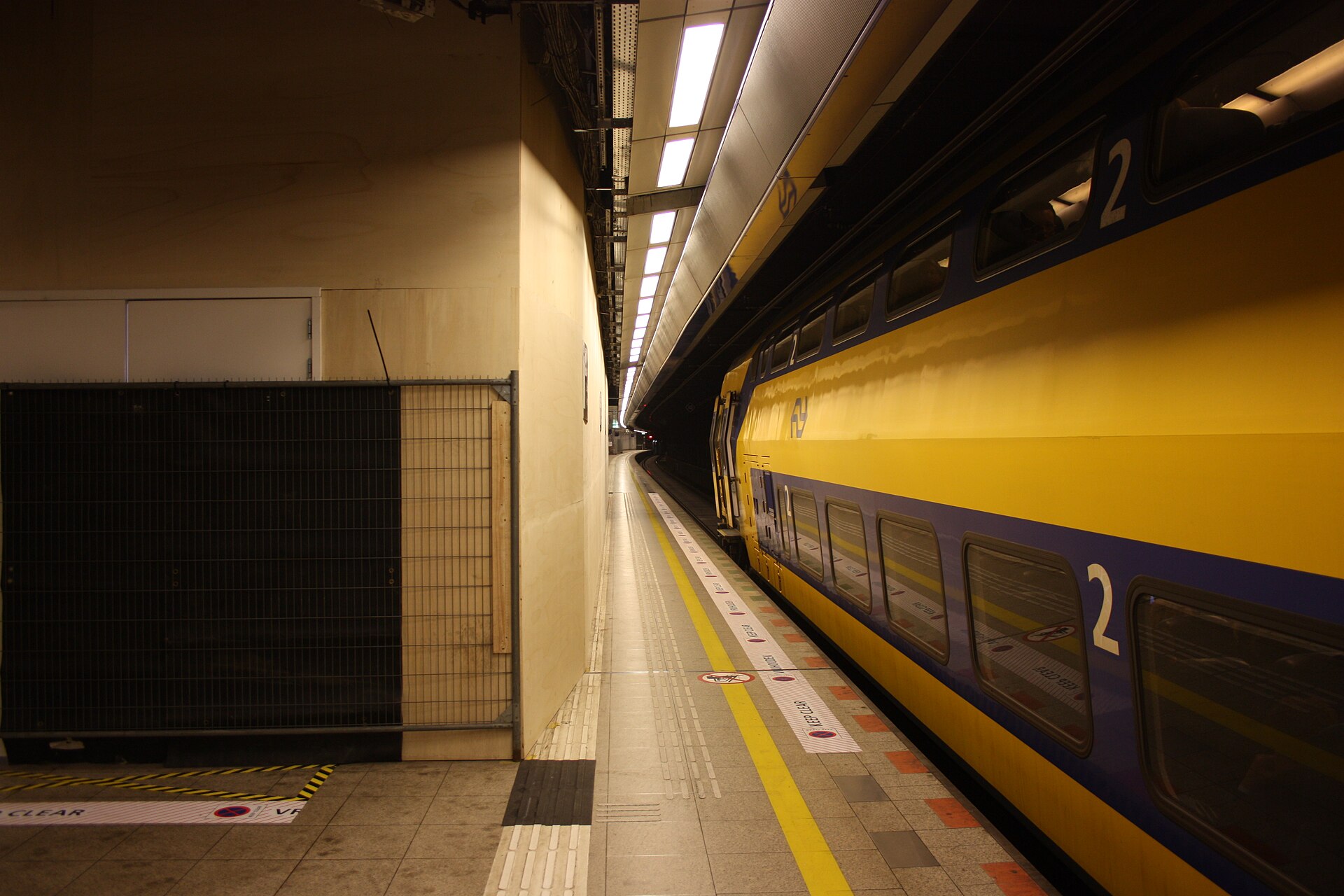
Do not rent a car. Parking in central Amsterdam runs roughly €5–8 an hour, and much of the kerb is permit-only. Every destination below is on the rail network. Our guide to the Netherlands by train explains the fare system, which has no advance-purchase advantage at all — you can decide each morning and pay the same.
Consider a Museumkaart. At €75 a year for adults it covers more than 500 museums nationwide. This itinerary alone includes the Rijksmuseum (€25), the Van Gogh Museum (€25), the Kröller-Müller and Utrecht’s Centraal Museum — the card pays for itself before day five. At the Anne Frank House it brings entry down to a €1 booking fee, though you still book a timed slot online, and it does not cover the Hoge Veluwe park entry, only the museum inside it. Our city passes compared page runs the numbers against the alternatives.
Book the timed things now. The Van Gogh Museum is entirely timed-entry and weekend morning slots go three to four weeks out in season. The Anne Frank House sells only through annefrank.org, releases tickets every Tuesday six weeks ahead, and has no walk-ups and no waiting list. Everything else on this route can be improvised. Our what to book in advance guide has the full timeline.
Days 1–2: Amsterdam
Day 1 — arrive and orient
From Schiphol, the train to Amsterdam Centraal takes 15 to 20 minutes for about €6, several times an hour. Do not take a taxi; it is metered, costs far more than the train and is slower in traffic.
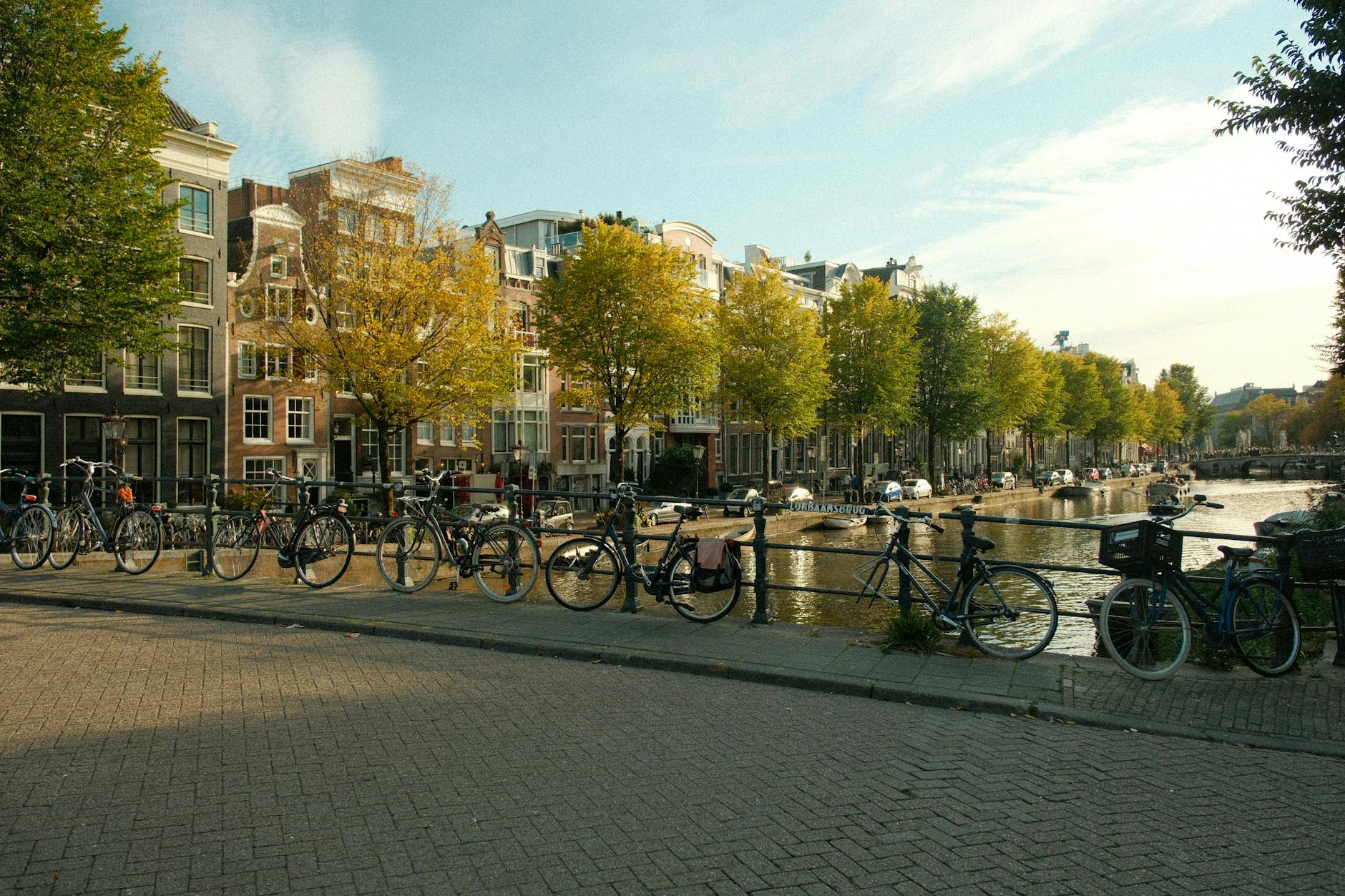
Spend the first afternoon walking rather than queueing. The canal ring is the thing you came for and it is free. Work outwards from the Nine Streets into the Jordaan, which is the prettiest and least frantic part of the centre. Eat somewhere unambitious and go to bed early — this is jet-lag day, and the museums deserve you awake.
If you have energy in the evening, a canal cruise costs €16–22 for a standard hour and is genuinely the best possible orientation to a city built on water. Our canal cruises compared page separates the good operators from the loud ones.
Day 2 — the museums
This is the day the Museumkaart earns its keep. The Rijksmuseum opens at 09:00 daily and rarely sells out; the Van Gogh Museum is timed and needs the slot you booked weeks ago. Both are on Museumplein, five minutes apart.
Two museums in a day is enough — three is punishment. Spend the rest of the afternoon in the Vondelpark, which is next door, or walk down into De Pijp for the Albert Cuyp market and dinner. Our Amsterdam museums guide covers the alternatives if the big two are not your thing.
If you have an Anne Frank House slot, it will dictate the shape of the day — take it and build around it.
Day 3: the coast, or the cheese
Still based in Amsterdam, and the choice depends on the day of the week.
Any day: Haarlem and Zandvoort. The best combined day out from Amsterdam. Haarlem is about 15 minutes away and is what Amsterdam looks like with the volume turned down — a magnificent market square, the Frans Hals Museum, hidden almshouse courtyards, and residents rather than crowds. Spend the morning there, then continue ten minutes down the same line to the sea. Our Haarlem guide and Zandvoort and Dutch beaches guide cover both halves; the station at Zandvoort is a few minutes’ walk from the sand.
If it is a Friday: Alkmaar. The cheese market runs every Friday 10:00–13:00 from late March to late September, it is free, and it is 35 to 40 minutes from Amsterdam. Leave Centraal by 08:15 to be at the railings by 09:15 — arrive at 10:00 and you are watching over heads. Our Alkmaar cheese market guide is blunt about the timing. Afterwards the town empties and becomes rather lovely.
If it is late March to mid-May: Keukenhof. Seven million bulbs, open for about eight weeks a year and closed the rest of it. Go on a weekday, go early, and cycle the surrounding bulb fields rather than only doing the park — the fields are free and the better half. See our Keukenhof guide.
Days 4–5: Utrecht
Check out and move. Utrecht is 35 minutes from Amsterdam Centraal and about €9–10 for a second-class single, with intercity services up to every ten minutes. This is the moment the trip changes character.
Day 4 — Utrecht itself
Utrecht’s old centre is arguably lovelier than Amsterdam’s, for one architectural reason: the Oudegracht is built on two levels, with vaulted wharf cellars cut into the quay a full storey below the street, now full of terraces and restaurants. You walk along the water rather than above it, and no other Dutch city is built this way.
Climb the Dom Tower — €13.50 adult, 465 steps to 112 metres, timed staircase tours that need booking, and no bags allowed inside. It stands apart from its cathedral because a tornado flattened the nave in 1674 and nobody rebuilt it. Add the Centraal Museum for the Rietveld collection, or Museum Speelklok for self-playing musical instruments, which is far more fun than it sounds. Our Utrecht travel guide has the full day, and the evening on a cellar terrace is the part people remember.
Utrecht hotel rates run well below Amsterdam’s, which is a large part of why this itinerary moves here rather than day-tripping.
Day 5 — Hoge Veluwe and the Kröller-Müller
The strangest and best day out in the country, and Utrecht is a better base for it than Amsterdam. Train to Ede-Wageningen, then a bus to the Otterlo entrance of De Hoge Veluwe National Park.
Inside: 54 square kilometres of heath, pine and open drifting sand, free white bicycles you pick up at the gate, and the Kröller-Müller Museum — the second-largest Van Gogh collection in the world, plus one of Europe’s largest sculpture gardens. The combined adult ticket is €27.75. If you bought a Museumkaart, the museum is free but you still pay the €13.85 park entry.
Cycling through pine forest to a world-class Van Gogh collection is a singular experience and nothing else in the Netherlands is like it. Our Hoge Veluwe and Kröller-Müller guide covers the two-ticket system and how to spend the day. Check the last bus back before you settle into the sculpture garden.
Days 6–7: Rotterdam and the south-west
Day 6 — Kinderdijk, then Rotterdam
Check out of Utrecht and travel to Rotterdam, dropping bags at your accommodation. Then out to Kinderdijk: nineteen eighteenth-century windmills standing in the working polder they were built to drain, a UNESCO World Heritage Site, reached by waterbus down the river in about half an hour.
Adult entry is €21, or a little under €19 booked online, and it includes the museum mills, a boat tour, the pumping stations and the exhibitions. Take a bike if you can — the site runs two kilometres and cycling it is how it is meant to be seen. This is a considerably better windmill experience than Zaanse Schans, which is closer to Amsterdam and correspondingly overrun.
Back in Rotterdam for the evening. The city was flattened by bombing in May 1940 and rebuilt without nostalgia, so where the rest of the country offers gables, Rotterdam offers a skyline — the Cube Houses, the Markthal with its painted vaulted ceiling, the Erasmus Bridge, Europe’s largest port doing actual work. After five days of canal houses it is a genuine jolt, and the food scene is the best in the country outside Amsterdam.
Day 7 — Delft or The Hague, then home
Depends on your flight and your taste.
Delft is an hour from Amsterdam and fifteen minutes from Rotterdam: the most concentrated dose of picturesque in the country, Vermeer’s town, a market square between two enormous churches, and the Royal Delft factory still producing the blue-and-white pottery. Small enough to walk in two hours. See our Delft guide.
The Hague gives you the Mauritshuis — Vermeer’s Girl with a Pearl Earring and Fabritius’s Goldfinch in a small, perfectly judged building — plus the Binnenhof and a tram out to Scheveningen beach. Our Hague and Scheveningen guide covers it.
Then fly. Rotterdam The Hague Airport is 6 km from the city centre — bus 33 to Rotterdam Centraal in about 20 minutes for around €5.50 — and if your outbound flight goes from there, this itinerary ends without a long backtrack. If you are flying from Schiphol, allow 40 minutes on the fast intercity from Rotterdam plus the airport’s own advice of two hours for a Schengen departure and three for non-Schengen. Our pages on Eindhoven and Rotterdam airports and the Schiphol guide cover both.
Variant one: the family week
Same skeleton, different content, and one fewer move.
- Days 1–3, Amsterdam. NEMO Science Museum (€21.50 from age 4, free with Museumkaart and the I amsterdam City Card, and the rooftop square is free to everyone). ARTIS zoo, from €29.50 for 13+ online. A canal cruise. Our Amsterdam with kids page has the rest.
- Days 4–5, Efteling. Move south and stay at or near the park. Efteling opened in 1952 — three years before Disneyland — and grew out of a fairy-tale forest rather than a film library. It is one of the best theme parks in the world and the under-twelves will rate it above everything else on the trip. Tickets are dynamically priced; the undated flexible ticket is €56. See our Efteling guide.
- Day 6, Leiden. Naturalis, European Museum of the Year 2021, is a strong children’s museum day and an easy train ride from both Amsterdam and Schiphol. Our Leiden guide covers it.
- Day 7, the beach or home. Zandvoort if the weather holds.
Variant two: Amsterdam as the base
If you would rather unpack once — with children, with mobility considerations, or simply because moving hotels three times sounds exhausting — this works, and we would not argue with it. You pay Amsterdam rates for seven nights and spend more time on trains, and in exchange you never touch a suitcase after day one.
- Days 1–2 — Amsterdam, as above.
- Day 3 — Utrecht. 35 minutes each way; the wharf cellars and the Dom Tower fill a day easily.
- Day 4 — Haarlem and Zandvoort, or Alkmaar on a Friday.
- Day 5 — Rotterdam and, if you are efficient, Kinderdijk. This is a long day and the only one that really suffers from basing in Amsterdam.
- Day 6 — Delft and The Hague together; they are fifteen minutes apart.
- Day 7 — Amsterdam again, for whatever the first two days missed. The Jewish Cultural Quarter, Amsterdam Noord across the free ferry, or a day of markets.
Our one-week Amsterdam itinerary covers this shape in more detail. Note what it costs you: the Hoge Veluwe drops out, because ninety minutes each way from Amsterdam plus a full day in the park is too much without a closer base.
Seasonal adjustments
The skeleton above works all year, but three windows change what you should slot into day 3 and what to expect elsewhere.
Late March to mid-May. Tulip season, and it overrides the day-3 choice entirely — Keukenhof is open for roughly eight weeks and closed the rest of the year. Base yourself in Leiden rather than Amsterdam if you want the bulb fields properly; they start immediately north of the city and cycling them beats the park. Our tulip season guide handles the timing, which is the hard part.
June to early September. Peak season, long days, and the only window where the beach day genuinely works. It is also when Amsterdam accommodation is at its worst — which strengthens the argument for moving out of it. Alkmaar’s cheese market runs to the last Friday in September, Gouda’s only to late August.
August to September is the sweet spot for one specific reason: the heather flowers at Hoge Veluwe, turning large parts of the park purple, and day 5 becomes the best day of the trip. October brings autumn colour and the red deer rut instead.
November to February. Short days, frequent rain, and museums rather than landscapes. The itinerary still works but invert the emphasis — more Rijksmuseum and Kröller-Müller, less Kinderdijk and coast. Amsterdam’s Christmas markets and lights and the Light Festival, which runs 26 November 2026 to 17 January 2027, give the winter version its own argument. Our Amsterdam in winter guide covers the rest.
What we deliberately left out
A week is not long enough for everything, and a good itinerary is mostly a list of refusals.
Maastricht. Two and a half hours south, Roman, Catholic, stone-built and genuinely unlike the rest of the country — and it needs two nights to make sense. On an eight- or nine-day trip we would swap Rotterdam for it. On seven days it is a stretch. Our Maastricht guide makes the case if you have the time.
Texel and the Wadden Islands. Two and a half hours plus a ferry, and worth an overnight minimum. Beautiful, empty, and the wrong shape for a first week. See Texel and the Wadden Islands.
Giethoorn. The car-free canal village is as pretty as the photographs and, in season, so overrun that the experience collapses. If you go, go off-peak and before ten. Our Giethoorn guide is honest about it.
Bruges, Brussels and Paris. All reachable, all a poor use of a Netherlands week. Brussels is 1 hour 52 by Eurostar and Paris 3 hours 20 from about €35, and both would eat a day you do not have. Save them for a longer trip.
Zaanse Schans. Twenty minutes from Amsterdam, and if you have already done Kinderdijk you have seen a better version. If you skip Kinderdijk, go here early — before 09:30 it is lovely, after 11:00 it is a queue. Our Zaanse Schans guide covers the timing.
Costs and practicalities
- Daily spend depends mostly on where you sleep. Moving out of Amsterdam for four of the seven nights keeps the accommodation bill down.
- Accommodation in Amsterdam costs more than in Utrecht or Rotterdam, particularly in high season. Tourist tax is at a record high in the capital.
- Rail is distance-based and fixed. The whole week’s train travel on this route costs less than two nights of the accommodation difference.
- Almost everything is cashless. Card or phone; some places take nothing else. See our money and tipping guide.
- Mondays are quiet. Many museums outside Amsterdam close on Mondays. Build a travel day or a walking day around it.
- Take a waterproof between September and April regardless of the forecast — our month-by-month weather guide is realistic about this.
- English is universal. A few Dutch words are appreciated rather than required; our Dutch phrases page covers the useful ones.
For the full picture of what else the network reaches and how the country divides into regions, our pillar on the Netherlands beyond Amsterdam ranks every destination with times and fares.
Keep Exploring
- The Netherlands Beyond Amsterdam
- Netherlands by Train: NS Tickets & OVpay
- Utrecht Travel Guide
- Hoge Veluwe & Kröller-Müller
- Kinderdijk Windmills
- Rotterdam
- Leiden Travel Guide
- Maastricht Travel Guide
- One Week in Amsterdam
- Five-Day Amsterdam Itinerary
- City Passes Compared
- Trip Cost & Budget Breakdown
Frequently Asked Questions
Is one week enough for the Netherlands?
Comfortably, if you move rather than day-tripping from one base. A week covers Amsterdam, Utrecht, Rotterdam, a national park, a UNESCO windmill landscape and the coast. What it will not stretch to is Maastricht, the Wadden Islands and the far north as well — those need eight days or more.
Should I stay in Amsterdam the whole week?
Only if unpacking once matters more than the alternative. Basing in Amsterdam for seven nights costs more, since Utrecht and Rotterdam are cheaper places to sleep, and it adds a daily round trip by train. Moving twice is cheaper and sees more.
Do I need a car for a Netherlands itinerary?
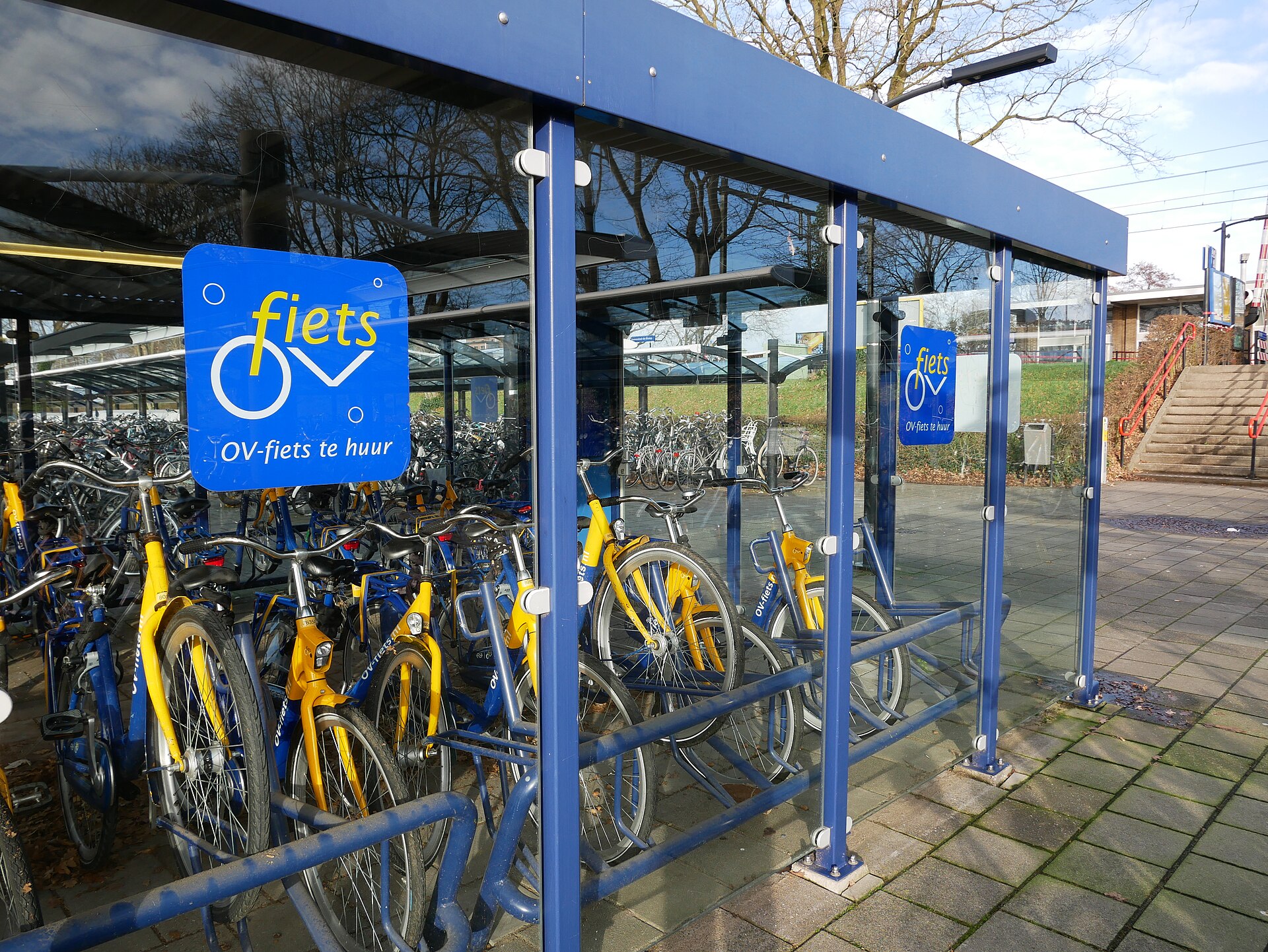
No, and it would be a hindrance. Central Amsterdam parking runs about €5–8 an hour, and much of the kerb is permit-only. Every destination here is on the rail network, fares are fixed and distance-based, and most stations have bike hire at the far end.
Is the Museumkaart worth it for a week?
Usually yes on this route. At €75 it covers 500+ museums, and the Rijksmuseum (€25), Van Gogh Museum (€25), Kröller-Müller and Utrecht’s Centraal Museum clear the cost by day five. At the Anne Frank House, Museumkaart holders pay only a €1 booking fee, though you still need to book a timed slot online, and at Hoge Veluwe you still pay the €13.85 park entry.
What should I book before I arrive?
Only the timed things. The Van Gogh Museum is entirely timed-entry, with weekend morning slots going three to four weeks ahead in season. The Anne Frank House sells only via annefrank.org, releasing tickets each Tuesday six weeks out, with no walk-ups. Trains need no advance booking at all.
What is the best order to visit Dutch cities in?
North to south works best: Amsterdam, then Utrecht, then Rotterdam, finishing near Delft and The Hague. It moves you steadily towards Rotterdam The Hague Airport if you are flying from there, and it puts the contrast — Rotterdam’s skyline after five days of gables — at the end where it lands hardest.
Can you do the Netherlands in a week with children?
Yes, with fewer moves. Three nights in Amsterdam for NEMO and ARTIS, two near Efteling — better than any Disney park at the younger end — and a day at Naturalis in Leiden covers a week without exhausting anyone. Save the museum-heavy version for a trip without them.
How much does a week in the Netherlands cost?
Daily costs depend on how you eat, get around and sleep, and accommodation is extra. The largest single lever is where you sleep: Amsterdam costs more than Utrecht or Rotterdam, and more still in high season.
Photo Credits
- OV-fiets bicycles at Veenendaal-De Klomp: 2023-01-15 Station Veenendaal-De Klomp OV-fietsenstalling (1) by Fantaglobe11, CC BY-SA 4.0, via Wikimedia Commons.