
Amsterdam is one of Europe’s most welcoming cities, and that’s not just a slogan — it’s woven into the city’s DNA. Travel here with toddlers, explore it solo for the first time, celebrate a honeymoon, navigate it in a wheelchair, do it on a shoestring or splash out on five-star luxury, and the city flexes to fit. It has something genuinely useful to offer every type of traveller, and the trick is knowing which version of Amsterdam is yours. This guide covers the practical details, insider tips, and tailored recommendations you need to make the most of your Amsterdam trip, no matter who you are or how you travel.
Use this guide alongside our trip planning guide to build an itinerary that fits your travel style, and check our seasonal guide to time your visit for the best weather and events.
The short version: Amsterdam suits almost everyone because it is small, flat, overwhelmingly English-speaking and safe, with major museums, parks and canals packed into a walkable centre. Families lean on NEMO and the parks, solo travellers on social hostels and walking tours, couples on canal boats and brown cafes, and disabled visitors on accessible transport and museums. Pick your priorities below, then follow the dedicated guide for your style.
Amsterdam by Traveller Type: At a Glance
Every traveller weighs the city differently. Here is a quick orientation to what each type tends to prioritise, a rough daily budget, and the dedicated guide that goes deeper. Treat the euro figures as 2026 ballparks and check current prices before you book.
| Traveller type | What to prioritise | Rough daily budget (pp) | Go deeper |
|---|---|---|---|
| Families with kids | NEMO, Artis, Vondelpark, pancake boat | around EUR 70-130 | Amsterdam with kids |
| Solo travellers | Social hostels, free walking tours, brown cafes | around EUR 65-140 | Solo travel in Amsterdam |
| Couples | Evening canal cruise, fine dining, Jordaan strolls | around EUR 150-350 | Romantic Amsterdam for couples |
| Disabled travellers | Step-free transport, accessible museums and boats | varies widely | Amsterdam accessibility guide |
| Budget travellers | Free ferries, markets, dorm beds, walking | around EUR 55-90 | Free things to do |
| Luxury travellers | Five-star canal hotels, Michelin tables, private tours | EUR 400+ | Where to stay |
Amsterdam with Kids: The Complete Family Guide
Amsterdam is a surprisingly family-friendly destination. The city is compact enough that you won’t spend hours in transit, and Dutch culture is famously welcoming to children — you’ll find kids’ menus, family tickets, and child-friendly spaces at nearly every attraction. The flat terrain and excellent cycling infrastructure also mean that families with older children can explore by bike, just like the locals do.
Top Family Attractions
NEMO Science Museum is the number-one family attraction in Amsterdam, and for good reason. This striking green building — designed by Renzo Piano — houses six floors of interactive exhibits covering science, technology, and engineering. Children can blow giant soap bubbles, create chain reactions, experiment with water, and even conduct basic chemistry experiments. The rooftop terrace (free to access) offers one of the best panoramic views in the city, plus a wading pool in summer. Allow at least three hours, and arrive early to avoid queues. Tickets cost around €17.50 for adults and are free for children under four.
ARTIS Royal Zoo, founded in 1838, is one of the oldest zoos in Europe and home to approximately 900 species. Beyond the animals, ARTIS includes a planetarium, a butterfly pavilion housing over 1,000 butterflies, a petting zoo for younger visitors, and beautifully landscaped gardens. The aquarium is currently undergoing renovations and is expected to reopen in 2026. Plan to spend a half-day here — there are playgrounds, cafés, and shaded rest areas throughout.
Vondelpark is Amsterdam’s favorite green space, and families love it for its open lawns, playgrounds, duck ponds, and free summer concerts. Pack a picnic from a local supermarket or bakery and let the kids burn off energy on the climbing frames. The park is free to enter, centrally located near Oud-Zuid, and connects easily to Museumplein.
Other great family options include the Miffy Museum (for toddlers and preschoolers — technically in Utrecht, an easy 25-minute train ride), Madame Tussauds on Dam Square, the Tropenmuseum Junior for children aged 6-13, and the Micropia museum next to ARTIS, which explores the invisible world of microbes through interactive exhibits.
Family-Friendly Canal Cruises
A canal cruise is essential Amsterdam, and most children love being on the water. Standard 60-75 minute tours cost around €16-18 per adult and €8-10 per child, with a family of four typically spending €45-60. For a more adventurous option, consider renting a small electric boat (no license required) for around €60-80 per hour — kids enjoy having a “captain” role, and you can bring your own snacks and drinks aboard. Check our things to do guide for more cruise options.
Practical Family Tips
Many museums offer free admission for children under 18, including the Rijksmuseum and Stedelijk Museum. The I Amsterdam City Card can save families significant money when visiting multiple attractions. Dutch restaurants are generally welcoming to children, and most offer kids’ menus (kindermenu) with portions priced around EUR 7-10. For the full playbook — every attraction, the rainy-day backups, family hotels and a two-day itinerary — see our complete guide to Amsterdam with kids. Breastfeeding in public is completely normal and accepted. Strollers are welcome on trams and buses, though folding them during peak hours is courteous. Most hotel chains offer family rooms or can provide cribs (wiegje) free of charge.
Solo Travel in Amsterdam: Safe, Social, and Unforgettable
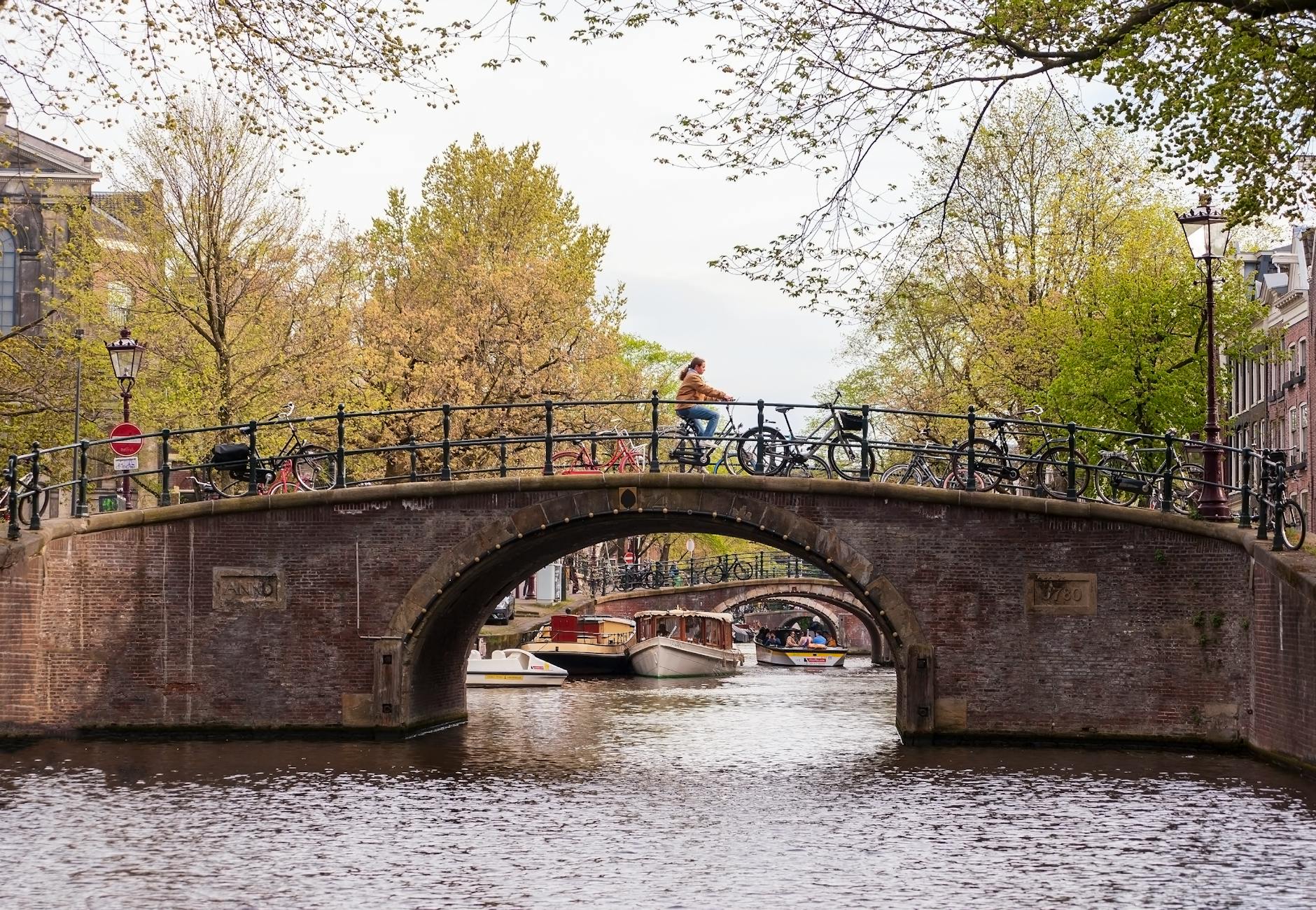
Amsterdam consistently ranks among the safest cities in the world for solo travelers, including solo female travelers. The Economist’s Safe Cities Index has repeatedly placed Amsterdam in the top ten globally, ranking 4th for personal safety among major international cities. English is spoken fluently by the vast majority of locals, meaning you’ll never struggle with a language barrier — from ordering coffee to asking for directions.
Safety Essentials
While Amsterdam is remarkably safe, a few common-sense precautions go a long way. Watch for pickpockets in heavily crowded areas like Amsterdam Centraal Station, the Red Light District, and busy market streets. Keep bags zipped and in front of you on trams. Be cautious with taxis — Amsterdam’s taxi drivers have a mixed reputation, so confirm the meter is running, ask about card payment, and note the cab number. Ride-hailing apps like Uber and Bolt offer transparent pricing and are widely available.
The Red Light District is perfectly safe to walk through during the day and offers a genuine window into Dutch attitudes toward regulation and personal freedom. At night, it remains well-lit and patrolled, but does attract rowdy crowds — solo female travelers may prefer to explore this area on a guided walking tour rather than alone after dark. Trust your instincts, and don’t hesitate to duck into any café or shop if something feels off.
Meeting People
One of Amsterdam’s greatest strengths for solo travelers is how easy it is to meet people. Free walking tours depart daily from Dam Square and are the fastest way to get your bearings, learn local history, and chat with fellow travelers. Hostels like The Flying Pig, Generator Amsterdam, and ClinkNOORD organize social events, bar crawls, and group dinners specifically for solo guests.
Cafés and brown bars (bruine kroegen) are Amsterdam’s communal living rooms — sitting at a communal table with a book or laptop naturally invites conversation. Try Café Papeneiland in the Jordaan, Café ‘t Smalle, or De Twee Zwaantjes for a classic Dutch gezellig experience. For nightlife, consider organized pub crawls or ask your accommodation about group outings — going out with others is both safer and more fun.
Solo Travel Itinerary Ideas
Amsterdam’s compact layout is ideal for solo wandering. Rent a bike and cycle along the canals at your own pace, losing yourself in the Jordaan’s gallery-lined streets or the up-and-coming Amsterdam-Noord across the free ferry. Take yourself on a food tour through De Pijp’s Albert Cuypmarkt, spend a contemplative morning at the Anne Frank House, and end the day with a solo canal cruise at sunset. The city’s excellent public transport means you’re never more than a few minutes from your accommodation. Our dedicated solo travel in Amsterdam guide digs into the best social hostels, how to actually meet people, and safety for solo female and LGBTQ+ travellers.
Amsterdam for Couples: Romance Along the Canals
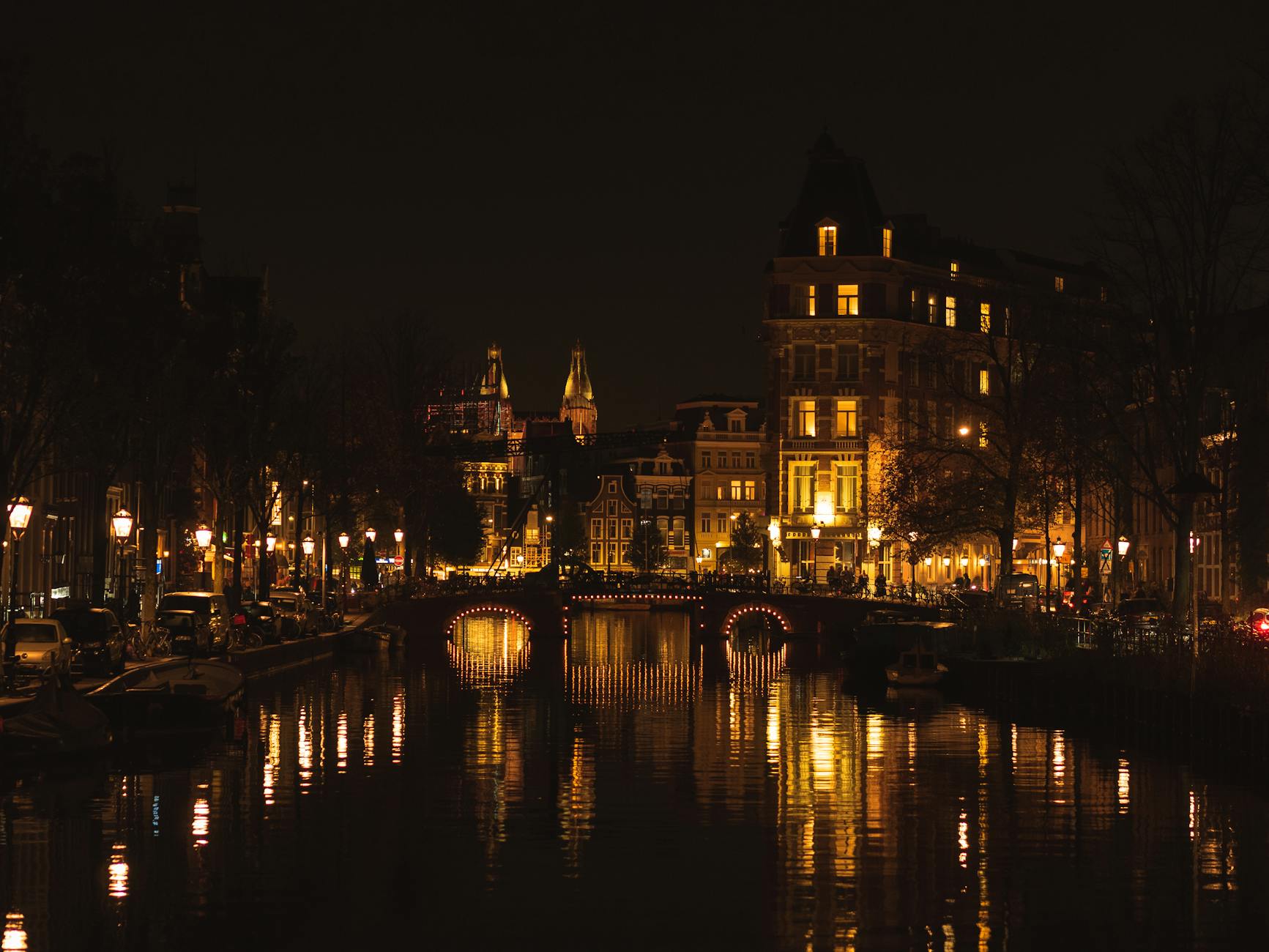
With its candlelit canal houses, cobblestone streets, and cozy cafés, Amsterdam is one of Europe’s most romantic cities. Honeymoon, anniversary or a spontaneous weekend away, the city offers an easy blend of culture, intimacy and indulgence.
Romantic Experiences
Private canal cruise at sunset: Skip the large group tours and book a private boat for two. Several operators offer intimate cruises with wine, cheese, and charcuterie boards as you glide past illuminated canal houses. Expect to pay €150-250 for a 90-minute private experience — an unforgettable splurge.
The Jordaan neighborhood is Amsterdam’s most romantic quarter. Wander its narrow streets hand-in-hand, browse independent galleries and vintage boutiques, and settle into a candlelit restaurant along the Bloemgracht or Egelantiersgracht. For a special evening, book a table at Café de Belhamel, which overlooks the junction of the Herengracht and Brouwersgracht — one of the most photographed views in the city.
Magere Brug (Skinny Bridge) is Amsterdam’s most iconic bridge, and at dusk, over 1,200 tiny bulbs illuminate its wooden frame against the Amstel River. It’s the perfect spot for a romantic photo. Pair this with a riverside walk to the nearby Amstel Hotel for cocktails.
Keukenhof and tulip season: If you’re visiting between mid-March and mid-May, a day trip to Keukenhof is breathtaking — seven million tulips blooming across 80 acres of manicured gardens. It’s peak romance, especially in the morning before crowds arrive.
Romantic Hotels
The Dylan Amsterdam on the Keizersgracht offers boutique luxury in a 17th-century building, with its two-Michelin-starred Restaurant Vinkeles set in a former bakery. Hotel 717 on the Prinsengracht features just eight individually designed rooms with antique furnishings and canal views. For mid-range romance, the Max Brown Canal District in the Jordaan offers stylish rooms with canal views at more accessible prices. For 30 date-night ideas, the famous Seven Bridges proposal spot and the city’s most intimate restaurants, see our romantic Amsterdam for couples guide; for the rooms themselves, browse our full accommodation guide.
Amsterdam on a Budget: Maximum City, Minimum Spend
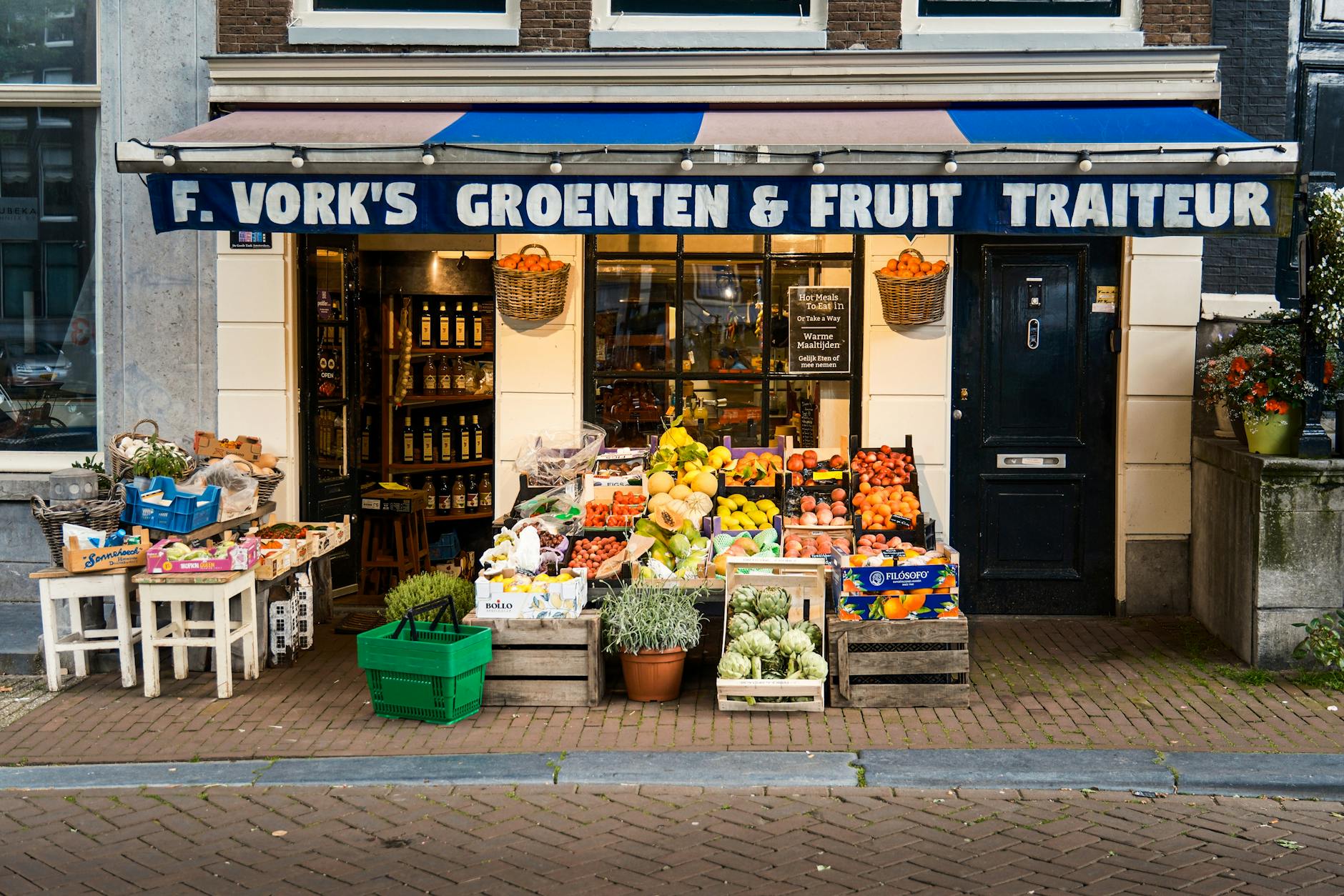
Amsterdam has a reputation as an expensive city, but savvy travelers can experience its highlights without emptying their wallets. The trick is knowing where to look — and the best things in Amsterdam are often free.
Free Attractions and Activities
Canal walks: Amsterdam’s 400-year-old Canal Belt is a UNESCO World Heritage Site, and walking its length is the city’s greatest free attraction. The Golden Bend of the Herengracht, the flower-box-lined Reguliersgracht, and the photo-perfect junction of the Leidsegracht and Keizersgracht are all free to enjoy.
Free ferries: GVB operates free ferries across the IJ River from behind Centraal Station. The short hop to NDSM Wharf takes you to a creative hub packed with street art, repurposed shipyard buildings, independent studios, and waterfront bars. It’s an afternoon’s entertainment for zero euros.
Parks and gardens: Vondelpark, Westerpark, Sarphatipark, and the Rijksmuseum Gardens (free entry, featuring sculptures and seasonal exhibitions) offer green escapes. Flevopark in East Amsterdam is a quieter local favorite with a goat farm and swimming lake.
Free festivals and events: King’s Day (April 27) transforms the entire city into a free street party. Other free events include Open Monument Day (September), Grachtenfestival (August), National Windmill Day (May), and the annual Pride Canal Parade (August) — one of Europe’s most joyful celebrations.
Budget Eating and Drinking
Skip tourist-trap restaurants near Dam Square and eat where locals eat. Albert Cuypmarkt in De Pijp offers stroopwafels (€2-3), fresh herring sandwiches (€4-5), Surinamese roti (€6-8), and kibbeling (fried fish, €5-6). FEBO is Amsterdam’s iconic vending-machine fast food — grab a warm kroket or frikandel for €2-3. Foodhallen in West offers global street food under one roof, with most dishes priced €6-12.
For affordable sit-down meals, look for dagschotels (daily specials) at brown cafés, which typically cost €10-14. Supermarkets like Albert Heijn sell excellent ready-made salads, sandwiches, and sushi for €3-6. Drinking? Happy hours are common — look for borrel deals between 5-7pm at local bars. Read our food and drink guide for more recommendations.
Budget Accommodation
Hostels in Amsterdam range from €25-45 per night for a dorm bed. The Flying Pig Downtown, ClinkNOORD, and Generator Amsterdam consistently receive top reviews for cleanliness and atmosphere. Budget hotels start around €80-120 per night — look in Amsterdam-West, De Pijp, or Amsterdam-Oost for better value than the canal ring. Visiting in winter (November-February) can cut accommodation costs by 30-50% compared to peak summer rates.
Money-Saving Tips
The I Amsterdam City Card (from €65/day) includes free entry to over 70 museums, unlimited public transport, a canal cruise, and bike rental — it pays for itself within 2-3 major attractions. The Museumkaart (€67.90/year) grants free entry to 400+ museums across the Netherlands and is available to visitors. Buy it at any participating museum and use it immediately. Rent a bike (€10-15/day) instead of buying day passes for public transport. Check our trip planning guide for more savings strategies.
Luxury Amsterdam: Premium Experiences and Five-Star Stays
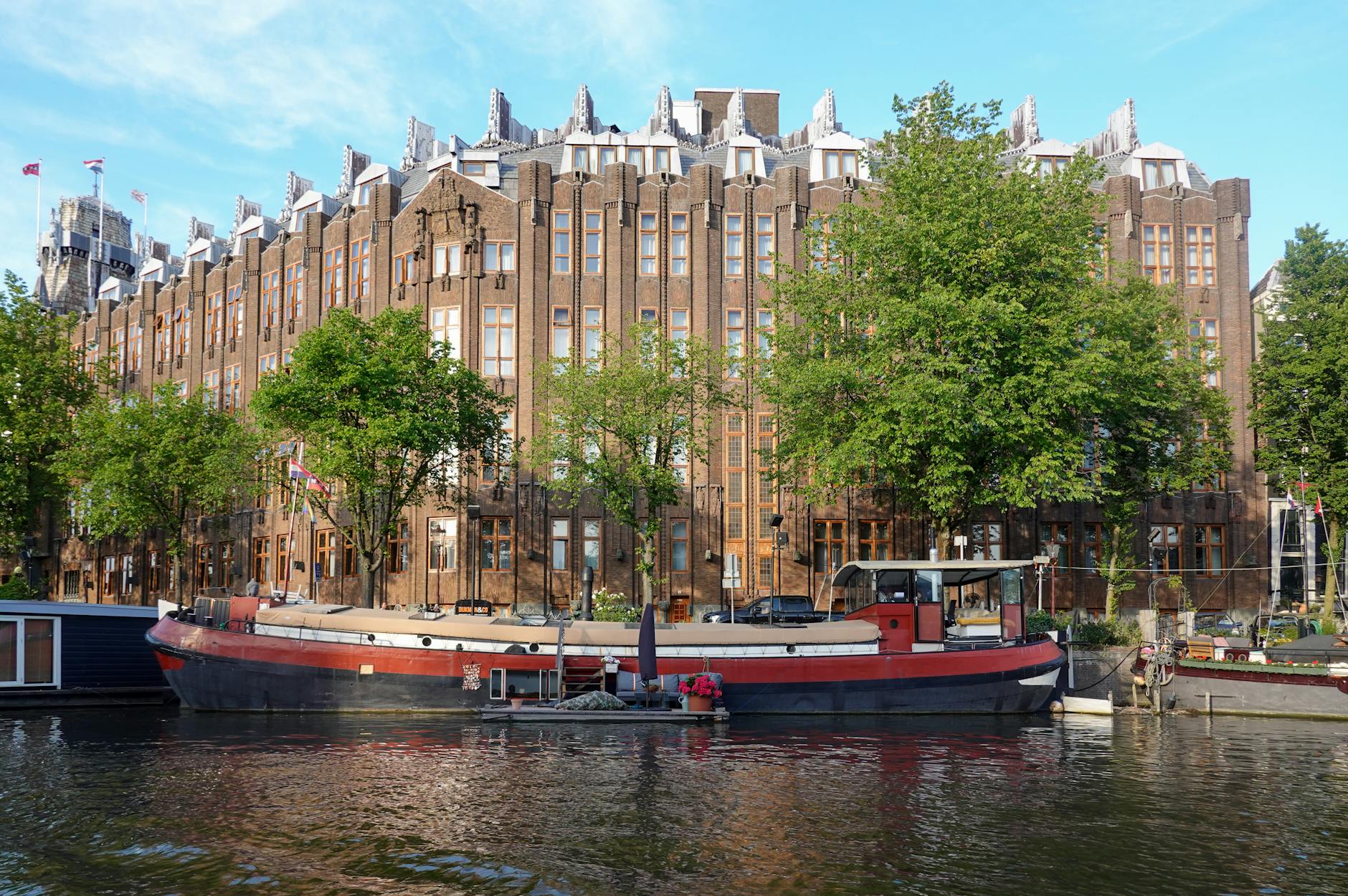
Amsterdam’s luxury scene is intimate and refined — this is a city where premium doesn’t mean flashy, it means exclusive access, impeccable service, and historic settings that no amount of money could replicate elsewhere.
Five-Star Hotels
Rosewood Amsterdam is the city’s newest ultra-luxury property and has quickly become Amsterdam’s most talked-about address. Set in a complex of restored canal houses and a former government building, it blends Dutch heritage with contemporary elegance. Expect rooms from around €700 per night.
Waldorf Astoria Amsterdam occupies six interconnected 17th-century canal palaces on the Herengracht. Each of its 93 rooms and suites is unique, some featuring original ceiling paintings and marble fireplaces. The Librije’s Zusje restaurant holds two Michelin stars. Rates start around €500 per night.
InterContinental Amstel Amsterdam (the Amstel Hotel) has been Amsterdam’s grand dame since 1867. Overlooking the Amstel River, it combines 19th-century grandeur with modern luxury. The hotel’s terrace restaurant is one of the city’s most coveted dining spots. From around €450 per night.
Hotel TwentySeven on Dam Square offers just 16 suites with personal butler service, handmade furnishings, and a Michelin-starred restaurant. It’s the most intimate luxury experience in the city, with rates starting around €600 per night.
Premium Experiences
Beyond luxury accommodation, Amsterdam offers exclusive experiences: private after-hours tours of the Rijksmuseum, chartered canal cruises with personal chefs, Michelin-starred tasting menus at restaurants like &moshik (two stars), Bord’Eau (two stars), and Ciel Bleu (two stars). For shopping, the P.C. Hooftstraat is Amsterdam’s designer mile, featuring Chanel, Louis Vuitton, Hermès, and Cartier alongside Dutch boutiques.
Senior Travelers: Amsterdam at Your Own Pace
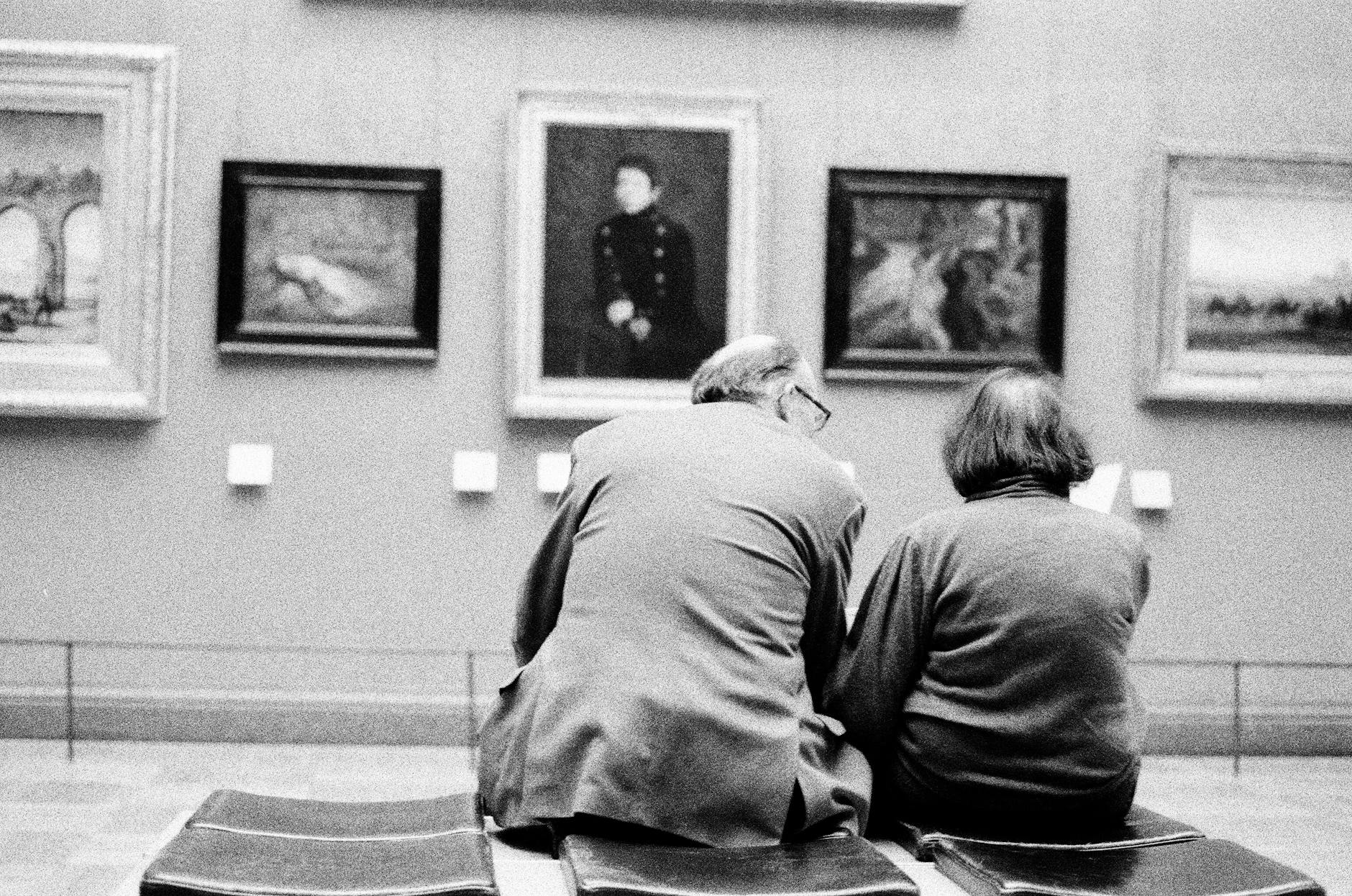
Amsterdam is an excellent destination for senior travelers and retirees. The city’s walkable center, reliable public transport, world-class museums, and relaxed café culture make it easy to explore at a comfortable pace. Spring (April-May) and autumn (September-October) are ideal seasons, with mild weather and smaller crowds than summer.
Senior Discounts
Travelers aged 65 and over receive discounts at many Amsterdam attractions. The Rijksmuseum, Van Gogh Museum, and Stedelijk Museum all offer reduced admission for seniors — carry a valid ID as proof of age. GVB (Amsterdam’s public transport company) offers reduced-fare tickets for passengers over 65, available at ticket machines, GVB service centers, and online. Many restaurants offer early-bird specials or senior prix fixe menus.
Best Activities for Seniors
Canal cruises are the most comfortable way to see the city — you sit in a heated glass-topped boat while a guide narrates 400 years of history. Cruises depart every 15-20 minutes from multiple locations and last 60-75 minutes. For a special experience, book a dinner cruise that combines sightseeing with a multi-course Dutch meal.
Museum visits are ideal for seniors. The Rijksmuseum, Van Gogh Museum, and Hermitage Amsterdam all offer audio guides, wheelchair accessibility, and comfortable seating throughout. Arrive at opening time or after 3pm to avoid the midday rush. The Rijksmuseum’s gardens are free and feature seasonal sculpture exhibitions — a pleasant outdoor break between galleries.
Café culture: Amsterdam’s brown cafés (bruine kroegen) are perfect for leisurely coffee, cake, and people-watching. Try Café Chris (the city’s oldest bar, dating to 1624), Café ‘t Smalle in the Jordaan, or Winkel 43 for the best apple pie in Amsterdam. The Dutch concept of gezelligheid — warmth, coziness, conviviality — is perfectly experienced in these settings.
Practical Tips for Seniors
Avoid rush hours on public transport (8-9am and 5-6pm). Mid-afternoon is typically the quietest time on trams. Stay hydrated and build regular rest breaks into your itinerary — Amsterdam has more café terraces per square kilometer than almost anywhere in Europe. If you’re less mobile, the hop-on-hop-off canal bus provides door-to-door transport between major museums and attractions. Book a hotel in the Museum Quarter or Jordaan for flat terrain and short walks to key sights. For transport tips, see our complete guide.
LGBTQ+ Amsterdam: Where It All Began
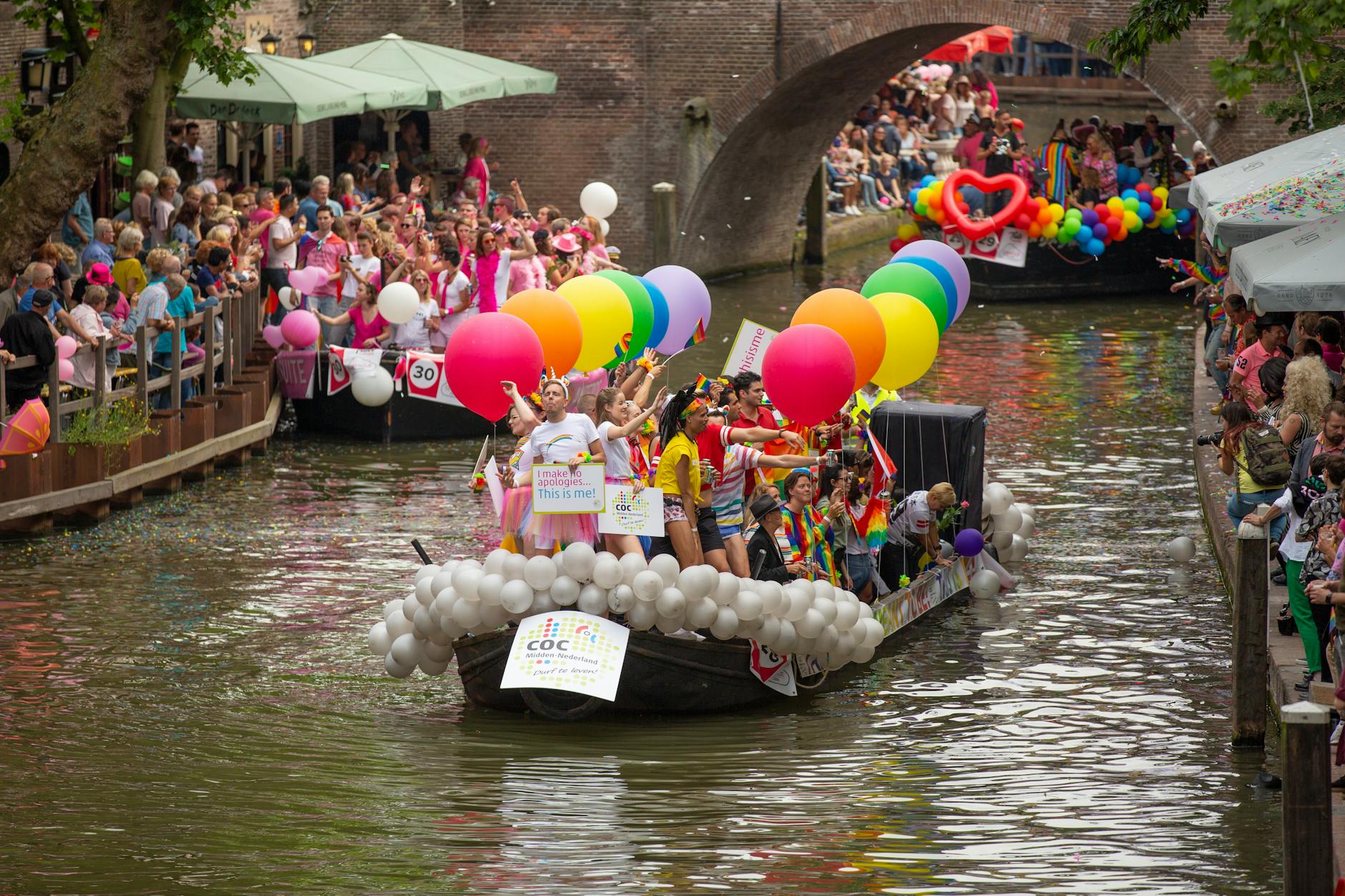
Amsterdam holds a unique place in LGBTQ+ history. The Netherlands was the first country in the world to legalize same-sex marriage in 2001, and Amsterdam has been a beacon for LGBTQ+ travelers for decades. The city’s atmosphere is overwhelmingly accepting — same-sex couples can walk hand-in-hand anywhere in the city without a second glance.
LGBTQ+ Neighborhoods
Reguliersdwarsstraat is the heart of Amsterdam’s LGBTQ+ nightlife, a short street packed with gay bars, clubs, and restaurants. SOHO Amsterdam and Taboo Bar are popular starting points for a night out, while Club NYX — with its multiple floors and eclectic music policy — draws a younger, mixed crowd until the early hours.
The Jordaan has historically been home to many of Amsterdam’s oldest gay bars and cafés, including Café ‘t Mandje, which opened in 1927 and is considered one of the first openly gay bars in the world. The neighborhood retains a strong LGBTQ+ community presence, with rainbow flags a permanent fixture on many buildings.
Zeedijk, near the Red Light District, hosts several LGBTQ+ venues including the legendary Café ‘t Mandje II. The area has a welcoming, diverse atmosphere, especially on weekends. For the latest club scene, look out for Is Burning — a popular queer night at changing venues focused on techno and underground house, and De Trut in Oud-West, a non-commercial disco that’s been a safe space for Amsterdam’s queer community since 1982.
Annual LGBTQ+ Events
Amsterdam Pride (late July/early August) is the city’s biggest annual celebration, highlighted by the world-famous Canal Parade — a flotilla of decorated boats sailing through the Prinsengracht and Amstel carrying revelers, activists, and community organizations. The entire city celebrates, with street parties, cultural events, and exhibitions running throughout Pride Week.
Other notable events include Leather & Fetish Pride (October), King’s Day (April 27, with massive LGBTQ+ street parties), and the Homomonument — a permanent memorial near the Westerkerk dedicated to LGBTQ+ people persecuted throughout history. The Pink Point information kiosk beside the monument serves as Amsterdam’s official LGBTQ+ information center.
Accessible Amsterdam: A Guide for Travelers with Disabilities
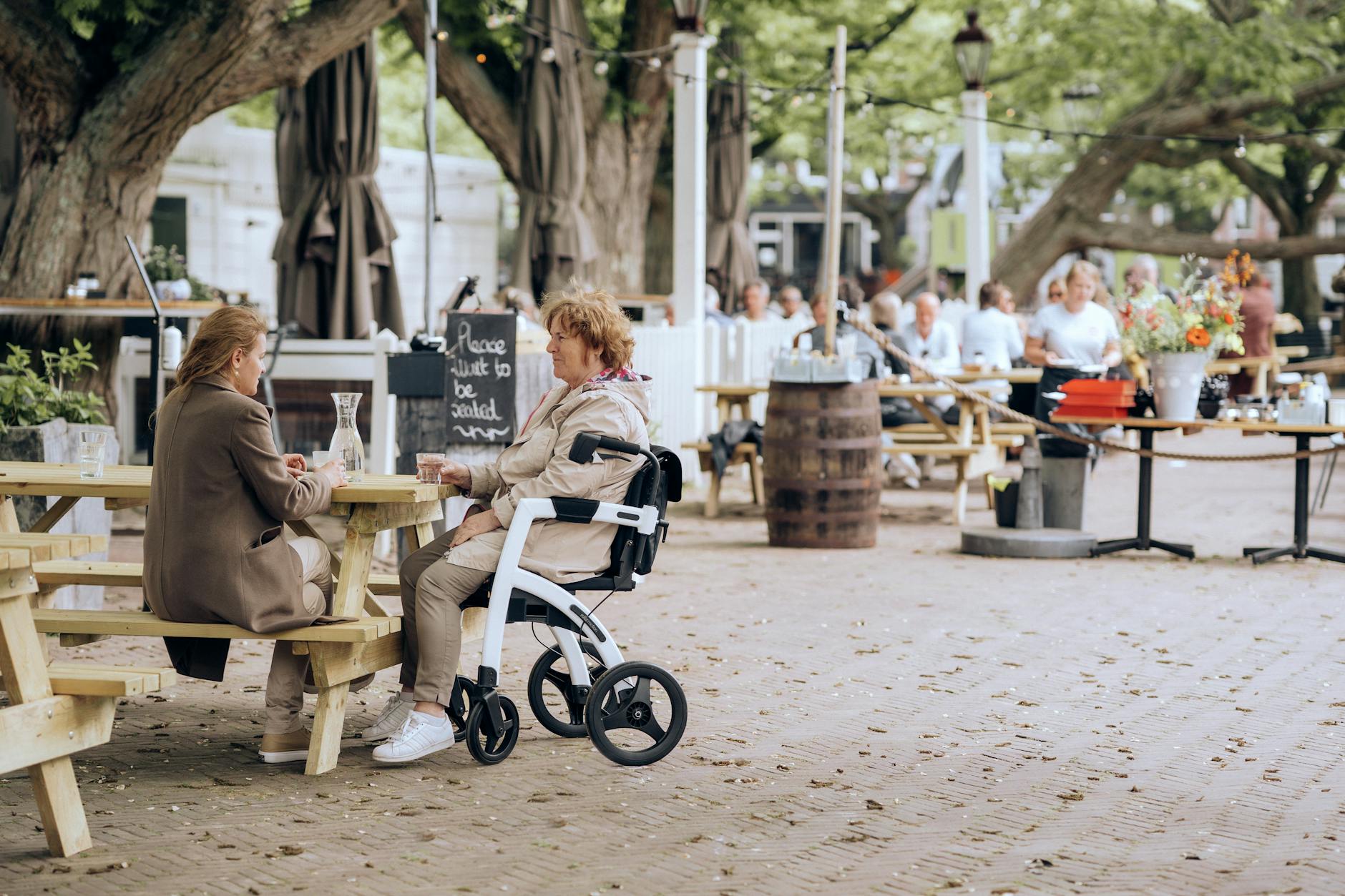
Amsterdam is working hard to become one of Europe’s most accessible cities, though challenges remain. The city’s historic infrastructure — 17th-century buildings, cobblestone streets, steep canal house stairs — means that accessibility varies significantly depending on where you go and what you want to do. With proper planning, however, travellers with disabilities can enjoy the vast majority of Amsterdam’s highlights. Our in-depth Amsterdam accessibility guide covers wheelchair-accessible transport, museums, canal cruises, hotels and the street-level realities in honest detail.
Accessible Attractions
Rijksmuseum: Fully wheelchair accessible with step-free access, elevators to all floors, accessible restrooms, and free wheelchair loans. Audio guides are available for visually impaired visitors. The museum’s gardens are also accessible and free to enter.
Van Gogh Museum: Fully accessible with elevators, wheelchair-friendly facilities, and sensory guides for visually impaired visitors. Staff are trained to assist visitors with various disabilities.
Stedelijk Museum: Wheelchair accessible throughout, with lifts, accessible toilets, and programs specifically designed for visitors with hearing or visual impairments.
Royal Palace on Dam Square: Accessible via a ramp to the right of the main entrance, with lifts connecting the various exhibition floors and an accessible bathroom on the ground floor.
ARTIS Royal Zoo: Has signposted wheelchair-accessible routes throughout the grounds, with accessible bathrooms in all on-site restaurants and rest areas.
Canal cruises: Blue Boat Company operates fully accessible canal boats — six of their 15 vessels are wheelchair accessible. Book in advance to guarantee an accessible boat.
Public Transport Accessibility
Amsterdam’s public transport system is increasingly accessible. Most trams feature low-floor vehicles with retractable ramps. Metro stations have elevators, and M5 trains include designated wheelchair areas with extra space. GVB city buses all have low floors and ramps. The free IJ ferries are fully accessible. However, some older tram stops may not have raised platforms — check the GVB website for station-specific accessibility information before traveling. See our transport guide for more details.
Challenges and Solutions
Cobblestones are the biggest accessibility challenge in Amsterdam’s center. Major shopping streets like Kalverstraat and Leidsestraat are paved with smooth surfaces, but many canal-side streets have original cobblestones. Power wheelchairs and scooters handle these better than manual chairs. Several companies rent mobility equipment locally, including Accessible Amsterdam and Special Needs at Sea.
Historic buildings often have narrow doorways and steep stairs. While major museums have invested heavily in accessibility, smaller galleries, boutique hotels, and brown cafés may have limited access. Always call ahead to confirm. Hotels with modern accessibility features include the DoubleTree by Hilton Amsterdam Centraal, Mövenpick Hotel Amsterdam, and the citizenM chain.
Keukenhof gardens (open March-May) are well-suited to wheelchairs, with onsite wheelchair rental available. The grounds are mostly paved and flat, making them one of the most accessible day trip options from Amsterdam.
Amsterdam for Digital Nomads and Remote Workers
Amsterdam has become one of Europe’s top destinations for digital nomads and remote workers. The city offers reliable high-speed internet (the Netherlands ranks among the top five countries globally for internet speed), abundant co-working spaces, an international community, and that hard-to-define quality of life that makes you want to stay “just one more week.”
Co-Working Spaces
TQ (The Thinking Quarters) in the city center offers drop-in desks, fast WiFi, and a community of international professionals. WeWork has multiple locations across Amsterdam, including beautiful spaces in Westerpark and near Vondelpark. Spaces (by Regus) operates several Amsterdam locations, including the stunning Spaces Herengracht in a canal house. The Coffee District combines café culture with co-working — buy a coffee and you get a desk, WiFi, and power outlets.
Day passes at co-working spaces typically cost €15-30. Many cafés are also laptop-friendly — look for spots in De Pijp, the Jordaan, and Amsterdam-West where power outlets and good WiFi are standard. Just buy something every hour or two as a courtesy.
Practical Considerations
EU citizens can work remotely in the Netherlands without a visa. Non-EU citizens should note that tourist visas do not permit employment — if you’re working remotely for a company outside the Netherlands, enforcement is rare for short stays, but technically you may need a work permit for longer periods. The Netherlands recently introduced a digital nomad visa for non-EU freelancers and remote workers, valid for one year. Check the IND (Immigration and Naturalisation Service) website for current requirements.
Amsterdam’s time zone (CET/CEST) works well for collaboration with both UK/European and East Coast US teams. The city’s Schiphol Airport provides easy connections across Europe for occasional in-person meetings. For longer stays, consider neighborhoods like De Pijp, Oost, or Noord for more affordable accommodation than the canal ring.
Amsterdam for Foodies: Beyond the Basics
While our comprehensive food and drink guide covers Amsterdam’s culinary scene in depth, certain traveler types have specific needs. Vegetarians and vegans will find Amsterdam remarkably accommodating — the city has dozens of fully vegan restaurants, and most Dutch restaurants now offer at least one substantial vegetarian main course. Try Meatless District, Mr. & Mrs. Watson (vegan “cheese” that will fool most people), or The Avocado Show for Instagram-worthy plant-based meals.
Halal dining is widely available, particularly in De Pijp, Oost, and Nieuw-West neighborhoods where large Muslim communities have established excellent Turkish, Moroccan, and Surinamese restaurants. Kosher options are more limited but include several restaurants in the Jewish Cultural Quarter near Waterlooplein. Gluten-free travelers should note that most Dutch restaurants are aware of celiac disease (coeliakie) and can accommodate requests — always ask to confirm.
Amsterdam with Pets
The Netherlands is famously dog-friendly, and Amsterdam is no exception. Dogs are welcome in most parks (on leash), many restaurant terraces, and some shops. Vondelpark, Amsterdamse Bos, and Flevopark have designated off-leash areas. Most public transport allows dogs — small dogs travel free, while larger dogs need a reduced-fare ticket. Many hotels accept pets, though policies vary — always confirm in advance. Pet-friendly hotel chains include citizenM, Kimpton De Witt, and Conscious Hotels.
If you’re traveling from outside the EU, your pet needs a valid pet passport, microchip, and up-to-date rabies vaccination. Check Dutch customs regulations for current requirements, as rules for certain breeds may vary.
Amsterdam for History Buffs
For travelers passionate about history, Amsterdam offers layers upon layers of stories stretching back over 800 years. Our culture and history guide provides the full narrative, but here are the can’t-miss highlights: the Anne Frank House (book tickets months in advance), the Jewish Historical Museum and Portuguese Synagogue complex, the Amsterdam Museum for the city’s full timeline, the Resistance Museum (Verzetsmuseum) for WWII Dutch resistance history, and the recently expanded Rijksmuseum for the Dutch Golden Age. Walking the Canal Belt is itself a history lesson — every gable, every lean, every hoisting beam tells a story. Pair it with our neighbourhoods guide to decide which districts to base yourself in.
Practical Tips for Every Traveler Type
Travel Insurance
Regardless of how you travel, comprehensive travel insurance is strongly recommended. The Netherlands has excellent healthcare, but non-EU visitors will be charged for medical treatment — a simple emergency room visit can cost €300-500 before any procedures. EU citizens should carry a European Health Insurance Card (EHIC) or its UK equivalent (GHIC) for reduced-cost treatment. Ensure your policy covers personal belongings (bicycle theft is common), trip cancellation, and any specific activities you plan to do.
Language
English is spoken fluently by approximately 90% of the Dutch population, making Amsterdam one of the easiest non-English-speaking cities to navigate. However, learning a few Dutch phrases — dank je wel (thank you), alsjeblieft (please), and gezellig (cozy/convivial, the untranslatable heart of Dutch culture) — earns warm smiles and genuine appreciation from locals.
Bicycle Safety for All Travelers
Amsterdam is a cycling city first, and understanding bike culture is essential for every visitor. When walking, never stand in bike lanes (the red-paved strips alongside many roads) — cyclists will not slow down and collisions are common. Look both ways before crossing, and listen for bells. If you rent a bike, ride confidently, signal your turns, stay right, and never stop suddenly in traffic. Electric bikes and cargo bikes are available from most rental shops for those who need extra assistance. See our transport guide for detailed cycling tips.
Tipping Culture
The Netherlands doesn’t have the same tipping culture as the United States. Service charges are included in restaurant prices by law. However, rounding up or leaving 5-10% for good restaurant service is appreciated. For taxis, rounding to the nearest euro is customary. Hotel housekeeping tips of €1-2 per night are generous but not expected. There’s no need to tip at bars or cafés for counter service.
Amsterdam for Every Traveller: FAQ
Is Amsterdam good for first-time visitors?
Yes, it is one of the gentlest European cities to start with. The centre is small and walkable, almost everyone speaks English, the public transport is simple, and crime is low. Three days covers the headline museums, a canal trip and a couple of neighbourhoods without rushing. Book Anne Frank House and the Van Gogh Museum well ahead, since both sell out.
Is Amsterdam family-friendly?
Very. It is flat, compact and welcoming to children, with NEMO Science Museum, Artis Royal Zoo, Vondelpark playgrounds and pancake boats all built around young attention spans. Many big museums are free for under-18s. The main things to watch are the bike lanes and unfenced canal edges. Our Amsterdam with kids guide has the full rundown.
Is Amsterdam safe for solo and solo female travellers?
Generally yes. Amsterdam is walkable and among the safer European capitals, and solo female travellers routinely walk and cycle here, with the usual city precautions around stations and the Red Light District late at night. Pickpocketing in crowds is the main everyday risk. The social hostel scene and free walking tours make it easy to meet people; see our solo travel guide.
Is Amsterdam wheelchair accessible?
Partly, and it is improving. Metro, buses and free ferries are step-free, newer trams have low-floor access, and the big museums are accessible. The honest challenges are cobblestones, narrow stepped canal houses and some steep bridges. With planning, modern hotels and accessible tour operators, most of the city opens up. Always confirm specifics with each venue and read our accessibility guide.
How many days do you need in Amsterdam?
Three full days is the sweet spot for a first visit: enough for the major museums, a canal cruise and two or three neighbourhoods. Add a fourth or fifth day if you want a day trip to the windmills, Haarlem or the tulip fields, or simply to slow down. Our trip planning guide maps out itineraries by length.
Is Amsterdam expensive?
It is on the pricier side of Europe but flexible. Dorm beds, street food, free ferries and walking keep budget trips genuinely cheap, while canal-house hotels and Michelin tables push the top end high. A mid-range traveller might plan on roughly EUR 120-180 a day excluding accommodation, but it varies with season and style. Check current prices, as fares and hotel rates move every year.
Your Amsterdam, Your Way
What makes Amsterdam truly special is its ability to be different things to different people. A family sees a playground of museums and boat rides. A solo traveler finds instant community in a hostel common room or a brown café. A couple discovers romance in every candlelit window and quiet bridge. A budget traveler realizes the best experiences are free. And every traveler, regardless of ability, orientation, age, or background, is met with the same Dutch directness and warmth.
Amsterdam’s message to every visitor is simple: come as you are. This city was built on tolerance, trade, and the radical idea that everyone deserves a seat at the table. Four hundred years later, that spirit hasn’t changed.
Start planning your perfect Amsterdam trip with our complete trip planning guide, explore the best things to do, and find your ideal neighborhood base. However you travel, Amsterdam is ready for you.
Tailored guides for your trip: Amsterdam with kids, solo travel in Amsterdam, romantic Amsterdam for couples, the accessibility guide, plus our food & drink guide and practical Amsterdam information.
Keep exploring
- Gay Amsterdam — bars, events and the LGBTQ+ scene.
- Amsterdam for seniors — pacing, mobility and quieter alternatives.
- Bachelor and bachelorette parties — what is actually fun, and what gets you fined.
- Amsterdam girls trip — activities plus a ready-made 3-day plan.
- Backpacker budget guide — doing Amsterdam on the cheap, day by day.
For anyone whose trip is really about a fixture, our Ajax at the Johan Cruijff ArenA guide is honest about which matches a visitor can actually get into.