The single easiest day trip from Amsterdam is also one of the most photogenic: Zaanse Schans, a working open-air museum-village 17 minutes north of Centraal where eight original 17th-century windmills still grind paint, oil, mustard and spices on the banks of the Zaan river. This complete Zaanse Schans Amsterdam guide covers how to get there, ticket prices, the windmills you can climb inside, the cheese and clog workshops, what’s free vs. what’s paid, the best time to visit, and how to combine it with Volendam, Marken or Edam in a single day.
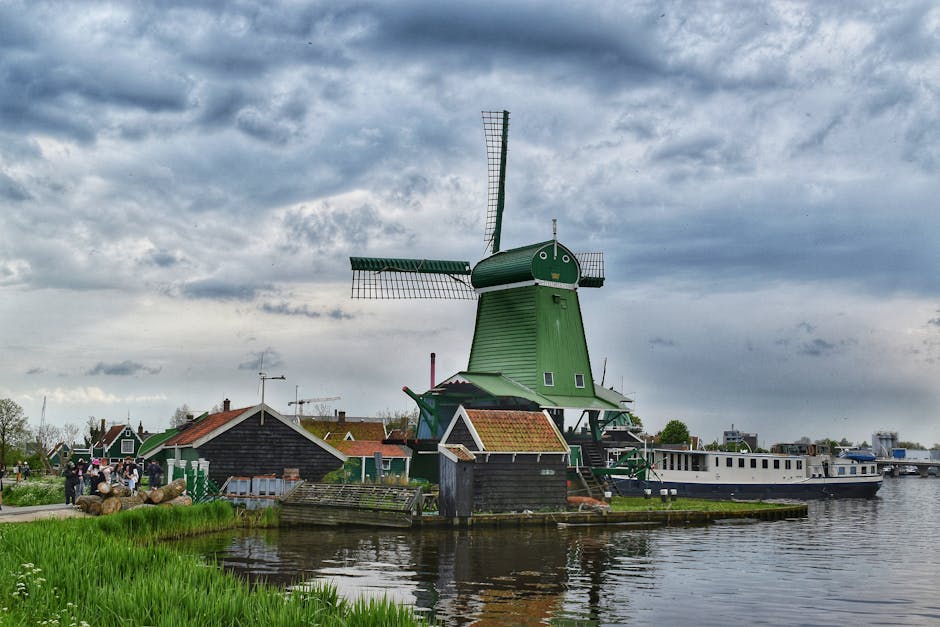
The short answer: Zaanse Schans is a free-to-enter open-air village of working windmills about 17 minutes by Sprinter train from Amsterdam Centraal. Walking the site costs nothing; you only pay to go inside the windmills (around €5–6 each) or the Zaans Museum. Arrive at opening or in late afternoon to dodge the coach crowds, and budget three to four hours.
Zaanse Schans at a Glance
| Detail | What to expect |
|---|---|
| Getting there | Sprinter train Centraal → Zaandijk-Zaanse Schans, ~17 min |
| Train fare | around €5 single (check OVpay / the NS app) |
| Entry to the village | Free to walk through |
| Windmill entry | around €5–6 each, or a combined Zaanse Schans Card |
| Free to enter | Cheese farm and clog workshop, with live demos |
| Time needed | 3–4 hours |
| Best time | 9–11am or after 3.30pm; spring and early autumn |
Zaanse Schans is the closest and easiest of the trips in our day trips from Amsterdam guide — the one I send first-time visitors to when they have a single free morning and want the postcard Dutch landscape without a long journey.
What is Zaanse Schans?
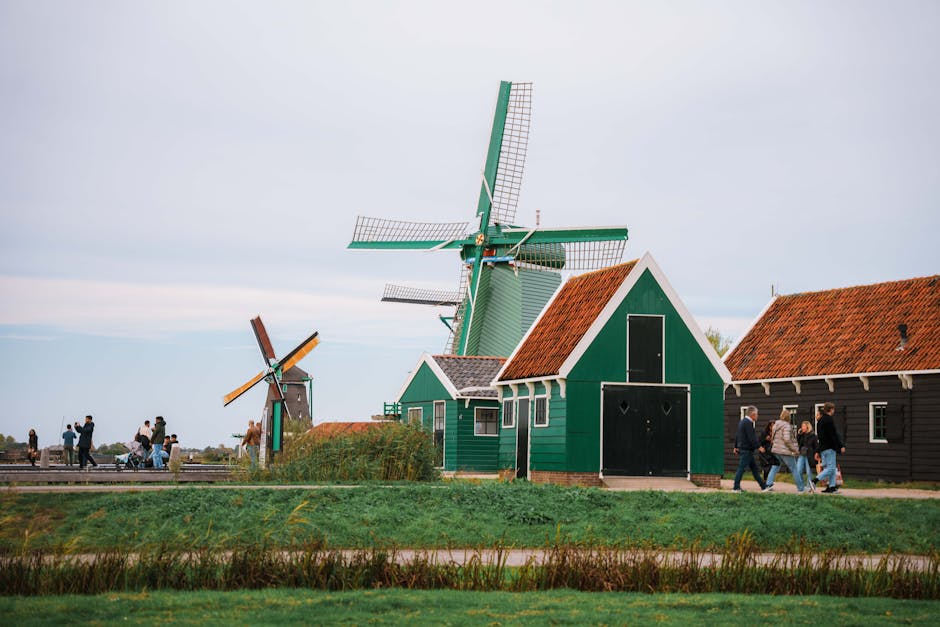
Zaanse Schans is a small village on the Zaan river — about 6 km of pretty waterfront — preserved as it looked in the 1700s, when the Zaanstreek was the world’s first industrial zone, with more than 600 windmills powering paint, oil, mustard, paper, sawmills and dye works. Eight of those original windmills survive and still operate. Around them sit 35 traditional green-painted wooden houses, working museum craft shops (cheese, clogs, pewter, chocolate), a small Albert Heijn supermarket museum (it started here in 1887), and the Zaans Museum.
It’s free to walk through the village. You only pay if you go inside the windmills or the museum buildings. That makes it one of the best-value half-days near Amsterdam.
How to Get to Zaanse Schans from Amsterdam
Option 1: Train (recommended)
- Sprinter train Amsterdam Centraal → Zaandijk-Zaanse Schans station: 17 minutes.
- Departs every 15 minutes throughout the day from platforms 13–15.
- Cost: €5 single (€10 day return) on OVpay or NS app.
- 10-minute walk from station to the village over the wooden bridge.
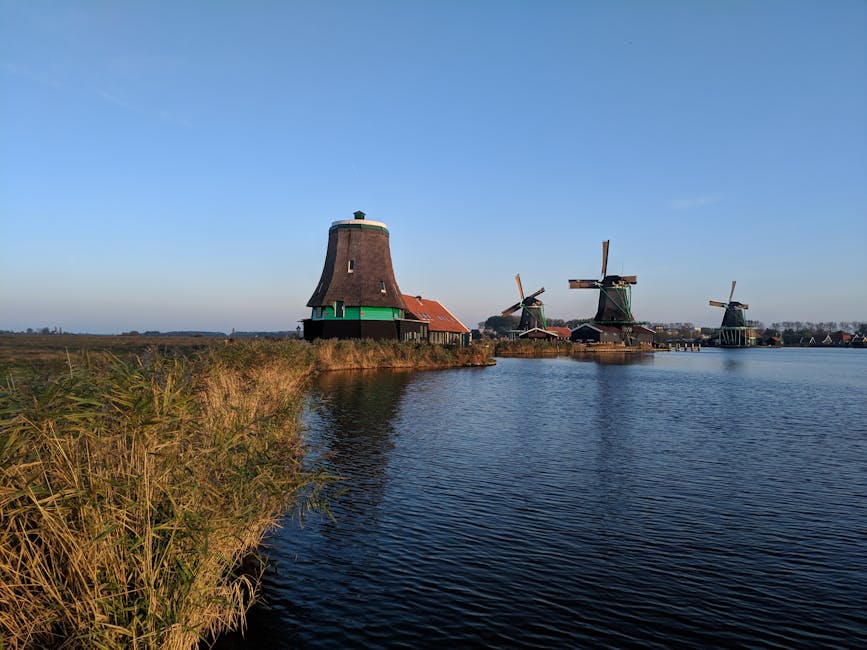
- The walk over the bridge is part of the experience — best photo angles of the windmills are from here.
Option 2: Bus 391 (Hop on Hop off)
The 391 Connexxion bus from Amsterdam Centraal Bus Station goes direct to the Zaanse Schans visitor centre in 40 minutes. Cheaper if you have the Amsterdam & Region Travel Ticket; otherwise about €5.50 single. Less scenic than the train, but drops you closer to the entrance.
Option 3: Amsterdam & Region Travel Ticket
€21 for 24 hours covering all GVB tram/bus/metro/ferry, the Schiphol train, and the Connexxion 391 bus to Zaanse Schans (plus 859 to Keukenhof and 312 to Volendam). The single best value if you’re combining day trips.
Option 4: Bicycle
Cycling from Amsterdam to Zaanse Schans takes 60–90 minutes each way along the Noordhollandsch Kanaal. Beautiful flat ride, all on dedicated cycle paths. For confident cyclists only; the wind can be brutal.
Option 5: Organised Tour
Coach tours from Amsterdam combine Zaanse Schans with Volendam, Marken and Edam in 4–8 hours. €40–€80 per person. Useful if you want zero logistics; less flexible than going independently.
Tickets & Prices
Walking the village is FREE. The cheese farm, clog workshop and most outdoor crafts are also free to enter. You only pay to go inside the working windmills or the Zaans Museum.
- Zaanse Schans Card (combined ticket): €29.50 adult, €20 child (4–17), under-4 free. Includes the Zaans Museum, three windmills, and a digital audio guide.
- Single windmill entry: €5–€6 each. Worth it for one or two; the Zaanse Schans Card pays off if you do three or more.
- Zaans Museum only: €15.
- Boat ride on the Zaan: €11 for 50 minutes.
- Museumkaart covers the Zaans Museum but not the individual windmills.
The Eight Windmills
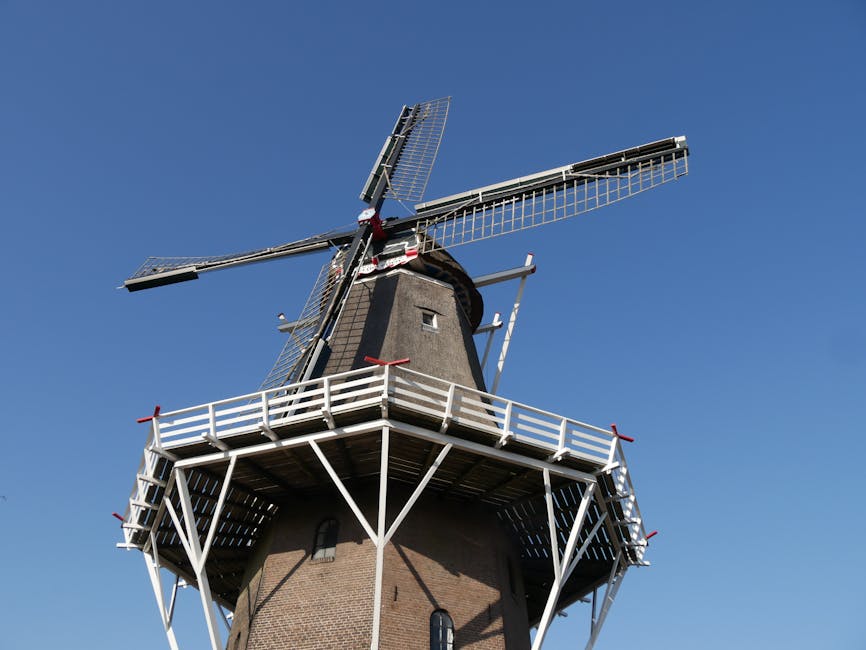
- De Kat (The Cat) — the world’s only operating windmill that still grinds pigments for paint. The interior is a working factory; you can buy small jars of pigment in the gift shop.
- De Zoeker (The Seeker) — oil mill, presses linseed and rapeseed.
- Het Jonge Schaap (The Young Sheep) — sawmill; you can watch logs being cut.
- De Huisman (The House Man) — mustard mill; the on-site shop sells excellent fresh mustard.
- De Bonte Hen (The Speckled Hen) — oil mill.
- De Gekroonde Poelenburg — sawmill.
- De Os (The Ox) — pigment grinding (privately owned, not open to public).
- Het Klaverblad (The Cloverleaf) — sawmill (privately owned).
If you only have time for one, make it De Kat — climb to the cap, watch the millstones at work, see the spice and pigment sacks. Most rewarding interior of the lot.
Other Things to See in Zaanse Schans
Cheese Farm (Catharina Hoeve)
Free entry. Demonstrations of traditional Gouda-making every 30 minutes. Free tastings of multiple cheese ages and varieties. Vacuum-packed wheels for sale at decent prices (often 10–20% cheaper than Amsterdam city centre cheese shops).
Clog Workshop (Klompenmakerij)
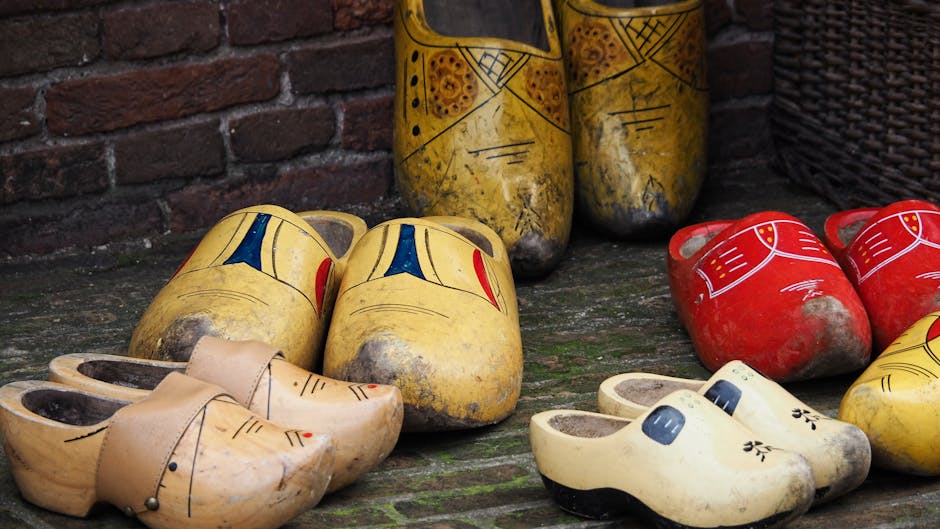
Free entry. Live demonstrations every 30 minutes — a single clog goes from rough oak block to finished form in under three minutes. You can buy painted decorative clogs (€10–€30) or full-size wearable working clogs (€40–€80).
Zaans Museum & Verkade Pavilion
The history of the Zaanstreek as the world’s first industrial region. The Verkade Pavilion has a working chocolate-and-biscuit factory line that visitors can watch. €15.
Albert Heijn Museum Shop
The original Albert Heijn shop opened here in 1887 and is preserved in period detail. Free; quirky and small, takes 10 minutes.
Bakkerijmuseum (Baker’s Museum)
Working bakery selling traditional Dutch breads and the famous Zaanse koek (sweet spiced cake). €7.
Boat Trip on the Zaan
50-minute boat ride past the windmills. €11. The best photos of the village come from the water.
Best Time to Visit
- Early morning (9–11am) for empty paths and clean photos before the coach tours arrive at 11am.
- Late afternoon (3.30pm onward) after the tours leave; light is gold over the windmills.
- Spring and early autumn for the best weather and full operating windmills.
- Avoid summer Saturday afternoons — Zaanse Schans gets uncomfortably crowded.
- Winter is quiet but most windmills are closed and the village can feel grey.
Sample Half-Day Itinerary
- 9.00am — Sprinter train from Centraal.
- 9.20am — Arrive Zaandijk-Zaanse Schans station; walk over the bridge.
- 9.30am — Photos along the riverfront before the crowds.
- 10.00am — Climb De Kat windmill (45 minutes).
- 11.00am — Cheese farm with free tastings.
- 11.30am — Clog workshop demonstration.
- 12.00pm — Lunch at De Kraai or Restaurant De Hoop op d’Swarte Walvis (the Zaanse Schans’s Michelin-recommended fine dining).
- 1.30pm — One more windmill (Het Jonge Schaap sawmill is a kid favourite).
- 2.30pm — Boat ride.
- 3.30pm — Sprinter back to Amsterdam.
Combining Zaanse Schans with Other Day Trips
Zaanse Schans is small enough that even a leisurely visit takes only 3–4 hours. Combine with:
- Volendam & Marken (around 40 minutes by bus from Zaanse Schans) — fishing villages, traditional costumes, smoked eel, and a scenic ferry across the IJsselmeer.
- Edam (50 minutes by bus) — the cheese town; cheese market on Wednesdays in July and August.
- Haarlem (around 25 minutes by train via Zaandam) — the Frans Hals Museum, hidden hofjes, and the Grote Markt.
- Alkmaar (30 minutes by train) — Friday-morning cheese market through summer.
Practical Tips
- Wear sturdy shoes. Cobbles and gravel paths are uneven.
- Pack rain gear. The riverfront is exposed; weather changes fast.
- Cash isn’t needed for tickets; small craft shops sometimes only accept Maestro/Dutch cards.
- Don’t try to be in two windmills at once; some have only 30-minute opening windows for safety reasons.
- The Albert Heijn supermarket just outside the village is a good lunch supply if you want to picnic.
- Toilets are €1 at the entrance; free inside the museum buildings.
- Strollers and wheelchairs can navigate the village paths but climbing into windmills is not accessible.
- Dogs on leashes are welcome in the village but not inside windmills or the cheese farm.
Is Zaanse Schans Too Touristy?
You will read this complaint everywhere, so let me address it head-on. Yes, Zaanse Schans is busy, and between roughly 11am and 3pm in summer it can feel like a theme park, with coach groups funnelling through the same few photo spots and queues at the clog workshop. If that is your only window, you will leave thinking it was a tourist trap. But the criticism misses the point: the windmills here are not stage props. De Kat is genuinely grinding pigment the way it has for centuries, the sawmill is cutting real logs, and the cheese in the farm shop is really being aged on site. The “Disneyfied” reputation comes from the crowds, not the substance.
The fix is entirely within your control: go early or go late. Catch the first Sprinter and you will have the riverfront almost to yourself for an hour, with the windmills reflected in still water and the light low and gold. Come back to it at the end of the day, after 3.30pm, and the coaches have left, the village exhales, and you can wander the green wooden houses in something close to peace. Treated that way, Zaanse Schans is one of the best-value half-days anywhere near Amsterdam, and it earns its place as the most popular trip in our day trips hub.
A Little History: The World’s First Industrial Zone
It is easy to look at the windmills as pretty scenery and miss what they actually were. In the 17th and 18th centuries the Zaanstreek was, in effect, the world’s first industrial region. At its peak the area ran more than 600 windmills, and they were not grinding grain for picturesque effect — they were sawing timber for the Dutch shipbuilding boom, pressing oil from seed, grinding pigment for paint, milling mustard and spices, and manufacturing paper. Wind was the engine, and this stretch of riverbank was the factory floor that helped power the Dutch Golden Age.
When steam and then electricity arrived, the mills became obsolete almost overnight, and most were demolished. The eight survivors at Zaanse Schans, along with the green timber houses around them, were relocated and preserved here through the 20th century specifically so the technology would not be lost. That is why a visit rewards a bit of curiosity: climb inside De Kat, watch the great wooden gears turn, and you are looking at working machinery that predates the steam engine. For more on how this fits the wider story of the region, our guide to Amsterdam culture and history sets the scene.
What to Eat at Zaanse Schans
Food at Zaanse Schans is part of the fun, and you do not need a restaurant booking to eat well. Start at the cheese farm, where the free tastings run through several ages of Gouda — the older, crumblier wheels with their little salt crystals are the ones worth carrying home. The bakery sells Zaanse koek, a dense spiced cake that is a regional speciality, and fresh stroopwafels pressed while you wait, the warm caramel oozing out the sides. Eat one immediately; it is a different food from the packaged supermarket version.
For a proper sit-down lunch, the standout is Restaurant De Hoop op d’Swarte Walvis, a historic waterfront spot that takes its cooking seriously, though it is priced accordingly. If you would rather keep costs down, there is an Albert Heijn supermarket just outside the village — fitting, given the chain started here in 1887 — where you can build a picnic and eat it by the river for a fraction of the price. Whatever you do, leave room for fries with mayonnaise from one of the stands; it is the correct Dutch lunch.
Doing Zaanse Schans on a Budget
Zaanse Schans is one of the rare big-name attractions you can enjoy almost for free, because the village itself costs nothing to enter. The windmills, the Zaans Museum and the boat trip are the only paid extras, and you do not need all of them. If you are watching your spend, walk the whole site, take the free cheese and clog demonstrations, climb a single windmill (make it De Kat), and skip the rest. That gets you the full flavour of the place for the price of a train ticket and one €5–6 mill entry.
If you plan to do more than two windmills or want the museum as well, the Zaanse Schans Card works out cheaper than paying per attraction. And if Zaanse Schans is one of several trips on your itinerary, the Amsterdam & Region Travel Ticket covers the train and the local buses for a flat daily rate — handy if you are also heading to the villages north of the city. Our getting around Amsterdam guide breaks down which travel pass makes sense for which kind of trip. One last money note: the cheese and clog shops sell genuinely good products at fair prices, often a little cheaper than the same items in central Amsterdam, so if you were going to buy Gouda or souvenirs anyway, here is a better place to do it than a tourist shop on Damrak.
Will the Windmills Actually Be Turning?
A windmill standing still is a slightly sad sight, and it is the one thing about Zaanse Schans you cannot fully control. The mills turn when there is enough wind and a miller on hand to set the sails, which in practice means most days in spring and autumn, fewer days in the dead calm of high summer, and rarely in winter when several mills close entirely. There is no published schedule you can rely on, because it genuinely depends on the weather that morning. If seeing the sails spin matters to you, aim for a breezy day in April, May, September or October, and accept that even then it is not guaranteed.
The good news is that the interiors run regardless of wind. De Kat will be grinding pigment, the sawmill cutting timber, and the cheese and clog demonstrations carry on whatever the sky is doing, so a windless visit is far from wasted. Winter is the one season I would steer you away from for a first visit — the village can feel grey and shuttered — but if a quiet, moody, crowd-free Zaanse Schans appeals, a crisp winter morning has its own charm.
Families, Strollers and Accessibility
Zaanse Schans is an easy outing with children. The site is compact and open, the clog and cheese demonstrations hold most kids’ attention, and the sawmill — with its giant blades chewing through logs — tends to be the surprise favourite. The boat trip on the Zaan is a gentle 50 minutes that buys tired legs a rest. Strollers and wheelchairs roll fine across the village paths, though the cobbles and gravel are bumpy in places, so a buggy with decent wheels helps.
The one real limitation is the windmills themselves. Climbing into a working mill means steep, narrow wooden stairs and tight platforms, which rules them out for wheelchairs and makes them awkward with a baby carrier. If mobility is a concern, focus on the ground-level attractions and the riverside walk, which deliver most of the experience without the climb. Toilets sit near the entrance for a small charge, and they are free inside the museum buildings. If you are planning a wider trip with kids, our Amsterdam for every traveller guide has more on family-friendly days out.
Zaanse Schans Day Trip: FAQ
Is Zaanse Schans worth visiting?
Yes — for any visitor to Amsterdam who wants to see working Dutch windmills. It’s the closest, easiest day trip and the windmills are genuinely operational, not theatre.
How long do you need at Zaanse Schans?
2.5–4 hours. The village itself is small. Add a boat ride or a windmill climb to fill 4 hours.
Is Zaanse Schans free?
Walking the village is free. Cheese farm and clog workshop are also free. Windmills (€5–€6 each) and the Zaans Museum (€15) are paid.
How do I get from Amsterdam to Zaanse Schans?
Sprinter train Amsterdam Centraal to Zaandijk-Zaanse Schans, 17 minutes, €5. Walk 10 minutes over the wooden bridge to the village.
What’s the best time to visit Zaanse Schans?
9–11am or after 3.30pm to avoid the worst coach-tour crowds. Spring and early autumn are best for weather and operating windmills.
Can you combine Zaanse Schans with Volendam in one day?
Yes — the 391 bus runs from Zaanse Schans to Volendam in 40 minutes. Many organised tours combine both with Marken in 6–8 hours.
Final Thoughts
Zaanse Schans gets the criticism that it’s "too touristy," but the windmills are real, the millstones are still grinding, and the cheese is still being aged. Go early, climb at least one windmill, eat a fresh stroopwafel from the bakery, and you’ll come back with your favourite Amsterdam-region day-trip photos for €30 all in.
For more, see the full day trips from Amsterdam hub, the tulip gardens at Keukenhof, the fishing villages of Volendam and Marken, and the calmer city of Haarlem. To sort out trains and travel passes, start with our getting around Amsterdam guide.