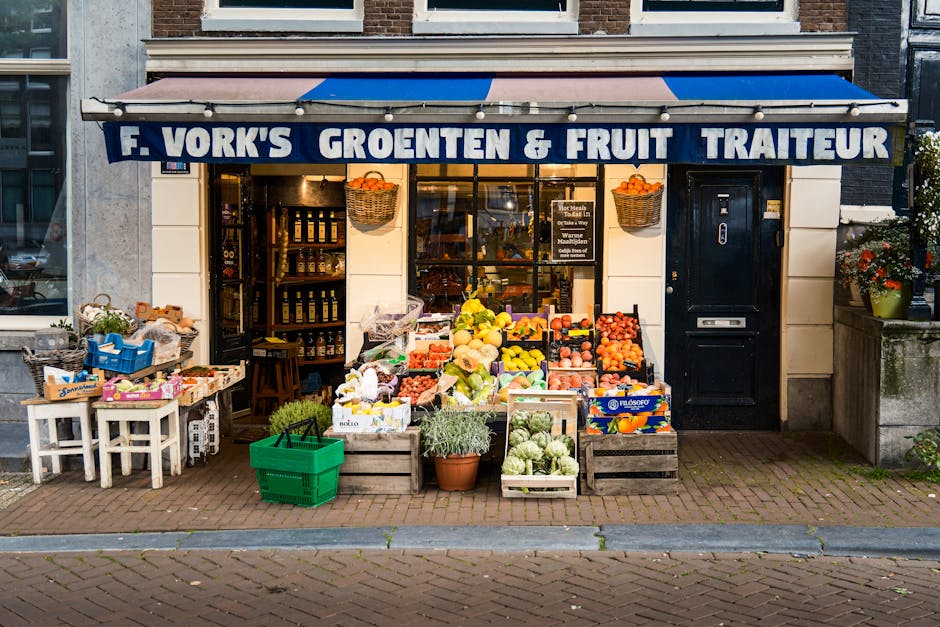
If the Jordaan is the Amsterdam everyone wants to photograph, De Pijp is the Amsterdam everyone wants to live in. South of the canal belt, with a tight grid of terrace-lined streets, the country’s biggest open-air market, a beautiful 19th-century park and the best brunch scene in the city, this is the neighbourhood that made the leap from working-class quarter to global capital of cool without losing the messy, flowery, neighbourly feel that defined it. This complete De Pijp Amsterdam guide covers Albert Cuypmarkt, Sarphatipark, the best places to eat and drink, where to stay and exactly how to spend a perfect day in the city’s most lived-in district.
In short: De Pijp is Amsterdam’s buzziest food-and-market district – young, multicultural and built around the open-air Albert Cuyp Market. Come for cheap eats, a beer on a terrace by Sarphatipark, and a neighbourhood that still feels lived-in. It is one of the most characterful of all the Amsterdam neighborhoods, and gives you half a day easily – or a great base if food and nightlife matter more than postcard canals.
What & Where Is De Pijp?
De Pijp sits in Amsterdam-Zuid, immediately south of the canal belt, bounded by the Boerenwetering canal (west), Stadhouderskade (north), the Amstelkanaal (south) and Ruysdaelkade (east). It’s about a 15-minute walk from the Rijksmuseum, served by trams 4, 12, 14, 24 and metro 52 (De Pijp station).
De Pijp at a glance
A quick snapshot before you go. Hours, days and prices change often, so double-check current details. For how De Pijp stacks up against other districts, see the Amsterdam neighborhoods guide.
| Detail | The short version |
|---|---|
| Best for | Food, markets, nightlife, people-watching |
| Signature sight | Albert Cuyp Market (Mon-Sat, daytime) |
| Green space | Sarphatipark |
| Vibe | Young, multicultural, lively |
| Getting there | Trams 3, 4, 12, 24; metro to De Pijp; easy cycle |
| Time needed | Half a day, or a base for foodies |
The name "De Pijp" means "the pipe", a reference to the long narrow shape of the streets — built fast and cheaply in the 1870s as Amsterdam’s first major working-class housing expansion. For a century it stayed poor, immigrant, and neglected; from the 1990s onward gentrification flipped the script. Today the rents are among the highest in Amsterdam, but the neighbourhood feel — small shops, no chains, residents shouting greetings across narrow streets — remains intact.
Albert Cuypmarkt
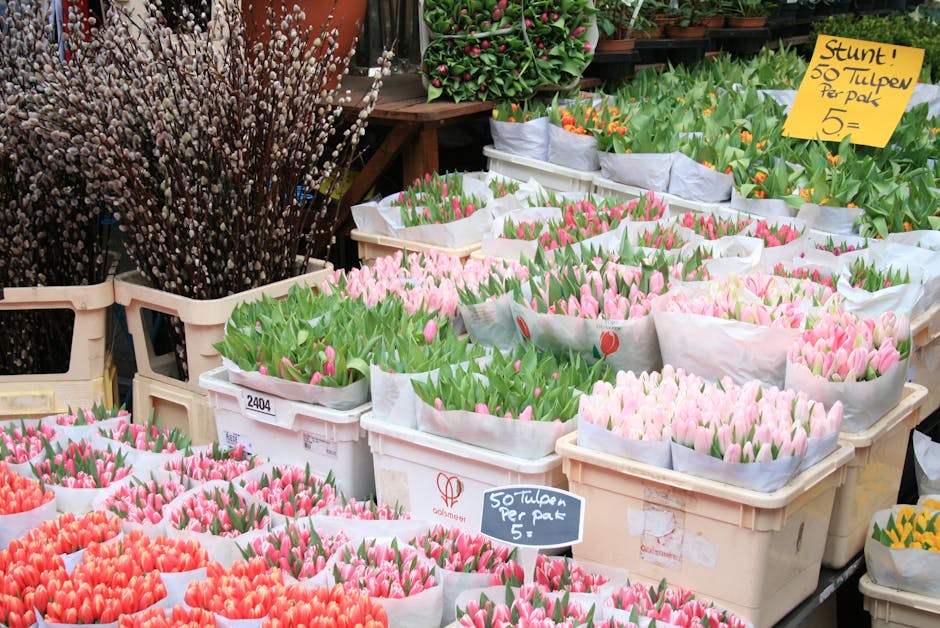
The single most important thing in De Pijp. Established 1905, the Albert Cuypmarkt is the largest open-air market in Amsterdam — 260 stalls running for almost a kilometre along Albert Cuypstraat, Monday to Saturday, 9am to 5pm.
Markets are a citywide habit here; if you like this one, our Amsterdam food and drink guide points you to others worth a morning.
- Original Stroopwafels (stand 144) — hot, hand-pressed, €2.50 each. Mandatory.
- Stubbe’s Haring — fresh Hollandse Nieuwe with onions and pickles. €4.50.
- De Tropische — Surinamese roti and bakabana for €8.
- Peruvian Latin Snacks — empanadas and chicha morada.
- Cheese stalls — vacuum-packed export Goudas at half souvenir-shop prices.
- Fish stand at the Sweelinckstraat end — kibbeling (battered cod) for €5.
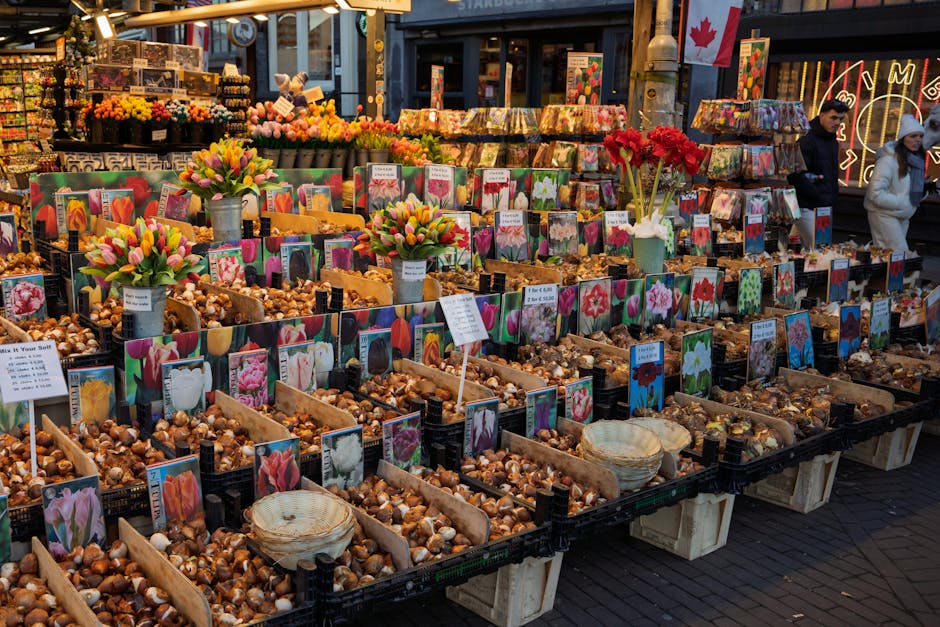
- Flower vendors — open Sunday, when the food market is closed.
Best time: Saturday morning around 11am when the market is full and locals come for groceries. Avoid Friday and Saturday afternoons in summer — extremely crowded.
Top Things to Do in De Pijp
1. Sarphatipark
De Pijp’s small park, named after the city planner Samuel Sarphati. Locals picnic, jog and walk dogs here. The fountain monument to Sarphati anchors the centre. A perfect 30-minute decompression after the Albert Cuyp market.
2. Heineken Experience
Stadhouderskade 78. The original 1867 Heineken brewery. €27.50 for a 90-minute tour with a beer at the end. Polarising — beer fans love it; everyone else can skip.
3. Amsterdam School Architecture Walk
The southern edge of De Pijp (Diamantbuurt and Nieuwe Pijp) is one of the city’s best-preserved Amsterdam School districts — the curving brick facades, ornamental ironwork and dramatic geometric windows of the 1910s–20s social-housing movement. Wander Smaragdstraat, Diamantstraat and Topaasstraat. Free; one of the city’s best architecture walks.
4. Cinema Rialto
Ceintuurbaan 338. Beautifully restored 1920s Art Deco cinema; arthouse and international films. €11. Worth it for the building alone.
5. CoBrA Cafe at the Cuyp
Long-established locals’ brown cafe at Albert Cuypstraat 16. Walk-in, no reservations. Stand at the bar with a Heineken and the market shouting outside.
6. Frans Hals Straat & Gerard Doustraat
Two parallel streets one block north of Albert Cuypstraat — independent boutiques, bookshops, vintage stores, design studios and the city’s best concentration of plant-shop windows. Browse on a weekday afternoon when shops are open and the streets are quiet.
7. Free Cycle of the Amsteldijk
De Pijp’s eastern edge runs along the Amstel river. A 30-minute cycle south takes you out of the city into the Amstelpark and beyond to the Amstelveen polders. Mac Bike rents from De Pijp metro for €11/day.
Best Brunch in De Pijp
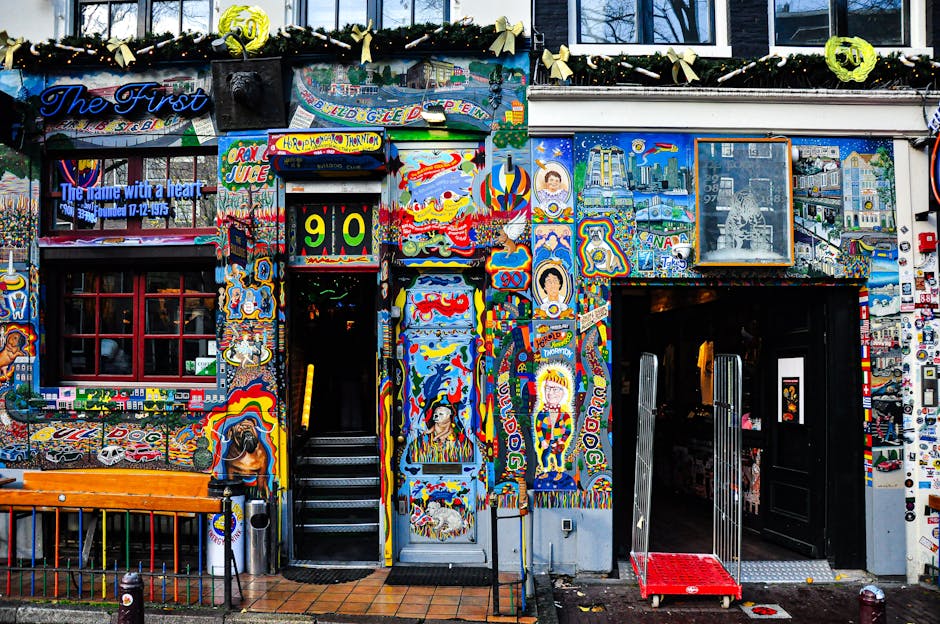
Twenty cafes within five minutes’ walk of Sarphatipark do excellent weekend brunch. The standout names:
- Little Collins (Eerste Sweelinckstraat 19) — Australian-style brunch institution. Eggs, smashed avo, ricotta hotcakes.
- Bar Bukowski (Oosterpark 10, just over the De Pijp border) — generous brunch plates, beautiful old-world interior.
- CT Coffee & Coconuts (Ceintuurbaan 282–284) — three-floor converted cinema, all-day brunch and tropical-tinged menu.
- Bakers & Roasters (Eerste Jacob van Lennepdwarsstraat 54) — Brazilian-NZ brunch, queues out the door.
- Scandinavian Embassy (Sarphatipark 34) — Scandi sandwiches and the city’s best lattes.
- Stach Food — quick, fresh, deli-style takeaway brunch.
- Cafe de Pijp (Ferdinand Bolstraat 17) — old-school local brown cafe with €15 hangover brunch.
Dinner in De Pijp
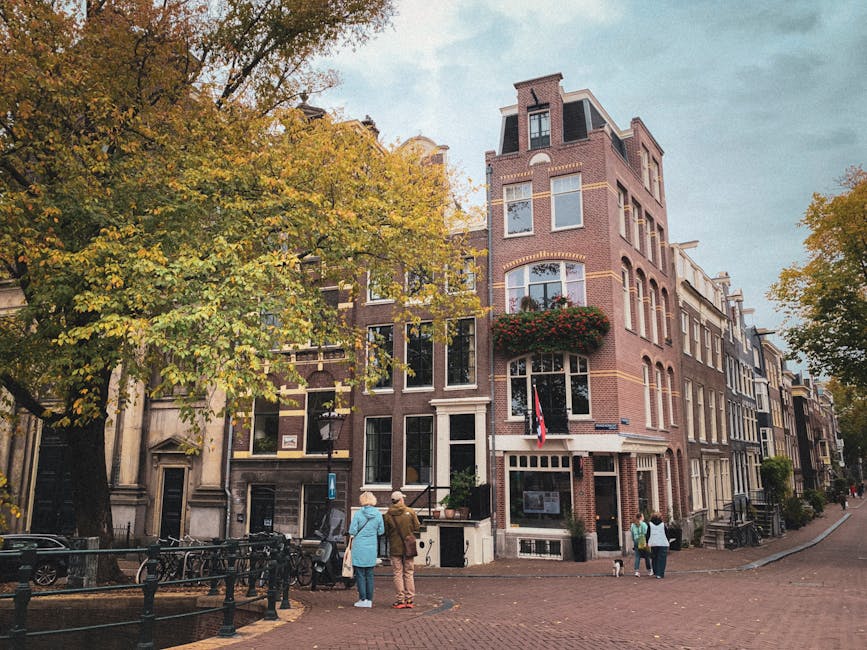
- Sinne (Ceintuurbaan 342) — Bib Gourmand modern European set menu, €40 for four courses.
- Volt (Ferdinand Bolstraat 178) — Mediterranean-leaning small plates; book ahead.
- Mannetje & Co (Ceintuurbaan 14) — late-night kitchen open until 2am; locals’ default for after-9pm dinner.
- Restaurant Hangar (Aambeeldstraat 36) — industrial waterside restaurant with sharing plates.
- Restaurant Garlic Queen (Reguliersdwarsstraat 27, on the De Pijp border) — every dish has garlic, including the dessert.
- Spaghetteria (multiple) — fresh Italian pasta from €14.50.
- Sir Hummus (Van der Helstplein 2) — best hummus in Amsterdam.
- Mastino V Pizza (Eerste Sweelinckstraat 41) — vegan Neapolitan pizza, no booking, queue at 6.30pm.
De Pijp Brown Cafes & Bars
- Cafe Krull (Sarphatipark 2) — corner brown cafe, terrace, locals.
- Cafe Berkhout (Stadhouderskade 77) — straight-up old Amsterdam brown bar at the De Pijp border.
- Bar Boca’s (Sarphatipark 4) — small-plate "bar food" with extensive natural wine list.
- Bar Lempicka — Stadhouderskade 144; canal-side bar with cocktails and Eastern European-inspired bites.
- Cafe Brouwerij Troost (Cornelis Troostplein 23) — local craft beer brewery and food.
- The Butcher’s Tears (Karperweg 45, just over the De Pijp border) — small craft brewery taproom.
Shopping in De Pijp
- Albert Cuyp Market — for groceries, cheese, flowers and Dutch souvenirs.
- Gerard Doustraat & Frans Halsstraat — independent boutiques.
- De Hallen (over the canal in Oud-West but easy walk) — weekend designer markets.
- Studio Ferré — small-batch home and ceramics.
- Klamboe — Indonesian textiles and rattan.
- Hutspot (Van Woustraat 4) — concept store with rotating brands.
Where to Stay in De Pijp
- Sir Albert Hotel (Albert Cuypstraat 2–6) — 4-star design hotel right at the market.
- Hotel V Frederiksplein (Weteringschans 136) — boutique-feel mid-range.
- Hotel Okura (Ferdinand Bolstraat 333) — luxury high-rise with two Michelin-starred Japanese restaurants.
- The Manor Amsterdam (Linnaeusstraat 89) — converted hospital, vast public spaces.
- Bicycle Hotel Amsterdam (Van Ostadestraat 123) — budget-friendly local guesthouse.
- easyHotel City Centre South — cheapest decent option in De Pijp.
For more options, see our Where to Stay in Amsterdam guide.
Not sold on De Pijp as a base? Weigh it against the calmer Jordaan, the central Canal Ring (Grachtengordel) or our broader guide to the best areas for first-time visitors.
A Half-Day De Pijp Walking Route
- 9.30am — Coffee at Scandinavian Embassy or Little Collins.
- 10.30am — Walk Albert Cuyp Market end-to-end. Stop for a fresh stroopwafel and a herring.
- 12.30pm — Sarphatipark stroll.
- 1.00pm — Lunch at Sir Hummus or Bar Bukowski.
- 2.30pm — Frans Halsstraat / Gerard Doustraat boutique shops.
- 4.00pm — Amsterdam School architecture walk through Diamantbuurt.
- 5.30pm — Beer at Cafe Brouwerij Troost or Bar Boca’s.
- 7.30pm — Dinner at Sinne or Volt.
- 10pm — Late drink at Mannetje & Co or back at Cafe Berkhout.
Practical Tips
- Saturday morning at Albert Cuyp is mandatory but crowded. Sunday is closed.
- Most De Pijp brunch spots don’t take reservations. Arrive at opening (9am) on weekends.
- Tram 4 from Centraal is the fastest way in (10 minutes); metro 52 from Centraal to De Pijp is even faster (8 minutes).
- Most independent shops open at 11am and stay open late afternoon.
- Bike-rental shops cluster near De Pijp metro and Stadhouderskade.
- Saturday evenings on Ferdinand Bolstraat get rowdy — choose your dinner restaurant carefully.
Albert Cuyp Market: how to do it well
The Albert Cuypmarkt is the spine of De Pijp and the largest day market in the Netherlands, running along Albert Cuypstraat six days a week (typically Monday to Saturday, daytime – check current hours). It started in the early twentieth century and still mixes everyday shopping with snacks aimed squarely at hungry passers-by. Locals come for cheap fruit, fabric, flowers and household bits; visitors come to eat.
Go in the morning if you want it calmer and the produce at its freshest; by mid-afternoon the crowds thicken and some stalls start packing up. The thing to try is a stroopwafel pressed fresh in front of you – warm, syrupy and worth the small queue. Beyond that, graze: raw herring with onions if you are feeling brave, a paper cone of fries with mayo, Dutch cheese samples, or a Surinamese or Turkish snack from one of the food stands. Bring a bit of cash; not every stall takes cards, and prices are usually a euro or few per snack rather than a sit-down sum.
The food scene: cheap, global and genuinely good
De Pijp earned its reputation on food, and the mix reflects the area’s history as a working-class, immigrant neighbourhood. You will find Surinamese roti and broodjes, Turkish and Moroccan grills, Syrian and Lebanese spots, Italian trattorias, ramen bars and a steady supply of brunch cafes. The streets around the Albert Cuyp – Ferdinand Bolstraat, Gerard Doustraat and the Frans Halsbuurt – are where to wander when you are hungry and undecided.
Prices skew friendlier than the city centre. A casual lunch might run around EUR 8-14, a relaxed dinner around EUR 20-35 a head before drinks, and a beer on a terrace a few euros – all of which moves, so treat these as rough markers and check menus. Tables at the more hyped brunch and dinner spots fill up at weekends; either book ahead or eat early. For a wider tour of Dutch dishes and where to find them, the food and drink guide is a useful companion.
Sarphatipark and a slower side of De Pijp
A block south of the market, Sarphatipark is the neighbourhood’s green lung – smaller and less manicured than Vondelpark, but that is part of the charm. On a sunny day it fills with locals reading, picnicking and walking dogs, and it is the natural place to recover after the market with a coffee and a stroopwafel. The park is named after Samuel Sarphati, a nineteenth-century physician and city planner, and a small monument sits at its heart.
De Pijp is not all bustle. Step a few streets off the main drags and you get quiet brick terraces, the gentle curves of Amsterdam School architecture, and the Amsteldijk along the river, which makes for an easy, flat cycle. It is a neighbourhood that rewards a bit of aimless wandering once you have done the obvious sights.
From clay pits to creative quarter: a little history
De Pijp was built fast in the late nineteenth century as cheap housing for a growing working class, on former clay-pit and market-garden land south of the old city. The narrow plots and long, straight streets – the source of the name, which loosely evokes a pipe – gave it a dense, sociable feel from the start. Waves of newcomers, including a large Surinamese community from the 1970s, turned it into one of Amsterdam’s most mixed neighbourhoods, and that diversity is exactly what you taste on the market today.
For decades De Pijp was scruffy and affordable; more recently it has gentrified, with rising rents, smarter cafes and a steady stream of visitors. Some locals grumble that it has lost a little of its edge, and they are not wrong – but it remains far more lived-in than the canal belt, and the market keeps its feet on the ground. Knowing the backstory makes a wander here more rewarding than just ticking off snacks.
Getting to De Pijp and the best time to go
De Pijp sits just south of the canal belt, a 15-20 minute walk from Dam Square or a short tram or bike ride. Trams 3, 4, 12 and 24 all serve the area, and the metro stops at De Pijp station; the getting around Amsterdam guide explains tickets, the GVB network and cycling if you are unsure. Cycling is arguably the nicest way to arrive – the ride down through the canal ring is half the fun.
For the market and the buzz, weekday mornings and Saturdays are best. Sundays are quieter, with the market closed but cafes and the park still humming. Late spring through early autumn brings the terraces to life; in colder months the appeal shifts indoors to the brown cafes and warm kitchens. If you want a different mood entirely on the same trip, hop the free ferry to Amsterdam-Noord for art and river views, or wander the Jordaan for a calmer, prettier afternoon.
One practical note: De Pijp works best on foot once you arrive. The market street and the squares around it are pedestrian-friendly, parking is a headache, and bikes are easy to lock up. If you are staying elsewhere, aim to roll several things into one visit – market, park, lunch and an early-evening drink – rather than dashing in and out, because the pleasure here is in lingering.
After dark: bars, brown cafes and going out
When the market packs up, De Pijp shifts gears rather than switching off. The area has a relaxed but real nightlife: old-school brown cafes with creaking floors and Dutch beer, natural-wine bars, cocktail spots and a scattering of late kitchens. It pulls a young, local-leaning crowd, so it rarely feels like a tourist trap, and you can have a big night or just a quiet pint depending on the street you pick.
Good hunting grounds are the blocks around the Albert Cuyp once the stalls clear, plus the bars dotted along Ferdinand Bolstraat and the side streets near Sarphatipark. The Heineken Experience anchors the western edge if you want the big-brand brewery tour, but the smaller independent bars are where the neighbourhood’s character lives. As anywhere, last trams and metros stop around midnight; check times or plan to cycle or walk back.
A simple way to do De Pijp in a day: market and stroopwafel in the morning, lunch from a stall or a small kitchen, an hour in Sarphatipark, an aimless wander through the quieter streets in the afternoon, then a terrace beer rolling into dinner and a brown-cafe nightcap. It is one of the easiest neighbourhoods in the city to enjoy without a fixed plan.
Who De Pijp suits (and who it might not)
De Pijp is a strong base if you are a foodie, a first-timer who wants somewhere lively but not as crowded as the old centre, or a traveller who likes feeling part of a real neighbourhood. It is well connected, full of places to eat, and a short hop from the major sights. Compared with the Canal Ring, you trade postcard views for better-value dining and a younger, looser energy.
It is less ideal if you want absolute quiet, classic canal-house scenery on your doorstep, or a museum-quarter calm – in which case Oud-Zuid or the Jordaan may suit you better. Light sleepers should pick a street away from the busiest market and nightlife blocks. As always, weigh it against the alternatives in our first-timer neighborhood guide before you book.
De Pijp Amsterdam: FAQ
Is De Pijp worth visiting?
Yes. De Pijp is consistently ranked the most authentic-feeling neighbourhood in central Amsterdam, anchored by the country’s biggest open-air market and the city’s best brunch scene.
How do you pronounce De Pijp?
Roughly "de pipe" — "de" like the start of "debate" and "pijp" with a long "eye" sound, almost "pipe."
Is De Pijp a good area to stay in Amsterdam?
Excellent — central, well-connected, residential character, great food scene. Good for couples and food lovers; less ideal if you want to stay right on the canal belt.
What’s the best day to visit Albert Cuyp Market?
Saturday morning, 9.30am to 12pm, when the market is full and locals are shopping. Sundays the food market is closed.
How long does it take to explore De Pijp?
Half a day for the market + park + lunch + a quick architecture walk. A full day if you want to brunch, walk the architecture, shop the side streets and sit down to a proper dinner.
Is De Pijp safe at night?
Yes — De Pijp is one of the safest central Amsterdam neighbourhoods. Streets stay populated until at least 1am thanks to the dense restaurant and bar scene.
Final Thoughts
De Pijp doesn’t have a single tourist must-see attraction. That’s the point. It’s the neighbourhood you visit to eat, drink, walk a market, sit on a terrace and feel like you’re seeing how Amsterdam actually lives. Build it into your trip as a half-day or full-day diversion from the canal-belt sights and it’ll quietly become the bit you remember most fondly.
For more, see our Amsterdam Neighborhoods Guide, our Jordaan Guide, and our Amsterdam Food & Drink Guide.
The old brewery on the neighbourhood’s northern edge draws more visitors than anything else in De Pijp — our verdict on whether the Heineken Experience is worth the ticket is not a straightforward yes.
De Pijp has the highest concentration of brunch in the city — Bakers & Roasters, Little Collins, Miri Mary and more. Our guide to the best brunch in Amsterdam sorts them out and explains how to beat the weekend queue.
Sarphatipark has the city’s benchmark coffee bar on its edge — our Amsterdam specialty coffee guide covers Scandinavian Embassy, Elevate and the rest of the neighbourhood’s coffee-first rooms.