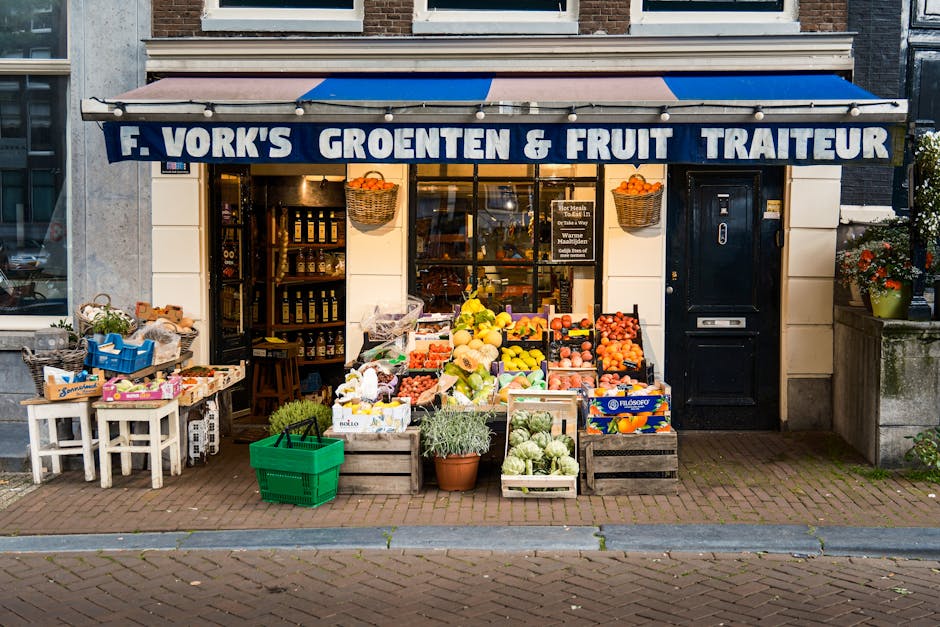
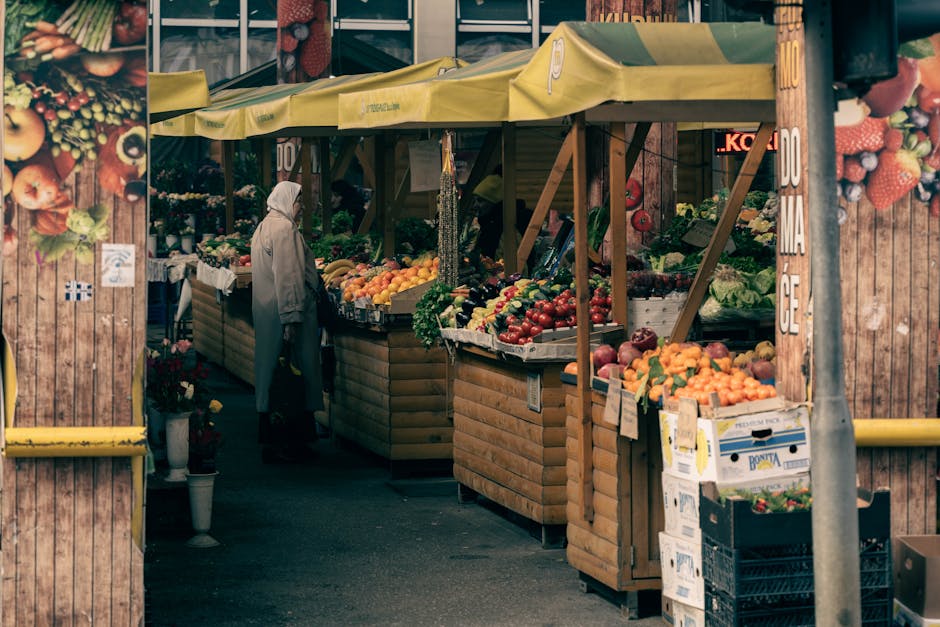
The Albert Cuyp Market in De Pijp is the largest daily outdoor market in Europe, the heart of the neighbourhood where Amsterdammers actually shop, and one of the city’s most fun cheap-eat destinations. 260+ stalls run nearly a kilometre along Albert Cuypstraat, 6 days a week. This complete guide covers everything: the best stalls (stroopwafel at #144, herring at the Sweelinckstraat end), how to navigate it, what’s worth buying, where to eat, opening hours, and the local etiquette that separates first-time tourists from regulars.
Albert Cuyp Market at a Glance
- Where: Albert Cuypstraat, De Pijp neighbourhood (between Ferdinand Bolstraat and Van Woustraat).
- Hours: Monday–Saturday, 9:00 AM – 5:00 PM. Closed Sundays.
- Length: nearly 1 km of stalls.
- Stalls: 260+ vendors selling food, clothing, flowers, accessories, household goods.
- Established: 1905.
- Cost: free to enter; pay-per-stall.
- Getting there: tram 4 from Centraal to Albert Cuypstraat (10 min); metro 52 to De Pijp (8 min) then 4-min walk.
Must-Try Foods
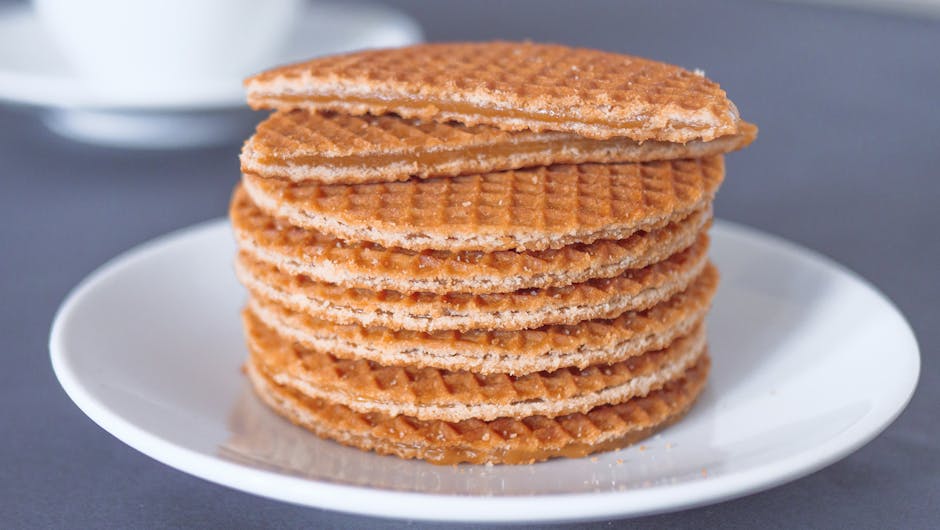
- Hot stroopwafel at Original Stroopwafels (stand 144) — €2.50, hand-pressed in front of you. Mandatory.
- Fresh herring at the fish stand near Sweelinckstraat — €4.50; eat traditionally with onion and pickle.
- Kibbeling (battered cod chunks) at the fish stand — €6 for a generous portion.
- Poffertjes — tiny puffy pancakes with butter and powdered sugar from the dedicated poffertjes truck. €5.
- Surinamese roti at De Tropische — chicken or vegetarian roti with potato. €8.
- Vietnamese spring rolls — fresh-rolled at the Vietnamese stand. €5 for 3.
- Olijven van Antonio — olive bar with 40+ varieties. €3-5 per cup.
- Turkish gözleme — stuffed flatbreads cooked to order. €6-8.
- Cheese tasters from the cheese stalls — free samples; vacuum-pack export wheels.
- Drop (Dutch licorice) from the candy stand — sweet, salty, double-salty, ammonia. €3-5 a bag.
Cheese: What to Buy & How
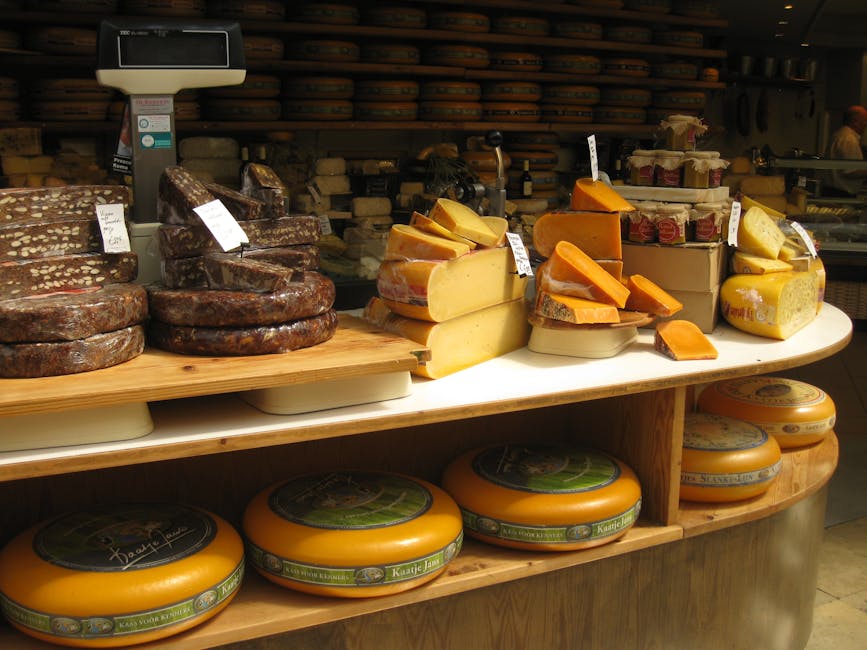
- Gouda: ages range from jong (4 weeks, mild) to overjarig (12+ months, sharp).
- Old Amsterdam: 18-month sharp brand, sold in branded foil.
- Beemster: premium polder cheese; the "5-year-aged" is the best.
- Smoked Gouda: cold-smoked over beech; €15-20 per kg.
- Goat cheese: Cabri d’Or and other Dutch goat varieties.
- Free vacuum-pack: any stall will pack purchases for travel. Cheese keeps unrefrigerated 2-3 weeks.
- Ask for samples: stallholders cut small wedges for tasting; expected and free.
- Prices: roughly half what Damrak souvenir shops charge.
Non-Food: What’s Worth Browsing
- Flowers: cheaper than Bloemenmarkt and grown in Holland. €5-10 for a fresh bouquet.
- Tulip bulbs: certified for export from a few specific stalls. €5-15 a bag.
- Spices: bulk-bin Middle Eastern and Surinamese spices at half supermarket prices.
- Fabric: African and Indian textiles by the metre.
- Costume jewellery and accessories: belts, scarves, bags. Negotiable.
- Discount toiletries: deodorants, soaps, shampoos at 30-50% off supermarket prices.
- Stroopwafel tins: branded gift packs for €5-7.
- Wooden clog slippers: novelty house slippers from the souvenir stalls.
Best Time to Visit
- Saturday 10am-12pm: market at full energy, locals shopping for groceries.
- Tuesday/Wednesday late morning: quietest, most relaxed; stallholders chat.
- Friday afternoon: busiest weekday — work-from-home De Pijp residents.
- Avoid 4pm Saturdays: stalls breaking down, food running out.
- Avoid summer mid-afternoon: cruise-ship coach tours pour in 12-3pm.
- Closed Sundays: plan accordingly.
Navigating the Market
The market runs from the Ferdinand Bolstraat end (east) to the Van Woustraat end (west). The full walk takes 15-25 minutes one way without stopping. Best strategy:
- Enter from Ferdinand Bolstraat (tram 24).
- Walk the entire length once just to see what’s there.
- Loop back stopping at favourites.
- Fish stalls and cheese cluster in the middle (around the Govert Flinckstraat intersection).
- Stroopwafels at stand 144 are roughly 60% of the way down.
- Exit at Van Woustraat (tram 4) or take a left into Gerard Doustraat for boutique shopping.
What’s Around the Market
- Sarphatipark — De Pijp’s small green park, perfect after-market decompression.
- Heineken Experience — 10-minute walk west on Stadhouderskade.
- Frans Halsstraat & Gerard Doustraat — independent boutiques running parallel to Albert Cuyp.
- Cafe Krull (Sarphatipark 2) — locals’ brown cafe one block away.
- Bakers & Roasters (Eerste Jacob van Lennepdwarsstraat 54, 15 min walk) — brunch institution.
- Sir Hummus (Van der Helstplein) — best hummus in Amsterdam.
- De Pijp metro station — 4 min walk; metro 52 to Centraal in 8 min.
Practical Tips
- Bring cash: most stalls accept cards but smaller ones are cash only.
- Most stalls accept Maestro/Dutch debit; foreign Visa/Mastercard sometimes rejected. Carry €50 cash.
- Toilets: limited. Best bet is Albert Heijn supermarket on Ferdinand Bolstraat (€1) or a café.
- Watch your bag: pickpockets work the crowded mid-day weekends.
- No haggling on food — prices are fixed.
- Haggling possible on clothing and accessories, especially toward end of day.
- Don’t photograph stallholders without asking; some don’t like it.
- Albert Heijn supermarket on the corner of Ferdinand Bolstraat is for grocery items the market doesn’t sell.
- Bring a foldable shopping bag: stalls charge €0.30 for plastic.
A Brief History
- 1905: Albert Cuyp Market established as a daily street market in the newly built De Pijp working-class neighbourhood.
- Named after Albert Cuyp (1620-1691), a Dutch Golden Age painter from Dordrecht.
- 1920s-30s: market expanded as De Pijp became Amsterdam’s densest immigrant district (Surinamese, Turkish, Moroccan).
- Today: ~280 vendors with permits; many have run their stalls for 30-50 years; some are 3rd-generation traders.
- Designated as cultural heritage by Amsterdam in 2018.
- Annual market festival: 4 days of music, food and dancing every October.
Albert Cuyp vs Other Amsterdam Markets
- Albert Cuyp: largest, daily, all categories. Best for first-time visitors.
- Noordermarkt (Saturday): smaller, artisan-leaning, organic food, farmers’ market vibe.
- Westerstraat (Monday): textile and Surinamese food.
- Dappermarkt in East: most authentic local feeling, mixed Surinamese/Turkish/Dutch.
- IJ-Hallen (NDSM, monthly): Europe’s largest flea market.
- Waterlooplein: daily flea market behind City Hall; junk and treasures mixed.
Albert Cuyp Market: FAQ
What are Albert Cuyp Market hours?
Monday–Saturday 9:00 AM – 5:00 PM. Closed Sundays.
How do I get to Albert Cuyp Market?
Tram 4 from Centraal direct; metro 52 to De Pijp; trams 14, 24 also stop nearby.
What’s the best thing to buy at Albert Cuyp?
Hot stroopwafel from stand 144, fresh herring, vacuum-packed Gouda cheese, and tulip bulbs.
How long does it take to walk Albert Cuyp Market?
15-25 minutes one way without stopping. With stops: 60-90 minutes.
Is Albert Cuyp Market touristy?
Yes, but locals also shop there daily — the food and produce stalls are predominantly for residents. The souvenir/clothing stalls are more tourist-leaning.
Can I haggle at Albert Cuyp?
Food and produce prices are fixed. Clothing, accessories and bric-a-brac stalls will sometimes negotiate, especially after 4pm.
What’s the best day to visit?
Saturday morning 10am-noon for full energy and local shoppers. Tuesday/Wednesday late morning for quieter visits.
Final Thoughts
Albert Cuyp Market is one of the easiest, cheapest, most fun things to do in Amsterdam. Visit on a Saturday morning, walk the full length, stop for a hot stroopwafel, a herring and a kibbeling, then cross Sarphatipark for a coffee at Cafe Krull. It’s the most authentic-feeling local experience you can have without leaving central Amsterdam.
For more, see our Amsterdam Shopping Guide, our De Pijp Amsterdam Guide, and our Amsterdam Food & Drink Guide.