This article contains advertising. Our booking links are routed through a partner that adds commission tracking automatically, so if you book through one we earn a commission from the provider, at no extra cost to you. It never affects what we recommend. Affiliate disclosure
This is the booking desk for the whole city: what every major Amsterdam attraction actually costs in 2026, how far ahead you genuinely need to reserve, which tickets sell out and which ones you can still buy on the pavement outside, and where the passes save money rather than just feeling like they do. Every price below is the adult online rate checked in September 2026, quoted in euros, with the caveat that Dutch attractions revise their tariffs in January and several of them now use demand pricing that moves within a single week.
Start here. Search for Amsterdam attractions tickets and you will be buried in resellers, bundle pages and “skip the line” upsells for places that have no line. The truth is narrower and more useful: roughly four attractions in this city are genuinely hard to get into, another six benefit from booking a day or two ahead, and everything else you can walk up to. Knowing which is which is worth more than any discount code. We will also tell you, repeatedly, when something is not worth the money — the Heineken Experience and the A’DAM swing both have real arguments against them, and you should hear those before you pay.
Amsterdam attractions at a glance: prices and booking windows
Adult, online, September 2026. “Book ahead” is our verdict rather than the operator’s marketing — several places tell you to reserve when you really do not need to.
| Attraction | Adult price | How far ahead to book | Time needed |
|---|---|---|---|
| Rijksmuseum | €25 | 3–7 days (timed entry) | 2.5–4 hrs |
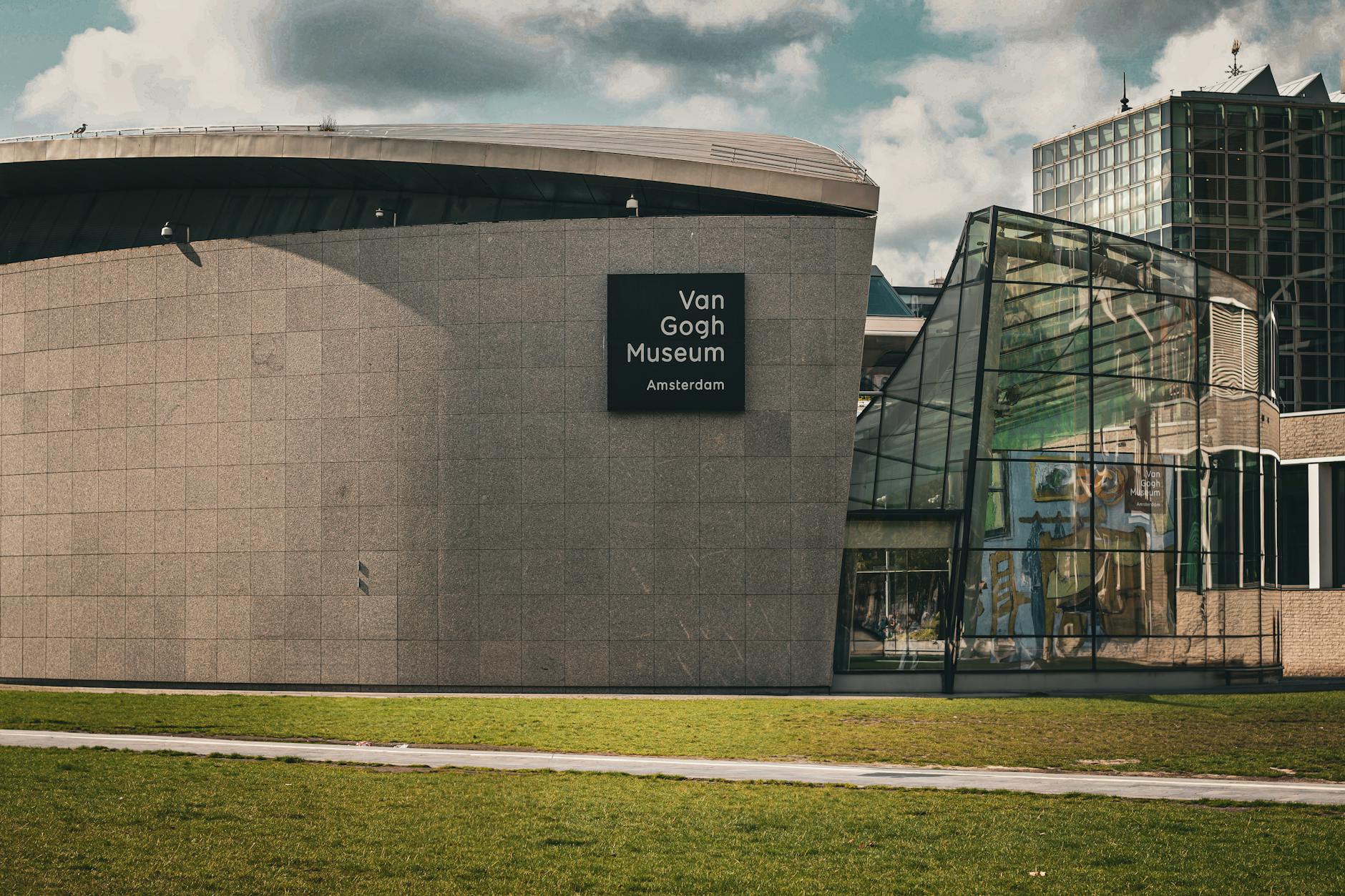
| Van Gogh Museum | €25 | 1–2 weeks; 3–4 for weekend mornings | 2–3 hrs |
| Anne Frank House | €16.50 | Six weeks — released in batches, sells out in minutes | 1.5 hrs |
| Stedelijk Museum | €22.50 (€32.50 during Kusama) | Day before, or walk up | 2 hrs |
| Moco Museum | €17.95–€21.95 | 2–3 days in high season | 1–1.5 hrs |
| Heineken Experience | From €24.95 | Day before | 1.5–2 hrs |
| ARTIS Royal Zoo | €29.50 (13+) | Walk up, except school holidays | Half a day |
| Micropia | €17.50 extra (13+) | Buy with your ARTIS ticket | 1–1.5 hrs |
| NEMO Science Museum | €21.50 (age 4+) | Walk up, except rainy school holidays | 3 hrs |
| A’DAM Lookout | €16.50, swing +€7.50 | Walk up; book for sunset slots | 1 hr |
| Rembrandt House | Around €20 | Walk up | 1.5 hrs |
| Canal cruise | €18–€30 | Same day, except evening cruises | 1–1.5 hrs |
The only four things you truly have to book in advance
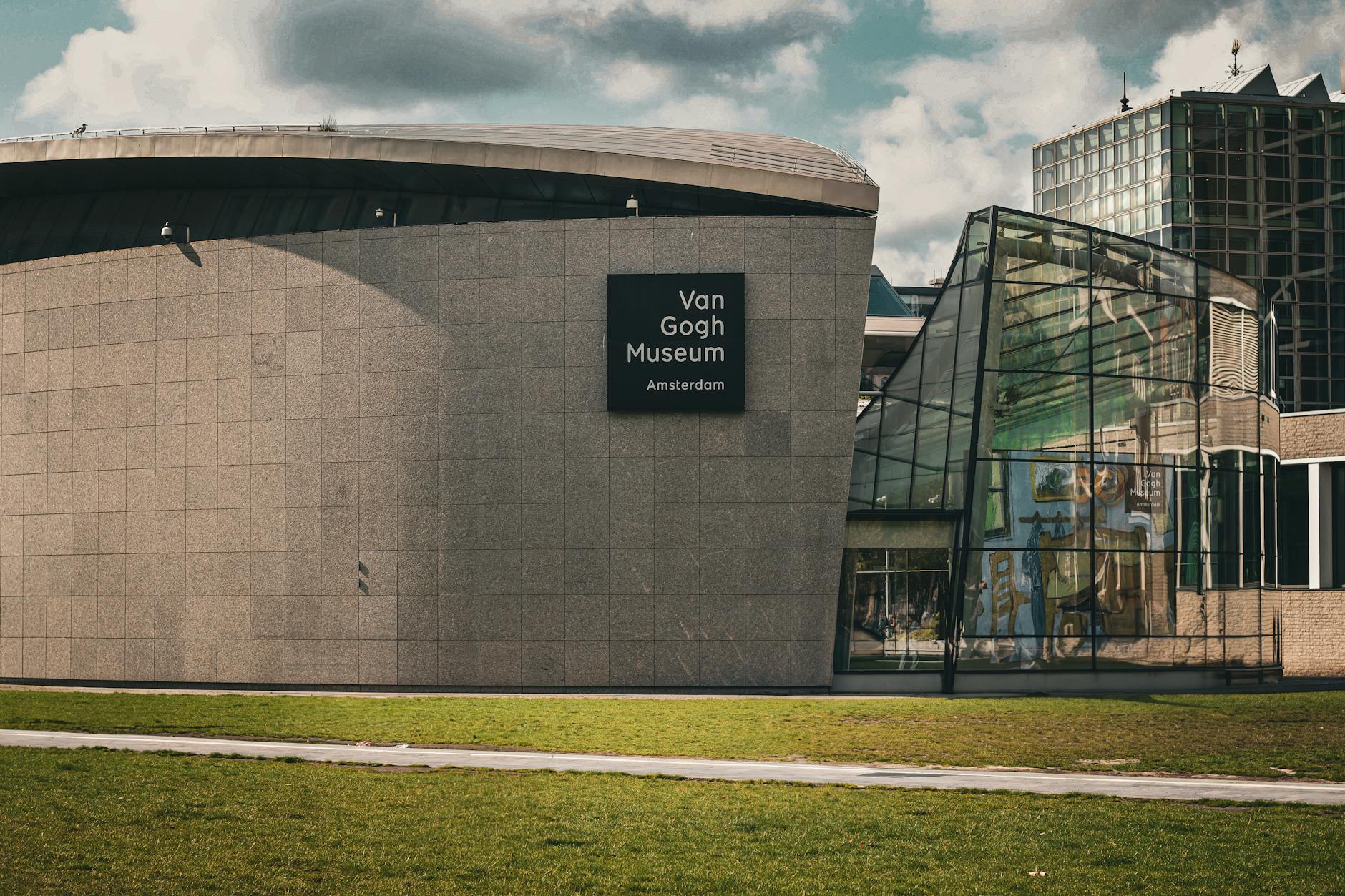
Amsterdam has a reputation for being impossible to get into. That reputation rests on a handful of venues, and if you handle those four the rest of the trip stops being a logistics problem.
Anne Frank House — the hardest ticket in the Netherlands
Tickets cost €16.50 for adults, €7 for ages ten to seventeen and €1 for children under ten. They are sold exclusively online through the museum’s own site, released in timed batches roughly six weeks ahead, and a release can be gone inside ten minutes on a summer weekend. There is no ticket desk, no queue you can join and no reseller who legitimately holds inventory — anyone advertising guaranteed same-week entry at a markup is selling you a tour that stands outside the building. Add the thirty-minute introductory programme for €7 if you are travelling with teenagers; it does the historical framing the house itself deliberately does not.
Our full walkthrough of the release schedule, the practicalities of the vertical staircases and what the visit is actually like sits in the Anne Frank House visitor guide. If you miss the release entirely, the Jewish Cultural Quarter tells a broader and less crowded version of the same history, and the wartime history of the city is the single most under-visited serious subject here.
Van Gogh Museum — timed entry, no exceptions
€25, and every single visitor needs an online ticket for a specific time slot. There is no walk-up option and no ticket window that will sell you one on the day. Between April and October, book one to two weeks out; weekend morning slots regularly disappear three to four weeks ahead. Tiqets and GetYourGuide hold separate allocations from the official site, so a sold-out day on one is worth re-checking on the others before you give up.
Everything on slots, the collection floor by floor and which hour of the day is bearable is in our Van Gogh Museum guide.
Rijksmuseum — bookable, but not urgent
€25 and also timed entry, though the museum is enormous and absorbs crowds in a way the Van Gogh cannot. Three to seven days ahead is plenty outside the Christmas and Easter peaks. The Night Watch hall is the bottleneck; the Asian Pavilion and the eighteenth-century rooms are often nearly empty at the same moment.
The room-by-room route, the queue mechanics and what to skip are in our Rijksmuseum guide.
Anything with a fixed departure
Evening canal cruises, Light Festival boats, day trips to Keukenhof in tulip season and Giethoorn in July all run on fixed departures with finite seats. These sell out not because demand is extraordinary but because supply is a boat. Book the day before at minimum. Our comparison of the operators, hull types and which routes are worth the money is in Amsterdam canal cruises compared, and the seasonal timing is covered in the what to book in advance timeline.
The Museumplein museums
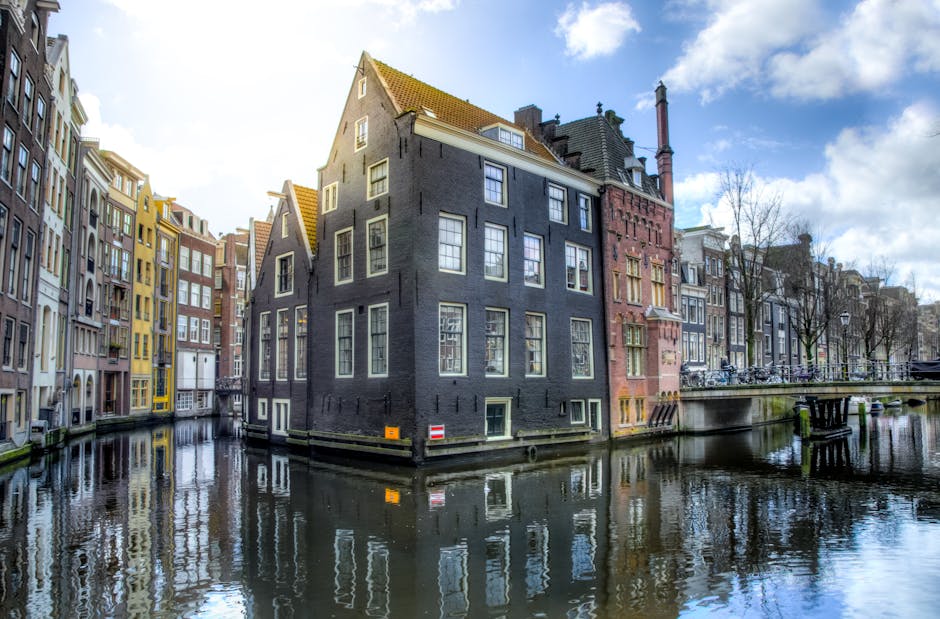
Three major institutions share one grass square in the Museum Quarter, and a fourth sits on its edge. Doing all of them in one day is possible and almost always a mistake: two is the honest maximum before the paintings stop registering.
Rijksmuseum
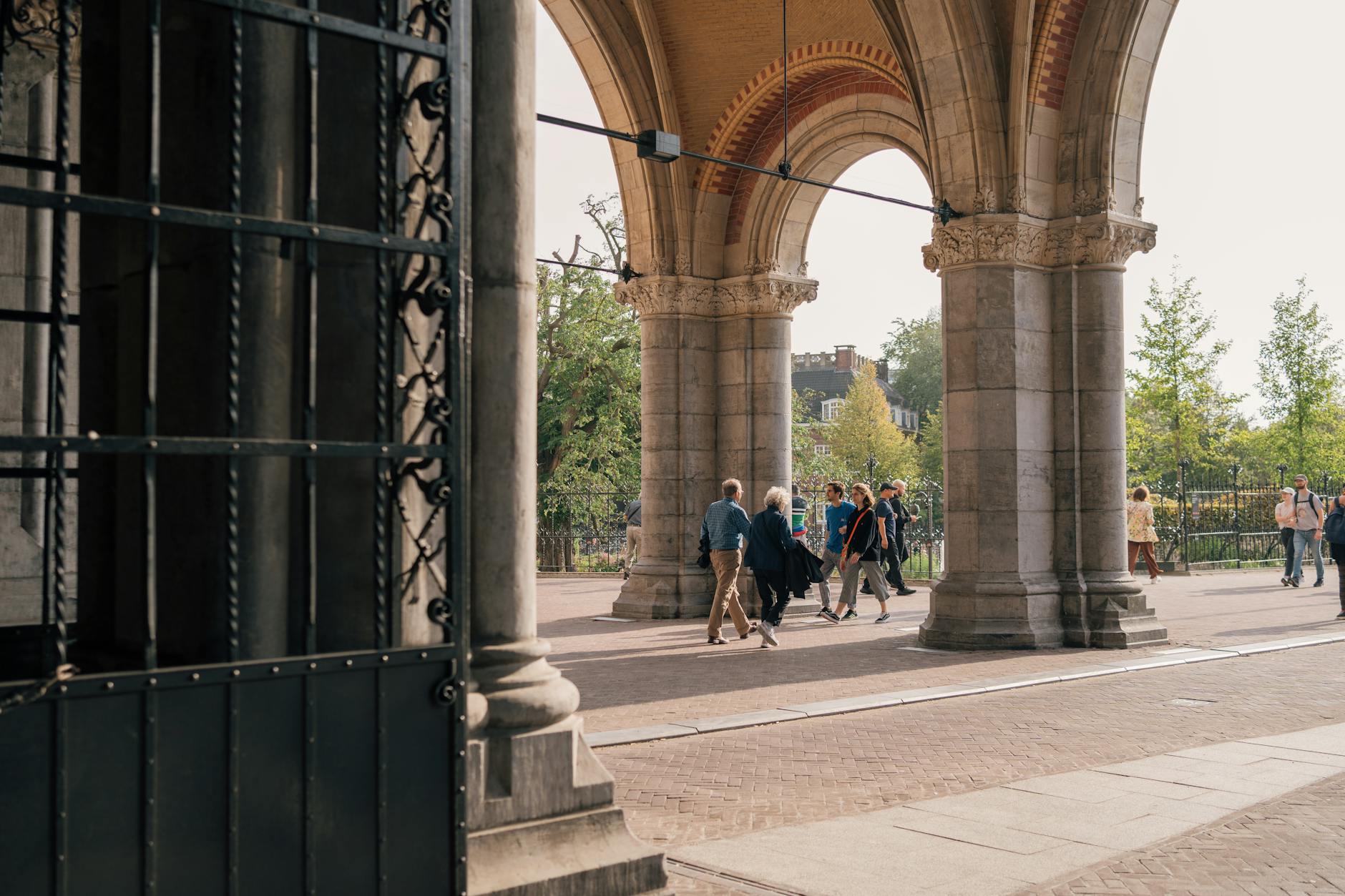
The national collection, 800 years of Dutch art and history in a building that is itself a nineteenth-century argument about what a museum should be. The Night Watch, four Vermeers, Delftware, ship models, a functioning library. Budget three hours minimum. Entry is from the Museumstraat passage underneath the building — the tunnel cyclists use, which is worth seeing on its own.
Van Gogh Museum
The largest collection of Van Gogh’s work anywhere, arranged chronologically so the arc from the muddy Nuenen years to the Auvers wheatfields lands with real force. Smaller than the Rijksmuseum and consequently more crowded per square metre. Two hours is right.
Stedelijk Museum
Modern and contemporary — Malevich, De Stijl, Karel Appel, and a design collection most cities would build a separate museum around. €22.50 normally, rising to €32.50 for the Kusama retrospective running from 11 September 2026 to 17 January 2027. The building, half nineteenth-century brick and half white composite bathtub, divides opinion permanently.
Our Stedelijk Museum guide covers the collection, the temporary shows and whether the Kusama surcharge is justified.
Moco Museum
A townhouse on the same square showing Banksy, Basquiat, Kusama and a basement of immersive digital work. €17.95 to €21.95 depending on the slot. It is the most Instagram-shaped museum in Amsterdam and it knows it — which does not make the Banksy holdings any less real. An hour, maybe ninety minutes.
More on the collection, the digital rooms and whether it earns its price in our Moco Museum guide.
Attractions that are not museums
A’DAM Lookout
€16.50 for the observation deck on top of the A’DAM Toren in Amsterdam Noord, plus €7.50 for Over The Edge, billed as Europe’s highest swing. The view is genuinely the best in the city — you see the whole canal ring laid out, the harbour, the flat green country to the north. Getting there is free: the Buiksloterweg ferry leaves from behind Centraal Station every few minutes and costs nothing.
Whether the swing is worth €7.50 and which time of day to go up is in our A’DAM Lookout guide.
Heineken Experience
From €24.95 for the tour with one beer, €29.95 for the version that adds a rooftop and a second drink, €65 for a VIP tour with a guide, five beers and Dutch bites. It occupies the original 1867 brewery on the Stadhouderskade, which stopped brewing in 1988. That last fact is the whole review: this is a brand museum, not a working brewery. If you want beer made in Amsterdam this week, Brouwerij ‘t IJ under the De Gooyer windmill charges nothing to walk in — see our craft beer and brewery guide.
We take the argument apart properly in is the Heineken Experience worth it.
ARTIS Royal Zoo and Micropia
€29.50 for anyone over thirteen, with Micropia — a museum devoted entirely to microbes — a separate €17.50. ARTIS opened in 1838 and it shows in the best way: nineteenth-century pavilions, enormous trees, a butterfly house, an aquarium and a planetarium. It is as much a city park as a zoo, which is why locals buy annual passes and read books there.
Our ARTIS and Micropia guide covers the route, feeding times and whether Micropia works for younger children.
NEMO Science Museum
€21.50 for everyone aged four and up, in Renzo Piano’s green copper ship rearing out of the Oosterdok. Five floors of things children are allowed to break, plus a stepped roof terrace that is free to walk up even without a ticket — one of the best free viewpoints in the centre. This is the definitive rainy-afternoon answer for families.
Full details, including which floors suit which ages, in our NEMO Science Museum guide.
Rembrandt House Museum
The house on Jodenbreestraat where Rembrandt lived and worked for twenty years before bankruptcy took it from him, reconstructed room by room from the inventory the bailiffs made. Around €20. The etching and paint-grinding demonstrations run several times daily and are the reason to go — you leave understanding how the pictures were physically made.
The house itself, room by room, is covered in our Rembrandt House Museum guide; for the life and the paintings scattered across the city, start with the Rembrandt in Amsterdam guide.

Passes: Museumkaart, I amsterdam City Card, or neither
This is where most visitors lose money, because both cards are sold as obvious savings and neither is obviously anything.
Museumkaart — €75
A year’s entry to more than 500 Dutch museums, including the Rijksmuseum, Van Gogh Museum, Stedelijk, Rembrandt House and the Anne Frank House. At €75 it pays for itself after three big museums, which makes it the best value on this page by a wide margin — with one enormous caveat. The permanent card is posted to a Dutch address. The version you can buy and use on the same day, at a museum desk, is a temporary card capped at five visits within 31 days. For a five-day trip that cap is irrelevant and the card is a straightforward win. Note that a Museumkaart still does not bypass timed entry: you reserve a free slot using the card number.
Under-19s pay €39, but since under-18s already enter the three Museumplein giants free, the children’s card only makes sense for a longer stay in the Netherlands.
I amsterdam City Card — €67 to €140
€67 for 24 hours, €94 for 48, €115 for 72, €130 for 96 and €140 for 120. It bundles museum entry with unlimited GVB public transport and a canal cruise. Two exclusions do most of the damage: it has not covered the Van Gogh Museum since 1 June 2022, and it has never covered the Anne Frank House. Those are the two attractions most visitors most want. It can still work for a dense two-day trip built around the Rijksmuseum, the Stedelijk, a cruise and heavy tram use — but you have to do the arithmetic honestly, which is exactly what we do in is the I amsterdam City Card worth it.
Neither
For a lot of trips the right answer is no card at all. Two museums, a cruise and a lot of walking comes to roughly €70, and no card beats that. Transport is the same story: an OVpay contactless tap at €1.50 to €3 per ride is cheaper than a transport pass unless you are riding six times a day, and central Amsterdam is small enough to walk end to end in about forty minutes.
Where to buy, and who to avoid
Buy from the operator’s own website first. It is the cheapest price, the inventory is real, and the cancellation terms are clearer. Tiqets and GetYourGuide are legitimate and hold genuinely separate allocations, which makes them useful when the official site shows a sold-out day — but they add a margin, typically one to three euros.
What to avoid: anyone selling “skip the line” access to a venue with timed entry, because there is no line to skip and you have simply paid a markup for the same slot. Street sellers around Damrak and Leidseplein offering discounted museum entry are running one of the oldest routines in the city — our guide to Amsterdam scams lists the current versions. And be wary of combination tickets that pair something you want with something you would never have chosen; the saving is usually smaller than the time cost.
One structural note. Attraction prices are quoted before the city’s accommodation charges land, so a museum budget and a trip budget are not the same thing — the tourist tax and hidden costs breakdown explains where the rest goes, and the full trip cost breakdown puts tickets in proportion against beds and food.
What is genuinely not worth the money
Every city has attractions that survive on inertia. Amsterdam’s are unusually well marketed.
- Madame Tussauds on Dam Square — wax figures you can see in a dozen other cities, on the most expensive square in the country. There is nothing Amsterdam about it.
- The Amsterdam Dungeon — actors, fake gore, jump scares. Genuinely fun for some fourteen-year-olds and nobody else.
- Combination “canal cruise plus museum” bundles sold on the street — you are paying close to full price for both and getting a fixed departure you cannot move.
- Touring blockbuster exhibitions in rented halls — competent, but they have nothing to do with this city, at Amsterdam prices.
- The Heineken Experience, for anyone who came for beer rather than for brand history. It is a decent ninety minutes if you know what it is and a disappointment if you expected a working brewery.
And the near-misses worth defending: the Rembrandt House is small for the money but the demonstrations rescue it, and the A’DAM swing is thirty seconds for €7.50, which is either absurd or exactly the point depending on your temperament.
Free and nearly free
A trip built only on paid attractions misses most of what makes Amsterdam good. The free things to do guide goes deeper, but the short list: the ferries across the IJ, the Begijnhof courtyard, the NEMO roof terrace, the Rijksmuseum gardens, Vondelpark, the Albert Cuyp market in De Pijp, the Bloemenmarkt, and the whole of the canal ring, which is a UNESCO site you can walk through for nothing.
Fitting attractions into a real itinerary
The geography does most of the planning for you. Museumplein holds the Rijksmuseum, Van Gogh, Stedelijk and Moco within four minutes’ walk of each other. The Anne Frank House and the Jordaan are a twenty-minute walk north. NEMO and the Rembrandt House sit east of Centraal. ARTIS is ten minutes further east again. A’DAM Lookout is one free ferry ride north. Our attractions by area breakdown maps this properly.
On a two-day trip, pick one big museum, the Anne Frank House if you managed a ticket, a cruise and one neighbourhood — the two-day itinerary sequences it. On three days, add a second museum and a half-day outside the centre, which is what the three-day itinerary does. Families should read Amsterdam with kids before committing to a museum-heavy plan; NEMO and ARTIS will do more for a seven-year-old than the entire Museumplein.
Timing within the day matters more than most guides admit. The first hour after opening and the last ninety minutes before closing are both dramatically quieter than the 11:00 to 15:00 block. In winter the museums are the trip; in summer they are the place everybody goes when it rains, which is why the month-by-month weather guide is a booking tool as much as a packing one.
Getting to the attractions
Almost nothing here needs a taxi. Trams 2 and 12 reach Museumplein; tram 14 runs east towards the Rembrandt House and ARTIS; the free ferries handle Noord. Our tram routes guide and the broader public transport guide cover fares and tapping. Arriving from the airport, the train to Centraal takes fifteen to twenty minutes for about €6 — see Schiphol to Amsterdam.
If you are cycling between attractions, understand that museum bike parking fills fast and that the Museumplein racks are policed. Bike rental is covered separately, and honestly, for a museum day, walking and trams are less trouble.
Opening hours and the best hour to arrive
Dutch museums are punctual in a way that catches people out. Last admission is typically thirty to sixty minutes before closing, and staff begin clearing galleries fifteen minutes ahead of the stated time, so a 16:30 arrival at a 17:00 close buys you almost nothing. Always check the operator’s own site the week you travel — hours shift for public holidays, for installation weeks between exhibitions, and increasingly for late-night openings that are advertised only a fortnight in advance.
As a working rule for 2026: the Rijksmuseum and Van Gogh Museum open at 09:00 and run to 18:00, with the Van Gogh staying open later on Fridays and Saturdays in summer. The Stedelijk runs 10:00 to 18:00. Moco opens early and closes late — it is the only Museumplein option that genuinely works at 20:00. The Anne Frank House keeps long hours precisely because demand is so far above capacity. ARTIS runs to 17:00 in winter and 18:00 in summer, and the animals are visibly more active in the first two hours after opening. NEMO closes at 17:30 and shuts entirely on some Mondays outside school holidays.
The single most useful scheduling trick in this city is to take the first slot of the day at whichever museum you care about most, then treat everything after 11:00 as flexible. Coach parties and school groups arrive mid-morning; cruise passengers arrive after 11:00; the crowd peaks between 12:00 and 15:00 and thins noticeably after 16:00. A 09:00 Rijksmuseum slot and a 16:30 Moco slot is a far better day than two midday bookings, and it costs exactly the same.
Weekdays beat weekends everywhere except ARTIS, which is busiest on Wednesday afternoons because Dutch primary schools finish early. Rain reverses everything: the moment a shower settles in, the indoor attractions fill and the queue for the Rijksmuseum cloakroom becomes the real bottleneck rather than the entrance.
Choosing attractions by who you are travelling with
The same list of attractions produces wildly different trips depending on the group. This is where generic top-ten articles fail people.
Families with young children
NEMO and ARTIS are the two that reliably work, and both justify a half-day rather than an hour. The Rijksmuseum runs family routes and a dedicated children’s trail that are genuinely good, but the Van Gogh Museum is a hard sell under about ten. Under-18s enter the three big Museumplein museums free, so the cost of testing whether a nine-year-old enjoys Vermeer is only your own ticket. Practical constraints matter more than the collections: buggy access, lift capacity and the sheer number of steep staircases in canal-house museums. Our Amsterdam with kids guide is the one to plan from, and family hotels covers where to base yourself so the days are short.
Couples and short romantic breaks
Two museums maximum, an evening cruise, and time built in for the canal ring at dusk when the bridge lights come on. The Rembrandt House and the Willet-Holthuysen canal house both suit a slow hour better than the blockbusters. Our romantic Amsterdam guide handles the rest of the evening.
Solo travellers
Museums are the easiest solo activity anywhere, and Amsterdam’s are unusually comfortable for it — single tickets never carry a supplement, and the timed-entry system means you are never negotiating with a group about arrival time. The one thing to plan around is that a solo canal cruise on a shared boat can feel odd; the smaller open-boat operators are better company. See solo travel in Amsterdam.
Accessibility and older visitors
The picture splits sharply. The Rijksmuseum, Van Gogh Museum, Stedelijk, NEMO and Moco are all fully lift-served and step-free from the street. The Anne Frank House is the opposite: the route through the annexe involves steep, narrow, seventeenth-century staircases and the bookcase doorway itself, and it cannot be made accessible without destroying the thing people come to see. ARTIS is flat but large, with long distances between pavilions. Our accessibility guide and the guide for senior travellers go through this venue by venue.
Groups and celebrations
Most museums cap group sizes and require an advance group booking above about fifteen people, which several stag and hen parties discover at the door. The Heineken Experience is the one large venue actively built for groups, which is a genuine point in its favour even if the beer is not. See the group celebration guide for what the city does and does not tolerate.
The attractions that are not in Amsterdam
Some of the best-value ticketed days out from Amsterdam involve leaving it, and they compete for the same budget. A Zaanse Schans visit costs nothing to walk around the windmill village itself, with individual mills charging a few euros each — a genuinely cheap half-day, thirty minutes by bus or train. Keukenhof runs only from late March to mid-May and needs its combination ticket booked in advance in tulip season; outside those eight weeks the gardens are simply closed, which surprises an extraordinary number of visitors.
The day trips guide ranks them honestly, but in ticket terms: Zaanse Schans is the cheapest, Keukenhof the most time-sensitive, Giethoorn the one where an organised tour genuinely beats doing it yourself, and Haarlem the one that needs no ticket at all beyond a €5 train fare. Delft and Rotterdam both reward a museum stop of their own, and the Bruges run is the one we would talk most people out of on a short trip.
Seasonal tickets worth planning around
A handful of Amsterdam’s best experiences exist for a few weeks a year and then vanish, and they are the ones most worth building a trip date around.
- Amsterdam Light Festival — 26 November 2026 to 17 January 2027. Illuminated installations along the canals, best seen from the water. Cruise tickets go on sale in October from about €27.50, with boats departing between 16:30 and 22:00. The walking route is free.
- Tulip season — roughly late March to mid-May, with Keukenhof the ticketed centrepiece and the bulb fields around Lisse free to cycle through. Our tulip season guide has the week-by-week timing.
- King’s Day, 27 April — the entire city becomes a free street party and most museums either close or become pointless to visit. Plan attractions around it, not on it. See King’s Day in Amsterdam.
- Alkmaar cheese market — Friday mornings only, late March to the end of September. Free to watch.
- Museum Night in early November and the various late openings around it — a single ticket covering dozens of museums after dark, and one of the few times the Museumplein crowd is mostly Dutch.
The full calendar of what is on when sits in the festivals and events calendar, and Christmas in Amsterdam covers the December overlap when Light Festival, markets and museum crowds all arrive at once.
Six mistakes people make buying attraction tickets here
- Buying a city card before deciding what to see. The card should follow the itinerary, never lead it. Work out your list, price it, then check whether a pass beats the total.
- Assuming a ticket equals entry. Timed slots are enforced. Arrive more than about fifteen minutes late at the Van Gogh Museum and you are relying on a staff member’s goodwill.
- Booking the Anne Frank House last. It is the constraint the rest of the trip has to fit around, not the thing you slot in on day three.
- Stacking three museums into one day. Museum fatigue is real and arrives faster than anyone expects. The third museum is money spent on a room you walk through.
- Paying for skip-the-line at venues with no line. Timed entry has already solved the queue; the upsell is selling you a problem that no longer exists.
- Forgetting that under-18s are free at the three biggest museums, and then buying a family bundle that charges for them.
More of the same category, including the ones that cost time rather than money, are in first-time Amsterdam mistakes.
Keep Exploring
- The complete Amsterdam museums guide
- Things to do in Amsterdam
- Amsterdam for art lovers
- Amsterdam culture and history
- The Dutch Golden Age in Amsterdam
- Hidden gems most visitors miss
- Galleries and street art
- The full Amsterdam trip planning guide
Frequently asked questions
Do I need to book Amsterdam attractions in advance?
For four of them, yes: the Anne Frank House (about six weeks), the Van Gogh Museum (one to two weeks), the Rijksmuseum (three to seven days) and anything with a fixed departure time, such as an evening cruise. Everything else on this page can be bought the same day outside school holidays.
What is the most expensive attraction in Amsterdam?
Of the mainstream ones, ARTIS at €29.50 — €47 if you add Micropia. The Heineken Experience VIP tour reaches €65, but that is an upgrade rather than a standard entry.
Is the Museumkaart worth it for a short trip?
At €75 it pays for itself on the third major museum, so it works from a three-museum trip upwards. The same-day card sold at museum desks is capped at five visits in 31 days, which no short visit will hit.
Can I get into the Anne Frank House without booking?
No. There is no ticket desk and no standby queue. If the releases are gone, the Jewish Cultural Quarter and the city’s wider wartime sites cover the same period and are almost never full.
How many museums can I realistically do in one day?
Two, comfortably. Three is possible if one of them is Moco or the Rembrandt House, both of which take about an hour. Four is a bad day out.
Are Amsterdam museums open on Mondays?
The big ones are — the Rijksmuseum, Van Gogh Museum, Stedelijk and Anne Frank House all open seven days a week. Smaller museums and many commercial galleries close on Mondays, so check individual sites before you build a Monday around one.
Do children pay full price?
Under-18s are free at the Rijksmuseum, Van Gogh Museum and Stedelijk, which changes the arithmetic for families enormously. ARTIS and NEMO both charge from age four, and NEMO charges the same €21.50 for everyone over four.
Is the I amsterdam City Card better than the Museumkaart?
Only if you will use a lot of public transport in a short window. On museum entry alone the Museumkaart is cheaper and covers both the Van Gogh Museum and the Anne Frank House, which the City Card excludes.