Amsterdam is one of Europe’s most popular backpacker destinations, and for good reason. The city’s compact size, incredible cultural scene, vibrant nightlife, and well-connected transport network make it ideal for budget travelers. But Amsterdam is also one of Europe’s most expensive cities, which means choosing the right hostel can make or break your budget. This comprehensive guide covers everything backpackers need to know about Amsterdam’s hostel scene in 2026 — from the best hostels by category to booking strategies, neighborhood tips, and practical advice for stretching your euros further.
Short answer: a dorm bed in an Amsterdam hostel runs roughly €35–70 a night in 2026, more in summer and during big events, less in winter and out in Noord. The best all-rounders are ClinkNOORD, the Flying Pig hostels, Generator and Stayokay; party people head to The Bulldog, while light sleepers should pick a quieter address. Book early for peak months and read recent reviews for the exact branch, not the brand.

Amsterdam Hostel Prices: What to Expect in 2026
Amsterdam’s hostel prices vary dramatically depending on the season, day of the week, and how far in advance you book. Here’s a realistic breakdown of what you’ll pay for dorm beds in 2026: If a dorm is not for you, it is worth comparing these rates against our budget hotels under €100 list — a basic private room can cost less than two dorm beds.
Low season (November-March, excluding holidays): Dorm beds in a 6-8 person room typically cost €25-40 per night. This is the sweet spot for budget travelers — you’ll find decent hostels in central locations at these rates, and the city is quieter and more authentic without the peak-season crowds.
Shoulder season (April, May, September, October): Expect to pay €35-55 per night for a dorm bed. April is especially expensive due to King’s Day (April 27) and tulip season — prices can spike to €70+ for that week alone.
High season (June-August): Dorm beds regularly hit €45-70 per night in well-located hostels. Popular properties like ClinkNOORD and The Flying Pig Downtown can sell out weeks in advance. Booking 2-3 months ahead is essential.
Private rooms in hostels: If you want a hostel atmosphere without sharing a dorm, private rooms typically cost €80-150 per night — significantly cheaper than most hotels but with the social benefits of a hostel. Many Amsterdam hostels offer twin, double, and even family rooms.
Weekend vs. weekday: Friday and Saturday nights are typically 30-50% more expensive than midweek stays. If your dates are flexible, arriving on a Monday or Tuesday and departing before the weekend will save you substantially.
Amsterdam Hostels at a Glance

| Hostel | Area | Best for | Vibe | Rough dorm/night |
|---|---|---|---|---|
| ClinkNOORD | Noord (free ferry) | Best overall | Sociable, design-led | €35–60 |
| The Flying Pig Downtown | Centrum | Solo travelers | Lively, central | €40–70 |
| Generator Amsterdam | Oost (Oosterpark) | Design on a budget | Stylish, buzzy bar | €35–65 |
| Stayokay Vondelpark | Oud-Zuid | Budget + quiet | Calm, well-run | €30–55 |
| The Bulldog | Centrum / Red Light | Party | Loud, late, central | €40–75 |
| Hostelle | Zuidoost | Women only | Safe, relaxed | €30–55 |
Best Amsterdam Hostels by Category
Not all hostels are created equal, and Amsterdam’s hostel scene is diverse enough that there’s something for every type of backpacker. Here are the standout properties in each category.
Best Overall: ClinkNOORD

Located in Amsterdam Noord in a beautifully converted 1920s laboratory building, ClinkNOORD consistently ranks as one of Europe’s best hostels. The property features a stunning atrium, a well-stocked library, co-working spaces, a café-bar, and both dorm and private rooms. Dorm beds start around €30-45 depending on season. The free ferry to Central Station takes just 5 minutes and runs 24/7, making the location incredibly convenient despite being across the IJ river. ClinkNOORD excels at creating a social atmosphere without the party-hostel chaos — there are regular events, but the space is large enough that you can always find a quiet corner. The industrial-chic design makes it feel more like a boutique hotel than a traditional hostel. It sits in Noord, a free five-minute ferry from Centraal; our notes on staying near Central Station explain the trade-off of being just across the water.
Best for Solo Travelers: The Flying Pig Downtown
The Flying Pig Downtown has been a backpacker institution since 1996, located right in the center near Dam Square and the Nieuwendijk shopping street. It’s famous for its social atmosphere, with a lively bar, a smoking lounge, and a communal kitchen. The staff organize walking tours, pub crawls, and other activities specifically designed to help solo travelers connect. Dorm beds range from €35-60 depending on season. There’s also a Flying Pig Uptown location near Vondelpark if you prefer a slightly quieter vibe but still want the social Flying Pig experience. The Downtown location does get noisy at night — pack earplugs if you’re a light sleeper.
Best for Females: Hostelle
Hostelle is Amsterdam’s only women-only hostel, offering a safe, welcoming, and beautifully designed space for female travelers. Located near Amsterdam Bijlmer Arena (about 15 minutes by metro from the center), the hostel features thoughtfully decorated dorms, a fully equipped kitchen, and cozy common areas. Dorm beds start around €30-40 per night. The metro connection is excellent — you’re directly on the 54 line to Central Station. Hostelle is particularly popular with solo female travelers who want the social hostel experience without any concerns about mixed-dorm dynamics.
Best Party Hostel: The Bulldog Amsterdam
The Bulldog is Amsterdam’s most famous hostel brand, with their main location right on the Oudezijds Voorburgwal canal in the Red Light District. If you’re coming to Amsterdam for the nightlife and want a social, high-energy environment, this is your spot. The ground floor features a coffeeshop and bar, and the location puts you in the middle of the action. Dorm beds from €25-45. Just know what you’re signing up for — this is not a place for quiet early nights. The 18-bed dorms are the cheapest option but can be chaotic; paying a bit more for a 4-6 bed dorm is worth it for a better night’s sleep.
Best Design Hostel: Generator Amsterdam
Part of the Generator chain, this property in Amsterdam Oost (East) occupies a striking building near Oosterpark. The interior design is sleek and modern, with a buzzing bar-lounge, a café, and spacious dorms with individual reading lights and USB charging ports at every bed. Dorm beds from €30-50. The Oost location is a 10-minute tram ride from the center, but the neighborhood itself is worth exploring — it’s one of Amsterdam’s most multicultural areas, with excellent restaurants and the Tropenmuseum nearby. If style on a budget is your thing, it borders the territory of the city’s smaller boutique hotels.
Best Budget Option: Stayokay Amsterdam Vondelpark
Stayokay is the Dutch HI (Hostelling International) chain, and their Vondelpark location is hard to beat for value. Situated right on the edge of Vondelpark in the Museum Quarter, you’re walking distance from the Rijksmuseum, Van Gogh Museum, and Leidseplein. The property is clean, well-managed, and family-friendly (Stayokay hostels tend to be more relaxed than party hostels). Dorm beds from €30-45, and they offer a discount for HI members. The included breakfast buffet is one of the best hostel breakfasts in the city, saving you €10-15 compared to buying breakfast out.
Best Neighborhoods for Backpackers in Amsterdam
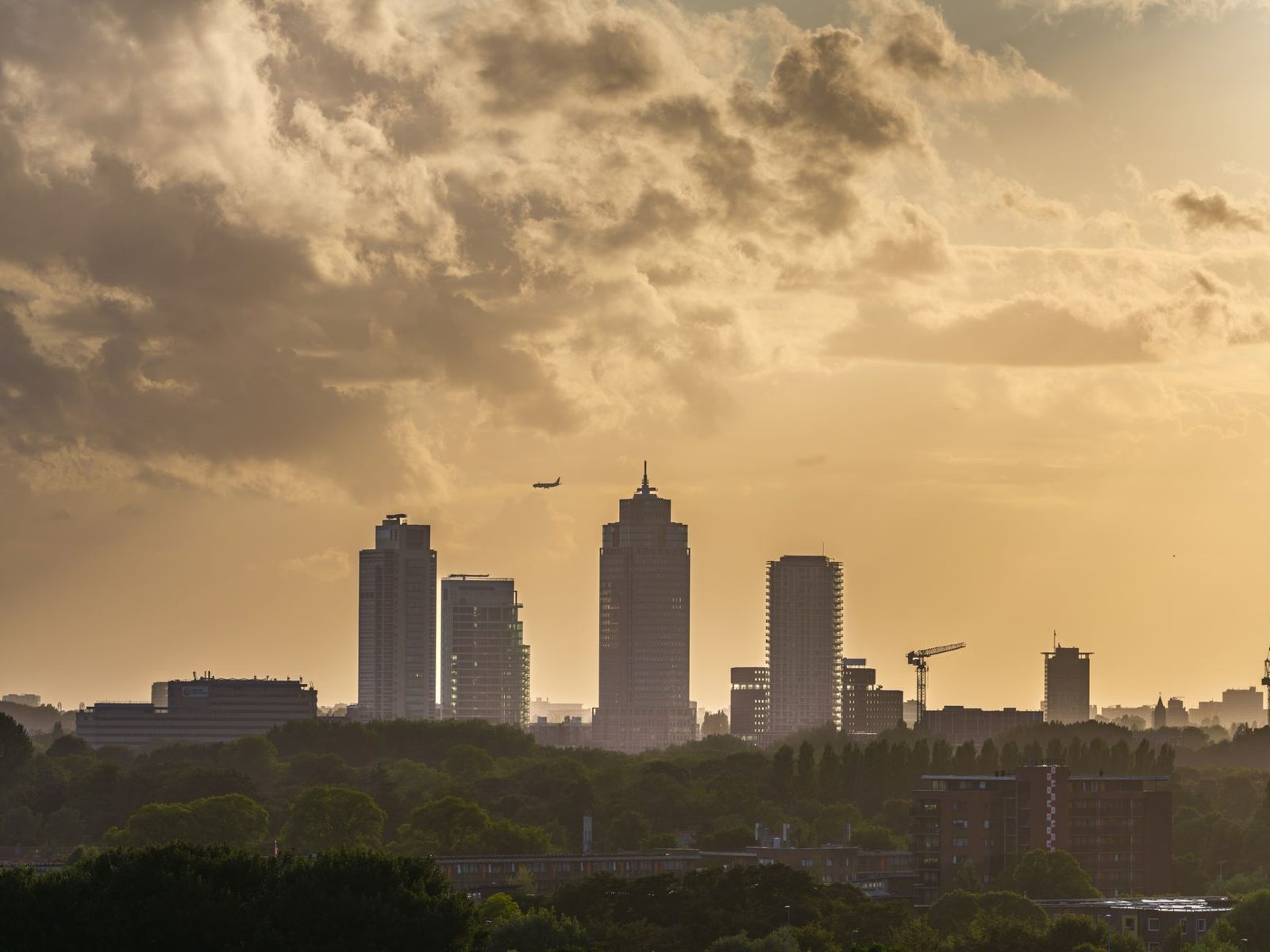
Where you stay in Amsterdam significantly impacts both your budget and your experience. Here’s a neighborhood breakdown from a backpacker’s perspective. Each area has its own feel — the Amsterdam neighborhoods guide goes deeper if you are still choosing.
Centrum (City Center)
The most convenient location with the highest concentration of hostels. You’ll be within walking distance of everything — Dam Square, the Red Light District, Central Station, and the main canal ring. The downside is that Centrum is Amsterdam’s most touristy and expensive area, with the noisiest nightlife. Hostels here tend to be pricier (€40-60/night for dorms) but you’ll save on transport costs since everything is walkable. Best for first-time visitors who want maximum convenience and don’t mind tourist crowds.
Amsterdam Noord
The emerging backpacker hotspot, thanks largely to ClinkNOORD putting the area on the hostel map. Noord offers a completely different Amsterdam experience — creative spaces, street art, waterfront bars, and the NDSM Wharf flea market (first weekend of the month, May-September). Dorm prices are typically 20-30% lower than Centrum. The free 24/7 ferry from Central Station makes it genuinely convenient. Best for travelers who want an alternative, creative vibe and don’t mind the ferry commute.
De Pijp
A bohemian, youthful neighborhood south of the canal ring. De Pijp is home to the Albert Cuyp Market (the largest street market in the Netherlands), countless affordable restaurants, and a thriving bar scene along the Sarphatipark area. Hostel options are limited here, but those that exist benefit from great value and a more local atmosphere. Well-connected by tram (lines 3, 4, 12) and Metro 52 to the rest of the city. Best for foodies and travelers who prefer a neighborhood feel over tourist-central locations.
Amsterdam Oost (East)
One of Amsterdam’s most diverse and interesting neighborhoods. Oost features Oosterpark, the Tropenmuseum, the Dappermarkt (a daily multicultural street market), and some of the city’s best international dining. Generator Amsterdam is the main hostel here. Tram 14 connects directly to Dam Square in about 15 minutes. Prices are moderate, and the area feels authentic and lived-in rather than touristy. Best for travelers interested in multicultural Amsterdam and real neighborhood life.
Museum Quarter / Oud-Zuid
Home to Stayokay Vondelpark, this upscale residential area offers a quieter backpacker experience alongside world-class museums and the beautiful Vondelpark. While the neighborhood itself is expensive for dining and shopping, hostel prices are competitive because it’s slightly outside the central canal ring. Best for culture-focused travelers and those who want green space and a quieter evening scene.
Booking Strategies to Save Money
Smart booking can easily save you €10-20 per night in Amsterdam. Here are proven strategies that experienced backpackers use:
Book early for peak season. For June-August stays and any major event periods (King’s Day, ADE, Gay Pride), book at least 2-3 months in advance. Popular hostels sell out completely, and prices rise sharply as availability drops. For winter travel, 2-4 weeks ahead is usually sufficient.
Compare across platforms. Check Hostelworld, Booking.com, and the hostel’s own website. Many hostels offer a best-price guarantee on their direct website, and you’ll sometimes find exclusive deals or free cancellation policies that aren’t available through third-party platforms. Hostelworld is generally best for dorm beds, while Booking.com sometimes has better deals on private rooms.
Choose larger dorms for lower prices. A bed in a 10-12 person dorm is typically €5-15 cheaper per night than a 4-6 person dorm. The trade-off is noise and reduced privacy, but if budget is your priority, the savings add up quickly over a multi-night stay. Some hostels offer 16-20 bed dorms at even lower rates.
Stay midweek. Arriving Sunday-Thursday and departing before the weekend can save 30-50% compared to Friday-Saturday rates. Amsterdam’s hostel prices are heavily influenced by weekend demand from European city-break travelers.
Visit in the off-season. November through March (excluding Christmas/New Year) offers the lowest hostel rates. Amsterdam is still a fantastic city in winter — museums are less crowded, ice skating rinks appear in public squares, and the cozy Dutch culture of sitting in warm cafés with a coffee or beer (gezelligheid) is at its best.
Look for included extras. A hostel that includes breakfast (like Stayokay) or offers a free walking tour effectively saves you €10-20 per day. Factor these extras into your price comparison — a slightly more expensive hostel with included breakfast and free activities can end up cheaper overall.
What to Look for in an Amsterdam Hostel
Not all hostels are equal, and knowing what to check before booking can prevent unpleasant surprises. Here are the key factors to evaluate:
Locker security. Every reputable Amsterdam hostel provides lockers, but sizes vary enormously. Some only fit a laptop bag, while others can hold a full backpack. Check reviews specifically for locker size if you’re traveling with valuables. Bring your own padlock — some hostels charge €3-5 to buy or rent one.
Kitchen facilities. A hostel with a proper kitchen can save you €15-20 per day on food in Amsterdam. Check whether the kitchen is well-equipped (stove, oven, pots, pans, utensils) and whether it’s available 24/7 or has restricted hours. Supermarkets like Albert Heijn and Lidl are scattered throughout the city, making self-catering easy and affordable.
Bed quality and privacy. Look for hostels that advertise individual curtains, reading lights, and power outlets at each bed. These features have become standard at quality hostels and make a huge difference to sleep quality and comfort. Some newer hostels have pod-style beds with full privacy screens.
Check-in and checkout times. Amsterdam hostel check-in is typically 2-4pm, with checkout at 10-11am. If you’re arriving early, confirm whether luggage storage is available (most hostels offer this for free). Late-night check-in is usually possible but may require advance arrangement.
Atmosphere vs. sleep quality. Be honest about what you want. Party hostels are amazing for socializing but terrible for sleeping. If you need rest, choose a hostel with quiet hours, separate floors for dorms and social spaces, or a more relaxed vibe. Reading recent reviews (last 3-6 months) gives the most accurate picture of what to expect.
Budget Eating and Drinking Tips for Backpackers
Food is one of the biggest expenses in Amsterdam, but backpackers have plenty of options for eating well without breaking the bank. The key is knowing where locals eat and avoiding tourist traps. For more ideas, our guide to cheap eats in Amsterdam points you to the best-value bites.
Albert Cuyp Market in De Pijp is backpacker paradise for cheap food. You can get fresh stroopwafels (€2-3), Surinamese roti (€5-7), herring sandwiches (€4-5), and fresh fruit for a fraction of restaurant prices. The market operates Monday-Saturday from 9am to 5pm.
FEBO is a uniquely Dutch fast-food experience — automated vending machines built into the wall where you insert coins and pull out hot snacks like kroketten (€2-3) and frikandellen (€2). Locations are scattered throughout the city. It’s cheap, it’s fast, and it’s a quintessential Amsterdam backpacker experience.
Supermarket meals from Albert Heijn, Jumbo, or Lidl are the most budget-friendly option. A day’s worth of supermarket food costs €10-15 — bread, cheese, fruit, and a ready-made salad or sandwich. Albert Heijn’s AH to Go locations in train stations sell decent fresh sandwiches for €3-5.
Wok to Walk and similar quick-service Asian restaurants offer filling noodle boxes for €7-9. Indonesian restaurants (warung or toko) offer generous rice plates (nasi) and noodle dishes (bami) for €8-12, which is often enough food for two meals.
Happy hour deals. Many Amsterdam bars offer happy hour specials from 4-7pm, with beer at €3-4 instead of the usual €5-7. Some hostels (like The Flying Pig) run their own happy hours with even better prices. For the cheapest drinks, buy from a supermarket — a six-pack of Heineken or Amstel from Albert Heijn costs around €5-6.
Getting Around Amsterdam on a Backpacker Budget
Amsterdam is one of the most walkable cities in Europe. The entire canal ring, from Central Station to the Museum Quarter, is about a 30-minute walk. Most backpackers find they can walk everywhere they need to go in the central city. Walking and cycling cover most of it; for trams, metro and the night network, see getting around Amsterdam.
Walking is free and the best way to experience Amsterdam. The city is flat and compact — distances between major attractions are rarely more than 2-3 km. Walking along the canals is half the charm of visiting Amsterdam.
Cycling is the most Amsterdam thing you can do. Rental bikes cost €10-15 per day from shops like MacBike, Orangebike, or Black Bikes. For longer stays (3+ days), weekly rates drop to €8-10 per day. Some hostels offer free or discounted bike rental for guests. Always lock your bike with the provided lock, even for 30-second stops — bike theft is extremely common in Amsterdam.
OVpay contactless payments make public transport easy. Simply tap your debit or credit card on the reader when boarding and again when exiting. You’ll be charged the actual distance traveled (starting at €1.16 base fare plus €0.217 per km), with automatic daily and weekly caps that act like a day pass. A single tram ride across the city costs roughly €1.50-2.50. This is cheaper than buying GVB day passes unless you’re making 5+ trips per day.
Free ferries run behind Central Station to Amsterdam Noord every 5-10 minutes, 24 hours a day. These are regular GVB ferries — no ticket needed. Essential for reaching ClinkNOORD, the A’DAM Tower, EYE Film Museum, and NDSM Wharf.
Free and Cheap Things to Do in Amsterdam
Amsterdam has more free activities than you might expect. Here are the best options for backpackers looking to experience the city without spending much: We have a whole guide to things to do in Amsterdam that leans into the free and low-cost end.
Free activities: Walking the canal ring (a UNESCO World Heritage site), exploring Vondelpark, visiting the Begijnhof courtyard, browsing the Albert Cuyp and Dappermarkt markets, taking the free ferry to Noord and exploring NDSM Wharf, watching the boats from canal bridges, exploring the Jordaan neighborhood, visiting the Rijksmuseum gardens (free, unlike the museum), people-watching in the Noordermarkt on Saturday mornings, and cycling through Amsterdamse Bos (the city’s vast forest park).
Cheap activities: The I amsterdam City Card (from €65/24 hours) includes free entry to 70+ museums and unlimited public transport — worth it if you plan to visit 3-4 museums in a day. Many museums offer free entry on the first Sunday of the month or reduced rates for under-26s. Canal cruises start at €14 for basic one-hour tours. The Heineken Experience is €23 but includes two drinks. Free walking tours (tip-based) run daily from Dam Square — budget €5-10 for a tip.
Safety Tips for Backpackers in Amsterdam
Amsterdam is generally very safe for travelers, but there are a few things backpackers should keep in mind. Pickpocketing is the most common issue, particularly in crowded tourist areas like Dam Square, the Red Light District, Leidseplein, and on busy trams. Keep valuables in a money belt or front pocket, and be extra vigilant when using your phone on the street — phone snatching from passing cyclists or scooters does happen.
Cycling safety is important. Amsterdam has 800,000 bikes and the rules of the road are serious. Never walk in bike lanes (marked in red), always look both ways before crossing (bikes come fast and quietly), and if you rent a bike, ride with the flow of traffic and use hand signals. Bike accidents involving tourists are common, usually because visitors aren’t used to the cycling culture.
At your hostel, always use the lockers provided for valuables — dorm theft, while uncommon in reputable hostels, does happen. Don’t leave electronics, cash, or passports unattended on your bed or in an unlocked bag. Most hostels have 24-hour reception, which adds an extra layer of security.
Dorm Bed vs Private Room: The Real Money Math
Backpackers usually assume a dorm is always the cheapest option, and most nights it is. But the gap narrows fast when two of you travel together. If a dorm bed is €55 in July, two beds cost €110 — and at that point a basic private room or a no-frills hotel can undercut you, with a door that locks and no 3am roommate. The honest rule: solo, take the dorm; as a pair, price both and compare against our budget hotels under €100 picks before committing. For longer stays, even a short-stay apartment can win, and our hotel vs Airbnb comparison shows where the lines cross.
Watch the extras, too. Many hostels charge a few euros for a towel, a padlock, or breakfast, and Amsterdam’s tourist tax (around 12.5% of the rate in 2026, though you should confirm the current figure) is added on top, even on a dorm bed. A €40 headline dorm can land closer to €48 once the tax and a towel are in. None of this is a dealbreaker; it just means the cheapest-looking listing is not always the cheapest stay.
Timing is the other big lever. Dorm prices in Amsterdam swing more wildly than hotel rates because beds sell individually, so a sunny summer weekend or a festival can double the price of the exact same bunk. If your dates are flexible, the patterns in our accommodation by season and price guide will save you more than any loyalty scheme. Midweek nights and the November–February lull are where the real bargains hide. For something completely different on a special night, even houseboat stays or the city’s luxury hotels can be worth a look once in a while.
Amsterdam Hostels: FAQ
How much does a hostel cost in Amsterdam?
Expect roughly €35-70 for a dorm bed in 2026, with summer weekends and big events pushing higher and winter weeknights dropping lower. Private hostel rooms run more, often €90-160. Prices vary by neighborhood, so beds in Noord or the east are usually cheaper than central ones.
Which is the best hostel in Amsterdam?
For most travelers ClinkNOORD is the best all-rounder — well designed, sociable, and a free ferry from Centraal. The Flying Pig Downtown suits solo travelers who want central buzz, Generator is great value design, and Stayokay Vondelpark is the pick for a quieter, well-run base.
Are hostels in Amsterdam safe?
Generally yes. Reputable hostels have lockers, keycard access and 24-hour reception, and Amsterdam is a safe city. The usual hostel rules apply: use the locker for valuables, keep an eye on your phone in common areas, and choose a women-only dorm or hostel like Hostelle if that feels more comfortable.
Where should backpackers stay in Amsterdam?
Noord offers the best value and a creative scene a short ferry from the centre. Centrum keeps you walking distance from the sights but costs more and gets noisy. Oost and De Pijp are good middle-ground choices with local life, decent prices, and easy transport into the centre.
Do I need to book Amsterdam hostels in advance?
For summer, weekends, King’s Day, Pride and Amsterdam Dance Event, yes — the best beds sell out weeks ahead and prices spike. In the quiet winter months you can often book a day or two out. Either way, booking direct or early usually beats walking in for the lowest rate.
Essential Packing List for Amsterdam Hostels
Packing smart can significantly improve your hostel experience in Amsterdam. Here are the essentials that experienced Amsterdam backpackers recommend:
A good padlock (combination lock is easier than key locks in hostel situations), earplugs and a sleep mask (essential for shared dorms), flip-flops for hostel showers, a quick-dry travel towel (many hostels charge €2-3 for towel rental), a reusable water bottle (Amsterdam’s tap water is excellent), a portable power bank (outlet access in dorms is often limited), layers for Amsterdam’s unpredictable weather (a light rain jacket is essential year-round), comfortable walking shoes (you’ll walk 15,000+ steps daily on cobblestones), and a small daypack for exploring the city.
For the complete guide to accommodation in Amsterdam including hotels, apartments, and houseboats, check out our Where to Stay in Amsterdam pillar guide. And for more budget tips, see our Amsterdam Trip Cost and Budget Breakdown.
Keep Exploring Where to Stay
- Where to stay in Amsterdam (full neighborhood guide)
- budget hotels under €100 — private rooms when a dorm is not for you.
- staying near Central Station — convenience vs. noise around Centraal.
- accommodation by season and price — when dorm beds are cheapest.
- getting around Amsterdam — getting around on a backpacker budget.