Amsterdam’s tourist trail — Dam Square, Anne Frank, the canal belt — barely scratches the surface. The locals’ Amsterdam is hidden hofjes (centuries-old almshouses tucked behind unmarked doors), a clandestine 17th-century attic church, a floating cat sanctuary, a distillery in a Victorian pumphouse, neighbourhoods most tourists never enter, and 17th-century gardens you can sit in for free. This guide picks 25 of the best hidden gems in Amsterdam — the spots locals genuinely visit, with addresses, opening hours, and how to get to each.
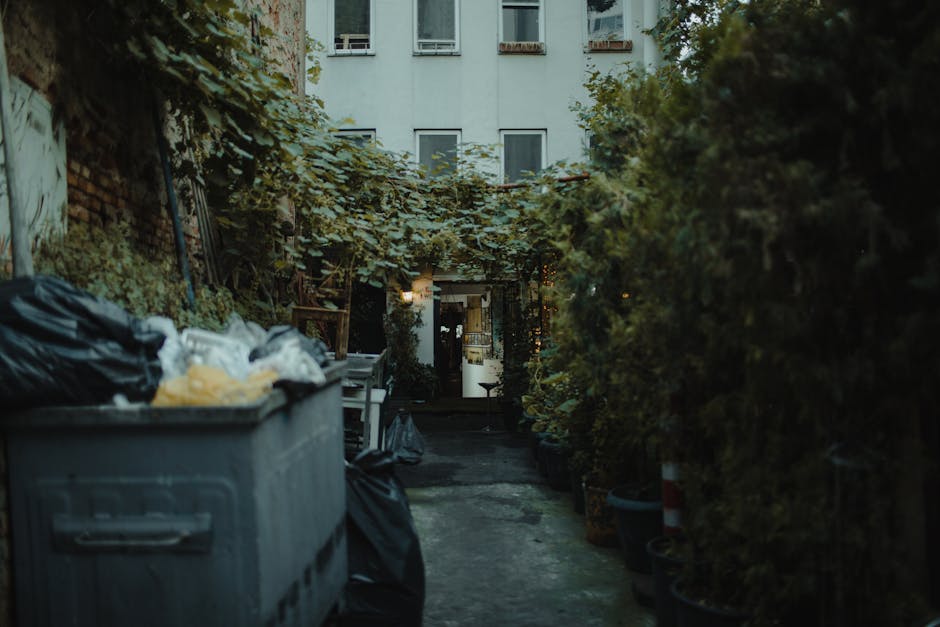
The quick version: the best hidden gems in Amsterdam are its hofjes (free almshouse courtyards tucked behind unmarked doors in the Jordaan), Our Lord in the Attic, the floating cat boat on the Singel, a genever distillery hidden in a Victorian pumphouse, and the genuinely local neighbourhoods east and north of the centre. Almost all of them are free or under €15, and most reward an early start before the day-trippers wake up. Below, a quick guide to what’s where, then the full list with addresses and hours.
| Hidden gem | Type | Area | Cost |
|---|---|---|---|
| Begijnhof | Almshouse courtyard | Centre (off Spui) | Free |
| Our Lord in the Attic | Secret attic church | Red Light District | ~€15.50 |
| De Poezenboot (Cat Boat) | Floating cat sanctuary | Singel canal | Free (donations) |
| Distillery ‘t Nieuwe Diep | Genever distillery | Flevopark, Oost | ~€15–25 tasting |
| Sint Andrieshofje | Almshouse courtyard | Jordaan | Free |
| Indische Buurt / Dappermarkt | Local neighbourhood | Oost | Free to browse |
| Brouwersgracht | Quiet canal | Jordaan edge | Free |
Hidden Hofjes (Almshouse Courtyards)
Hofjes are 17th-century almshouse complexes built around quiet inner courtyards, originally for elderly single women. Amsterdam has 30+ surviving examples; most are residential, but you can quietly visit during daylight hours.
Stepping into one is the closest thing Amsterdam has to a secret garden. You go from a busy street through an unmarked door or a tiled passage, and suddenly the traffic noise drops away into a square of trimmed hedges, a hand pump, and a ring of little gabled houses that have looked the same for four hundred years. They were charitable housing, funded by wealthy merchants for women who had no one to support them, and many still function as low-rent homes today, which is exactly why the etiquette matters: people live here. Visit between roughly 10am and 5pm, keep your voice to a murmur, don’t photograph anyone’s window, and never ring a doorbell. Treated with that respect, the hofjes are the single most rewarding free thing on this list.
- Begijnhof (Gedempte Begijnensloot, off Spui) — 14th-century cluster including Het Houten Huys, Amsterdam’s only surviving wooden house (c. 1420). Open 9am-5pm; free.
- Sint Andrieshofje (Egelantiersgracht 107-145) — the oldest in the Jordaan (1617); enter through the blue-tiled corridor.
- Karthuizerhofje (Karthuizersstraat 21-131) — largest hofje in Amsterdam; built on a former Carthusian monastery.
- Claes Claesz Hofje (1e Egelantiersdwarsstraat 1-5) — three connected courtyards founded 1626.
- Raepenhofje (Palmgracht 28-38) — six tiny houses around an even tinier garden.
- Hofje van Brienen (Prinsengracht 89) — early-19th century but charming.
- Zon’s Hofje (Prinsengracht 159) — a small Jordaan hofje easy to miss.
Our Lord in the Attic (Ons’ Lieve Heer op Solder)
- Where: Oudezijds Voorburgwal 38, in the Red Light District (yes, really).
- What: A complete 17th-century Catholic church secretly built into the attic of a wealthy merchant’s canal house during the Protestant Reformation when Catholic worship was banned.
- Why it’s special: stunning baroque interior nobody walking past from the street would suspect existed.
- Cost: €15.50.
- Hours: 10am-5pm; closed Mondays.
- Time needed: 1 hour.
It’s worth grasping why a church ended up in an attic at all. After the Protestant Reformation, Catholic worship was officially banned in Amsterdam, so the city’s Catholics built churches in plain sight but out of view, hidden inside ordinary-looking canal houses. Our Lord in the Attic is the best-preserved survivor, a full baroque sanctuary with an altar, organ and galleries stacked across the top three floors of a 1660s merchant’s house. It pairs naturally with a visit to the nearby Anne Frank House, another canal house that hid people behind its everyday facade, and it appears in our wider Amsterdam museums guide too.
De Poezenboot (Cat Boat)
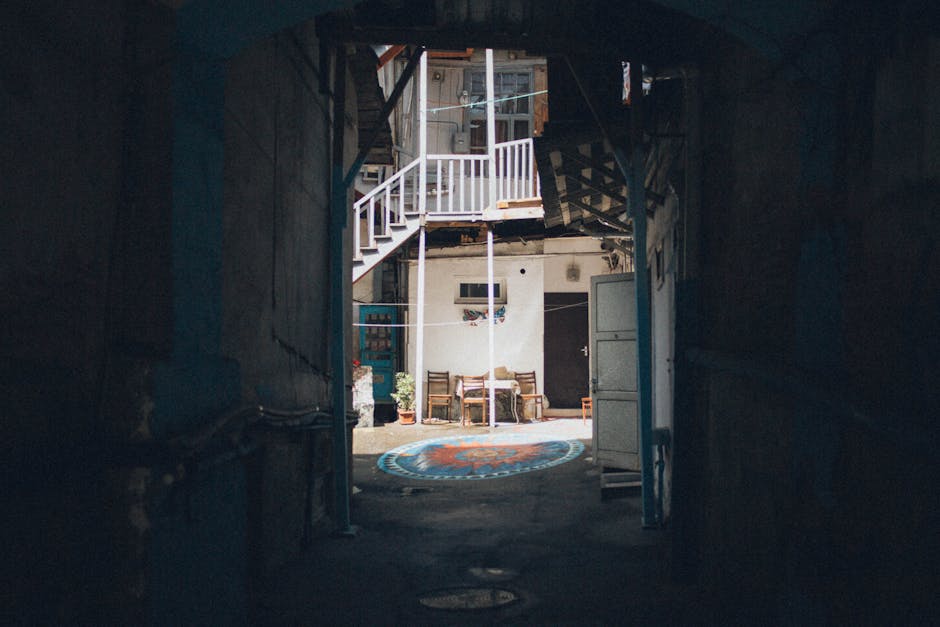
- Where: Singel 38G.
- What: a floating cat shelter on a permanently-moored barge; home to 50-60 rescue cats.
- Why visit: it’s the world’s only floating cat sanctuary; you can play with the resident cats.
- Cost: free; donations welcomed (cats live on these).
- Hours: 1pm-3pm daily; closed Wednesday and Sunday.
- Time: 30-45 minutes.
Katten Kabinet (Cat Museum)
- Where: Herengracht 497.
- What: A historic canal house entirely dedicated to cat art and the resident family of real cats. Includes Picasso, Rembrandt, Toulouse-Lautrec works featuring cats.
- Cost: €11.
- Charm factor: extreme.
Distillery ‘t Nieuwe Diep
- Where: Flevopark 13, Amsterdam Oost.
- What: A genever distillery inside a converted 1880 Victorian pumping station, tucked away in Flevopark.
- Why it’s special: completely hidden; few tourists ever find it; produces 100+ genever varieties.
- Tasting: €15-25 for guided tastings on weekends.
- Best paired with: a Flevopark walk and Distilleerderij Tasting Room visit.
Genever (or jenever) is the juniper-based Dutch spirit that gin was eventually distilled from, and tasting it where it’s actually made is one of the city’s quietly great experiences. ‘t Nieuwe Diep is the harder-to-find of the two classics, hidden in a park on the eastern edge, and that’s exactly its charm; you’ll likely share the tasting room with locals rather than tour groups. For the historic-centre version, the 1679 Wynand Fockink tasting room near Dam Square pours dozens of genevers and liqueurs in a tiny standing-room bar, where tradition says you bend down to the glass for the first sip rather than lifting the brimful glass to your lips.
Off-Tourist Neighbourhoods
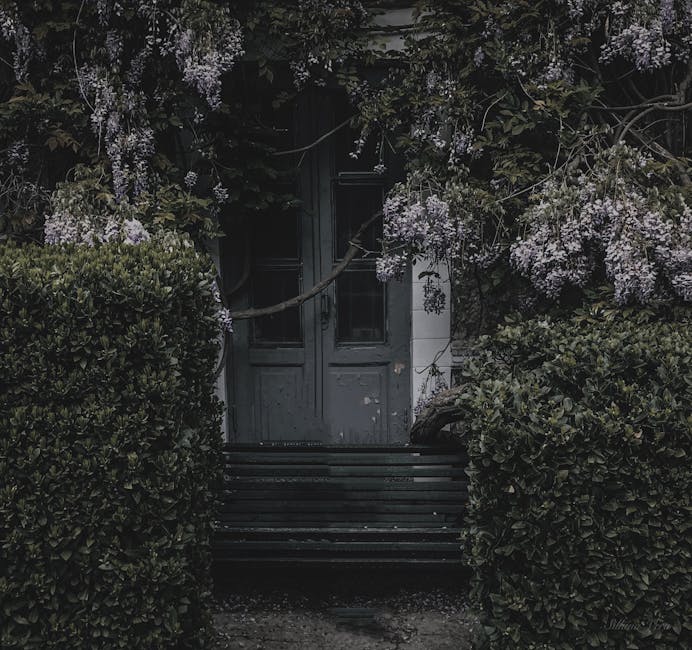
The fastest way to feel like you’ve left the tourist city behind is simply to ride a tram or the metro fifteen minutes out from the centre. The neighbourhoods below aren’t sights in the museum sense; they’re places where people actually live, shop, and eat, and that’s the whole point. The Indische Buurt in Oost, with its Surinamese and Indonesian roots and the no-nonsense Dappermarkt, gives you a side of Amsterdam’s food culture that the centre has largely priced out. Czaar Peterbuurt feels like a village dropped between the old eastern docks. Spend a morning in either and you’ll see more daily-life Amsterdam than a week on the canal belt delivers. For the food angle specifically, our Amsterdam food and drink guide is the natural next stop.
- Czaar Peterbuurt (Oostelijke Eilanden) — village-feel quarter east of the centre; cobbles, canals, no tourists.
- Indische Buurt (Oost) — Surinamese-Indonesian heritage neighbourhood; the Dappermarkt is the best non-touristy market.
- Bos en Lommer (West) — working-class district with cheap eats and the Erasmuspark.
- Tuindorp Buiksloot (Noord) — 1920s garden-village social housing; a quiet architecture pocket.
- Old Houthavens (West) — recently developed waterside walk with cycle paths and cafes.
- Frankendael (Oost) — 17th-century estate with restaurant De Kas.
- Westerpark / Spaarndammerbuurt — Amsterdam School architecture and a thriving local scene.
Secret Parks & Gardens
Everyone knows Vondelpark, and on a sunny afternoon it can feel like the whole city packed into one lawn. The parks below are where locals go to actually breathe. Flevopark in the east is the standout: a big, scruffy, genuinely local green space with picnic tables, water you can swim in, and the hidden distillery tucked into its old pumphouse. In spring, the timing tip worth knowing is the cherry blossom: the Bloesempark in the Amsterdamse Bos has 400 cherry trees that peak for a week or two in early April, and the smaller Erasmuspark and Beatrixpark put on quieter versions of the same show. Pack bread and cheese from a market and you’ve got the most Amsterdam lunch there is.
- Flevopark (Oost) — large quiet park with the distillery, picnic tables, water access for wild swimming.
- Hortus Botanicus (Plantage Middenlaan 2A) — 1638 botanical garden; one of the oldest in the world. €12.
- Wertheimpark (Plantage) — small but lovely; with the Auschwitz Monument by Jan Wolkers.
- Beatrixpark (Zuid) — magnolias in spring; quiet picnic spot.
- Frankendael Park — 17th-century country estate within the city.
- Sloterpark (West) — large lakeside park; locals swim here.
- Bloesempark (Amsterdamse Bos) — 400 cherry trees; peak around April 5.
- Erasmuspark (West) — small neighbourhood park; cherry blossoms April-May.
Quirky & Unusual Museums
Amsterdam has more museums per square mile than almost anywhere on earth, and the small specialist ones are often the most memorable; ask a returning visitor for their favourite and it’s frequently the odd little museum they stumbled into. A whole canal house devoted to handbags sounds absurd until you’re inside the Tassenmuseum realising it’s actually five centuries of social history. The Houseboat Museum lets you stand inside a real canal home. The Embassy of the Free Mind hides one of the world’s great collections of esoteric books behind a Keizersgracht door. None of these take more than an hour, most cost under €15, and they make perfect rainy-afternoon plans. The bigger names are all in our Amsterdam museums guide.
- Amsterdam Pipe Museum (Prinsengracht 488) — 500 years of pipe-making, the world’s largest collection.
- Tassenmuseum (Herengracht 573) — 5 centuries of handbags inside a 17th-century canal house.
- Embassy of the Free Mind / Bibliotheca Philosophica Hermetica (Keizersgracht 123) — esoteric and alchemical library museum.
- Houseboat Museum (Woonbootmuseum) (Prinsengracht 296K) — the world’s only houseboat museum.
- Amsterdam Tulip Museum (Prinsengracht 116) — small but charming; the story of Tulip Mania.
- Museum Het Schip (Spaarndammerplantsoen 140) — Amsterdam School architecture masterpiece.
- Museum Vrolik (Amsterdam UMC, Meibergdreef 15) — anatomical specimens; free; not for the squeamish.
- Amsterdam Sex Museum (Damrak 18) — surprisingly historical and not as sleazy as the location suggests.
Quietest Canals
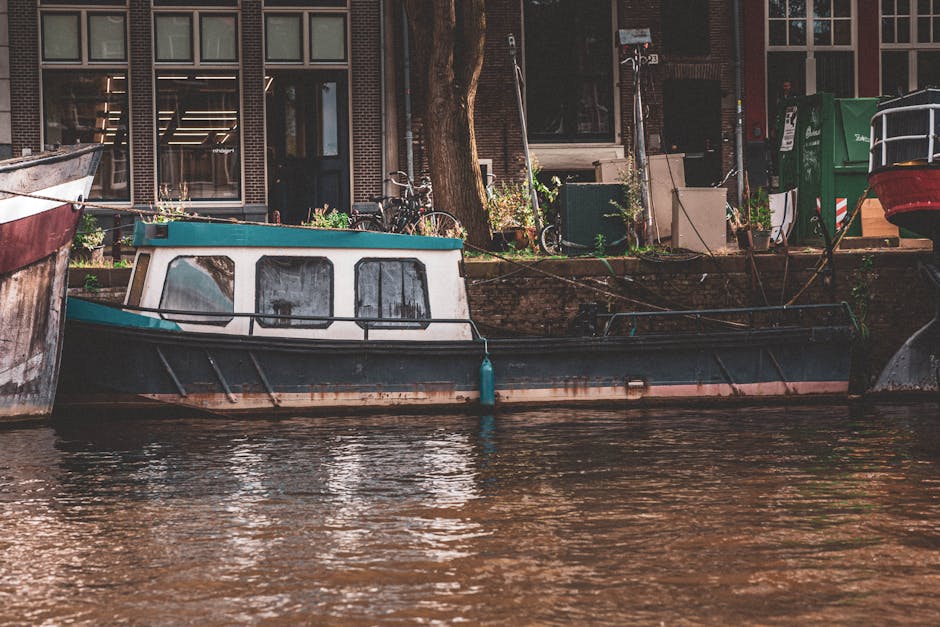
The famous three canals get the crowds, but the prettiest stretches are often the quiet ones the tour boats can’t or don’t reach. Go early, ideally before 9am, and you’ll have them almost to yourself with the low light catching the water. The Brouwersgracht regularly tops local polls for the most beautiful canal in the city, and on a still morning the reflections of its converted warehouses are postcard-perfect without a single other tourist in frame. If you’d rather see these waterways from a boat instead, our guide to Amsterdam canal cruises compared flags the small operators that nose into the narrower channels.
- Brouwersgracht (the canal between Prinsengracht and the IJ) — voted Amsterdam’s most beautiful canal; far quieter than Herengracht.
- Lijnbaansgracht — runs the Jordaan’s west edge; tour boats can’t navigate it.
- Oudezijds Voorburgwal south of Damstraat — quieter than the Red Light District section.
- Egelantiersgracht — the prettiest Jordaan canal.
- Bloemgracht — "Herengracht of the Jordaan."
- Reguliersgracht at dawn — the famous 7-bridges view without crowds.
- Amstel river — wider, quieter than the canal belt; the Magere Brug at sunrise.
Local Shops & Markets
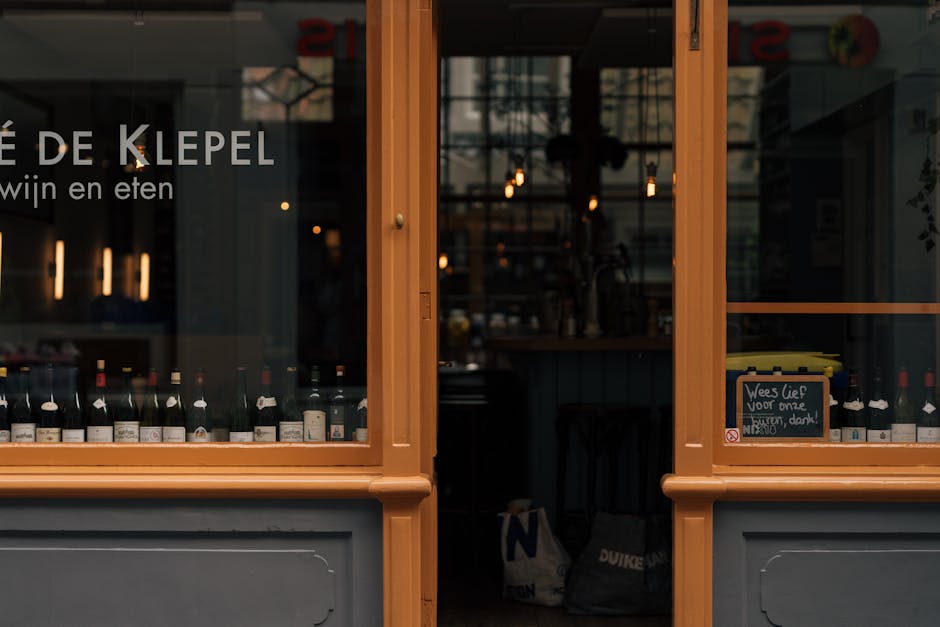
- Dappermarkt (Dapperstraat, Oost) — Surinamese/Turkish/local market; almost no tourists.
- Concerto Records (Utrechtsestraat 60) — vast vinyl collection across two floors.
- Het Magazijn (Lindengracht 191) — vintage Scandinavian furniture and lamps.
- Concrete Matter (Haarlemmerdijk 127) — men’s lifestyle objects; gorgeous curation.
- Bij Ons Vintage (Wolvenstraat) — Nine Streets premium vintage.
- De Kaaskamer (Runstraat 7) — the city’s best cheese shop.
- Lambiek (Kerkstraat 132) — vintage comic book shop, one of Europe’s oldest.
- Pol’s Potten (KNSM-laan 39, Eastern Docklands) — homewares concept store.
Local-Only Cafes
The Dutch brown cafe (bruin cafe) is the city’s living room: dark wood, low light, decades of tobacco-stained walls, a short list of beers and genevers, and zero pretension. These are where Amsterdammers actually drink, and the ones below have mostly resisted turning into tourist props. Order a small Dutch beer or a genever, claim a seat, and settle in; nobody will rush you. Cafe Chris on the Bloemstraat has been pouring since 1624, which makes it older than most countries.
- Cafe Krull (Sarphatipark 2) — De Pijp locals’ brown cafe.
- Cafe Berkhout (Stadhouderskade 77) — Stadhouderskade brown cafe.
- Cafe Chris (Bloemstraat 42) — since 1624; painters who built the Westerkerk drank here.
- De Sluyswacht (Jodenbreestraat) — leaning historic house, locals-mostly.
- Cafe Hoppe (Spui 18) — historic but locals still come; squeeze into the back room.
- Cafe Reijnders (Leidseplein) — tucked beside the noise.
- Café t’ Mandje (Zeedijk) — the oldest LGBTQ bar in the world.
Unusual Local Experiences
- De Hortus’ breakfast in the orangerie on Sunday mornings.
- Free Friday-night ferry to Pllek for sunset on the IJ.
- Open Garden Days (June): private 17th-century canal-house gardens open to public.
- Wynand Fockink genever tasting (Pijlsteeg 31) — the oldest tasting room in Amsterdam (1679).
- Beurs van Berlage — the 1903 Stock Exchange building; sometimes free to enter.
- Cycling Durgerdam at sunset — 30 minutes north along the IJsselmeer.
- Hortus Bulborum at Limmen — historic-bulb-variety garden, 30 min north.
- Sunday flea market at IJ-Hallen NDSM — Europe’s largest once a month.
Trade the Tourist Trail for a Day
Here’s the thing about Amsterdam’s most photographed corners: they’re worth seeing once, but they fill up fast and they all look the same on a million Instagram feeds. The gems on this page are the antidote. Swap an hour queuing on the Damrak for a quiet sit in the Begijnhof. Swap the crush of the central canal belt for the Egelantiersgracht. Swap a generic souvenir shop for De Kaaskamer or a vinyl dig at Concerto Records. You don’t have to choose between the famous Amsterdam and the local one, but giving the locals’ version at least half a day is what turns a decent trip into a memorable one.
Best of all, this version of the city is cheap. Almost everything here is free or costs less than a museum ticket, which makes it the perfect companion to our guide on free things to do in Amsterdam. And because these spots are spread across the neighbourhoods, a rented bike turns the whole list into one flowing day; the getting around Amsterdam guide covers your options for that. For the bigger picture of how it all fits together, start at the things to do in Amsterdam hub.
Practical Tips
- Visit hofjes during daylight hours only (10am-5pm); never ring doorbells.
- Some hidden gems have limited hours: confirm opening times before going.
- Skip Damrak and Leidseplein for genuine local experiences.
- Use the metro to outer neighbourhoods (Indische Buurt, Bos en Lommer).
- Apps: Untappd for local craft beer; Like a Local for local-curated lists.
- Talk to your hotel concierge: small neighbourhood hotels know the hidden gems.
- Be respectful: most of these are residential or working spaces; keep voices low.
Suggested Hidden-Gem Day
- 9.30am — Begijnhof (free hidden almshouse).
- 10.30am — Brown cafe coffee at Cafe Hoppe.
- 11.30am — Walk into the Jordaan; visit Sint Andrieshofje and Karthuizerhofje.
- 1.00pm — Lunch at Cafe Chris or Cafe de Reiger.
- 2.30pm — Tram to Flevopark / Distillery ‘t Nieuwe Diep tasting.
- 4.30pm — Walk through the Indische Buurt; Dappermarkt browsing.
- 6.00pm — Sunset drink at Pllek beach bar.
- 8.00pm — Dinner at Wilde Zwijnen (Indische Buurt) or De Kas (Frankendael).
When the Hidden Amsterdam Is at Its Best
The quiet, local version of the city shines in the shoulder seasons. April and May bring blossom to the parks and long light to the canals before the summer crowds peak, while September and October give you mild days, golden afternoons on the water, and hofjes you’ll often have entirely to yourself. Summer is livelier and the terraces are full, but the central gems get busier; if you visit in July or August, lean harder on the outer neighbourhoods and the early-morning canal walks. Winter has its own appeal: the brown cafes are at their cosiest, and a genever by candlelight at Wynand Fockink or a tasting at ‘t Nieuwe Diep is exactly the kind of warm, low-key afternoon the season is made for.
A few timing notes carry across the year. The cat boat, the distillery, and several small museums keep short or shifting hours, so check before you make a special trip. The monthly IJ-Hallen flea market at NDSM only runs on certain weekends. And Open Garden Days in June, when private 17th-century canal-house gardens open to the public, is one of those rare windows worth planning a visit around. For the full month-by-month picture, our seasonal Amsterdam guide lays out what’s on when.
Hidden Gems Amsterdam: FAQ
What’s the biggest hidden gem in Amsterdam?
Our Lord in the Attic (Ons’ Lieve Heer op Solder) — a complete 17th-century church hidden in a canal-house attic, right in the Red Light District. Few tourists know about it.
Are Amsterdam hofjes open to visitors?
Most are, during daylight hours. They’re residential, so keep voices low, don’t photograph residents’ windows, and don’t enter after dark.
Where do locals hang out in Amsterdam?
De Pijp brown cafes, the Foodhallen, Sarphatipark on summer evenings, NDSM-Werf on weekends, and small neighbourhood markets like Dappermarkt or Noordermarkt.
What’s the most overlooked museum in Amsterdam?
Museum Het Schip — the masterpiece of the Amsterdam School architectural movement; rarely on tourist lists but architecturally remarkable.
Is the Cat Boat worth visiting?
If you like cats — absolutely. Free entry; resident cats; one of the few floating attractions you can step into.
What’s the quietest part of Amsterdam?
Czaar Peter Quarter (Oost), Spaarndammerbuurt (West), Tuindorp Buiksloot (Noord) — all genuinely residential with almost no tourist presence.
Final Thoughts
Skip Damrak and the most-photographed canal belt for at least one afternoon. Visit Begijnhof in the morning, find a Jordaan hofje most tourists don’t, have a brown-cafe beer at Cafe Chris, and you’ve experienced Amsterdam the way the city’s actual residents do. Almost all of these gems are free or under €15 — the locals’ Amsterdam is also the cheapest.
For more, see our Things to Do in Amsterdam hub, our Amsterdam Neighborhoods Guide, and our Amsterdam Museums Guide.