Staying on a real, working Amsterdam houseboat is one of the most uniquely Dutch experiences possible in the city. There are roughly 2,500 houseboats moored permanently along Amsterdam’s canals, and a growing number are now available as accommodation — from studio canal-boats moored under medieval bridges to modern 3-bedroom floating apartments with rooftop terraces. This complete Amsterdam houseboat guide covers the legal reality (Amsterdam’s 30-night Airbnb cap), prices, what to expect, the best 12 verified picks, and how to choose between a working boat and a modern floating apartment.
Short answer: staying on an Amsterdam houseboat is a genuinely special experience — you sleep on the water, often on a quiet canal, in a B&B or licensed rental rather than a hotel. Expect roughly €150–300 a night for a good two-person houseboat in 2026, more for prime canal-side spots. The catches: space is tight, some boats gently move, and short-term rental rules are strict, so book a licensed B&B with a registration number, and confirm current prices.
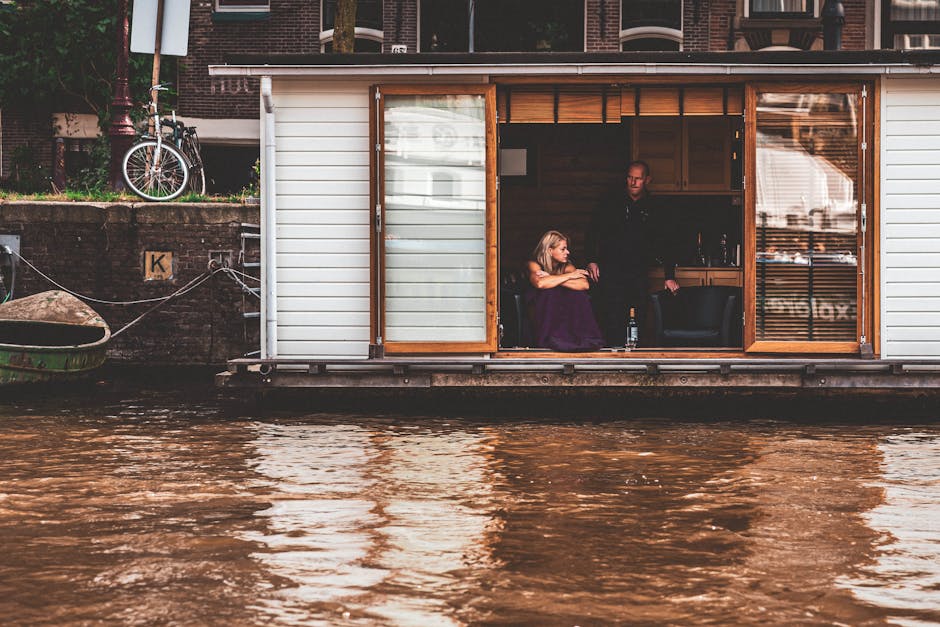
Houseboat Stays: What to Know
- How many houseboats: roughly 2,500 in central Amsterdam, mostly along the canal belt and Amsterdam Noord.
- Most are residential: only a small percentage are short-term rentals.
- Legal status: must comply with Amsterdam’s 30-nights-per-year short-term rental cap; must display a city registration number.
- Price range: €150-400/night for entire-houseboat rentals.
- Sleeps: 2-8 depending on size; studio to 3-bedroom.
- Booking platforms: Airbnb, Booking.com, specialised houseboat agencies (Houseboatamsterdam.com, Boats4Rent rentals).
Amsterdam Houseboats at a Glance
| Houseboat type | Feel | Best for | Rough double/night |
|---|---|---|---|
| Floating apartment (ark) | Spacious, stable, modern | Comfort seekers, longer stays | €180–320 |
| Traditional boat (schuit) | Snug, characterful, may rock | Romance, novelty | €140–240 |
| Restored historic boat | Atmospheric, varied | Design lovers | €160–300 |
| Canal-side B&B houseboat | Central, hosted | First-timers | €150–280 |
Types of Amsterdam Houseboats
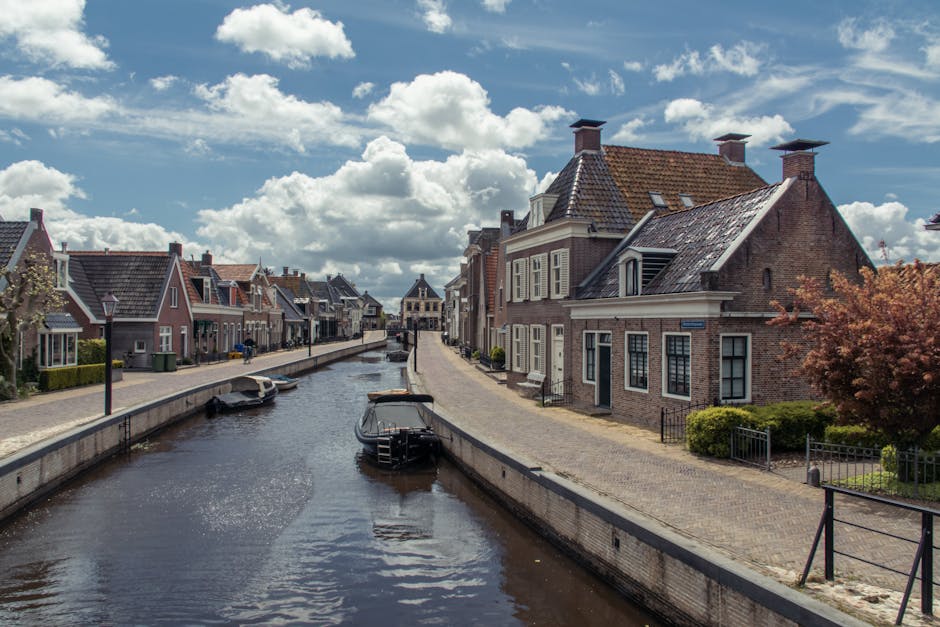
1. Traditional Boat ("Schuit")
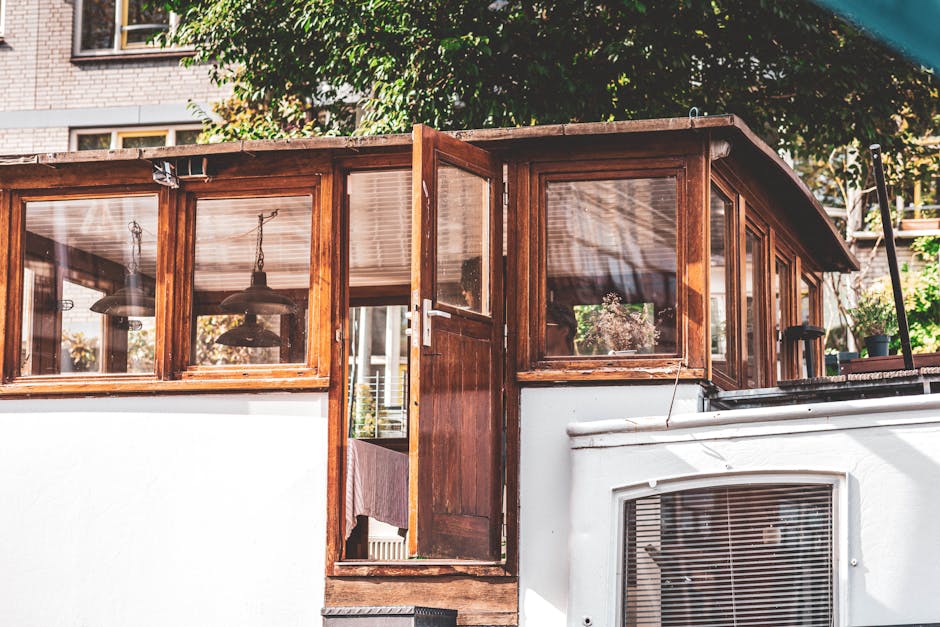
- Working barges from 1900s-1950s, converted to homes.
- Compact, charming, low ceilings (mind your head).
- Often have a small wheelhouse or deck.
- Real boat-feel; you’ll feel the wash from passing boats.
- Best for couples or small groups; less practical for kids.
2. Floating Apartment ("Ark")
- Built on a concrete pad; technically more "floating house" than "boat."
- Functions like a regular apartment: full kitchen, spa bathroom, large windows.
- Stable; no wash motion; quieter than a real boat.
- Often 2-3 bedrooms; better for families.
- The most common modern Amsterdam houseboat.
3. Restored Historic Boat
- Original cargo or passenger boats lovingly restored.
- Period features: wooden beams, brass fittings, original wheelhouses.
- Often the most expensive — €300-600+/night.
- Best for design-conscious travellers wanting authentic boat life.
12 Top Houseboat Stays
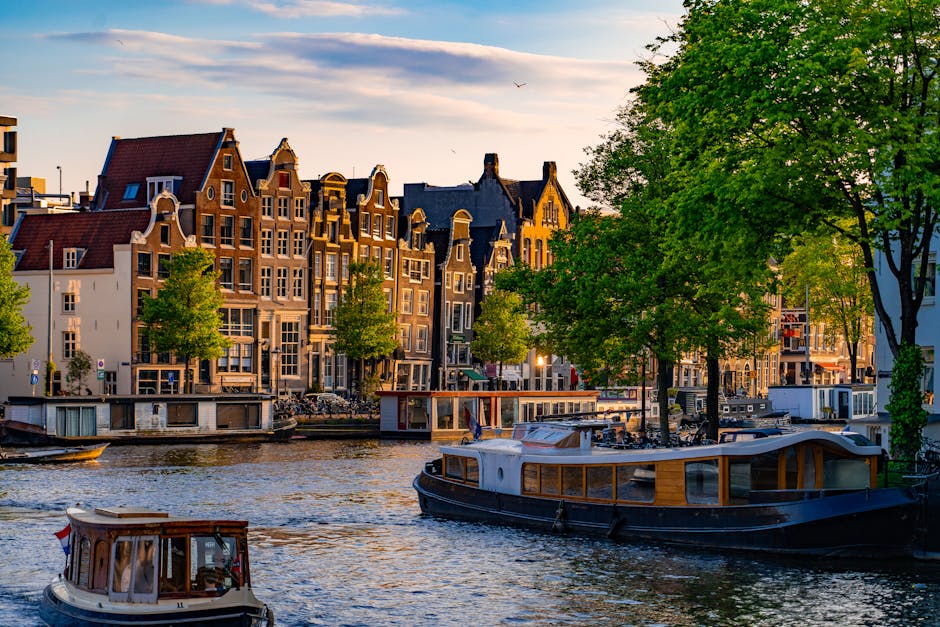
- 2 Houseboat Suites (Jordaan) — Van Gogh + Rembrandt suites; private canal-side entrances. €280/night.
- The Houseboat Amstel — restored 1930s freighter on the Amstel; sleeps 4. €350/night.
- Captain’s House (Prinsengracht) — historic canal-side boat near Anne Frank House. €240/night.
- Westerdok Houseboat — modern ark in the Westerdok district; rooftop terrace. €280/night.
- Anchor Houseboat (Brouwersgracht) — Jordaan-edge canal location; 2-bed modern ark. €320/night.
- Sirius Houseboat (Sloterdijk Channel) — quiet edge of centre; rooftop hot tub. €380/night.
- Prinsengracht Studio Houseboat — compact one-bedroom on a major canal. €180/night.
- Singel Floating Apartment — modern 2-bed near Flower Market. €260/night.
- Houseboat near Magere Brug — close to the Skinny Bridge; the city’s most-photographed view. €290/night.
- NDSM Houseboat (Noord) — quiet, industrial vibe; near Pllek. €170/night.
- Amstel Houseboat Studio — peaceful river position; sunset views. €200/night.
- De Zwerver (Jordaan) — converted 1920s sailing barge with wood interior. €270/night.
Confirm all bookings include a city registration number to avoid illegal listings. It is one of the more memorable options in our wider where to stay in Amsterdam guide, and quite different from a standard hotel room.
What to Expect on a Houseboat
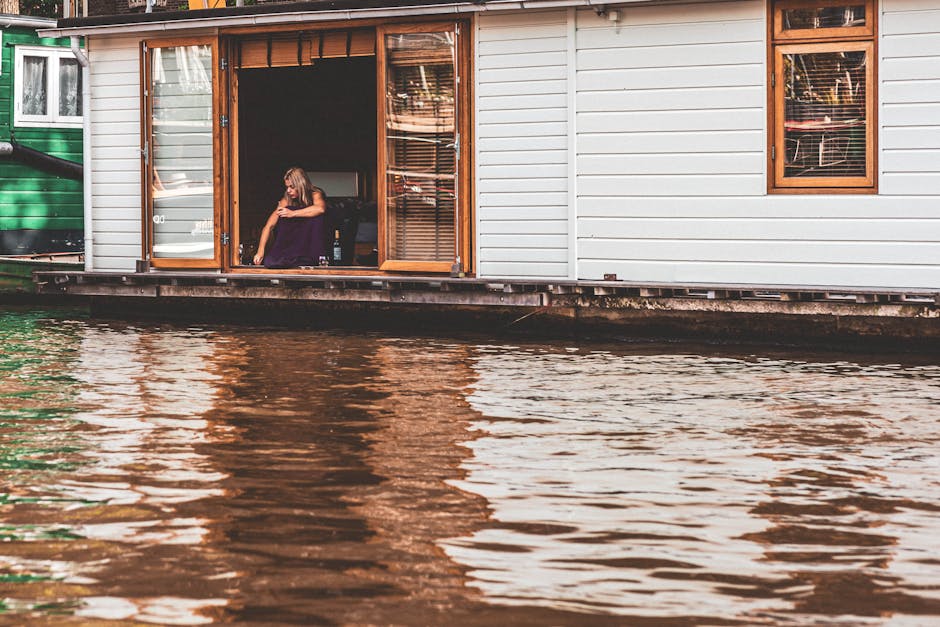
The Good
- Unique Dutch experience you can’t get in a hotel.
- Canal-level views from your bedroom window.
- Quiet at night (most are in residential streets).
- Often private deck or terrace.
- Full kitchen and laundry.
- Pet-friendly options.
The Less-Good
- Older boats can rock noticeably with passing canal traffic.
- Ceilings often low (under 1.9m / 6’2" in places); tall guests beware.
- Bathrooms are usually smaller than in hotels.
- Heating in winter can be patchy; check before booking.
- No concierge or daily housekeeping.
- Internet may be slower than hotels.
- Access usually involves a narrow gangplank.
Who Should Book a Houseboat
- Couples: ideal for a unique romantic stay.
- Honeymooners: 2 Houseboat Suites is consistently the highest-rated honeymoon option.
- Adventure travellers: those who like character over convenience.
- Photographers: canal views from the windows.
- Stays of 3-5 nights: long enough to justify the unique setting.
- Groups of 4-6: floating apartments make group sense.
Who Probably Shouldn’t
- Mobility issues: narrow gangplanks, steep ladders, low ceilings.
- Tall travellers (>1.9m): low ceilings on traditional boats.
- Strict noise sensitivity: boat wakes, harbour sounds, occasional barge passages.
- Wheelchair users: virtually no houseboats are fully accessible.
- Visitors with seasickness: traditional boats rock.
- Short stays (1-2 nights): setup and orientation eat into your time.
- Business travellers: no concierge; less professional setting.
Best Houseboat Locations
- Brouwersgracht (Jordaan edge) — voted Amsterdam’s most beautiful canal corner.
- Prinsengracht — central; near Anne Frank, Westerkerk.
- Amstel river — quieter, wider; sunset views.
- Brouwersgracht — Jordaan canal-belt sweet spot.
- Westerdok — modern, quiet, well-connected.
- NDSM-Werf (Noord) — cheaper, hipper, free ferry to centre.
- Houthavens — newer western development, sleek architecture.
- Sloterdijk Channel — quieter edge; good for design-conscious stays.
Practical Tips
- Confirm city registration number: ensures legal short-term rental.
- Read 20+ reviews: photos can flatter; reviews tell the truth.
- Check ceiling height: confirm at least 2m if you’re tall.
- Check heating: important November-March.
- Check noise mentions in reviews: some boats are next to nightclub barges.
- Bring boat-friendly shoes: gangplanks can be wet.
- Carry small bills for tipping the host on arrival/departure.
- Storage: most have surprisingly little luggage space.
- Don’t forget waterproofs: getting to/from the boat in rain is wetter than getting to a hotel lobby.
If You Just Want to See One
The Houseboat Museum (Woonbootmuseum) at Prinsengracht 296K is the world’s only houseboat museum. It’s a 1914 freighter (Hendrika Maria) converted to a typical houseboat and preserved. Open Tuesday-Sunday 10am-5pm; €8. 30-minute visit. Five minutes from Anne Frank House. The prettiest moorings line the Canal Ring; the Amsterdam neighborhoods guide explains the character of each area you might moor in.
Alternatives to Houseboats
- SWEETS Hotel — 28 former bridge-keeper’s houses across the city; sleep above an actual operating drawbridge. €145/night.
- Crane Hotel Faralda — luxury suites stacked in a former harbour crane. €595/night.
- Volkshotel — modern hotel with quirky "special" rooms.
- Hotel V — boutique canal-house feel without the boat instability.
- Pure Boats — a private daytime boat cruise gives you 3 hours of houseboat-like atmosphere without committing to a night.
Cost Breakdown for a Houseboat Stay
- Houseboat rental (3 nights): €450-1,200.
- 12.5% Amsterdam tourist tax: €56-150.
- Cleaning fee: €40-100 per stay.
- Service fees (Airbnb/Booking.com): 6-14%.
- Damage deposit: €100-500 (refunded on departure).
- Total for 3 nights: €600-1,500.
Legal Reality of Amsterdam Houseboat Airbnbs
- Maximum 30 nights/year for short-term whole-home rentals in most neighbourhoods.
- 15 nights in parts of Centrum and De Pijp from April 2026.
- Host must be the primary resident; the houseboat must be their main address.
- Maximum 4 guests at a time.
- City registration number must be displayed in the listing.
- Penalties: €1,500-€20,500 for hosts; tourists can be ordered to leave illegal stays.
- Look for: established hosts with multiple verified reviews and the registration number visible.
What It’s Really Like to Sleep on a Houseboat
A houseboat stay is one of those experiences that lives up to the idea, with a few honest caveats. Waking up with the water at window level, ducks drifting past, and the light bouncing off a canal onto the ceiling is genuinely magical, and far quieter than a central hotel once the day-trippers have gone home. Many boats are beautifully fitted out, with proper kitchens, wood-burning touches and little decks for a morning coffee on the water. For a romantic break or a one-off treat, it is hard to top.
The realities are worth knowing so you choose the right boat. Space is the big one: even roomy floating apartments are smaller than a comparable apartment on land, and traditional boats can be snug, with compact bathrooms and low headroom in places. Some boats move a little when other vessels pass or the wind picks up — usually a gentle rock rather than anything dramatic, but light sleepers and anyone prone to seasickness should ask the host. Climbing aboard can mean a step down or a narrow gangway, which is awkward with heavy luggage or limited mobility. And because these are real homes on water, facilities vary enormously from boat to boat, so read recent reviews and the listing carefully. If any of that gives you pause, our family-friendly hotels and boutique hotels guides offer steadier ground.
Who Should Book a Houseboat — and Who Shouldn’t
Houseboats suit couples and romantic travelers above all: the intimacy, the views and the novelty make for a memorable few nights, especially on a quiet residential canal. They also reward design-minded travelers who enjoy characterful, unconventional spaces, and self-sufficient visitors happy with self check-in and a host reachable by message rather than a 24-hour reception. For a short, special-occasion stay where the accommodation is part of the story, a houseboat is an excellent call.
They suit some travelers far less. Families with young children should weigh the open water carefully and the limited space — our family-friendly hotels guide is usually the safer, roomier choice. Anyone with mobility issues may find gangways and steps difficult. Travelers who want hotel comforts — daily housekeeping, a gym, room service, a lift — will be happier on land, and those on a tight budget will note that houseboats rarely come cheap; the budget hotels under €100 and hostels and backpacker stays guides stretch further. Be honest about which camp you are in before you fall for the photos.
Booking a Houseboat Safely and Smartly
Because houseboats fall under the same strict short-term rental rules as the rest of Amsterdam, legitimacy is the first thing to check. The most reliable options are licensed bed-and-breakfast houseboats, where the owner lives aboard or alongside and the listing displays a registration number; these are legal, hosted, and a lovely way to do it. Be wary of whole-boat lets advertising long stays or more than four guests, which run into the city’s caps. As with any rental here, if a listing looks too cheap or vague about its permit, move on — the same caution we set out in our hotel vs Airbnb guide applies on the water.
Book early, especially for summer and the prettiest central moorings, which are few and sell out fast. Confirm the practicalities before you pay: how you get aboard, whether there is heating for cooler months, what the bathroom and kitchen are actually like, and how central the mooring really is, since some boats sit a tram ride from the action. Use the getting around Amsterdam guide to check how you will get into town, and time your trip with our accommodation by season and price guide for better rates. And do not miss the obvious pairing: a stay on the water plus a canal cruise and a wander through the city’s things to do in Amsterdam make for a quintessential Amsterdam few days.
Why Amsterdam Has Houseboats in the First Place
Houseboats are not a gimmick invented for tourists — they are a real and long-standing part of how Amsterdam lives. After the Second World War, a severe housing shortage and a surplus of old cargo barges pushed people to convert boats into homes, and the canals filled with permanent floating residences. Today there are roughly two and a half thousand legal houseboats moored across the city, each with an official mooring permit that is as valuable and tightly controlled as the boat itself. The people you see watering plants on their decks are your neighbours for the night, not extras; staying aboard one is a small window into a genuinely Amsterdam way of living. That context is part of the appeal, and it is why the city protects these moorings so fiercely.
It also explains why availability is limited and why prices hold up. New residential moorings are almost never granted, so the supply of boats that can legally host guests is small and fixed. When you book a licensed houseboat B&B, you are tapping into that scarce, regulated stock — which is exactly why early booking matters and why the cheapest ‘houseboat’ listings deserve a second look. For the wider lay of the land, our where to stay in Amsterdam guide and the Amsterdam neighborhoods guide set the scene.
Houseboat Costs and What’s Usually Included
Budget realistically and a houseboat stay holds few surprises. For a good two-person boat you are typically looking at €150–300 a night in 2026, with the prettiest central canal moorings at the top of that range and boats a little further out offering better value. As everywhere in Amsterdam, the tourist tax — around 12.5% of the rate, though you should confirm the current figure — is added on top, and on a hosted B&B houseboat breakfast is sometimes included and sometimes not, so check. Because most houseboats are self-catering, the kitchen can save you money on a longer stay, offsetting the higher nightly rate.
What you get for that varies more than in a hotel, so confirm the details before booking. Many boats include heating (essential outside summer), Wi-Fi, a proper bathroom and a small deck or terrace; fewer offer air conditioning, parking (rare and pricey in central Amsterdam anyway) or daily housekeeping, which is usually not provided at all. Linen and towels are standard on licensed B&B boats but worth confirming on informal listings. If you want the romance of the water with more predictable comforts, compare the numbers against a central hotel in our accommodation by season and price guide; for many short trips the experience, not the price, is the reason to choose a boat, and that is a perfectly good reason. If it is the canals themselves you love, even a licensed apartment near the water can deliver some of the same magic with a steadier floor underfoot.
Best Time of Year for a Houseboat Stay
Season matters more on a boat than in a heated hotel. Late spring and summer are the obvious sweet spot: long days, warm enough to use the deck, and the canals at their liveliest, though this is also when the best boats book out earliest and prices peak. Early autumn keeps much of the charm with thinner crowds and softer rates. Winter is atmospheric and can be a bargain — frost on the water, cosy interiors, the occasional rare skating year — but only on a well-insulated boat with proper heating, so confirm that before booking a cold-month stay. Avoid the cheapest uninsulated options outside summer unless you genuinely enjoy roughing it. As with hotels, midweek nights and the low season generally cost less, a pattern our season and price guide lays out in full.
One last piece of advice: lean into the experience rather than treating the boat as just a bed. Buy fresh bread and cheese from a nearby market, eat breakfast on the deck, and spend an evening simply watching the canal go by — that is the part guests remember. A houseboat is not the cheapest or most convenient way to sleep in Amsterdam, but for the right traveler on the right trip, it is the most memorable, and it pairs perfectly with the rest of our where to stay in Amsterdam recommendations.
Amsterdam Houseboats: FAQ
How much does an Amsterdam houseboat cost per night?
€150-400/night for the whole houseboat, depending on location, age, and size. If a boat is not quite right, our boutique hotels and staying near Central Station guides cover characterful stays on dry land. The same strict rules that shape the city’s hotel vs Airbnb market apply to houseboats — only book licensed B&Bs with a registration number.
Are houseboats legal as Airbnb rentals?
Yes, but with strict rules: 30 nights/year per home (15 in some neighbourhoods), max 4 guests, registered host, city registration number required.
Do Amsterdam houseboats rock?
Traditional boats yes — you’ll feel passing canal traffic. Modern "ark" floating apartments are built on concrete pads and don’t rock.
Are houseboats safe?
Yes — they’re modern utilities-connected homes. Standard safety: don’t lean over the edge late at night, especially after drinks.
What’s the best houseboat for couples?
2 Houseboat Suites (Van Gogh / Rembrandt) in the Jordaan, or any restored historic boat on Brouwersgracht.
Can I cook on a houseboat?
Yes — most have full kitchens. Confirm equipment before booking if you cook seriously.
Final Thoughts
Staying on an Amsterdam houseboat is one of the city’s most uniquely Dutch experiences — provided you book a legal listing, check for ceiling height, and accept that this isn’t a polished hotel experience. For 3-5 nights, it’s hard to beat the romance of waking up at canal level with your morning coffee on the deck. For shorter trips, consider a SWEETS bridge-keeper’s house or a boutique canal-house hotel instead.
For more, see our Where to Stay in Amsterdam hub, our Boutique Hotels Guide, and our Hotels vs Airbnb.
Keep Exploring Where to Stay
- Where to stay in Amsterdam (full neighborhood guide)
- boutique hotels — characterful stays on dry land.
- hotel vs Airbnb — the rental rules that also cover houseboats.
- staying near Central Station — convenient central bases.
- accommodation by season and price — when rooms and boats are cheapest.