Planning a trip to Amsterdam involves more than choosing museums and restaurants — the practical details can make or break your experience. From navigating Schiphol Airport to understanding Dutch customs, from knowing which power adapter to pack to finding an emergency pharmacy at midnight, this guide covers everything you need to handle the logistics of your Amsterdam visit with confidence.
Bookmark this page and refer back to it as you plan. For help building your itinerary, see our trip planning guide, and for timing your visit, check our seasonal Amsterdam guide.
The short version: Amsterdam is an easy, safe, English-speaking city to navigate. Get into town from Schiphol by train (around EUR 5, about 17 minutes). Pay with contactless cards almost everywhere, but carry EUR 50 in cash for small cafes and markets. Drink the tap water, mind the bike lanes, keep your phone in a front pocket in crowds, and dial 112 for any emergency. Everything below expands on those basics.
Amsterdam at a Glance: Practical Essentials
Here’s the whole city’s practical layer in one place. Prices and times shift, so treat these as planning figures and confirm current details before you rely on them.
| Topic | What to know | Quick figure (2026, approx.) |
|---|---|---|
| Currency | Euro; cards and contactless dominate, some places card-only | Carry around EUR 50 cash backup |
| Airport to centre | Train is fastest and cheapest; bus 397 serves the Museum Quarter | Train ~17 min, ~EUR 5 |
| Language | Dutch official; English spoken almost universally | ~90-95% speak English |
| Electricity | Type C/F plugs, 230V; adapter needed for UK/US/AU devices | 230V, 50Hz |
| Tap water | Excellent and safe; free refills everywhere | No bottled water needed |
| Emergency | One number for police, fire and ambulance | 112 (English spoken) |
| Tipping | Not obligatory; round up or 5-10% for good service | ~5-10% restaurants |
| Tourist tax | Charged on accommodation, often added at check-in | 12.5% of room rate |
If you read nothing else, read the four deep-dive guides this page links to: whether Amsterdam is safe for tourists, the scams to avoid, how money, cards and tipping work, and the Dutch phrases worth knowing. They go far deeper than the summaries here.
Arriving in Amsterdam: Schiphol Airport to the City
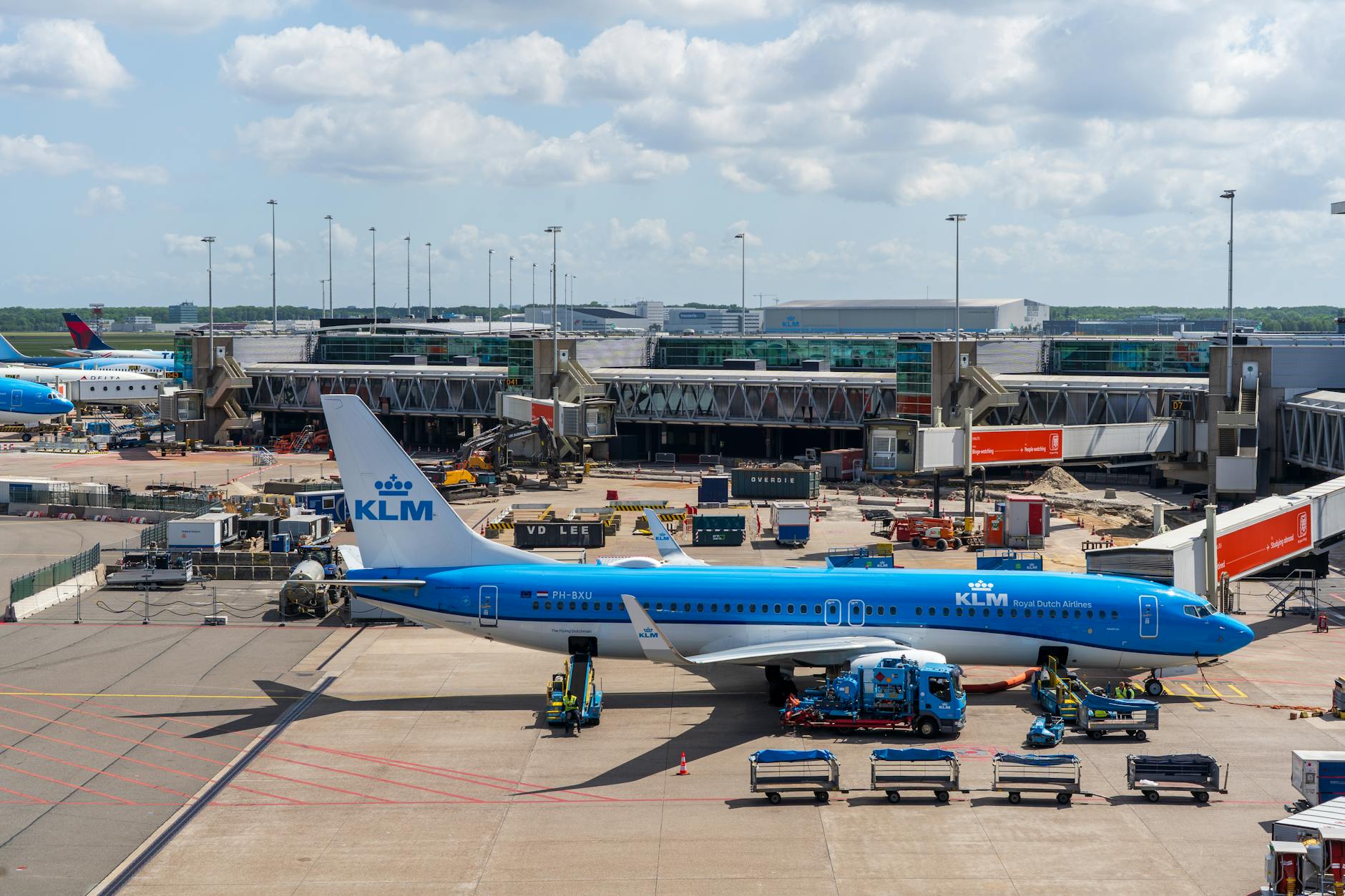
Amsterdam’s Schiphol Airport (AMS) is one of Europe’s busiest and best-connected airports, located just 18 kilometers southwest of the city center. Getting into Amsterdam is straightforward, with multiple transport options to suit every budget and schedule.
Train (Recommended)
The train is the fastest and most cost-effective way to reach central Amsterdam. Direct trains to Amsterdam Centraal Station depart every 10-15 minutes from platforms located directly beneath Schiphol Plaza (the airport’s main terminal building). The journey takes just 15-17 minutes and costs €4.90 for a one-way ticket. You can purchase tickets from yellow NS ticket machines in the arrivals hall, use contactless payment directly at the platform gates, or buy through the NS app. Trains run from approximately 6:00am until midnight, with hourly night trains available outside those hours. For details on navigating Amsterdam once you arrive, see our complete transport guide.
Airport Express Bus (Line 397)
The Connexxion Airport Express Bus 397 runs from Schiphol directly to Amsterdam’s city center, stopping at Museumplein, Rijksmuseum, and Leidseplein — making it ideal if your hotel is in the Museum Quarter or along the southern canal belt. A one-way ticket costs €6.50 (return €11.75), and the journey takes approximately 30 minutes. Buses depart from the bus platforms outside Schiphol Plaza every 15 minutes during the day.
Taxi and Ride-Hailing
Official taxis queue outside the arrivals hall and charge €40-80 to the city center depending on your destination and traffic conditions. The journey takes 20-30 minutes in normal traffic but can stretch to an hour during rush hour (7:30-9:30am, 4:30-7pm). Only use taxis from the official rank — unlicensed drivers may overcharge significantly. Uber and Bolt are both available at Schiphol and typically cost €30-50 to central Amsterdam, with the advantage of upfront pricing.
Entry Requirements and Visas
The Netherlands is part of the Schengen Area, meaning border controls between Schengen countries are minimal. Entry requirements depend on your nationality.
EU/EEA Citizens
Citizens of EU and EEA countries need only a valid national ID card or passport to enter the Netherlands. There is no time limit on stays.
Visa-Exempt Countries (US, UK, Canada, Australia, etc.)
Citizens of visa-exempt countries can visit the Netherlands for up to 90 days within any 180-day period without a visa. Your passport must be valid for at least three months beyond your planned departure date from the Schengen Area. Important for 2026: The European Travel Information and Authorisation System (ETIAS) is being introduced for visa-exempt travelers. Once active, you’ll need to complete an online ETIAS application (€7 fee, valid for three years) before traveling. Processing typically takes minutes but can take up to 30 days — apply well in advance. Check the official ETIAS website for the latest launch date and requirements.
Visa-Required Countries
Travelers from countries that require a Schengen visa should apply at the Dutch embassy or consulate in their home country at least 15 working days before travel (applications open six months in advance). You’ll need proof of accommodation, a return ticket, travel insurance with minimum €30,000 coverage, and evidence of sufficient funds (approximately €55 per day). Check the official Netherlands Worldwide website for the current list of visa-required countries.
Money and Payments
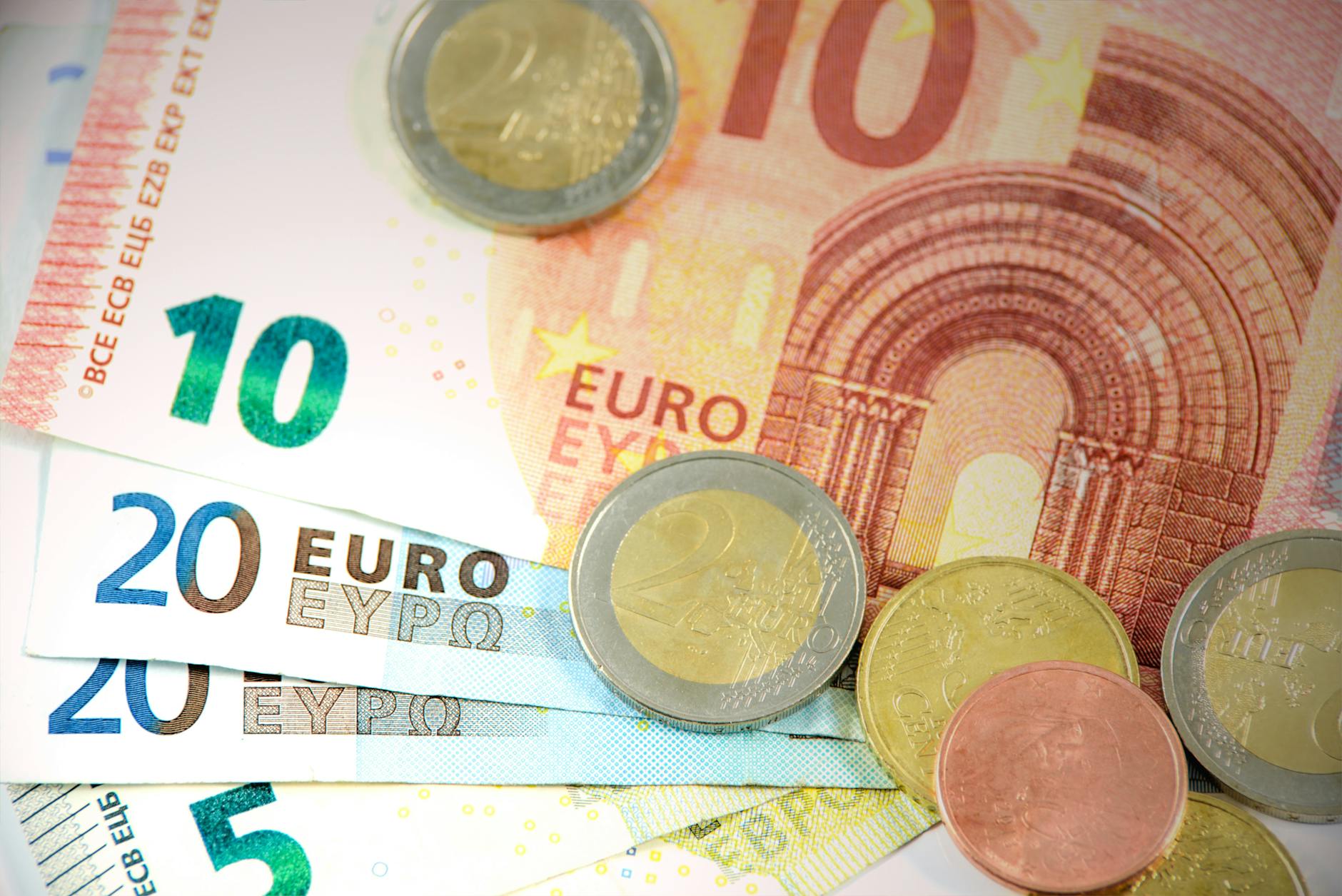
Currency
The Netherlands uses the euro (€). Coins come in denominations of 1, 2, 5, 10, 20, and 50 cents, plus €1 and €2. Notes range from €5 to €500, though €200 and €500 notes are rarely accepted by shops and restaurants.
Cards and Cash
Amsterdam is one of the most cashless cities in Europe. Debit cards (especially those using Maestro/V-Pay) are accepted virtually everywhere. Credit cards (Visa and Mastercard) are widely accepted at hotels, restaurants, and larger shops, but some smaller businesses, markets, and brown cafés may only accept Dutch debit cards (PIN) or cash. Important for US travelers: Many Dutch card terminals require chip-and-PIN technology. Contactless payment via Apple Pay, Google Pay, or contactless cards is increasingly common and often the easiest option. For the full breakdown of which cards work where, the ATMs to use and how tipping really works, see our dedicated Amsterdam money, currency and tipping guide.
Carry €50-100 in cash for markets, small cafés, and as backup. ATMs (geldautomaten) are widely available — use those attached to banks (ING, ABN AMRO, Rabobank) to avoid high fees. GWK Travelex currency exchange offices are found at Schiphol and major tourist areas, but generally offer less favorable rates than simply withdrawing euros from an ATM with a travel-friendly debit card.
Tourist Tax
Amsterdam charges a tourist tax (toeristenbelasting) of 12.5% on the accommodation price, applicable to all visitors staying in hotels, hostels, apartments, B&Bs, and campsites. This is usually included in the price shown on booking platforms but may appear as a separate charge at check-in — always confirm. Additionally, as of January 2026, the Dutch government raised VAT on overnight accommodation from 9% to 21%. Combined with the city tourist tax, the total tax burden on accommodation in Amsterdam can reach approximately 33.5% — making it one of the most heavily taxed tourist cities in Europe. Budget accordingly when planning your accommodation.
Tipping
Tipping is not obligatory in the Netherlands — service charges are included in restaurant prices by law, and hospitality workers earn fair wages. However, rounding up the bill or leaving 5-10% for good restaurant service is a nice gesture and appreciated. For taxis, round up to the nearest euro. Hotel housekeeping tips of €1-2 per night are generous but not expected. There’s no need to tip at bars or cafés for counter service. For more on dining customs, see our food and drink guide.
Health and Safety
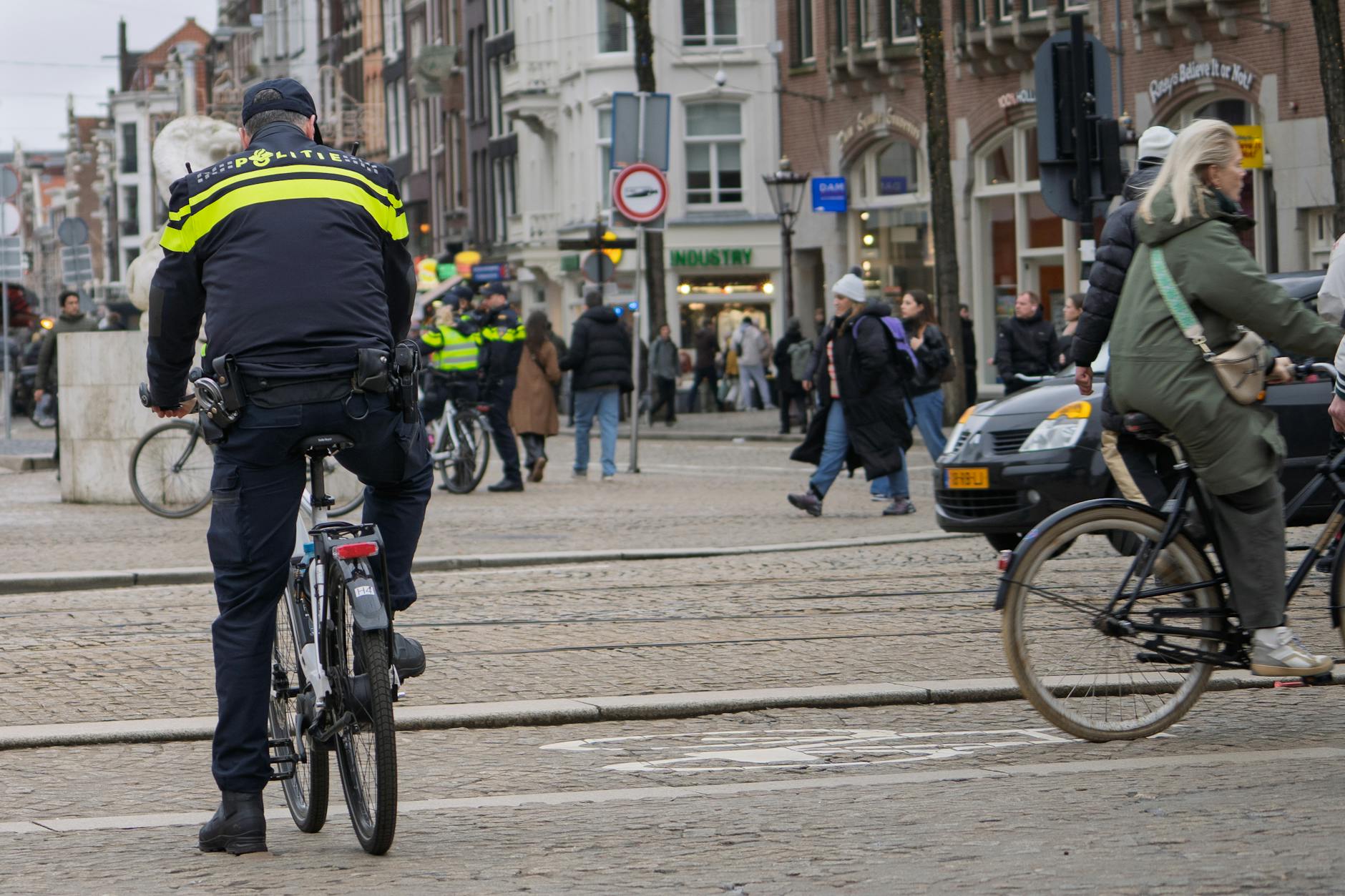
Emergency Numbers
112 — Emergency services (police, fire, ambulance). This Europe-wide number works from any phone, including locked mobile phones without a SIM card. Operators speak English, Dutch, French, and German.
0900 8844 — Non-emergency police line. Use this for reporting non-urgent crimes like theft, lost property, or minor incidents.
0800 8112 — Text emergency service for deaf and hard-of-hearing visitors.
Medical Care for Tourists
The Netherlands has excellent healthcare, but non-EU visitors will be charged for treatment. A simple emergency room visit can cost €300-500 before procedures. EU citizens should carry a European Health Insurance Card (EHIC) or UK Global Health Insurance Card (GHIC) for reduced-cost emergency treatment. All visitors should have comprehensive travel insurance.
For non-emergencies, TouristDoc (+31 20 262 4282) provides in-room medical care for visitors — doctors come to your hotel for minor conditions, forgotten prescriptions, or unexpected illnesses. This service avoids the inconvenience of hospital visits and is covered by most travel insurance policies.
Hospitals
Amsterdam’s main hospitals with 24-hour emergency departments are Amsterdam UMC (AMC location) at Meibergdreef 9 (phone: +31 20 566 9111) and Amsterdam UMC (VUmc location) at De Boelelaan 1117 (phone: +31 20 444 4444). The centrally located OLVG Hospital at Oosterpark 9 also has an emergency department.
Pharmacies
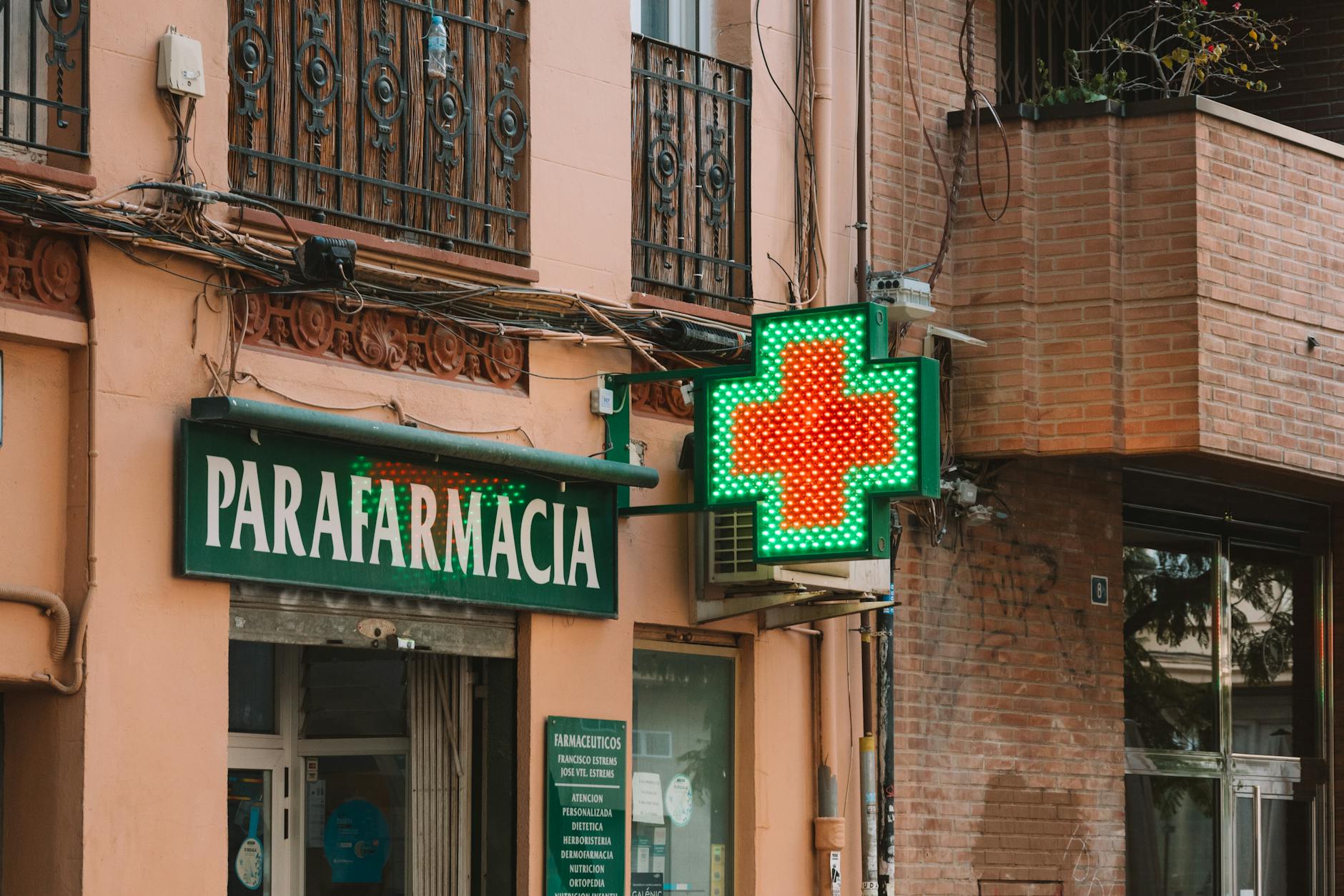
Pharmacies (apotheek) are generally open Monday-Friday 8:30am-5:30pm, with some opening Saturday mornings. For after-hours medication needs, emergency pharmacies operate on a rotation system — find your nearest one at apotheek.nl by entering your postcode. Emergency pharmacies charge higher prices. Common over-the-counter medications like paracetamol (acetaminophen) and ibuprofen are available at drugstores (drogisterij) such as Etos and Kruidvat, which are more common than pharmacies and have longer opening hours.
Dental Emergencies
Dental 365 treats dental emergencies on a walk-in basis, open from 8:00am to 11:00pm, with a dentist on call 24/7 for after-hours emergencies. This is the easiest option for tourists experiencing dental pain or broken teeth.
General Safety
Amsterdam consistently ranks among Europe’s safest capital cities. Violent crime against tourists is extremely rare. The primary risk is petty theft, particularly pickpocketing in crowded areas like Amsterdam Centraal Station, Dam Square, the Red Light District, and on busy trams. Keep valuables in front pockets or a concealed pouch, and never leave bags unattended at café terraces. We go through the real risks, the areas to skip after dark and advice for solo and female travellers in our full guide to whether Amsterdam is safe for tourists.
Common Scams to Avoid
Amsterdam’s cons are mostly low-grade and easy to sidestep once you know the patterns. Here are the ones worth memorising; our complete rundown of common Amsterdam scams and how to avoid them covers a dozen more, from rigged souvenir shops to apartment-rental fraud.
Fake police officers: Scammers dressed as police approach tourists claiming to check for counterfeit money or drugs, then steal cash during the “inspection.” Real Dutch police wear clearly marked uniforms, carry photo ID badges, and will never ask to handle your wallet. Ask to see identification and call 0900 8844 if uncertain.
Unlicensed taxis: Unofficial taxis outside Schiphol and in tourist areas may charge €80+ for short trips. Only use official taxi ranks, or book via Uber/Bolt for transparent pricing.
Flower market bulbs: A 2022 Amsterdam council investigation found that over 90% of tulip bulbs sold at tourist-oriented Bloemenmarkt stalls were old or dead and would not grow. Buy from reputable garden centers or Keukenhof’s official shop instead.
Anne Frank House tickets: The Anne Frank House sells tickets exclusively through its official website, released six weeks in advance. Anyone selling “tickets” outside the museum or on unofficial websites is running a scam. For more on what to see and do, check our comprehensive guide.
Phones, Internet, and Staying Connected
Mobile Phones and SIM Cards
EU visitors: Under EU roaming regulations (“Roam Like at Home”), EU citizens can use their home data, calls, and texts in the Netherlands at no extra charge. Your phone will work exactly as it does at home.
Non-EU visitors: Check with your carrier about international roaming rates before traveling. To avoid surprise charges, consider buying a local prepaid SIM card upon arrival. Dutch carriers Vodafone, KPN, and T-Mobile all offer prepaid tourist SIMs with data packages starting around €10-15 for 5-10GB. SIM cards are available at Schiphol arrivals, phone shops on Damrak, and at supermarkets like Albert Heijn. Alternatively, international eSIM services like Airalo or Holafly provide data-only plans that activate instantly without needing a physical SIM.
WiFi
The Netherlands has among the fastest internet speeds in Europe. Free WiFi is available at virtually all hotels, hostels, and cafés. Amsterdam Centraal Station, Schiphol Airport, and major shopping areas also offer free WiFi networks. Many restaurants and bars provide WiFi — just ask staff for the password. The city also provides free WiFi at selected public locations through the Amsterdam Free WiFi network.
International Calling
The Netherlands country code is +31. Amsterdam’s area code is 020 (drop the leading zero when calling from abroad, so it becomes +31 20). To call the Netherlands from abroad, dial your international access code + 31 + the number without the leading zero. Emergency number 112 can be dialed without a country code from any phone in Europe.
Electricity and Power
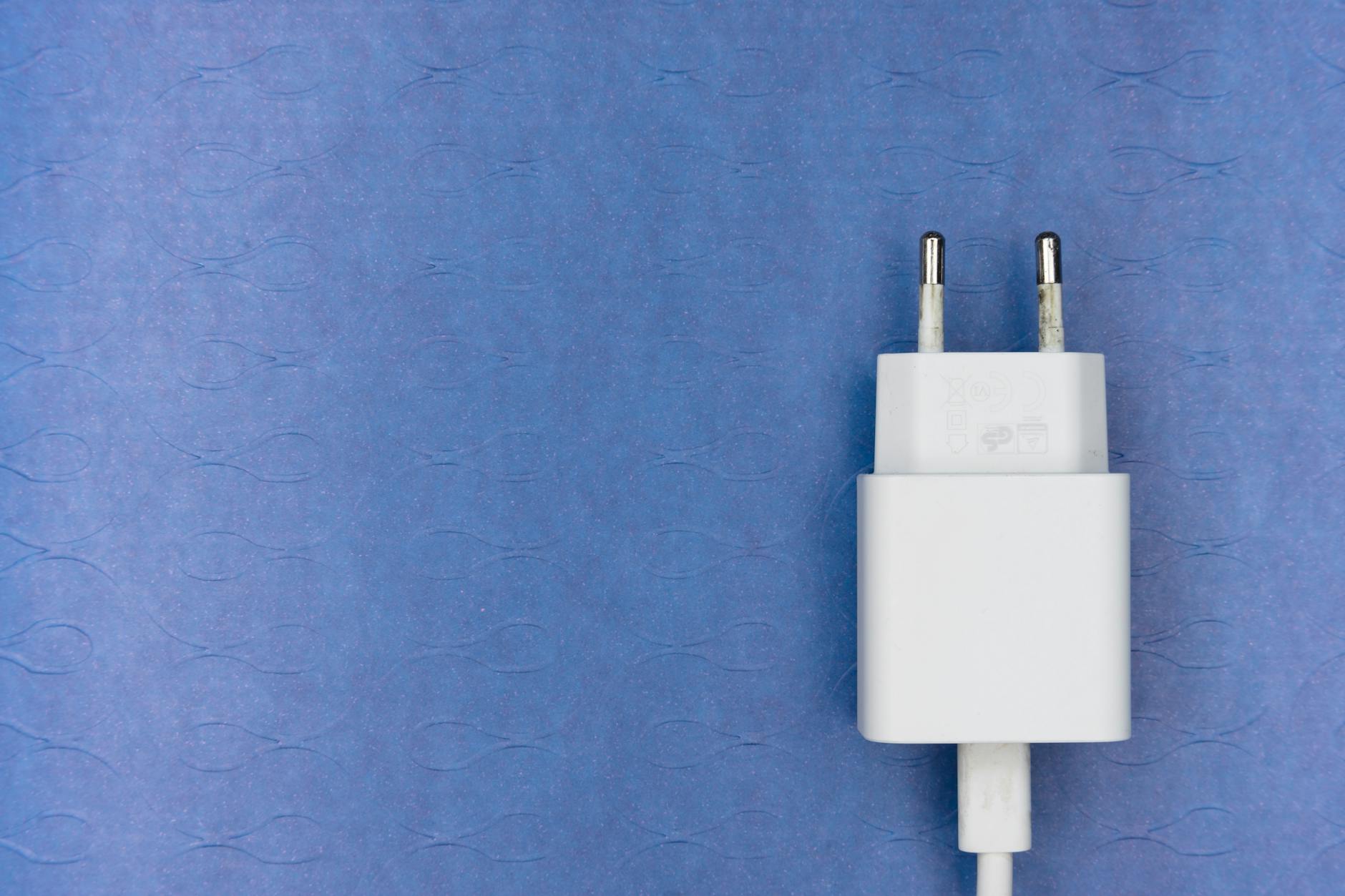
The Netherlands uses Type C and Type F power sockets (the standard two-pin European plugs). The voltage is 230V at 50Hz — significantly higher than the 110-120V used in North America and some other regions.
Do you need an adapter? If you’re traveling from the UK (Type G), US/Canada (Type A/B), or Australia (Type I), yes — you’ll need a travel adapter. Purchase one before your trip or pick one up at Schiphol Airport’s electronics shops.
Do you need a voltage converter? Most modern electronics — laptops, phone chargers, camera chargers, electric toothbrushes — are dual-voltage (labeled “INPUT: 100-240V, 50/60Hz”) and only need an adapter plug, not a converter. Check the label on your device’s charger. Older appliances like hair dryers and curling irons that are single-voltage (120V only) will require a voltage converter or may be damaged by the higher voltage. Many hotels provide hair dryers, and some have universal outlets in bathrooms.
Water, Food Safety, and Practical Essentials
Tap Water
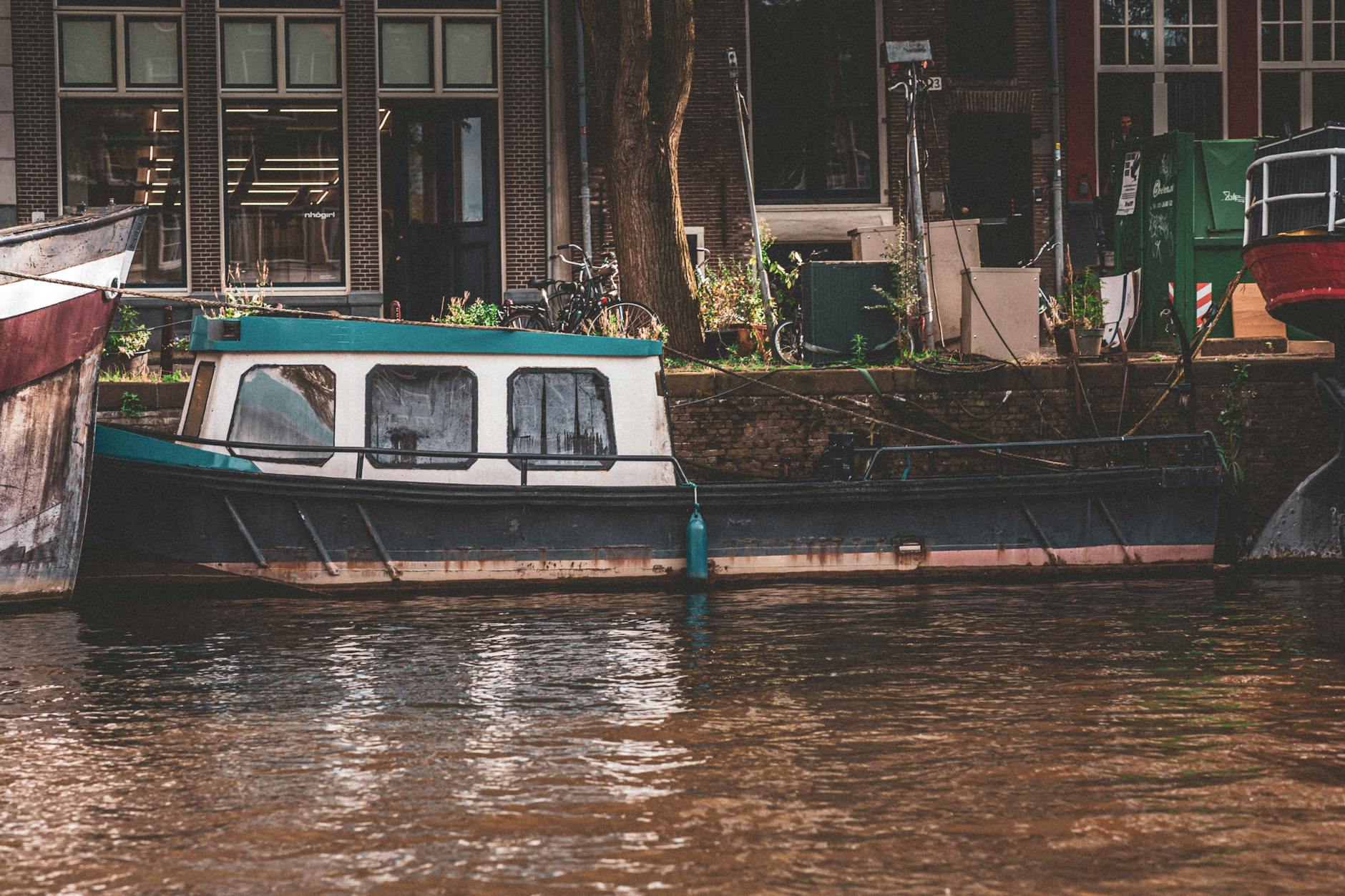
Amsterdam’s tap water is excellent — clean, safe, and genuinely delicious. Dutch water quality standards are among the strictest in the world, and Amsterdam’s water (supplied by Waternet) comes from dune-filtered sources and is continuously monitored. There’s no need to buy bottled water. At restaurants, you can ask for “kraanwater” (tap water) — most will provide a carafe free of charge, though some tourist-oriented establishments may hesitate. The city has over 500 free public water taps available 24/7, found in Vondelpark, Museumplein, and throughout the city — look for blue drinking water signs.
Food Safety
Food hygiene standards in the Netherlands are high and strictly enforced. The Dutch Food Safety Authority (NVWA) regularly inspects restaurants and food vendors. Street food from markets like Albert Cuypmarkt is safe to eat. Allergen labeling is mandatory at restaurants — staff are required to inform you of major allergens upon request. If you have dietary restrictions, see our food and drink guide for vegetarian, vegan, halal, kosher, and gluten-free options.
Toilets
Public toilets in Amsterdam typically charge €0.50-1.00. Look for the distinctive green-and-gray public urinals (plaskrul) around busy nightlife areas — these are for men only. The best free toilet options are department stores (De Bijenkorf on Dam Square), museums you’re visiting, and libraries (the stunning Centrale Bibliotheek near Centraal Station has free restrooms on multiple floors). Most cafés and restaurants reserve toilets for paying customers, but buying a coffee earns you access.
Luggage Storage
If you need to store luggage during a layover or between check-out and your flight, Amsterdam Centraal Station has lockers (from €6 for 24 hours). Third-party services like Stasher, Nannybag, and Bounce partner with local shops and hotels throughout the city to offer luggage storage from around €5-7 per bag per day — book online for guaranteed availability.
Dutch Etiquette and Cultural Norms
Directness
The Dutch are famously direct communicators. If a local gives you a blunt, unvarnished opinion, it comes from a culture that values honesty over politeness — it’s not meant as rudeness. “No” is a complete sentence in Dutch conversation, and sugar-coating is considered insincere. At the same time, the Dutch consider asking about personal income, religion, or political beliefs to be intrusive — stick to safer topics like travel, food, and football (soccer).
Cycling Culture
Understanding cycling culture is essential for every Amsterdam visitor. There are more bicycles than people in the city, and cyclists have established right-of-way on their dedicated lanes. Never walk, stand, or stop in cycle lanes (often painted red or clearly separated from pedestrian paths) — cyclists travel fast and will not slow down. Look both ways before crossing any street, and listen for bells. If you rent a bike, signal your turns, stay to the right, don’t stop suddenly, and lock it securely (always through the frame and to a fixed object) whenever you park. For comprehensive cycling tips, see our transport guide.
Cannabis and Coffee Shops
Cannabis is tolerated (gedoogd) in the Netherlands, not technically legal. Possession of up to 5 grams and purchase in licensed coffeeshops are tolerated by authorities. Coffeeshops (note: one word, different from “coffee shops” or cafés that serve coffee) are the only places where you can legally purchase cannabis. Smoking marijuana in public spaces, on streets, and in parks is not allowed and can result in fines. Many neighborhoods have designated no-smoking zones. Tobacco smoking is banned in all indoor public spaces, including coffeeshops themselves — only pure cannabis can be smoked inside. Magic mushrooms are illegal, though “magic truffles” are sold legally in smart shops.
Red Light District Etiquette
The Red Light District (De Wallen) is a legitimate part of Amsterdam and safe to visit. However, strict rules apply: never photograph or film sex workers in their windows — this is prohibited and can result in confiscation of your device or a fine. Don’t block the doorways or windows. Don’t be loud or disruptive, especially late at night. Organized walking tours provide context and history while respecting the area’s residents and workers. For more on exploring this and other Amsterdam neighborhoods, see our guide.
Language
Approximately 90% of Dutch people speak English fluently — you’ll rarely encounter language barriers in Amsterdam. However, learning a few Dutch phrases goes a long way: dank je wel (thank you), alsjeblieft (please/here you go), sorry (same as English), goedemorgen (good morning), and the untranslatable gezellig (cozy, convivial, warm — the heart of Dutch social culture). Most menus, signs, and public transport announcements are in both Dutch and English. If you want to go beyond the basics, our list of essential Dutch phrases for tourists covers greetings, ordering, numbers and the handful of words that genuinely warm up a Dutch shopkeeper.
Shopping Hours and Business Practicalities
Opening Hours
Dutch business hours follow a consistent pattern, though tourist areas are more flexible. Shops: Generally open Monday-Saturday 10:00am-6:00pm, with Thursday evening shopping until 9:00pm. Sunday opening is common in central Amsterdam (noon-6:00pm) but less reliable elsewhere. Supermarkets: Most Albert Heijn and Jumbo locations open 8:00am-10:00pm daily, with some 24-hour locations. Museums: Typically open 10:00am-5:00pm; many close on Mondays. Restaurants: Lunch service noon-2:30pm, dinner service 6:00-10:00pm. Many kitchens close by 9:30pm — don’t arrive expecting to order at 10:00pm. Banks: Monday-Friday 9:00am-5:00pm; closed weekends.
VAT Refunds
Non-EU residents can reclaim the 21% VAT on purchases over €50 at participating shops. Look for “Tax Free Shopping” signs, ask for a tax-free form when paying, and have it stamped at customs at Schiphol before check-in. Refund services like Global Blue and Planet operate desks at Schiphol for immediate cash refunds (minus a processing fee). Keep receipts and purchased items accessible in your hand luggage for customs inspection.
Weather and What to Pack
Amsterdam’s maritime climate means weather can change rapidly at any time of year. The golden rule: always bring layers and rain protection, regardless of the season. For detailed month-by-month weather data and packing lists, see our seasonal Amsterdam guide.
Year-round essentials: A waterproof jacket or compact umbrella (wind makes umbrellas tricky — a rain jacket is better), comfortable walking shoes with good grip (cobblestones can be slippery when wet), layers you can add or remove, and a day bag with a secure closure for valuables. Summer (June-August): Light clothing, but always pack a sweater for cool evenings (temperatures rarely exceed 25°C/77°F). Winter (December-February): Warm coat, scarf, gloves, and hat. Temperatures hover around 2-5°C (35-41°F) with frequent rain and wind. Waterproof boots are valuable.
Useful Apps for Amsterdam
9292: The definitive Dutch public transport app. Enter your origin and destination, and it calculates the fastest route using trains, trams, buses, and metros with real-time departure times. Essential for navigating Amsterdam and the wider Netherlands.
NS (Nederlandse Spoorwegen): The Dutch railway app for booking train tickets, checking schedules, and real-time updates. Useful for day trips and Schiphol transfers.
Google Maps: Works excellently in Amsterdam with accurate walking, cycling, and public transport directions. It includes indoor maps for Schiphol Airport and major stations.
Tikkie: The Dutch payment app used by locals to split bills and request small payments. Useful if you’re traveling with Dutch friends or splitting costs with other travelers.
Buienradar: The go-to Dutch weather app. Its rain radar shows minute-by-minute precipitation forecasts for your exact location — invaluable for deciding whether to wait five minutes for a shower to pass or to commit to getting wet.
Amsterdam Centraal Station: Your Navigation Hub
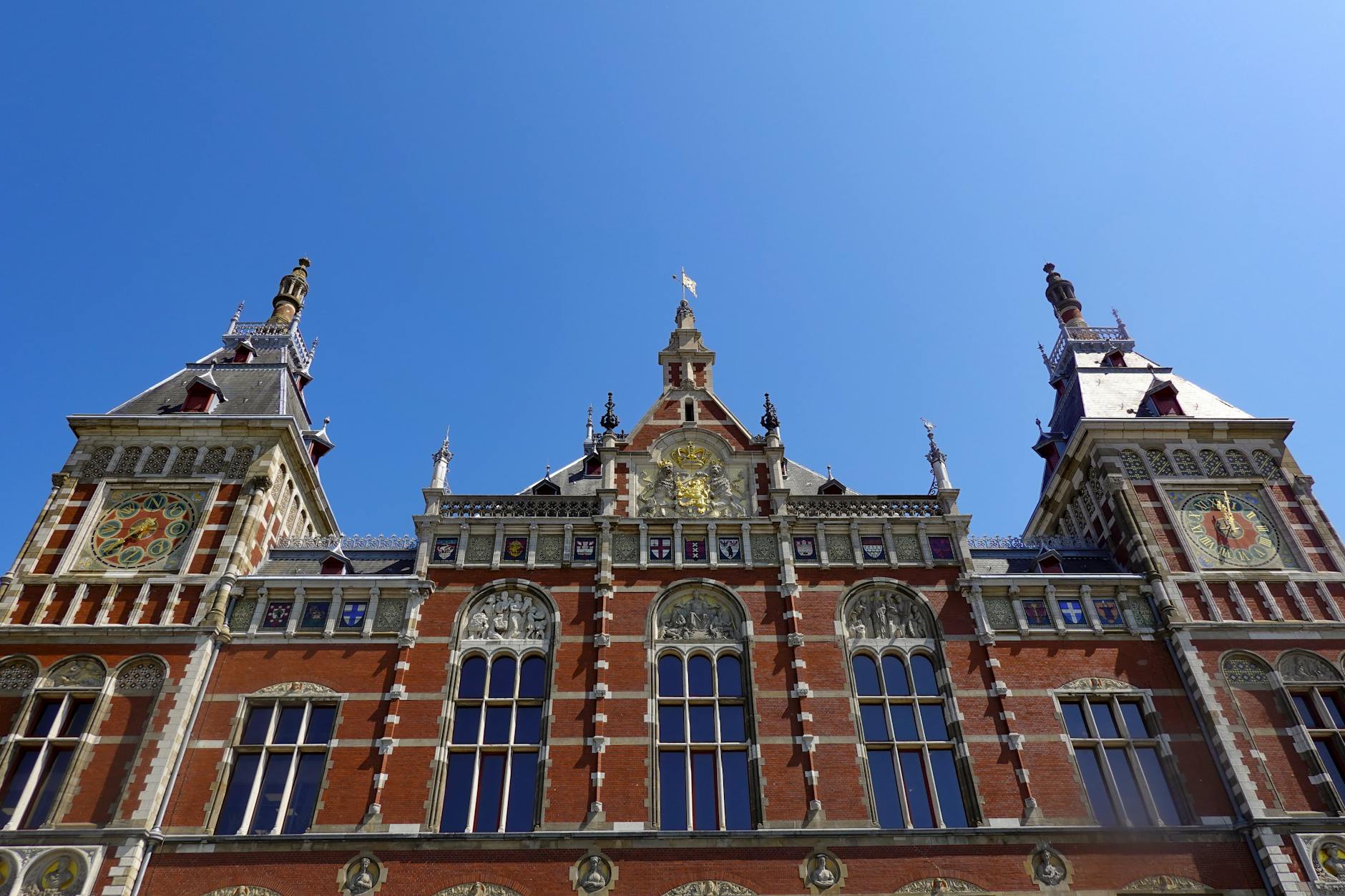
Amsterdam Centraal Station is the city’s main transport hub and likely where you’ll start your exploration. The station connects international trains (Eurostar from London, Thalys from Paris and Brussels, ICE from Germany), national rail services, regional buses, all metro lines, most tram lines, and the free ferries to Amsterdam-Noord. The station building itself is a stunning neo-Renaissance landmark from 1889, designed by Pierre Cuypers (who also designed the Rijksmuseum).
Practical facilities at Centraal include tourist information (I amsterdam store), luggage lockers, supermarkets (Albert Heijn To Go), currency exchange, public toilets, and extensive food options. The GVB public transport information desk is located in the station hall — stop here to buy an OV-chipkaart or ask about tram and bus routes. For complete transport information, see our getting around guide.
Key Practical Facts at a Glance
Time Zone: Central European Time (CET/UTC+1), Central European Summer Time (CEST/UTC+2) from late March to late October.
Currency: Euro (€). Cards widely accepted; carry some cash for markets and small businesses.
Language: Dutch (Nederlands). English spoken fluently by approximately 90% of the population.
Electricity: 230V, 50Hz. Plug types C and F (two-pin European). Adapter needed for UK, US, and Australian devices.
Tap Water: Excellent quality. Safe and delicious — no need to buy bottled water.
Emergency: 112 (police, fire, ambulance). Non-emergency police: 0900 8844.
Tourist Tax: 12.5% on accommodation (plus 21% VAT as of 2026).
Tipping: Not obligatory. 5-10% at restaurants for good service is appreciated.
Schiphol to City Center: Train (17 min, €4.90), Bus 397 (30 min, €6.50), Taxi (€40-80).
Country Code: +31. Amsterdam area code: 020.
Public Holidays and When Things Close
Most Dutch public holidays barely dent a tourist’s day — supermarkets, museums and restaurants in the centre usually stay open. Two exceptions matter. On King’s Day (Koningsdag, 27 April) the entire city turns into one giant orange street party and flea market; it’s a brilliant experience but expect packed trams, sold-out hotels and some shops shut by mid-afternoon. On Christmas Day and 1 January, many smaller places close and public transport runs a reduced timetable. Other holidays — Easter Monday, Ascension, Whit Monday, Liberation Day (5 May) — mostly affect banks and offices rather than tourist life. If a specific museum or restaurant is central to your plans, check its own calendar rather than assuming.
Getting Around Once You’re Here
Amsterdam’s centre is genuinely walkable — you can cross the canal ring on foot in 25 minutes — so don’t over-plan transport. For longer hops, the tram network is excellent and you tap on and off with any contactless bank card or phone (the system is called OVpay). Trams 2 and 5 cover the museum-and-shopping spine; the metro is faster for Noord and Zuidoost. Renting a bike is the most Amsterdam thing you can do, but only if you’re a confident cyclist comfortable with fast, assertive local traffic. Whatever you choose, our complete guide to getting around Amsterdam breaks down tickets, day passes and the bike-versus-tram trade-off in detail.
One practical reflex worth building immediately: look both ways for bikes, twice, before stepping off any kerb. The single most common tourist mishap in Amsterdam isn’t crime — it’s wandering into a cycle lane while looking at a phone. Cyclists travel fast, ring their bells once as a warning rather than a courtesy, and will not stop for you.
Accessibility and Getting Help
Amsterdam is moderately accessible, with caveats rooted in its history. Trams are increasingly low-floor and metro stations have lifts, but the famous canal houses were built four centuries ago with steep, narrow staircases and no room for one. Cobblestones and humpbacked bridges make some routes bumpy for wheelchairs and prams. Major museums (the Rijksmuseum, Van Gogh Museum, Anne Frank House) have step-free access and accessible toilets, though the Anne Frank House’s historic upper floors cannot be fully adapted. If accessibility shapes your trip, plan accommodation in flatter, newer areas and confirm details venue by venue. Travellers with specific needs will find more in our guide to Amsterdam for every traveller.
Smart Habits That Prevent 90% of Problems
- Photograph your passport, cards and travel insurance and store them somewhere you can reach without the originals — a private cloud folder or an email to yourself.
- Carry one card, leave one in the hotel safe. If a wallet goes missing, you’re never fully stranded.
- Keep around EUR 50 in small notes. Some bakeries, market stalls, toilets and a few brown cafes are cash-only or Dutch-debit-only.
- Decline “dynamic currency conversion.” When a card terminal or ATM offers to charge you in your home currency, always choose euros — the home-currency rate is worse.
- Refill a water bottle. The tap water is excellent and free taps are dotted around the city.
- Screenshot your hotel address in Dutch. Useful for taxi drivers and for finding your way back after a long day.
Practical FAQ
Do I need cash in Amsterdam, or is everything card?
You’ll pay by card or phone for the vast majority of things — Amsterdam is close to cashless. But carry around EUR 50 in small notes anyway. Some markets, bakeries, public toilets and older brown cafes are cash-only or accept only Dutch debit cards, and a non-EU credit card occasionally gets declined at supermarkets.
Is it safe to drink tap water in Amsterdam?
Yes. Dutch tap water meets some of the strictest standards in the world and tastes excellent. There’s no need to buy bottled water — ask for “kraanwater” at restaurants and refill your bottle at the free public taps around the city.
What’s the cheapest way from Schiphol to central Amsterdam?
The train. It runs from directly beneath the terminal to Amsterdam Centraal in roughly 17 minutes for around EUR 5, every 10-15 minutes through the day. Tap in with a contactless card. The 397 express bus is handy if your hotel is near the Museum Quarter, and taxis run EUR 40-80.
Do people in Amsterdam speak English?
Almost universally. Around 90-95% of Amsterdammers speak fluent English, and menus, signs and transport announcements are usually bilingual. You won’t hit a language barrier, though learning a few Dutch greetings is genuinely appreciated and tends to earn warmer service.
What should I do in an emergency in Amsterdam?
Dial 112 for police, fire or ambulance — it works from any phone, even a locked one without a SIM, and operators speak English. For non-urgent police matters use 0900 8844. For minor medical issues, the TouristDoc service sends a doctor to your hotel.
Is Amsterdam expensive for tourists in 2026?
It’s on the pricier side of European city breaks, and accommodation in particular carries heavy taxes — a 12.5% tourist tax plus a higher VAT rate as of 2026. Food, transport and museums are more reasonable. A realistic mid-range day, excluding your hotel, lands somewhere around EUR 70-110 per person depending on how you eat and what you see.
Your Amsterdam Trip Starts Here
With the practical details sorted, you’re free to focus on what really matters — experiencing one of Europe’s most vibrant, beautiful, and welcoming cities. Use this guide as your reference whenever a practical question comes up, and explore our complete collection of Amsterdam guides to plan every aspect of your trip.
Start with our trip planning guide for itineraries and budgets, discover the best things to do, find your perfect neighborhood, explore Dutch food and drink, plan day trips, and find out what Amsterdam offers for every type of traveler. Welcome to Amsterdam — veel plezier (have fun)!
Keep exploring practical Amsterdam
- Is Amsterdam safe for tourists? — the honest, non-alarmist safety picture.
- Common Amsterdam scams and how to avoid them — the dozen cons that target visitors.
- Amsterdam money, currency and tipping — cards, ATMs and how much to tip.
- Essential Dutch phrases for tourists — 50 words you’ll actually use.