Amsterdam’s Jewish heritage spans 400 years of one of Europe’s most consequential Jewish communities — from Sephardic refugees fleeing Spain in the 1600s to Ashkenazi traders building one of Europe’s largest synagogues, to Anne Frank in hiding, to the Holocaust that decimated 75,000 of the city’s 80,000 Jews. This complete guide covers the Jewish Cultural Quarter (Portuguese Synagogue, Jewish Museum, Hollandsche Schouwburg memorial, National Holocaust Museum), Anne Frank House, and walking routes through the historic Jodenbuurt that bring 400 years of history into one moving day.
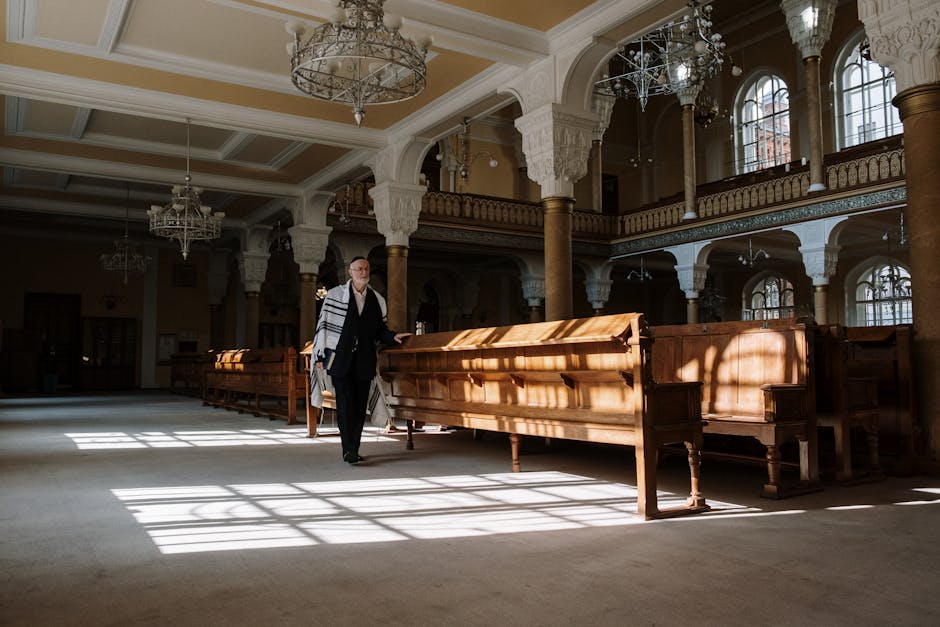
A Brief History
- 1593: First Jewish settlers — Sephardic refugees from Spain and Portugal fleeing the Inquisition.
- 1610s: Religious tolerance in Amsterdam attracts more Jewish settlement; Sephardim build their first synagogue.
- 1620s-1700s: Ashkenazi Jews arrive from Germany and Eastern Europe; the Jewish Quarter (Jodenbuurt) develops.
- 1675: The Portuguese Synagogue is built — at the time the largest synagogue in the world.
- 1671 onwards: Jewish citizens contribute significantly to Amsterdam’s Golden Age trade and intellectual life.
- 1796: Dutch Jews granted full civil rights — earlier than most of Europe.
- 1810: Napoleonic occupation; Jews granted full citizenship.
- 1940: ~80,000 Jews in Amsterdam.
- 1941: February Strike — Dutch dockworkers and tram drivers protest the deportation of Amsterdam Jews; the only mass civil protest against the Holocaust anywhere in Nazi-occupied Europe.
- 1942-1945: Anne Frank in hiding at Prinsengracht 263. Roughly 75,000 of Amsterdam’s 80,000 Jews murdered in the Holocaust.
- 1947: Anne Frank’s diary published.
- 1955-Present: Slow rebuilding of Jewish community; major restoration of synagogues and museums.
- 2024: National Holocaust Museum opens — the Netherlands’ first dedicated national Holocaust museum.
The Jewish Cultural Quarter
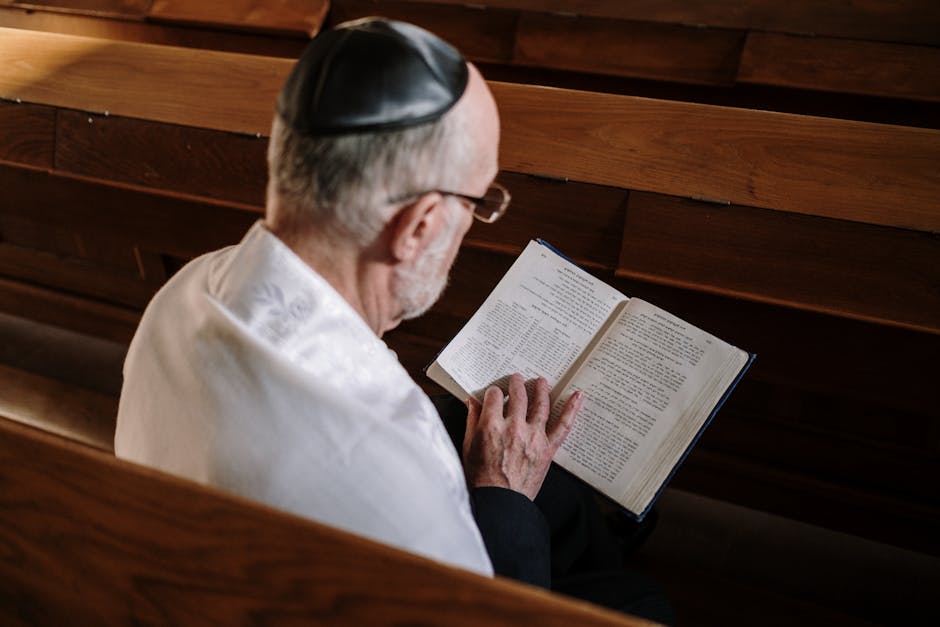
Amsterdam’s Jewish heritage is concentrated in the "Jewish Cultural Quarter" (Joods Cultureel Kwartier), a 1-square-kilometre area around Mr. Visserplein and Plantage Middenlaan. Five museums + a synagogue + a memorial covered by a single combined ticket (€20).
Portuguese Synagogue
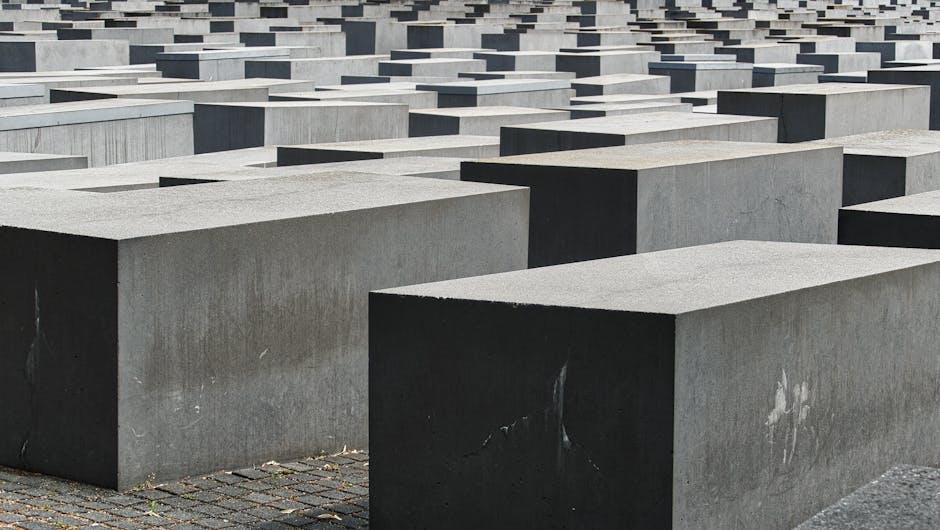
- Where: Mr. Visserplein 3.
- Built: 1675; designed by Elias Bouman.
- Significance: at the time the largest synagogue in the world; remains the largest 17th-century synagogue.
- Architecture: inspired by Solomon’s Temple in Jerusalem; colossal stone columns, wooden ceilings, gilded chandeliers.
- Library: one of the oldest Jewish libraries in the world — UNESCO Memory of the World inscription.
- Interior: unchanged for 350 years — still lit by candles for major services.
- Hours: Sunday-Friday 10am-5pm (Friday until 2pm).
- Cost: included in Jewish Cultural Quarter combined ticket (€20).
- Time needed: 45-60 minutes.
Jewish Museum (Joods Museum)
- Where: Nieuwe Amstelstraat 1; opposite the Portuguese Synagogue.
- Building: four restored 17th-18th century Ashkenazi synagogues (Grote Sjoel, Obbene Sjoel, Dritt Sjoel, Nieuwe Sjoel) joined into a single museum complex.
- Permanent exhibition: 400 years of Dutch Jewish history, religion and culture.
- Includes: ceremonial objects, paintings, photographs, films, 3D presentations.
- Highlights: Sephardic period; Golden Age; 19th-century emancipation; pre-war life; Holocaust; modern Jewish life.
- Jewish Museum Junior: dedicated children’s museum within the complex.
- Hours: 10am-5pm daily.
- Time needed: 1.5-2 hours.
National Holocaust Museum
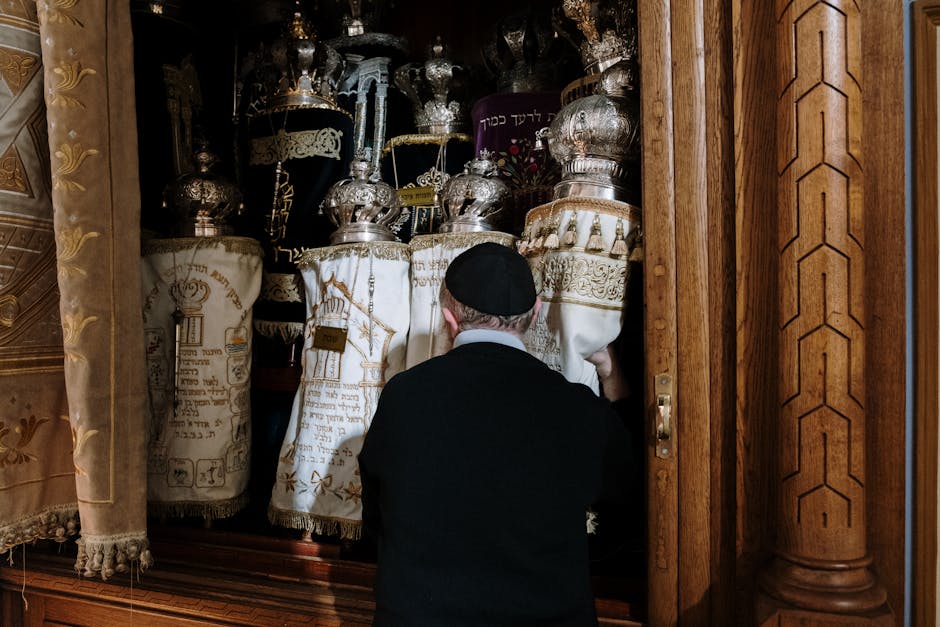
- Where: Plantage Middenlaan 27 (former Jewish Teachers’ College).
- Opened: 2024.
- What: the Netherlands’ first dedicated national Holocaust museum.
- Building significance: between 1942-1944, the building served as a temporary hiding/escape route for Jewish children.
- Highlights: personal stories, deportation maps, hidden-children section, postwar memorial.
- Hours: 11am-5pm daily.
- Cost: €17; included in Jewish Cultural Quarter ticket.
- Time needed: 1.5-2 hours.
Hollandsche Schouwburg Memorial
- Where: Plantage Middenlaan 24 (across the street from National Holocaust Museum).
- Original use: 1892 theatre.
- Nazi occupation: 1942-1943 — Nazis converted it into the central deportation point for Amsterdam Jews. Over 60,000 Jews were held here before being transported to Westerbork, then to death camps.
- Today: open-air memorial in the former theatre courtyard; names of murdered Dutch Jews engraved on stone columns.
- Hours: 11am-5pm daily.
- Cost: included in Jewish Cultural Quarter ticket.
- Powerful: 30-45 minutes is enough; emotionally heavy.
Anne Frank House
- Where: Prinsengracht 263, Jordaan (3 km from Jewish Cultural Quarter).
- What: the secret annex where Anne Frank and her family hid for 25 months before betrayal in August 1944.
- Cost: €16.50.
- Tickets: timed-entry online only; release every Tuesday 10am Dutch time for the week 6 weeks ahead.
- Time: 90 minutes.
- Note: NOT part of the Jewish Cultural Quarter combined ticket; book separately.
See our Anne Frank House Visitor Guide.
Other Jewish Heritage Sites
- De Pinto House (Sint Antoniesbreestraat 69) — 17th-century wealthy Sephardic merchant’s home, now a library.
- Rembrandt House Museum (Jodenbreestraat 4) — Rembrandt lived in the Jewish Quarter and painted many of his Jewish neighbours.
- Stolpersteine — small brass paving stones across the city marking where Jewish residents lived before being deported. Especially dense in Plantage.
- Auschwitz Monument (Wertheim Park) — Jan Wolkers’s broken-mirrored memorial.
- Dockworker Statue (Jonas Daniël Meijerplein) — commemorates the 1941 February Strike against Jewish deportations.
- Joods Hospital site — the original Jewish Hospital; many original buildings remain.
- Waterlooplein flea market — held on what was the heart of the pre-war Jewish Quarter; the market itself has Jewish-trader origins.
- Begraafplaats Beth Haim (Ouderkerk) — 17th-century Sephardic cemetery; the oldest surviving Jewish cemetery in Europe (40 minutes by tram + bus).
A Jewish Heritage Walking Route
- 9.30am: Coffee at a Plantage café.
- 10.00am: National Holocaust Museum (1.5 hours).
- 11.30am: Hollandsche Schouwburg memorial (30 min, across the street).
- 12.00pm: Walk to the Jewish Cultural Quarter via Plantage Middenlaan.
- 12.30pm: Lunch at Restaurant Plancius.
- 1.30pm: Portuguese Synagogue (1 hour).
- 2.30pm: Jewish Museum (1.5-2 hours).
- 4.30pm: Walk Jodenbreestraat past Rembrandt House.
- 5.00pm: Wertheim Park + Auschwitz Monument.
- 5.30pm: Dockworker Statue at Jonas Daniël Meijerplein.
- 6.00pm: End the day with dinner at De Plantage restaurant.
Combined Tickets
- Jewish Cultural Quarter Combined Ticket: €20 — covers Portuguese Synagogue + Jewish Museum + Hollandsche Schouwburg + National Holocaust Museum. Valid 1 month.
- Buy online at jck.nl.
- Free for children under 17.
- Covered by Museumkaart.
Why It’s Meaningful
- Amsterdam was one of Europe’s most religiously tolerant cities for 400 years.
- The pre-war Amsterdam Jewish community was integral to Dutch culture, commerce, and identity.
- The Holocaust here killed proportionally more Dutch Jews (75%) than in most other Western European countries — a uniquely tragic chapter.
- The February Strike was the only mass civil protest against Nazi deportations anywhere in occupied Europe.
- Restoring and remembering this heritage is a meaningful act of historical respect.
Jewish Cultural Events
- Yom HaShoah (Holocaust Remembrance Day): April/May.
- February Strike commemoration: 25 February annually at the Dockworker Statue.
- Liberation Day (May 5): Hollandsche Schouwburg ceremonies.
- National Day of Remembrance (May 4): 2 minutes of silence at 8pm; the city pauses.
- Sukkot (autumn): Portuguese Synagogue holds public services.
- Hanukkah: candle-lighting at Dam Square.
Kosher Dining
- HaCarmel (Amstelveenseweg) — strictly kosher restaurant.
- Mouwes Catering — kosher takeaway.
- Albert Heijn supermarkets: limited kosher products.
- For Shabbat services: contact the Portuguese Synagogue or AJC Amsterdam.
Practical Tips
- Book Anne Frank House separately 6 weeks ahead.
- Jewish Cultural Quarter is best done in one go to make the combined ticket worth it.
- Allow a full day for Jewish Cultural Quarter + Anne Frank House.
- Quiet, reflective experience: keep voices down; cover heads in synagogues.
- Photography: usually permitted but no flash inside historic synagogues.
- Closed Saturdays: Portuguese Synagogue closes for Shabbat; the other museums remain open.
- Yom Kippur: all Jewish Cultural Quarter venues closed.
- Audioguides included with admission at most venues.
Extending the Visit
- Westerbork Memorial Camp (Drenthe): 2.5 hours by train; the Dutch transit camp from which Jews were sent to Auschwitz.
- Beth Haim cemetery (Ouderkerk aan de Amstel): 40 min by tram + bus; oldest surviving Jewish cemetery in Europe.
- Diary of Anne Frank Foundation educational center: in addition to the museum.
- Resistance Museum (Verzetsmuseum): Plantage Kerklaan; companion piece on Dutch resistance.
Amsterdam Jewish Heritage: FAQ
What’s the Jewish Cultural Quarter?
A 1-km² area around Mr. Visserplein and Plantage Middenlaan with 5 museums: Portuguese Synagogue, Jewish Museum, Jewish Museum Junior, Hollandsche Schouwburg memorial, and National Holocaust Museum. €20 combined ticket.
Is the Portuguese Synagogue still active?
Yes — services are held on Shabbat and major holidays. The interior is preserved unchanged since 1675.
How long to spend in the Jewish Cultural Quarter?
Full day for all four venues. Half-day for the highlights (Portuguese Synagogue + Jewish Museum + Hollandsche Schouwburg).
Is Anne Frank House part of the Jewish Cultural Quarter?
No — Anne Frank House is at Prinsengracht 263 in the Jordaan, 3 km away. Separate ticket; book 6 weeks ahead.
What’s the National Holocaust Museum?
Opened 2024 in the former Jewish Teachers’ College — the Netherlands’ first dedicated national Holocaust museum.
Where’s the historic Jewish Quarter?
The Jodenbuurt — around Jodenbreestraat, Mr. Visserplein, Waterlooplein and the Plantage. The neighbourhood was decimated during WW2 and largely rebuilt postwar.
Final Thoughts
Amsterdam’s Jewish heritage spans 400 years of one of Europe’s most consequential Jewish communities. A full day at the Jewish Cultural Quarter + Anne Frank House is the most moving cultural day you can spend in the city. Book Anne Frank well in advance; pair the Quarter visits in one trip to make the combined ticket worth it; allow time to process between sites.
For more, see our Amsterdam Culture & History pillar, our Anne Frank House Guide, and our Amsterdam History Timeline.