From the chain-store density of Kalverstraat to the Chanel-and-Gucci row on P.C. Hooftstraat to the canal-crossing boutique alleys of the Nine Streets and the local-favourite Haarlemmerdijk, Amsterdam packs more distinct shopping districts into 4 km² than any other European city of its size. This Amsterdam shopping streets guide covers the 10 most important shopping areas, what each is good for, the best independent shops on each, opening hours, and how to chain them together into the perfect shopping day.
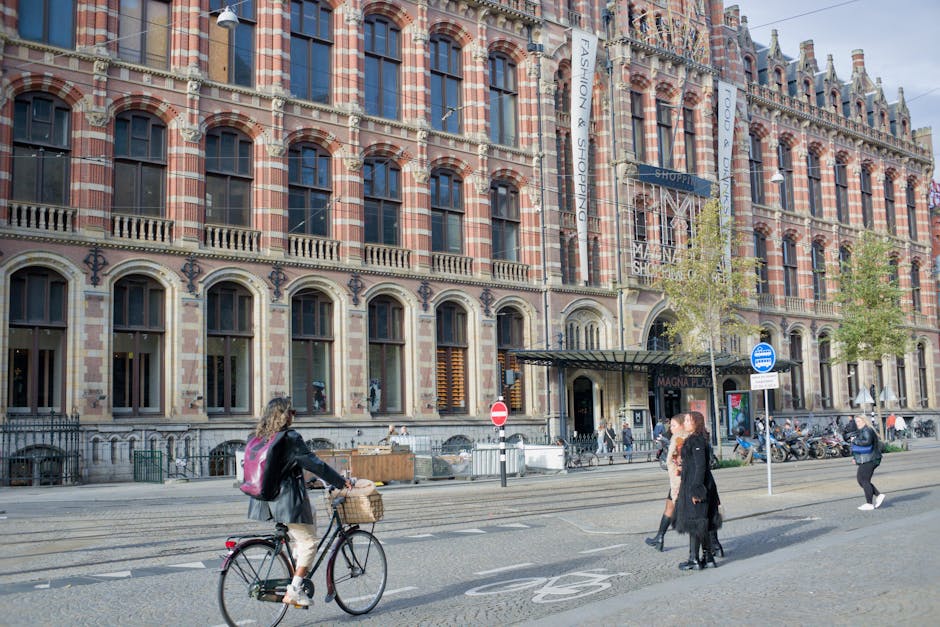
Which shopping street should you choose in Amsterdam? It depends on what you are after. Go to Kalverstraat for high-street chains, P.C. Hooftstraat for designer luxury, the Nine Streets for independent boutiques and vintage, and Haarlemmerstraat/dijk for the local concept shops and food spots that Amsterdammers actually use. The best shopping day skips the obvious and chains three or four districts together — and they are nearly all within a 20-minute walk or short tram ride of one another.
Amsterdam Shopping Streets at a Glance
| Street / area | Best for | Character |
|---|---|---|
| Kalverstraat / Nieuwendijk | High-street chains, basics | Busy, mainstream, central |
| P.C. Hooftstraat | Designer fashion, watches, jewellery | Quiet luxury, Oud-Zuid |
| The Nine Streets | Boutiques, vintage, design, concept shops | Canal-ring charm |
| Haarlemmerstraat / -dijk | Local concept shops, food, craft | Relaxed, local favourite |
| Utrechtsestraat | Mid-premium independents, records | Grown-up, less crowded |
| Spiegelkwartier | Antiques, art, Delftware | Refined, browsable |
| Cornelis Schuytstraat | Upmarket residential shopping | Discreet, local-luxe |
1. Kalverstraat & Nieuwendijk — High Street
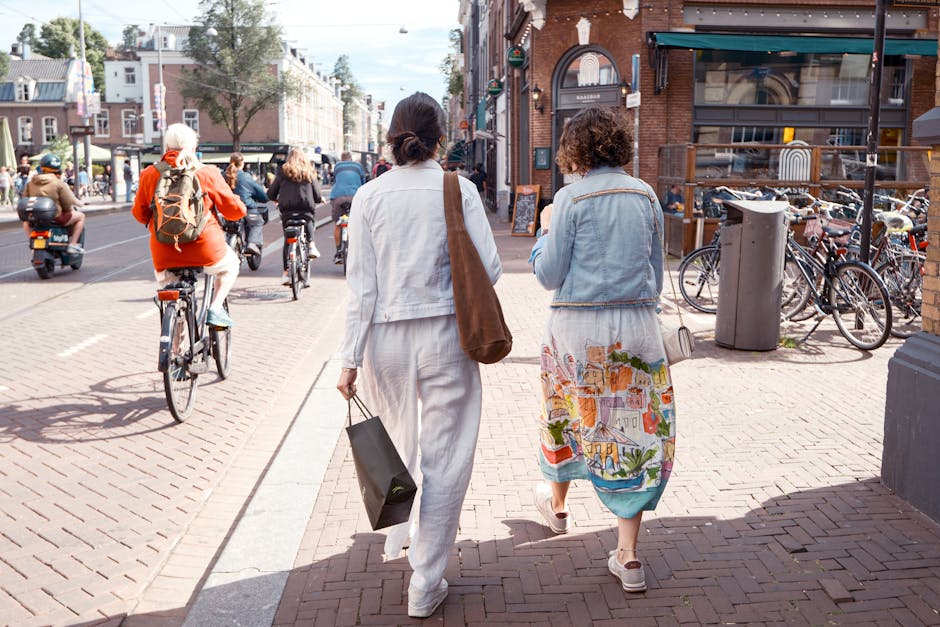
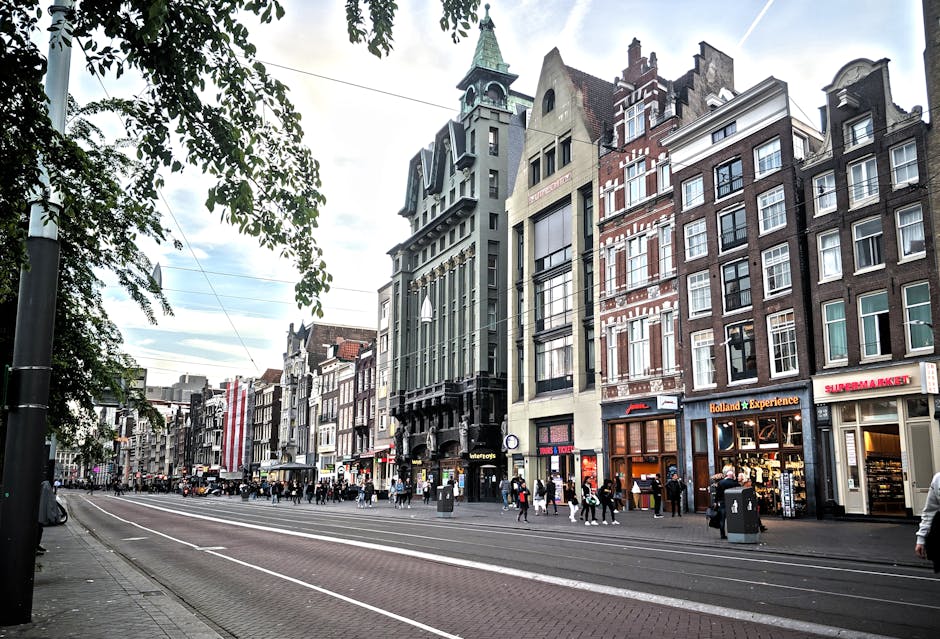
Kalverstraat is the busiest shopping street in the Netherlands — a pedestrianised 750-metre stretch from Dam Square south to Muntplein with 50,000+ visitors a day. It’s all the international high street and fast-fashion brands you already know: H&M, Zara, Pull&Bear, Bershka, Bijenkorf department store, Lush, Sephora, Apple Store. Nieuwendijk, its northern continuation from Dam Square to Centraal Station, is the same idea continued.
- Best for: mainstream fashion shopping, pharmacy stops, last-minute essentials.
- Highlight: De Bijenkorf — the Dutch flagship department store on Dam Square. Six floors; the rooftop has the best free city view from the centre.
- Open: Most shops 10am–7pm Mon–Sat, 12–6pm Sun, until 9pm Thursdays.
- Avoid: Saturday afternoons in summer — uncomfortably crowded.
Be honest with yourself about Kalverstraat: it is efficient, not charming. If you need a phone charger, a pharmacy, a fast-fashion top or a last-minute gift, it does the job and everything is in one straight line. But it is the same chains you have at home, and on a busy day the crowds are genuinely shoulder-to-shoulder. Give it twenty minutes, grab what you need, and move on. One thing worth a detour: the rooftop terrace of De Bijenkorf for a free view over the old centre. And whatever you do, do not buy souvenirs on the parallel Damrak strip — for genuinely Dutch gifts, our best Amsterdam souvenirs guide points you to better shops and markets a few minutes away.
2. P.C. Hooftstraat — Luxury
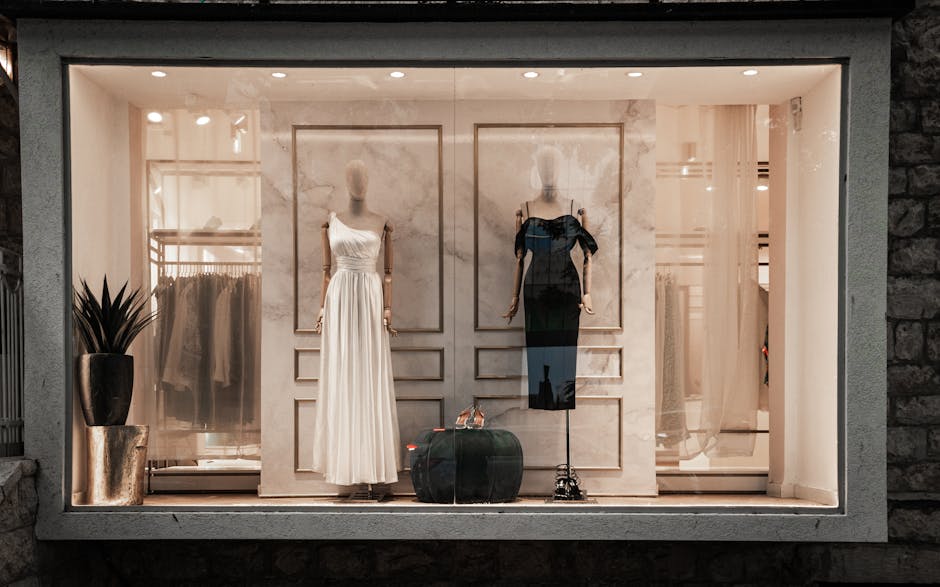
The most expensive shopping street in the Netherlands. Pieter Cornelisz Hooftstraat — "the P.C." for short — runs 300 metres next to the Stedelijk Museum and is wall-to-wall European luxury houses: Chanel, Louis Vuitton, Hermès, Cartier, Tiffany, Bulgari, Dior, Prada, Gucci, Saint Laurent, Bottega Veneta, Valentino, Dolce & Gabbana. Storefronts double as discreet velvet-rope boutiques.
- Best for: high-end fashion, watches, jewellery, designer leather.
- Highlight: the small Hester van Eeghen handbag shop at PC Hooftstraat 41 — the Dutch independent option in a sea of giants.
- Open: 10am–6pm Mon–Sat, 12–6pm Sun.
- Tax refund: non-EU residents can usually claim the 21% VAT back on purchases over around €50; ask in-store and check current thresholds.
The P.C. is worth a stroll even if you have no intention of buying anything. It is the closest Amsterdam gets to a Milan or Paris luxury boulevard, but compressed into 300 quiet, tree-lined metres next to the Museum Quarter — so you can pair a window-shopping wander with the Van Gogh Museum or a turn around Vondelpark in the same hour. Do not be put off by the velvet-rope feel; the staff are used to browsers, and the people-watching is half the appeal. If you want something genuinely local rather than a global logo, seek out the small Dutch independents tucked among the giants — Hester van Eeghen for handbags is the classic example. And if luxury is not your thing at all, you are a five-minute tram from far more characterful shopping in the centre.
3. De Negen Straatjes (The Nine Streets) — Independent Boutiques
Three rows of three short streets — Reestraat, Berenstraat, Runstraat (north), Hartenstraat, Wolvenstraat, Huidenstraat (middle), and Gasthuismolensteeg, Oude Spiegelstraat, Wijde Heisteeg (south) — that link the four main canals between Singel and Prinsengracht. The naming references the old skin-tanning industry ("huiden" means hides). Today: the city’s best concentration of small independent boutiques, vintage stores, design labels, and concept shops.
- Things I Like Things I Love (Hartenstraat 29) — independent fashion mixing Dutch and Scandi labels.
- De Kaaskamer (Runstraat 7) — the city’s best Dutch cheese shop.
- Sukha Amsterdam (Haarlemmerstraat 110, just over the line) — beautifully curated minimalist homewares.
- Bij Ons Vintage (Wolvenstraat) — well-edited Dutch and European vintage.
- De Witte Tanden Winkel (Runstraat 5) — the white-teeth shop; toothbrushes from around the world.
- X Bank (Spuistraat 172, near the Nine Streets) — concept store for emerging Dutch designers.
- I Love Vintage (Prinsengracht 201) — curated 1920s–80s women’s vintage.
Allow 2 hours minimum. Most shops open 11am–6pm. Combine with lunch at Pluk (Reestraat 19) or Pancakes Amsterdam (Berenstraat 38).
The Nine Streets are where Amsterdam shopping is at its most Amsterdam. The shops are small, owner-run and tightly curated, the buildings are seventeenth-century canal houses, and the whole grid sits in the canal ring just east of the Jordaan — so even window-shopping doubles as one of the prettiest walks in the city. Do not treat it as a checklist; the pleasure is drifting between a vintage shop, a cheese counter and a design store and stopping for coffee with a canal view when your feet give out. It is also the best district in town for vintage, with Episode, Bij Ons and Laura Dols all within a few minutes of each other.
4. Haarlemmerdijk & Haarlemmerstraat — Local Cool
The continuation of one street under two names — Haarlemmerstraat (east end, near Centraal) into Haarlemmerdijk (west end, towards Westerpark). The independent-shop heartland of locals, with the highest concentration of single-owner concept stores, design boutiques and craft food shops in the city.
- Concrete Matter (Haarlemmerdijk 127) — beautifully curated men’s lifestyle objects, knives, leather, vinyl.
- Het Faire Oosten (Haarlemmerdijk 67) — fair-trade clothing, design and homewares.
- Things I Like Things I Love (Haarlemmerstraat 29) — see Nine Streets pick.
- Sukha Amsterdam (Haarlemmerstraat 110) — minimalist homeware and lifestyle.
- Schroeder & Du Bois — small jewellery boutique with Dutch designers.
- Vlaamsch Broodhuys — sourdough and pastry institution.
- Marqt — small high-end grocery; deli food and natural wines.
If you only have time for one “real Amsterdam” shopping street, make it this one. Haarlemmerstraat and its westward continuation Haarlemmerdijk run from just behind Centraal Station out towards Westerpark, and the mix is exactly what locals want on a Saturday: a fair-trade clothing shop next to a sourdough bakery next to a men’s lifestyle store next to a natural-wine deli. It is close enough to the station to fit in on an arrival or departure day, and it pairs neatly with a coffee and a pastry at Vlaamsch Broodhuys. For where to eat properly around here, see our Amsterdam food & drink guide.
5. Albert Cuypmarkt — Open-Air Market
The Albert Cuypmarkt in De Pijp is the largest open-air market in the Netherlands — 260 stalls along a kilometre of Albert Cuypstraat, Mon–Sat 9am to 5pm. It’s primarily a daily-shopping market for locals: produce, fish, cheese, flowers, household goods. For tourists it is the single best spot for stroopwafels, herring and Dutch street food. We cover the best stalls and how to navigate it in our full Albert Cuyp Market guide, and the surrounding neighbourhood in our De Pijp guide. For flowers and tulip bulbs specifically, the central Bloemenmarkt is the better-known (if more touristy) option.
6. Utrechtsestraat — Local Premium
Connecting Rembrandtplein to Frederiksplein. A solid mix of mid-premium independents — fashion, ceramics, gourmet groceries, gallery-cafes. Less crowded than Nine Streets, more grown-up. Do not miss Concerto Records for vinyl and Tempo Doeloe at #75 for an Indonesian rijsttafel. What makes Utrechtsestraat worth the short walk from Rembrandtplein is exactly what Kalverstraat lacks: it is a street locals actually use, with proper independents, gallery-cafes and gourmet groceries rather than chains, and far fewer people getting in your way. Browse the ceramics and interior shops, pick up something for dinner at one of the delis, and treat the canal-corner terraces as built-in rest stops.
7. Spiegelkwartier — Antiques
Nieuwe Spiegelstraat between the Rijksmuseum and the canal belt is the country’s antique-dealing district. Mostly serious dealers — seventeenth-century maps, Delft Blue, silver, prints, marine artefacts — in a run of small, hushed shops that feel more like galleries than stores. Even if you are not buying, it is worth walking the length for free, as a sort of open-air museum of Dutch material history.
The Spiegelkwartier is also the place to buy real Delftware if you care about authenticity. Antique single tiles and small decorative pieces turn up here at prices that, while never cheap, are far more honest than the printed imitations sold near the station — and you are buying something with genuine age and provenance. The dealers know their stock cold and will happily explain hallmarks and dates; it is a good education even if you walk out empty-handed. For more on which Dutch crafts are worth the money and how to spot the fakes, see our best Amsterdam souvenirs guide.
8. Vintage & Second-Hand
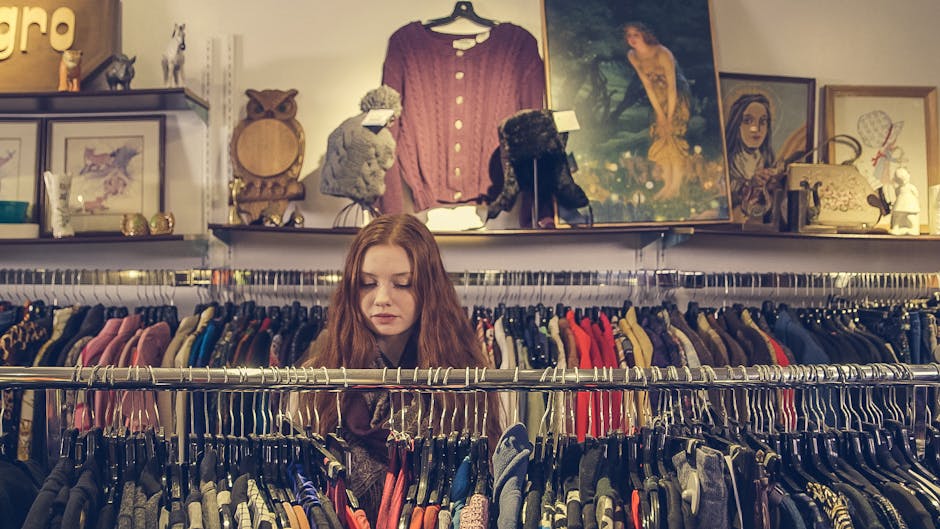
- Episode (Berenstraat 1) — the city’s most-loved vintage chain.
- Bij Ons Vintage (Wolvenstraat) — premium curation.
- Laura Dols (Wolvenstraat) — vintage bridal, eveningwear and gowns.
- Wini Vintage (Haarlemmerstraat 29) — designer and high-street vintage.
- Rumors — multi-floor warehouse vintage in the Westergasfabriek.
- Waterlooplein Market — open-air daily flea market behind City Hall; junk and gold mixed.
- IJ-Hallen — once-a-month flea market in NDSM-Werf, Europe’s largest.
9. Bookshops & Specialist Streets
- American Book Center (Spui 12) — the city’s best English-language bookshop.
- Athenaeum Boekhandel (Spui 14–16) — beautiful art-and-architecture-leaning bookshop.
- Mendo (Berenstraat 11) — design and photography books.
- Boekie Woekie — artists’ books, near the Anne Frank House.
- De Slegte / Polare — discount and remainder books on Kalverstraat.
Amsterdam is a brilliant city for browsing books, and the Spui square is the heart of it — the American Book Center and Athenaeum sit almost side by side, and on Fridays a secondhand book market fills the square. English-language readers are unusually well served here, so it is one of the few places where picking up a paperback or a beautifully produced design book makes a genuinely good, easy-to-pack souvenir. Mendo in the Nine Streets is the spot for coffee-table design and photography titles if you want something more giftable.
10. Hidden & Specialty Streets
- Cornelis Schuytstraat (Oud-Zuid) — discreet upmarket residential shopping with Marlies Dekkers lingerie and Pringle of Scotland.
- Jodenbreestraat / Sint Antoniesbreestraat — the Jewish Quarter’s small shopping spine; books, antiques, kosher delis.
- Frans Halsstraat & Gerard Doustraat (De Pijp) — independent designer streets one block from Albert Cuyp.
- Westerstraat (Jordaan) — independent boutiques, Monday textile market, Saturday market.
- Reestraat (Nine Streets) — the prettiest single street for window-shopping.
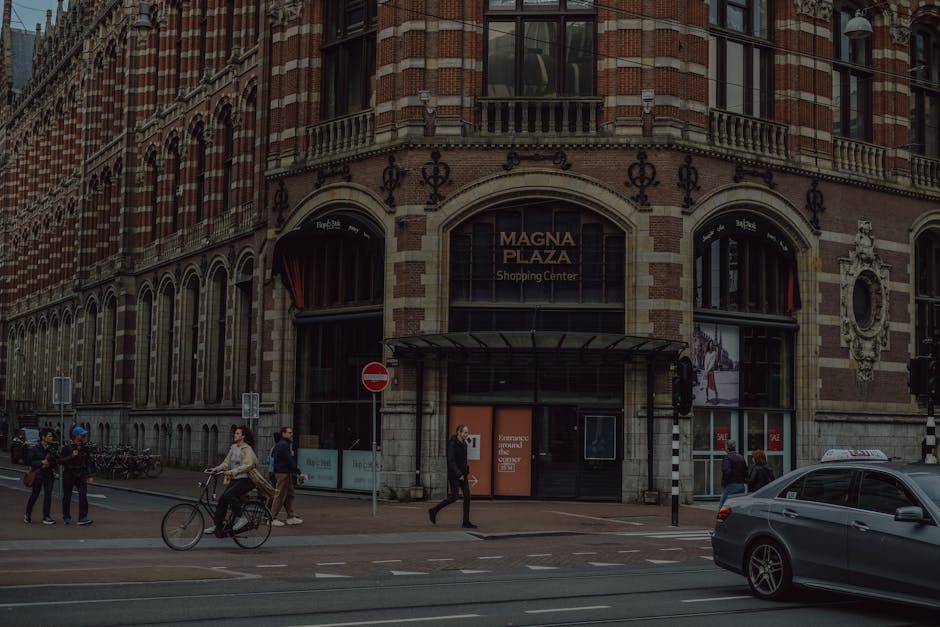
- Magna Plaza — converted post office turned mall behind the Royal Palace; mid-tier brands in a stunning building.
Shopping Streets by Budget and Style
If your budget is the deciding factor, here is the quick map. Budget and mainstream: Kalverstraat and Nieuwendijk for chains, plus the markets — the Albert Cuyp and Waterlooplein — for cheap food, vintage and bargains. Mid-range and independent: the Nine Streets, Haarlemmerstraat/dijk and Utrechtsestraat, where the prices reflect small-batch and designer-led stock but you are paying for things you will not find at home. High-end: P.C. Hooftstraat for international luxury houses and Cornelis Schuytstraat for a quieter, more local version of the same, plus the Spiegelkwartier for serious antiques and art.
By style, the split is just as clean. Fashion-led shoppers should start in the Nine Streets, dip into Kalverstraat for chains, then finish on P.C. Hooftstraat for the designer windows. Design and homeware fans want Haarlemmerdijk and the concept stores around Spuistraat. Vintage hunters have it best of all — the Nine Streets, De Pijp side streets, Waterlooplein and, once a month, the enormous IJ-Hallen flea market across the IJ in Noord. And anyone shopping for gifts to take home should read this alongside our best Amsterdam souvenirs guide, which covers exactly what to buy on each of these streets.
Getting Between the Shopping Districts
The good news for shoppers is that Amsterdam’s centre is small and flat. The Nine Streets, Kalverstraat, the Bloemenmarkt and Haarlemmerstraat are all within easy walking distance of each other — you can string them together on foot in an afternoon without ever needing transport. The two outliers are P.C. Hooftstraat and Cornelis Schuytstraat in Oud-Zuid, and the De Pijp streets around the Albert Cuyp; both are a short tram ride from the centre. Trams 2, 3, 5 and 12 serve the Museum Quarter and P.C. Hooftstraat, while trams 4 and 24 run down to De Pijp. If you are planning to crisscross the city, our getting around Amsterdam guide explains tickets and the OV-chipkaart; for most shopping days, though, your own two feet plus one tram hop will cover it.
Opening Hours & Logistics
- Most independent shops: 11am–6pm Mon–Sat, 12–6pm Sun.
- High-street chains: 10am–7pm, longer Thursdays.
- Sundays: most central shops open 12–5pm; some independents closed.
- Mondays: many small independents are closed.
- King’s Day, Christmas, New Year’s Day: most shops closed.
Paying & VAT Refund
- Cards work everywhere, but many small shops are only Maestro/Dutch debit. Carry €100 cash backup.
- VAT refund: non-EU residents can usually claim Dutch VAT (currently 21%) back on larger purchases — often over around €50 per receipt, though thresholds vary by shop and scheme. Ask in-store for the form; get it stamped at Schiphol customs before bag-drop. Always check the current rules for your own country.
- City tourist tax doesn’t apply to retail.
A Perfect Shopping Day Itinerary
- 10am — Kalverstraat from Dam Square south for high-street basics.
- 11.30am — Cross to the Nine Streets via Spui.
- 12.30pm — Lunch at Pluk (Reestraat 19) or Pancakes Amsterdam.
- 1.30pm — Continue Nine Streets, ending at Singel.
- 3pm — Walk north to Haarlemmerstraat / Haarlemmerdijk.
- 4.30pm — Coffee at Concrete Matter or Sukha.
- 5pm — Tram to P.C. Hooftstraat for window shopping (luxury closes 6pm).
- 6pm — Stedelijk Museum gift shop or Vondelpark stroll.
- 7.30pm — Dinner anywhere in De Pijp (a 10-minute tram).
Practical Shopping Tips
- Skip Damrak. Tourist trap shops with marked-up identical souvenirs.
- Saturdays are the busiest day everywhere; Tuesdays are quietest.
- Bring a foldable bag — Dutch shops generally don’t give free bags by law.
- Plastic bag fee is €0.30–€1.
- Don’t expect bargaining. Markets are fixed-price, with rare exceptions for end-of-day market produce.
- Open-late nights: Thursday is the standard koopavond (‘shopping evening’) with most central shops open until 9pm.
Amsterdam Shopping Streets: FAQ
What is the main shopping street in Amsterdam?
Kalverstraat — the busiest, longest pedestrianised shopping street in the Netherlands. P.C. Hooftstraat is the most expensive.
Where do locals shop in Amsterdam?
Haarlemmerstraat / Haarlemmerdijk for independents, Albert Cuypmarkt for groceries, the Nine Streets for boutiques, and Westerstraat for vintage. Damrak and most of Kalverstraat are tourist territory.
Are shops open on Sundays in Amsterdam?
Yes — most central shops open 12–5pm on Sundays. Smaller independents and Albert Cuyp Market are closed.
Can I get a VAT refund as a tourist?
Yes — non-EU residents can claim back the 21% VAT on purchases over €50. Ask the shop for the tax-free form and get it stamped at Schiphol customs.
What are the Nine Streets in Amsterdam?
Nine cross-streets in the canal belt linking the four main canals between Singel and Prinsengracht. Famous for independent boutiques, vintage shops and small cafes.
Is Amsterdam good for shopping?
Yes — exceptional, especially for independent design, Dutch fashion, vintage and curated specialist shops. Less remarkable for high-end international luxury or one-stop-shop department stores.
Final Thoughts
Amsterdam’s shopping is at its best when you skip Kalverstraat after the first 10 minutes and walk the Nine Streets, Haarlemmerdijk and the De Pijp side-streets. The city specialises in small, well-curated independents — concept shops, design labels, vintage, food specialists — that you won’t find at any other capital. Build a shopping day that crosses three districts and you’ll come home with bags worth showing off.
Amsterdam shopping is at its best when you skip Kalverstraat after the first ten minutes and walk the Nine Streets, Haarlemmerdijk and the De Pijp side-streets instead. The city’s real talent is the small, well-curated independent — concept shops, design labels, vintage, food specialists — the kind of place you will not find in any other capital. Build a day that crosses three districts on foot, leave the heavy luxury browsing for last, and you will come home with bags worth showing off.
Keep exploring
- Amsterdam shopping guide — the full hub: markets, department stores, souvenirs and practical tips.
- Best Amsterdam souvenirs — exactly what to buy on these streets and what to skip.
- Albert Cuyp Market — the city’s biggest market, stall by stall.
- Amsterdam neighbourhoods guide — how the shopping districts fit into the wider city.
- Things to do in Amsterdam — pair shopping with the museums and canals nearby.